Plot Explained Spoilers guaranteed!
Plot Explained

Browse by genre

The Amazing Dr. Clitterhouse (1938) movie poster

Plot Summary

The Amazing Dr. Clitterhouse (1938) Plot Summary Explained

Release, runtime and language
1938 · 87 mins · English
Loading streaming availability…
Directed by
Anatole Litvak
Starring
Ward Bond, Claire Trevor, Humphrey Bogart, Irving Bacon, John Litel, Maxie Rosenbloom

An affluent society doctor becomes obsessed with studying the medical roots of criminal behavior, so he infiltrates a gang of thieves by becoming one himself. Within the criminal circle he challenges the existing boss, ultimately seizing control from the deeply resentful leader, delivering a fast‑paced tale of thrills and intrigue.

On this page (6)
  1. 1 Where to watch
  2. 2 What happens: full plot
  3. 3 Plot questions answered
  4. 4 Movie threads
  5. 5 Movies like The Amazing Dr. Clitterhouse
  6. 6 Every angle
Loading streaming availability…

Full plot summary · contains spoilers

What Happens in The Amazing Dr. Clitterhouse: Full Plot Summary

The whole story of The Amazing Dr. Clitterhouse (1938) explained, from the opening scene to the final frame: every key event, every twist and what it all adds up to. Read it as a quick recap before the sequel, to check a scene you missed, or to finally understand what really happened.

In New York City, Dr. Clitterhouse Edward G. Robinson, a wealthy society physician, decides to study the biology of crime by becoming one of the thieves himself. He launches a series of audacious jewel heists, meticulously recording his vital signs before, during, and after each robbery, hoping to collect a robust data set for his groundbreaking book.

From a patient, he learns the name of the city’s biggest fence, Joe Keller, only to discover that the fence is actually Jo Keller Claire Trevor. The doctor’s daring feats impress Jo and her gang, led by the charismatic "'Rocks' Valentine" Humphrey Bogart, and he is invited to join their operation.

Clitterhouse pretends to take a six-week European vacation as "The Professor." Under that guise, he wrests leadership of the gang away from Rocks, stirring resentment and tension. During a fur warehouse robbery, Rocks traps him in a cold-storage vault, but Jo assigns Butch Maxie Rosenbloom to watch over him, and Butch frees him just in time. Afterward, Clitterhouse announces he will quit, claiming he has gathered enough data for his study, and he returns the gang to Rocks's control.

Rocks learns the doctor’s true identity and tries to blackmail him into using the office as a safehouse for future robberies. Clitterhouse realizes that Rocks will not permit publication of his findings and also recognizes that he has not yet studied the ultimate crime—murder. He administers a poisoned drink to Rocks and observes his declining symptoms as he dies. Jo helps dispose of the body in the river, but the police recover the corpse and detect the poison.

The doctor is ultimately caught by his friend, Inspector Lane, and placed on trial. He insists that his actions were driven by pure scientific motive and that his book is a “sane book,” even declaring that it is > impossible for an insane man to write a sane book. < The courtroom becomes a battleground over intent, sanity, and the ethics of scientific curiosity.

In the end, his resolve to prove his own sanity during the trial persuades the jury, and he is found not guilty by reason of insanity, revealing a chilling paradox: a man who sought to illuminate crime through study ends up using the law to challenge the boundaries of reason.

Last updated: October 09, 2025 at 10:49

Was this helpful?

Plot questions answered

The Amazing Dr. Clitterhouse Plot Explained: Your Questions Answered

The questions people ask most about The Amazing Dr. Clitterhouse (1938): what happens in the confusing scenes, why the characters do what they do, the twists, hidden details and what the ending means. Each answer contains spoilers.

Q1

Why did Dr. Clitterhouse turn to crime instead of studying criminals as a doctor?

Dr. Clitterhouse believed that conventional medical observation was insufficient to understand criminal behavior. He wanted to study the physiological responses of a criminal firsthand, measuring his blood pressure, pulse, and temperature before, during, and after each crime. By living as a criminal, he aimed to collect authentic data for what he called a groundbreaking scientific profile of the criminal mind.

Foreshadowing: His initial vow at the story's beginning establishes his belief that only direct experience can yield true scientific insight.

  • dr clitterhouse motivation
  • scientific study
  • criminal behavior
  • physiological data
Q2

Why did Rocks Valentine resent Dr. Clitterhouse taking over the gang?

Rocks had led the gang for years and commanded respect from his men. When Clitterhouse arrived and used his alias 'The Professor' during a European trip, he systematically wrested leadership away from Rocks by imposing stricter controls and smarter strategies. This power shift humiliated Rocks and threatened his authority, especially as Jo and the gang began admiring the Doctor's competence.

Foreshadowing: The timeline shows Rocks' resentment building immediately after the Europe trip when leadership clearly transfers.

  • rocks valentine
  • gang leadership
  • power struggle
  • resentment
Q3

Why did Dr. Clitterhouse murder Rocks instead of just leaving the gang?

Clitterhouse had two intertwined motivations. First, Rocks was blackmailing him to use his medical office as a safehouse for robberies, which threatened to expose Clitterhouse's identity and prevent publication of his research. Second, Clitterhouse realized he had never studied the ultimate crime, murder, and viewed killing Rocks as the final chapter of his scientific book.

Foreshadowing: The timeline explicitly shows the murder plan forming after Rocks' blackmail attempt, linking the two events.

  • rocks murder
  • poisoned drink
  • scientific experiment
  • clitterhouse crime
Q4

Why was Dr. Clitterhouse found not guilty by reason of insanity?

During the trial, Clitterhouse argued that his crimes were driven purely by scientific curiosity, not criminal intent. He famously claimed that it is impossible for an insane man to write a sane book, insisting his research was methodical and rational. The jury accepted this paradox, that his seemingly insane actions were actually driven by a sane, scientific purpose, and acquitted him.

Foreshadowing: His earlier insistence that his book is a 'sane book' foreshadows his courtroom defense strategy.

  • trial verdict
  • insanity defense
  • courtroom
  • legal paradox
Q5

Why did Jo help Dr. Clitterhouse dispose of Rocks' body?

Jo had grown romantically attracted to Clitterhouse throughout his time with the gang, especially after he proved himself more capable than Rocks. When Clitterhouse poisoned Rocks, Jo assisted in dumping the body in the river to protect him, believing this would secure their future together without Rocks as an obstacle.

Foreshadowing: Jo's growing favor toward Clitterhouse during the Europe trip and her assignment of Butch to watch him show her increasing investment in his survival.

  • jo keller
  • body disposal
  • river
  • gang member
Q6

Why did Rocks trap Dr. Clitterhouse in the cold-storage vault?

Rocks saw Clitterhouse as a direct threat to his leadership and wanted him eliminated. During the fur warehouse robbery, Rocks locked Clitterhouse in the cold-storage vault to let him freeze to death, removing his competition permanently. The incident demonstrated how far Rocks was willing to go to maintain control of the gang.

Foreshadowing: The tension established after Clitterhouse took leadership makes this assassination attempt a logical escalation.

  • fur warehouse
  • cold storage vault
  • attempted murder
  • rocks betrayal
Q7

Why did Dr. Clitterhouse quit the gang after the vault incident?

Clitterhouse claimed he had gathered enough physiological data from his crimes to complete his scientific study. Quitting also allowed him to return control of the gang to Rocks, removing suspicion from himself while appearing to step away peacefully. However, this was likely a strategic move to avoid further danger while continuing his research from a safer position.

Foreshadowing: His earlier statement about collecting data for his study frames this as a logical conclusion to his first phase of research.

  • quit gang
  • data collection
  • scientific study
  • retirement
Q8

Why did Rocks blackmail Dr. Clitterhouse into using his office as a safehouse?

After discovering Clitterhouse's true identity as a wealthy society physician, Rocks saw an opportunity to leverage this information. By forcing Clitterhouse to provide his Park Avenue office as a safehouse for future robberies, Rocks could profit from the Doctor's position while keeping him under control. The blackmail also ensured Clitterhouse couldn't publish his incriminating research without exposing himself.

Foreshadowing: The discovery of Clitterhouse's identity in the park creates the leverage Rocks needs for blackmail.

  • blackmail
  • safehouse
  • park avenue office
  • identity exposure
Q9

What is the paradox of Dr. Clitterhouse being found not guilty by insanity?

The ending creates a chilling paradox: Clitterhouse spent the entire film trying to prove that criminals are sane people who choose to commit crimes, not insane individuals. Yet he is only freed when the court declares him insane, proving the opposite of his entire scientific thesis. He wins his freedom by accepting a label that undermines everything his research was meant to disprove.

Foreshadowing: His earlier conviction that criminals are not insane sets up this ironic reversal at the trial's conclusion.

  • ironic ending
  • paradox
  • sanity vs insanity
  • scientific contradiction
Q10

Why was the fence Jo Keller actually a woman?

Clitterhouse learned about 'Joe Keller' from his patient Inspector Lane, assuming the city's top fence was a man. When he approached the criminal circle, he discovered that 'Joe' was actually Jo Keller, a woman running the operation. This subverted the doctor's expectations and added to the intrigue of the criminal underworld he was infiltrating.

Foreshadowing: Learning the fence's name from Lane establishes the setup for the reveal.

  • jo keller
  • female fence
  • identity surprise
  • underworld

Movie threads

More Movies Like The Amazing Dr. Clitterhouse, by Mood & Story

Curated lists built around what makes The Amazing Dr. Clitterhouse tick: the same mood, the same kind of story or the same emotional payoff. Each list explains why these movies belong together.

Movies with brilliant criminal masterminds like The Amazing Dr. Clitterhouse

Brilliant minds who use their intelligence to mastermind crimes. If you enjoyed the intellectual heists and moral ambiguity of The Amazing Dr. Clitterhouse, you'll appreciate these movies. They feature similar stories of affluent, brilliant minds using their intelligence for crime, blending psychological study with thrilling underworld action.

  • intellectual
  • methodical
  • clinical
  • obsessive
  • morally ambiguous
  • suspenseful
  • Tone: dark, intellectually curious
  • Pacing: steady, procedural
Why these movies?

The story pattern: These narratives follow a character with significant intellectual credentials who applies their analytical skills to criminal enterprises, often as a form of personal research or experiment. The story explores the tension between their clinical methodology and the messy reality of crime, usually culminating in a loss of control or an identity crisis.

Why they belong together: Movies in this thread are grouped by their central character archetype: the intellectual-turned-criminal. They share a focus on methodical planning, the clash between rationality and criminal chaos, and a darkly curious tone that questions the boundaries of sanity and ethics.
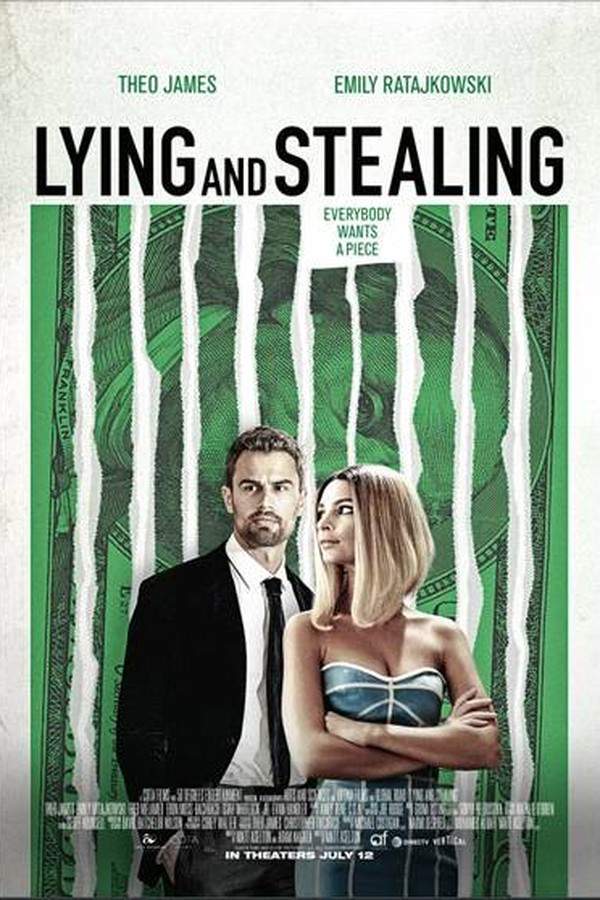
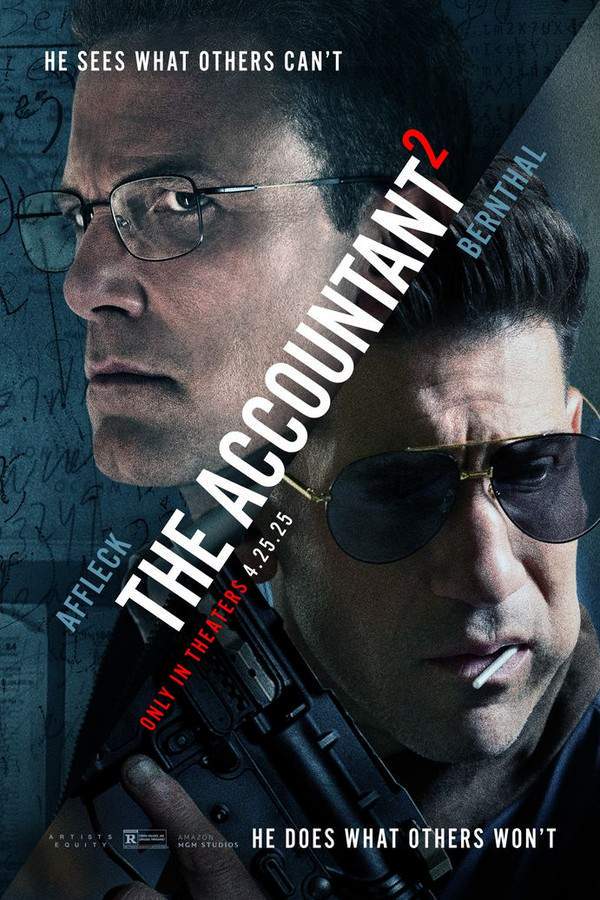
Stories of dangerous obsession like The Amazing Dr. Clitterhouse

Characters who risk everything for a dangerous and all-consuming obsession. Fans of The Amazing Dr. Clitterhouse looking for similar movies will find them here. This collection features tales of obsessive characters who descend into criminality or darkness for a personal goal, blending psychological drama with a steady, suspenseful pace and a bittersweet conclusion.

  • obsessive
  • suspenseful
  • psychological
  • paradoxical
  • darkly humorous
  • rivalrous
  • Tone: dark, psychologically tense
  • Pacing: steady, building suspense
Why these movies?

The story pattern: The narrative pattern follows a character's single-minded pursuit of knowledge or control, which requires them to infiltrate a dangerous world. Their initial success is often tempered by a rising internal conflict, leading to an ending where they achieve their goal but at a great personal or ethical cost, leaving them hollow or compromised.

Why they belong together: These films share a core theme of obsession leading to self-destruction. They are united by a steady, suspenseful pacing that builds towards a morally complex conclusion, a dark tone with intellectual undertones, and a medium emotional weight that engages the mind as much as the emotions.

If you liked this

Movies Like The Amazing Dr. Clitterhouse

Similar movies to The Amazing Dr. Clitterhouse: the same genre, themes or kind of story. Each one comes with its own plot summary, timeline and ending explained.

Browse all movie summaries

Every angle

The Amazing Dr. Clitterhouse (1938) Explained: Plot, Timeline & Characters

Everything about The Amazing Dr. Clitterhouse in one place: what happens in the plot summary, the timeline in chronological order, the characters and meaning and a spoiler-free summary. What's After the Movie adds the cast, box office and post-credit scenes.

Coming soon on iOS and Android

The Plot Explained Movie Summary App

Plot summaries, endings explained and timelines on your phone. Catch up on any movie in minutes, save your favorites and never miss a twist again.

Be the first to know when we launch. Your email stays private, always.

Learn more about the app