







Plot Explained Spoilers guaranteed!
Plot Explained

Browse by genre

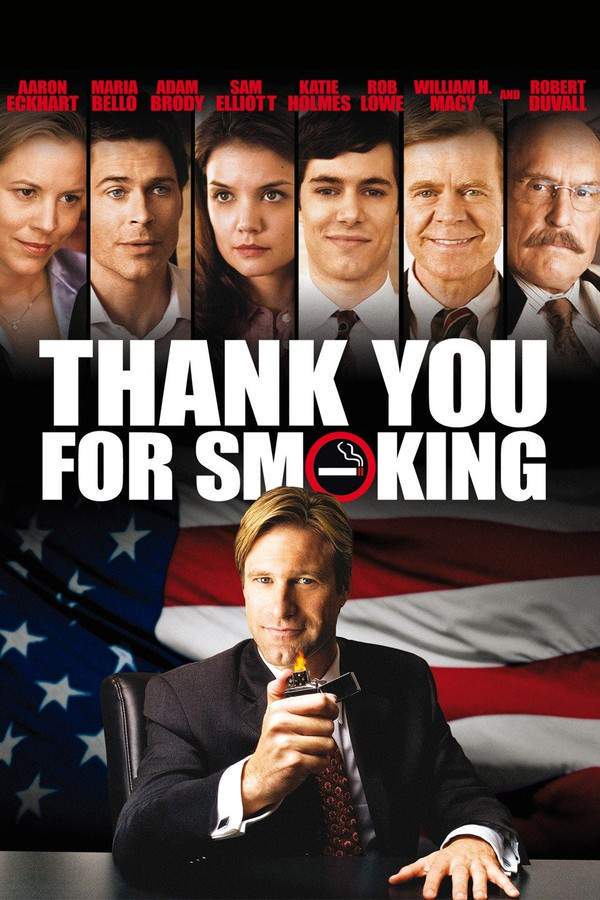
Thank You for Smoking (2006) movie poster

Timeline

Thank You for Smoking (2006) Timeline Explained – Every Event in Order

Release, runtime and language
2006 · 92 min · English
JustWatch #2,871 10
Directed by
Jason Reitman
Starring
Maria Bello, Aaron Eckhart, Cameron Bright
Budget
$6.5M

Aaron Eckhart stars as Nick Naylor, a persuasive and charismatic tobacco lobbyist who finds himself grappling with his career and the responsibilities of being a father. As a determined senator launches a campaign against smoking, Nick utilizes his skills in public relations and manipulation to defend his industry. He faces increasing pressure to reconcile his profession with his personal values amidst a growing public health crisis and mounting ethical dilemmas.

On this page (6)
  1. 1 Where to watch
  2. 2 Events in order (15)
  3. 3 Timeline questions answered
  4. 4 The book behind the movie
  5. 5 Movie threads
  6. 6 Every angle

Where to watch

Where to Watch Thank You for Smoking (2006)

Where can you watch Thank You for Smoking? Stream, rent or buy it in the US, including on Amazon Prime Video, Amazon Video and Apple TV Store: current JustWatch availability with up-to-date prices.

Streaming availability powered by JustWatch

15 events in order · contains spoilers

Thank You for Smoking Timeline: Events in Chronological Order

Every key event of Thank You for Smoking (2006) in order, scene by scene, with when and where it takes place. Use it to untangle flashbacks, time jumps and parallel storylines, to refresh your memory before the sequel or to find the exact scene you are thinking of.

  1. Introduction of Nick Naylor

    Nick Naylor is introduced as the charismatic spokesman for Big Tobacco, representing the Academy of Tobacco Studies. He employs dubious research to promote the illusion that smoking has no harmful health effects. His confident demeanor sets the tone for his controversial lifestyle.

  2. Formation of The MOD Squad

    Naylor collaborates with his friends, Bobby Jay Bliss and Polly Bailey, who lobby for firearms and alcohol respectively. This trio, self-referentially dubbed 'The Merchants of Death', meets weekly to discuss strategies for countering anti-smoking campaigns. Their bonding highlights the morally ambiguous nature of their work.

  3. Assignment from BR

    Naylor receives a new assignment from his boss, BR, aimed at securing cigarette product placements in Hollywood films. Recognizing the cultural influence of cinema, Naylor decides to bring along his young son, Joey, for some quality father-son time. This sets the stage for a mix of personal and professional challenges.

    Where
    Los Angeles
  4. Meeting Lorne Lutch

    Naylor meets Lorne Lutch, the former Marlboro Man who has since become an anti-smoking advocate. During this encounter, he attempts to persuade Lutch to refrain from speaking out by bribing him with cash. This interaction highlights the lengths to which Naylor will go to protect his employer's interests.

  5. Senator Finistirre's Bill

    Senator Finistirre, a relentless opponent of tobacco, proposes a bill to place poison warnings on cigarette packaging. His efforts intensify the pressure on Naylor as he prepares to testify against this bill. The growing legislative threat illustrates the escalating battle between tobacco advocates and public health advocates.

  6. Kidnapping Incident

    Naylor is kidnapped by a secretive group just before he testifies against the Senate bill. They expose him to nicotine patches, leading to extreme consequences. When he awakens in a hospital, he discovers he has developed a hypersensitivity to nicotine, impacting his career and personal life.

    Where
    Hospital
  7. Affair with Heather Holloway

    Naylor becomes romantically involved with reporter Heather Holloway. She seduces him into revealing sensitive information about his career, which she later publishes in an exposé that tarnishes his reputation. This personal betrayal has professional ramifications, costing him dearly.

  8. Press Conference Fallout

    During a press conference, Naylor candidly admits to his affair with Holloway, asserting his commitment to defending those named in her article. His honesty, however, does little to mitigate the public relations nightmare he faces. This moment showcases his resilience amidst adversity.

  9. Testify Before Senate Committee

    Naylor testifies before the Senate committee, where he acknowledges the dangers of smoking. However, he argues that the public is already well-informed and should practice personal responsibility. His statements reflect a shift towards promoting individual choice over imposed warnings.

  10. Declining the Old Position

    After his Senate testimony, BR offers Naylor his old job back. Surprisingly, he declines, pointing out that Big Tobacco is settling liability claims and he is ready for a new path. This moment signifies Naylor's transformation and growing independence from the tobacco industry.

  11. Heather's Downfall

    Heather Holloway faces her own consequences after Naylor's revelations. Once a prominent journalist, she is demoted to covering the weather as a cub reporter. This turn of events reflects the cyclical nature of public reputation and the unforgiving world of media.

  12. Launching a New Lobbying Firm

    Embracing his son's interest in debate, Naylor decides to open a private lobbying firm. This new venture allows him to continue being an advocate while shaping the narrative in a different light. It signifies his shift towards a more personal and entrepreneurial approach.

  13. Continuation of The MOD Squad Meetings

    The MOD Squad continues to hold meetings, now welcoming new members representing other industries like fast-food and oil. This expansion underscores the network's growth and their ongoing fight against public scrutiny. Their alliance challenges the perception of lobbyists.

  14. Naylor Strategic Relations

    Nick Naylor establishes Naylor Strategic Relations, where he advises mobile industry representatives concerned about health claims associated with cellphones. His career as a lobbyist evolves, as he applies his skills to new controversies. This pivot demonstrates his versatility in a changing landscape.

  15. Final Thoughts

    In a reflection on his work, Naylor states, 'Michael Jordan plays ball. Charles Manson kills people. I talk. Everyone has a talent.' This quote encapsulates his belief in the power of persuasion and the unique role of a lobbyist in shaping public perception. It leaves a lasting impression of his character.

Last updated: November 15, 2024 at 15:45

Was this helpful?

Timeline questions answered

Thank You for Smoking Timeline Explained: Your Questions Answered

When does it happen, and why in that order? The questions people ask about the chronology of Thank You for Smoking (2006): time jumps, flashbacks, cause and effect between scenes and the correct order of events, each answered with spoilers.

Q1

Why was Nick Naylor kidnapped and what happened to him?

Nick was kidnapped by a secretive group just before his Senate testimony against the poison warning bill. They attached nicotine patches to him, and because he had built up an extremely high tolerance from years of smoking, he absorbed a massive dose. When he woke up in the hospital, doctors discovered he had become permanently hypersensitive to nicotine, meaning he could never smoke again.

  • nick naylor
  • kidnapping
  • nicotine patches
  • hypersensitivity
  • senate testimony
Q2

Why did Lorne Lutch accept the bribe from Nick Naylor?

Lorne Lutch, the former Marlboro Man who had become an anti-smoking advocate, accepted a suitcase filled with cash from Nick to remain silent about tobacco's dangers. The bribe happened right in front of Nick's young son, Joey, which later became part of the negative portrayal in Heather Holloway's exposé.

  • lorne lutch
  • bribe
  • former marlboro man
  • anti-smoking
Q3

What happened to Heather Holloway after publishing her exposé on Nick Naylor?

After her article portraying Nick as a corrupt father who corrupted his son was published, Heather was fired from her job. She was later demoted to covering weather as a cub reporter, a significant fall from her position as a journalist who had secured an exclusive story.

  • heather holloway
  • reporter
  • exposé
  • demoted
  • weather reporter
Q4

Why did Nick Naylor admit smoking is dangerous during his Senate testimony?

Instead of using his typical deception tactics, Nick surprised everyone by acknowledging that smoking is indeed dangerous. However, he argued that the public was already well-informed and should practice personal responsibility. He famously pointed out that if tobacco companies are liable for deaths, Vermont should be liable for cholesterol deaths due to its cheese production.

  • senate testimony
  • personal responsibility
  • nick naylor
  • senator finistirre
Q5

Why did Nick Naylor turn down the job offer from BR?

After his Senate testimony, BR offered Nick his old position back at Big Tobacco. However, Nick declined because he had learned that the tobacco industry was settling massive liability claims. Rather than stay with a declining industry, he chose to start his own lobbying firm and apply his persuasion skills to new clients.

  • br
  • job offer
  • big tobacco
  • liability claims
  • lobbyist
Q6

What new industry did Nick Naylor lobby for after leaving tobacco?

After leaving Big Tobacco, Nick founded Naylor Strategic Relations, a private lobbying firm. His first major clients were mobile phone industry representatives who were concerned about scientific claims linking cellphones to brain cancer. He applied his same persuasive skills to defend a new client facing health-related controversy.

  • naylor strategic relations
  • mobile phones
  • brain cancer
  • lobbyist
Q7

What is the MOD Squad in the movie?

The MOD Squad consists of three lobbyists who jokingly refer to themselves as "Merchants of Death": Nick Naylor (tobacco), Bobby Jay Bliss (firearms), and Polly Bailey (alcohol). They meet weekly at a bar to discuss their work and support each other through the ethical dilemmas they face.

  • mod squad
  • merchants of death
  • bobby jay bliss
  • polly bailey
  • lobbyist
Q8

Why did Nick Naylor bring his son Joey to work with him?

Nick decided to bring his young son Joey along for what he described as quality father-son bonding time while he worked on securing cigarette product placements in Hollywood films. The trip proved problematic when Joey witnessed his father bribing Lorne Lutch, which later featured negatively in Heather Holloway's exposé about Nick corrupting his son.

  • joey
  • son
  • cigarette placement
  • hollywood
  • bonding
Q9

What does Nick Naylor's final quote about talents mean?

Nick's closing statement that "Michael Jordan plays ball. Charles Manson kills people. I talk. Everyone has a talent" is his philosophy that his skill in persuasion is simply a talent, no different from any other person's unique ability. It reflects his belief that being a lobbyist is just doing what he's naturally good at, regardless of the moral implications.

  • talent quote
  • persuasion
  • philosophy
  • michael jordan
  • charles manson

Movie threads

More Movies Like Thank You for Smoking, by Mood & Story

Curated lists built around what makes Thank You for Smoking tick: the same mood, the same kind of story or the same emotional payoff. Each list explains why these movies belong together.

Movies with clever antiheroes like Thank You for Smoking

Movies that follow clever, persuasive characters who thrive in morally complex professions. If you liked the charismatic and morally ambiguous Nick Naylor in Thank You for Smoking, you'll enjoy these movies featuring protagonists who are experts in professions with questionable ethics. These films explore similar themes of wit, persuasion, and navigating corporate or institutional gray areas, perfect for viewers who appreciate smart, talkative characters.

  • charismatic
  • morally ambiguous
  • witty
  • satirical
  • fast-talking
  • provocative
  • Tone: satirical, witty, cynical
  • Pacing: steady, dialogue-driven
Why these movies?

The story pattern: Stories in this thread typically follow a highly skilled protagonist who has mastered a dubious trade. The central conflict often arises from external pressure—a journalist, a government body, or personal conscience—forcing the character to defend their lifestyle and choices. The narrative is driven by dialogue and intellectual confrontations rather than physical action, culminating in a test of the character's philosophy and resilience.

Why they belong together: These movies are grouped by their shared focus on a charismatic lead who operates in an ethically gray world. They share a light-to-medium tone that leans on satire and wit, a steady, dialogue-driven pace, and a central theme of exploring moral compromise through the lens of a charming, unflappable protagonist.
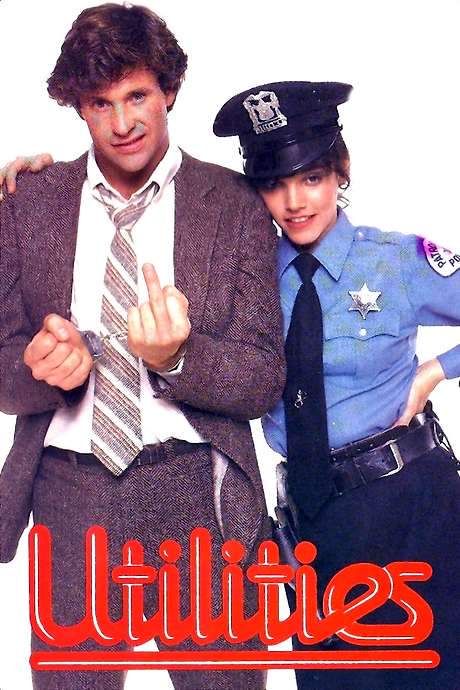
Satirical movies about media manipulation like Thank You for Smoking

Sharp comedies that expose the machinery of persuasion and image management. Find movies similar to Thank You for Smoking that offer a witty and cynical look at the world of public relations, lobbying, and corporate spin. These satirical stories focus on the art of persuasion and the ethical dilemmas of managing public perception, ideal for fans of sharp social commentary.

  • satirical
  • witty
  • provocative
  • corporate
  • media
  • persuasion
  • Tone: light, satirical, provocative
  • Pacing: steady
Why these movies?

The story pattern: The narrative pattern involves a protagonist or group who are experts in shaping perception. The plot is typically set in motion by a crisis or a new threat that requires their unique skills to be deployed. The story unfolds through a series of strategic maneuvers, public confrontations, and media engagements, exploring the gap between reality and the carefully constructed image.

Why they belong together: These films are united by their satirical treatment of communication industries and the theme of manipulation. They share a specific blend of a light, witty tone with subject matter that touches on serious ethical questions, creating a unique vibe of intelligent, provocative comedy that is more about ideas than slapstick.

Every angle

Thank You for Smoking (2006) Explained: Plot, Timeline & Characters

Everything about Thank You for Smoking in one place: what happens in the plot summary, the timeline in chronological order, the characters and meaning and a spoiler-free summary. What's After the Movie adds the cast, box office and post-credit scenes.

Coming soon on iOS and Android

The Plot Explained Movie Summary App

Plot summaries, endings explained and timelines on your phone. Catch up on any movie in minutes, save your favorites and never miss a twist again.

Be the first to know when we launch. Your email stays private, always.

Learn more about the app