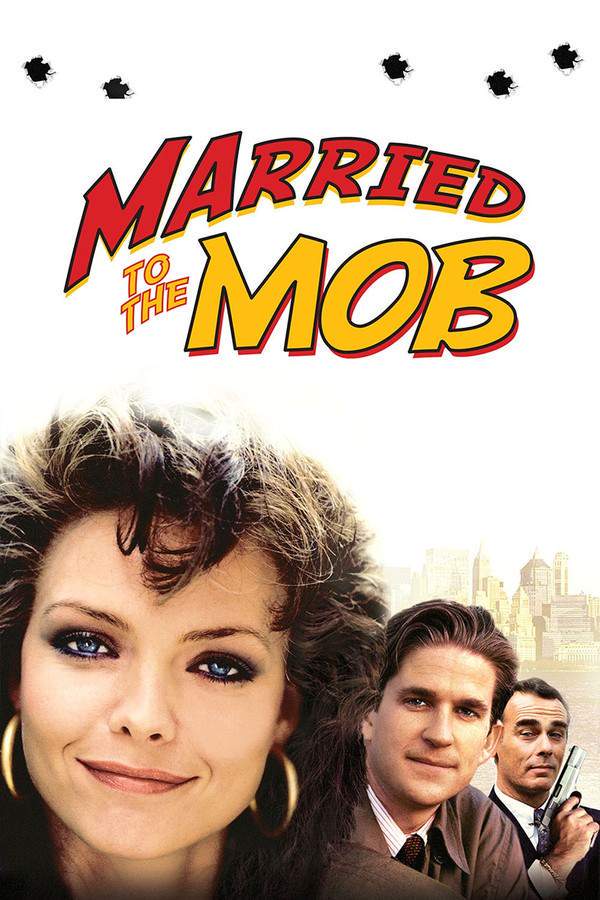
In Chicago, a Robin Hood-like crook becomes an object of affection, admired by some while drawing wary glances from others. The story centers on a mob boss known for his brutal reputation, who stirs strong feelings in a department store employee when their paths cross during the holiday season. He presents himself as a widowed father in the banking world and hires her to help with his children, all while keeping up the appearance of normal family life.
To pull off his ruse, the mob boss enlists the help of his loyal henchman to scout for children who can pretend to be part of his brood. The plan brings in only one child, Detroit Harry Jr., as the pair attempt to craft a believable family tableau. As the two decorate a Christmas tree, the mob boss hints that the other child is with his grandmother for the holidays, hinting at a carefully maintained facade rather than a real family.
Trouble arrives in the form of rival gangsters who are ordered to kill Morrison. Rather than meet with murder, Morrison and his ally trap the would-be assassins in the basement, turning a violent threat into a political maneuver that reshapes the criminal landscape. The following day, a tense rumor spreads that Morrison has killed his rivals—a rumor that escalates into a tentative gangland cease-fire, with each faction agreeing to operate in separate territories to avoid direct conflict.
As the truth about Morrison’s true nature begins to surface, Judy realizes who he really is, yet grows fond of the man behind the legend. He tries to smooth the path by giving Judy a job as a nightclub vocalist and by agreeing to watch over Harry Jr., cementing a bond between them. The romance deepens, culminating in a marriage proposal that Judy accepts, choosing a path that blends affection with precarious loyalty.
The drama takes a sharp turn when it becomes clear that Morrison has never taken a life. The moment the imprisoned thugs escape from the basement confirms this truth, and it promptly becomes the headline-grabbing twist of the story: a mob boss who has never murdered his rivals. The revelation reframes everything, turning Morrison into a figure of public fascination and moral ambiguity, even as he remains devoted to Judy and Harry Jr.
In the end, the film threads together romance, Christmas mood, and the tension between crime and conscience. It invites viewers to question what power means in a city divided by criminal ambitions and how a man who refuses to kill can alter the rules of an underworld where violence often defines success. The passion between Morrison and Judy sits at the center of the narrative, offering a glimmer of ordinary life amid the extraordinary pressures of a crime-ridden landscape.