Plot Explained Spoilers guaranteed!
Plot Explained

Browse by genre

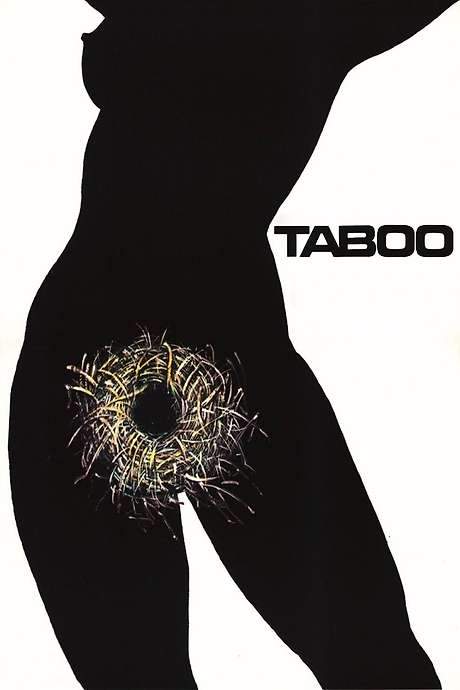
Tabu (2012) movie poster

Characters & Themes

Tabu (2012) Characters, Setting & Themes Explained

Release, runtime and language
2012 · 118 min · English
Loading streaming availability…
Directed by
Miguel Gomes

Amidst growing cultural tensions, David and Leyla, an Armenian man and a Turkish woman, find their love forbidden by societal divides. Their passionate relationship unfolds against a backdrop of conflict, forcing them to confront difficult choices and make profound sacrifices as they navigate a world determined to keep them apart.

On this page (8)
  1. 1 Where to watch
  2. 2 Characters explained (5)
  3. 3 Where & when it takes place
  4. 4 Themes & meaning (4)
  5. 5 Character & meaning questions
  6. 6 Movie threads
  7. 7 Movies like Tabu
  8. 8 Every angle
Loading streaming availability…

5 main characters · contains spoilers

Tabu Characters Explained: Who Is Who

The main characters of Tabu (2012), heroes and villains: what drives them, how they change over the course of the story and what each of them reveals about the film's bigger ideas.

  • Aurora

    An octogenarian in Lisbon living off her pension, eccentric, talkative, and superstitious. In Africa she is a skilled hunter on a tea farm near Mount Tabu and keeps a pet crocodile. Her passionate affair with Gian-Luca leads to a fatal act, shaping the mirror of memory that haunts present-day events.

    • 🗝️ Secrets
    • 🐊 Animal
    • 🕰️ Aging
    • 💔 Guilt
  • Santa

    Pilar’s housemaid from Cape Verde, semi-literate but adept in divinatory voodoo. Quiet and enigmatic, she often holds her own counsel while sensing currents in the household. Her presence adds a layer of superstition and restraint to the trio’s dynamic.

    • 🔮 Divination
    • 🌍 Cape Verde
    • 🧭 Mystery
  • Pilar

    Neighbor and friend, middle-aged, Catholic, and a militant social benefactor. She meddles in Aurora’s life and organizes support for those around her, driven by concern for Aurora and by a sense of responsibility to others. She seeks out Gian-Luca when the past surfaces, linking the present to the Africa story.

    • 🤝 Solidarity
    • ✝️ Faith
    • 🧭 Activism
  • Gian-Luca Ventura

    An old man who lived in Mozambique and narrates Aurora’s life in Africa. He is the lover who cannot forget Aurora, later moving to India and then Lisbon in search of the truth behind the past. He respects Aurora’s wishes, burning her final letter and choosing distance over reconciliation.

    • 🧭 Memory
    • ❤️ Love
    • 🗺️ Migration
  • Mario

    A friend of Gian-Luca who becomes the object of Aurora’s dangerous passion. His confrontation with Gian-Luca triggers a deadly feud, and his murder is covered up to serve as a pretext for political maneuvering during the colonial conflict.

    • 💔 Violence
    • 🗝️ Secrecy
    • 🧭 Betrayal

Last updated: October 03, 2025 at 19:42

Was this helpful?

Setting

Where and When Does Tabu Take Place?

The setting of Tabu (2012): the year and time period, the places and locations, and how they shape the characters, the mood and the tension of the story.

Time period

1960s (Portuguese Africa) and present-day Lisbon

The 1960s African segment unfolds under the shadow of the Portuguese Colonial War, with Aurora's farm, hunter skills, and a forbidden love affair. In present-day Lisbon, the same characters confront memory, rumor, and unresolved guilt as Pilar seeks out a vanished love and Aurora's past comes to light. The chronology moves between a colonial past and a contemporary space, using time to explore guilt and reconciliation.

Location

Lisbon, Portugal; Mozambique, Africa; Mount Tabu; India

Three disparate lives unfold in Lisbon's old building, where three women live, and flashbacks take us to Aurora's tea farm on the slopes of Mount Tabu in Africa. The setting shifts between present-day urban interiors and the African frontier, echoing themes of isolation and danger. Later, the narrative traces travels to India and back to Lisbon, linking places through memory and legend.

  • 🗺️ Lisbon
  • 🏜️ Africa
  • 🧭 India

Last updated: October 03, 2025 at 19:42

Was this helpful?

4 major themes

Tabu Meaning: Themes & Message Explained

What is Tabu (2012) really about? The emotional, social and philosophical themes the film keeps returning to, its symbolism and the message beneath the surface.

  • Guilt and Secrets

    The narrative threads guilt across generations, anchored by Aurora's murder of Mario and its careful cover-up. The legend-opening frames memory as something passed down through stories that never fully heal. The film uses intimate female relationships to reveal how silence sustains or unmasks hidden truths.

  • Colonial History

    Aurora's life on a tea farm in Africa unfolds against the violence of the colonial war in Mozambique. The murder and affair are intertwined with political manipulation, showing how personal passions become entangled with empire. The backdrop critiques how colonial power corrupts morality and memory.

  • Female Solidarity

    Three women share a Lisbon apartment, navigating loneliness, superstition, and desire. Pilar, Aurora, and Santa form a complex web of care, secrecy, and resistance to isolation. Their interactions reveal resilience and moral complexity in the face of danger and gossip.

  • Legend and Memory

    The film opens with a legend told by Miguel Gomes, framing the narrative as a tale where myth and memoir blur. The crocodile, river, and Aurora's hidden story function as living folklore that questions truth. The storytelling style oscillates between documentary-like observation and lyrical, mythic register.

Last updated: October 03, 2025 at 19:42

Was this helpful?

Character & theme questions

Tabu Characters & Meaning: Your Questions Answered

The questions people ask about Tabu (2012): who the characters really are, their relationships, what the symbols mean, where it takes place and what the movie is really about. Each answer contains spoilers.

Q1

Where is Tabu set?

The film is set in two main locations: present-day Lisbon, Portugal, where three women share an apartment, and 1960s colonial Mozambique, specifically on a tea farm near Mount Tabu. The story also briefly travels to India, linking past and present through memory and legend.

  • lisbon
  • mozambique
  • mount tabu
  • africa
  • india
  • setting
  • locations
Q2

What time period does Tabu depict?

Tabu shifts between two time periods: the 1960s during the Portuguese Colonial War in Mozambique, and present-day Lisbon. The 1960s African segment shows Aurora's youth on the tea farm, while the modern scenes follow her as an elderly woman confronting memory and unresolved guilt.

  • 1960s
  • portuguese colonial war
  • mozambique
  • present day
  • lisbon
  • time period
  • era
Q3

How does Tabu address colonialism?

The film uses Aurora's time on a tea farm in Mozambique during the Portuguese Colonial War as a central backdrop. Her affair with Gian-Luca and the murder of Mario become intertwined with political manipulation, showing how personal passions were corrupted by imperial power. The colonial context drives the film's exploration of guilt and memory.

  • colonialism
  • portuguese empire
  • mozambique
  • colonial war
  • imperialism
  • political context
Q4

What role does guilt play in Tabu?

Guilt operates as a generational force in Tabu, anchored by Aurora's murder of Mario and its deliberate cover-up. The film presents memory as something passed down through stories that never fully heal. The narrative uses intimate female relationships to reveal how silence both sustains and unmasks hidden truths.

  • guilt
  • secrets
  • murder
  • cover-up
  • memory
  • silence
  • generations
Q5

What is the narrative style of Tabu?

Tabu opens with a legend told by director Miguel Gomes, framing the story as a tale where myth and memoir blur. The crocodile, river, and Aurora's hidden story function as living folklore that questions the nature of truth. The film oscillates between documentary-like observation and a lyrical, mythic register.

  • narrative style
  • legend
  • memory
  • folklore
  • myth
  • storytelling
  • non-fiction
  • mythic
Q6

Who is Aurora in Tabu?

Aurora is an octogenarian living in Lisbon who survives on her pension. In 1960s Africa, she was a skilled hunter on a tea farm near Mount Tabu and kept a pet crocodile. Her passionate affair with Gian-Luca led to a murder that shaped the memory haunting present-day events. She is eccentric, talkative, and superstitious.

  • aurora
  • hunter
  • tea farm
  • crocodile
  • mozambique
  • old woman
  • protagonist
Q7

What is the relationship between the three women in Lisbon?

Pilar, Aurora, and Santa form a complex web of care, secrecy, and resistance to isolation living in the same Lisbon apartment. Pilar is a middle-aged, Catholic social benefactor who meddles in Aurora's life. Santa is a housemaid from Cape Verde skilled in voodoo divination, quiet and enigmatic. Their interactions reveal resilience and moral complexity.

  • pilar
  • santa
  • lisbon
  • apartment
  • female relationships
  • women
  • solidarity
  • dynamic
Q8

Who is Gian-Luca Ventura?

Gian-Luca Ventura is an old man who lived in Mozambique and narrates Aurora's African story. He was Aurora's lover and cannot forget her. After leaving Africa, he moved to India and then to Lisbon in search of truth about the past. He ultimately respects Aurora's wishes, burning her final letter and choosing distance over reconciliation.

  • gian-luca
  • lover
  • mozambique
  • india
  • narrator
  • aurora's past
Q9

What does Tabu say about female relationships?

Tabu explores female solidarity through the trio of women in Lisbon, Pilar, Aurora, and Santa, who navigate loneliness, superstition, and desire together. Their relationships are marked by both care and secrets, showing how women support and restrain each other. The film presents these bonds as a source of resilience amid danger and gossip.

  • female relationships
  • women
  • solidarity
  • support
  • emotional bonds
  • lisbon apartment
Q10

What is the tone and mood of Tabu?

Tabu has a dominantly melancholic tone, characterized by a pervasive sense of loss, unresolved longing, and quiet sadness. The film's deliberate, slow pacing prioritizes atmosphere and reflection over high-stakes tension. Despite the sadness, the ending suggests a persistent, legendary connection that transcends time, blending bittersweet emotion with enduring tenderness.

  • tone
  • mood
  • melancholy
  • sadness
  • slow pacing
  • atmosphere
  • bittersweet
  • emotional

Movie threads

More Movies Like Tabu, by Mood & Story

Curated lists built around what makes Tabu tick: the same mood, the same kind of story or the same emotional payoff. Each list explains why these movies belong together.

Movies like Tabu: Melancholic Stories of Forbidden Love

Passionate romances doomed by societal divides and heavy emotional consequences. If you liked the tragic romance in Tabu, this section features similar movies about forbidden love facing societal divides. These films share a melancholic tone, heavy emotional weight, and bittersweet endings, exploring the profound costs of passion against the odds.

  • melancholic
  • tragic romance
  • forbidden love
  • somber
  • longing
  • passionate
  • Tone: melancholic, tragic, romantic
  • Pacing: slow, deliberate
Why these movies?

The story pattern: Stories in this thread typically follow lovers whose relationship is forbidden due to external forces like family, war, or class. The narrative focuses on the intensity of their connection, the pressure of societal judgment, and the inevitable, often sorrowful, conclusion that leaves a lasting emotional scar.

Why they belong together: These films are grouped by their shared focus on the melancholic beauty and tragedy of forbidden relationships. They combine heavy romance with a somber, reflective mood, creating a cohesive experience of love, loss, and enduring memory.

Movies with a Poetic Mood Like Tabu

Slow, reflective films where the haunting past echoes into the present. Discover movies like Tabu that share its poetic, reflective mood and focus on memory. These films often feature slow pacing, complex narratives linking past and present, and a haunting, dreamlike atmosphere that lingers long after the credits roll.

  • poetic
  • dreamlike
  • haunting
  • reflective
  • melancholic
  • memory
  • Tone: reflective, haunting, melancholic
  • Pacing: slow, meditative
Why these movies?

The story pattern: The narrative pattern involves intertwining timelines, where a story from the past (often involving youth, passion, or trauma) is revisited through memory, affecting characters in the present. The structure is contemplative, using visual poetry and sound to evoke feeling rather than just advancing a straightforward plot.

Why they belong together: They are connected by a shared commitment to a poetic visual style, a slow and reflective pace, and a central theme of how the past inhabits the present. The focus is on creating a specific, haunting mood rather than delivering a fast-paced story.

If you liked this

Movies Like Tabu

Similar movies to Tabu: the same genre, themes or kind of story. Each one comes with its own plot summary, timeline and ending explained.

Browse all movie summaries

Every angle

Tabu (2012) Explained: Plot, Timeline & Characters

Everything about Tabu in one place: what happens in the plot summary, the timeline in chronological order, the characters and meaning and a spoiler-free summary. What's After the Movie adds the cast, box office and post-credit scenes.

Coming soon on iOS and Android

The Plot Explained Movie Summary App

Plot summaries, endings explained and timelines on your phone. Catch up on any movie in minutes, save your favorites and never miss a twist again.

Be the first to know when we launch. Your email stays private, always.

Learn more about the app