Plot Explained Spoilers guaranteed!
Plot Explained

Browse by genre

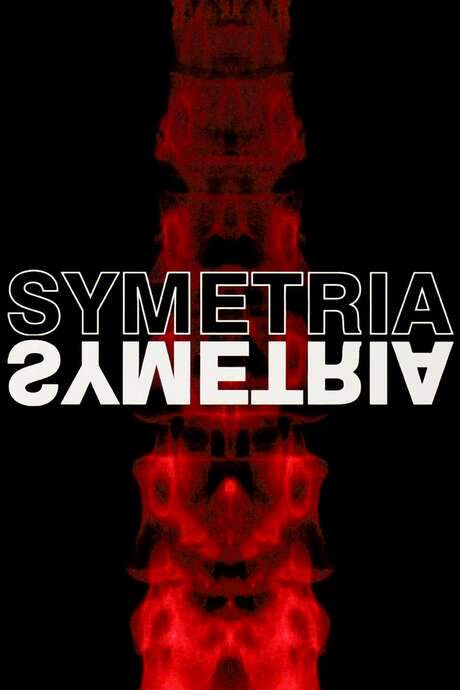
Symmetry (2003) movie poster

Characters & Themes

Symmetry (2003) Characters, Setting & Themes Explained

Release, runtime and language
2003 · 99 mins · Polish
Loading streaming availability…
Directed by
Konrad Niewolski
Starring
Borys Szyc, Andrzej Chyra, Andrzej Andrzejewski, Janusz Chabior, Kinga Preis, Mariusz Jakus

Łukasz, a job‑less geography graduate, is mistakenly identified and arrested for robbery. His weak alibi collapses when the supposed victim dies shortly after the arrest. Though his lawyer pledges to fight, Łukasz is detained and must adapt to the brutal prison hierarchy. He seeks refuge in the cell of the “grypsujący,” inmates who exchange coded messages.

On this page (8)
  1. 1 Where to watch
  2. 2 Characters explained (8)
  3. 3 Where & when it takes place
  4. 4 Themes & meaning (3)
  5. 5 Character & meaning questions
  6. 6 Movie threads
  7. 7 Movies like Symmetry
  8. 8 Every angle
Loading streaming availability…

8 main characters · contains spoilers

Symmetry Characters Explained: Who Is Who

The main characters of Symmetry (2003), heroes and villains: what drives them, how they change over the course of the story and what each of them reveals about the film's bigger ideas.

  • Łukasz Machnacki (Arkadiusz Detmer)

    A young detainee who is abruptly thrust into prison life. He begins naive and frightened, then gradually adapts to the grypsera to avoid becoming a target. His evolving loyalty and moral compromises drive much of the film’s tension.

    • 🧭 Vulnerability
    • 🗝️ Identity
    • 🧱 Survival
    • 🤝 Group dynamics
  • Kosior (Mariusz Jakus)

    The cell’s de facto leader, adept at intimidation and manipulation. He teaches Łukasz the rules of the grypsera and pushes the group toward violent actions to maintain his place at the top. His calculated ruthlessness makes him a central pillar of the cell’s power structure.

    • 🗝️ Power
    • 💥 Leadership
    • 🧱 Control
  • Siwy (Marcin Jędrzejewski)

    A volatile mob member who uses aggression to police the group and intimidate Łukasz. His cruelty and unpredictability illustrate the constant threat of violence within the cell.

    • 💥 Aggression
    • 🧱 Peer pressure
    • 🔪 Threat
  • Albert (Borys Szyc)

    A younger mobster who tests boundaries with rough humor and quick violence. He initiates the discussion about killing the new prisoner and embodies casual brutality under the guise of camaraderie.

    • 💥 Violence
    • 🧱 Bravado
    • 🗝️ Status
  • Roman (Janusz Bukowski)

    The lowest rung in the cell hierarchy, who tries to stay out of trouble but is drawn into plans for murder. His reluctance highlights the moral cost of power plays and the fragility of safety in prison.

    • 🪪 Subordination
    • 🤝 Peer pressure
    • 🧱 Survival
  • Dawid (Dawid Lepkowski)

    A quiet, bookish inmate whose restraint earns respect. He becomes entangled in the murder plan, showing that even reflective prisoners can be drawn into violence when survival is at stake.

    • 📚 Intellect
    • 🖤 Violence
    • 🪢 Loyalty
  • Zborek (Andrzej Andrzejewski)

    The cell member who explains the grypsera and tests Łukasz’s willingness to join. He acts as a gatekeeper within the subculture, shaping the newcomer’s path and the cell’s power dynamics.

    • 🗝️ Influence
    • 🧱 Hierarchy
    • 🧭 Guidance
  • Adwokat Łukasza (Aleksander Mikołajczak)

    The attorney hired to defend Łukasz, connecting the outside legal system with his prison life. He informs him of potential remittance and works to secure release, underscoring the tension between prison and law.

    • ⚖️ Legal aid
    • 💬 Communication
    • 🏛️ Outside influence

Last updated: October 04, 2025 at 12:01

Was this helpful?

Setting

Where and When Does Symmetry Take Place?

The setting of Symmetry (2003): the year and time period, the places and locations, and how they shape the characters, the mood and the tension of the story.

Time period

Location

Polish prison

The story largely unfolds inside a Polish prison, where inmates live in tight cells and a strict hierarchy governs every interaction. The dominant prison subculture, grypsera, dictates who is protected and who is abused. Guards observe the dynamics but often tolerate or overlook brutal rules that shape daily life.

  • 🏢 Prison
  • 🗝️ Subculture
  • 🧱 Concrete walls

Last updated: October 04, 2025 at 12:01

Was this helpful?

3 major themes

Symmetry Meaning: Themes & Message Explained

What is Symmetry (2003) really about? The emotional, social and philosophical themes the film keeps returning to, its symbolism and the message beneath the surface.

  • Belonging

    Łukasz’s entry into the grypsera shows that survival in prison depends on fitting into a fixed clan. The lure of protection and status comes at the cost of personal morality and loyalty to others. Belonging drives his choices and moral compromises.

  • Violence and power

    The inmates wield violence and social influence to maintain control, culminating in a calculated murder to assert dominance. The guards’ passivity reinforces the sense that force rules the cell. Violence becomes a tool for settling disputes and preserving status.

  • Moral ambiguity

    Łukasz wrestles with fear, survival, and competing impulses toward right and wrong. As he sinks deeper into the gang, personal autonomy fades and instincts of loyalty blur with criminal ambition. The film questions what it means to choose humanity under pressure.

Last updated: October 04, 2025 at 12:01

Was this helpful?

Character & theme questions

Symmetry Characters & Meaning: Your Questions Answered

The questions people ask about Symmetry (2003): who the characters really are, their relationships, what the symbols mean, where it takes place and what the movie is really about. Each answer contains spoilers.

Q1

Where does Symmetry take place?

The story is set entirely inside a Polish prison, where inmates live in tight cells governed by a strict, brutal hierarchy. The prison environment is defined by concrete walls, constant surveillance, and the dominance of an inmate subculture called grypsera, which controls protection, status, and survival.

  • polish prison
  • setting
  • grypsera
  • prison hierarchy
Q2

What is grypsera in Polish prisons?

Grypsera is a prison subculture made up of inmates who exchange coded messages and operate by their own unwritten rules. In the film, it serves as an internal power structure that determines who receives protection and who becomes a target. Those who join the grypsera gain security but must conform to its moral compromises.

  • grypsera
  • prison subculture
  • inmate code
  • prison rules
Q3

What are the main themes in Symmetry?

The film explores three interconnected themes: belonging, which shows how survival depends on fitting into fixed clans; violence and power, where force becomes a tool for dominance and control; and moral ambiguity, which questions what it means to maintain humanity under extreme pressure.

  • belonging
  • violence
  • power
  • moral ambiguity
  • themes
Q4

Who is Łukasz Machnacki?

Łukasz Machnacki is the protagonist, a job-less geography graduate who is mistakenly arrested for robbery. Thrust into prison life naive and frightened, he gradually adapts to the grypsera to avoid becoming a target. His evolving loyalty and moral compromises drive the film's tension.

  • lukasz machnacki
  • protagonist
  • prisoner
  • arkadiusz detmer
Q5

Who is Kosior and what role does he play?

Kosior is the cell's de facto leader, adept at intimidation and manipulation. He teaches Łukasz the rules of grypsera and pushes the group toward violent actions to maintain his position. His calculated ruthlessness makes him a central pillar of the cell's power structure.

  • kosior
  • leader
  • mariusz jakus
  • prison power
Q6

How does Symmetry explore moral ambiguity?

The film shows Łukasz wrestling with fear, survival, and competing impulses toward right and wrong. As he sinks deeper into the gang, his personal autonomy fades and loyalty blurs with criminal ambition. The story questions what it means to choose humanity under extreme pressure.

  • moral ambiguity
  • survival
  • loyalty
  • ethical compromise
Q7

How does the film portray violence and power?

Inmates wield violence and social influence to maintain control, culminating in a calculated murder to assert dominance. The guards' passivity reinforces that force rules the cell. Violence becomes the primary tool for settling disputes and preserving status.

  • violence
  • power
  • dominance
  • prison brutality
Q8

What is the prison hierarchy like in Symmetry?

The prison operates on a strict hierarchy where grypsera members hold power and protected status, while those who refuse to join face abuse and targeting. Characters like Kosior lead through intimidation, while others like Roman occupy the lowest rungs, constantly vulnerable to being drawn into violent plans.

  • prison hierarchy
  • inmate roles
  • grypsera members
  • power structure
Q9

What does the film say about belonging?

Łukasz's entry into grypsera shows that survival in prison depends on fitting into a fixed clan. The lure of protection and status comes at the cost of personal morality and loyalty to others. The desire for belonging directly drives his choices and moral compromises.

  • belonging
  • survival
  • identity
  • group loyalty
Q10

What is the tone and atmosphere of Symmetry?

The film has an unambiguously dark tone focused on injustice, depravity, and the erosion of morality. There is no redemptive or hopeful arc, the protagonist undergoes irreversible moral degradation. The constant threat of violence and psychological pressure creates a consistently stressful viewing experience.

  • dark tone
  • atmosphere
  • psychological pressure
  • bleakness

Movie threads

More Movies Like Symmetry, by Mood & Story

Curated lists built around what makes Symmetry tick: the same mood, the same kind of story or the same emotional payoff. Each list explains why these movies belong together.

Movies about wrongful accusation and moral decay like Symmetry

Innocent characters crushed by a system that mistakes them for criminals. If you liked the story of an innocent man's wrongful imprisonment in Symmetry, you'll find similar movies here. These films explore the devastating impact of false accusations, the struggle against a corrupt system, and the moral descent of the protagonist.

  • anxious
  • desperate
  • grim
  • oppressive
  • unjust
  • harsh
  • Tone: dark, bleak
  • Pacing: steady, methodical
Why these movies?

The story pattern: The narrative typically begins with a peaceful life violently disrupted by a false accusation. The protagonist is then plunged into a hostile environment, such as a prison or a legal nightmare, where their innocence is a liability. The story charts their struggle to survive and the erosion of their former identity as they are forced to adapt to a brutal new reality.

Why they belong together: These movies are grouped by their shared theme of injustice and the specific arc of an innocent person's downfall. They create a powerful sense of empathy and outrage, focusing on the heavy emotional weight of being trapped by circumstances beyond one's control.

Gritty prison survival dramas with intense hierarchies like Symmetry

Stories of survival and power dynamics within the confined world of incarceration. For viewers who appreciated the harsh prison setting and intricate social hierarchy in Symmetry, this section features similar movies. These gritty dramas focus on the daily struggle for power, respect, and simple survival within the oppressive walls of a correctional facility.

  • claustrophobic
  • brutal
  • harsh
  • oppressive
  • tense
  • violent
  • Tone: dark, oppressive
  • Pacing: steady, immersive
Why these movies?

The story pattern: The narrative structure is often a steady descent into the prison's social ecosystem. A new inmate, often an outsider, must learn the unwritten rules and navigate a dangerous hierarchy dominated by specific groups. The central conflict revolves around adapting to this brutal environment without losing oneself completely, often through alliance or violence.

Why they belong together: These films are united by their immersive and oppressive setting. They share a high intensity driven by constant threat, a dark tone exploring institutional violence, and a focus on the complex, often brutal, social structures that form in confinement.

If you liked this

Movies Like Symmetry

Similar movies to Symmetry: the same genre, themes or kind of story. Each one comes with its own plot summary, timeline and ending explained.

Browse all movie summaries

Every angle

Symmetry (2003) Explained: Plot, Timeline & Characters

Everything about Symmetry in one place: what happens in the plot summary, the timeline in chronological order, the characters and meaning and a spoiler-free summary. What's After the Movie adds the cast, box office and post-credit scenes.

Coming soon on iOS and Android

The Plot Explained Movie Summary App

Plot summaries, endings explained and timelines on your phone. Catch up on any movie in minutes, save your favorites and never miss a twist again.

Be the first to know when we launch. Your email stays private, always.

Learn more about the app