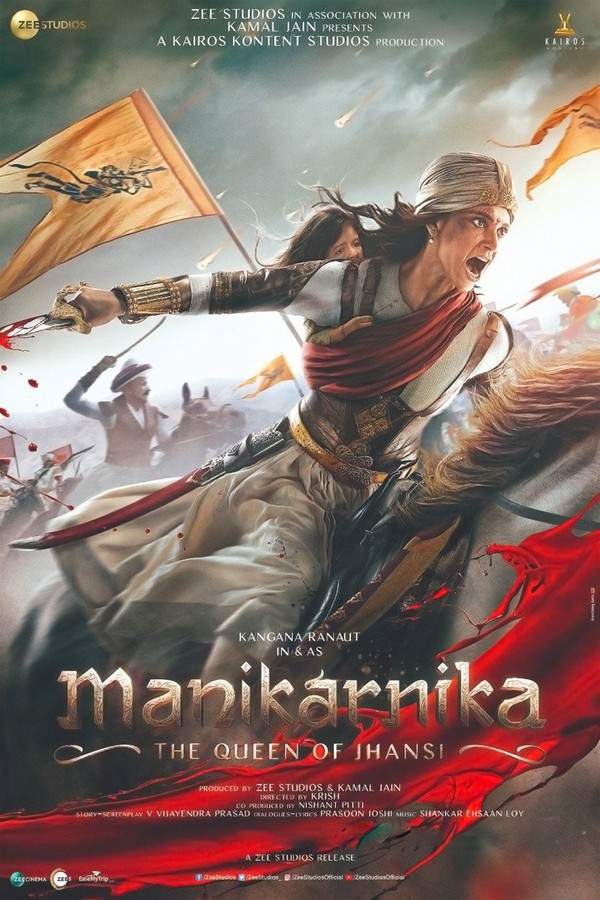
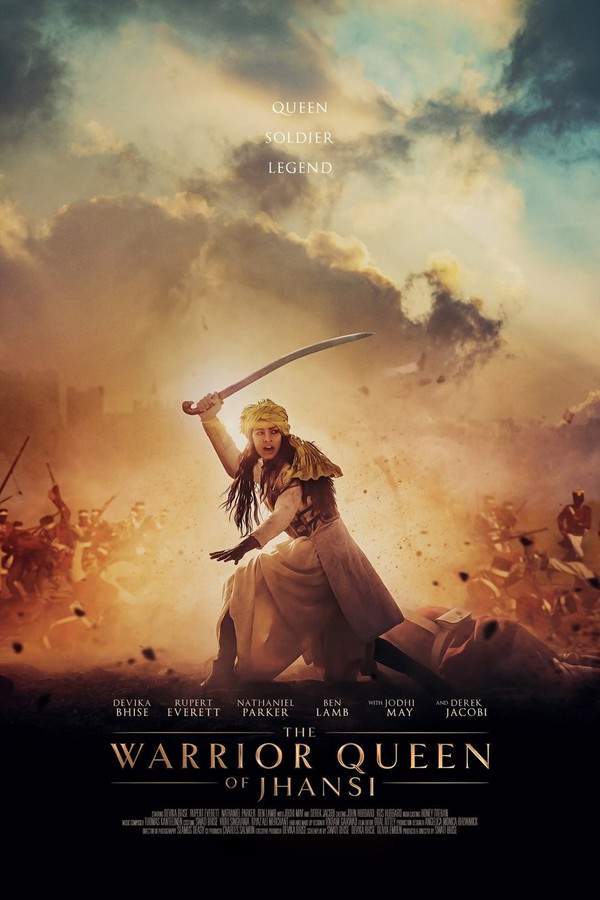
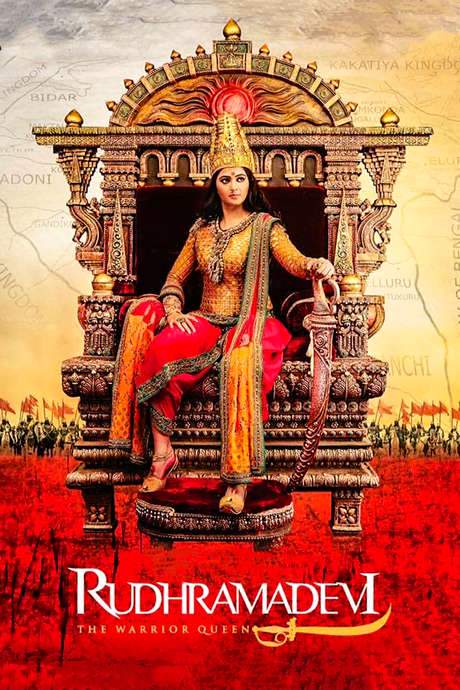
In 1857, the Indian subcontinent rises in a broad, brutal revolt against the British East India Company. The city of Jhansi endures a siege as the defending forces waver under numbers they cannot overcome. Yet their queen, Rani Lakshmi Bai, steadies them with a story that re-ignites their courage: the tale of Narasimha Reddy, the rebel who sparked the flame of resistance a decade earlier. A man born in Uyyalawada to a respected chief and two wives—daughters of the Nizam’s line—Reddy seems marked by fate from birth, surviving a stillbirth and entering life with gifts of athleticism and a lifelong knack for strategy. As a teenager, he rides past an execution staged by the British, and his grandfather explains the villagers’ sufferings under the East India Company. The spark becomes a vow to fight back, a vow that will be tempered and sharpened by discipline under the guidance of sage Gosayi Venkanna, who teaches him both combat and philosophy.
Decades pass, and Reddy’s vision blossoms into a organized resistance. Twenty-five years after that first vow, he unites several fallen chiefs across different provinces into a carefully run network centered around Renadu. The opposition is led by Cochrane, the Madras governor, who responds by dispatching a ruthless general named Jackson to extract taxes and crush dissent. The looming threat drives Reddy to strengthen his ranks, forge new alliances, and train a growing army of civilians to stand up to the colonial machinery.
Reddy’s personal arc threads through love, loyalty, and loss. He first meets the dancer Lakshmi and rescues her from danger—a symbolic reunion punctuated by a mutual, unspoken attraction. He also learns that a child marriage binds him to Siddhamma, a bond that persists despite the upheaval around them. When Lakshmi’s life is in danger from a stampede manipulated by the rival Avuku Raju, Reddy acts decisively, saving her and confronting Avuku, though the two later reconcile and grow to respect one another. The path toward freedom grows more complicated as Siddhama gives birth to their child while the fort becomes a sanctuary and a battlefield at once.
The revolt gains momentum as allies join from across the land. Lakshmi travels far and wide to spread the cause, and Rajapaandi—a Tamil chief—answers the call to arms, swelling Reddy’s ranks with fresh resolve. Cochrane escalates the conflict with a heavy assault, sending a large force to retake territory. Yet Reddy and a coalition of civilians defend a fortified stronghold through a web of clever traps and stubborn will. Avuku Raju refashions himself as a crucial ally, drawn to Reddy’s bravery and the heart of the rebellion. In the fort, Siddhamma and Reddy welcome their newborn son, whom they name Subbayya in honor of a farmer friend who sacrifices himself for the cause. The fort becomes not only a shelter but a symbol of what common people can achieve when they unite under a shared dream of freedom.
Tragedy and betrayal test the movement. Cochrane seizes Lakshmi again, wielding her as leverage to break the resistance. In a desperate act, Lakshmi lights her clothes and detonates them, a blaze that takes the lives of many but also demonstrates the price of courage. Cochrane survives the blast, and the campaign heads toward a climactic clash between two vast forces. In the ensuing battles, Obanna falls, and Raja Pandiyan is gravely wounded, yet Reddy saves him and finally defeats Cochrane in a sword duel. The rebels push back with extraordinary sacrifice, killing thousands of soldiers and forcing Cochrane to retreat. Yet the victory is incomplete: Veera Reddy, angered and embittered by personal grievances and past betrayals, sells out Reddy’s cause, allowing the British to seize him. Reddy is captured by a treacherous scheme in a moment of weakness, where he’s exiled from his people and eventually sentenced to hanging. In a dramatic turn, the noose does not end him, and although a soldier strikes, Reddy’s spirit remains defiant; even in death, his sacrifice shatters the British resolve and weakens their hold.
The price of rebellion is paid in full, and the survivors go into exile. Gosayi Venkanna, Avuku Raju, and the others who stood with him are exiled from the Indian heartland, but the struggle continues to echo in future generations. A decade later, Rani Lakshmi Bai and her forces take up the banner of resistance and push back the occupiers, a testament to Reddy’s legacy and to the enduring power of courage, unity, and memory. A narrator closes the tale by noting that Reddy’s rebellions served as a wellspring of inspiration for fighters and activists who fought for freedom in years to come, leaving a lasting mark on the struggle for independence.
> “The tale of a man who dared to challenge an empire is the tale of every person who dares to dream of a brighter tomorrow.”