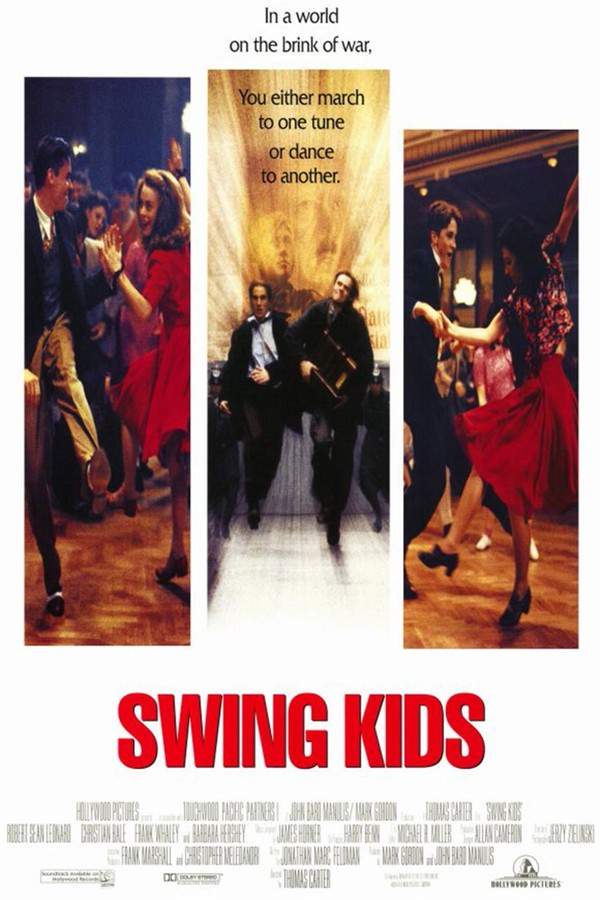
Swing Kids

Swing Kids

Year: 1993

Runtime: 112 min

Language: Korean

Director: Thomas Carter

DramaMusic

During World War II, a group of young people in Nazi Germany find camaraderie and a sense of freedom by embracing swing music and dance. They form a club, the "Swing Kids," defying the strict rules and regulations of the Nazi regime. Their joyful gatherings and rebellious spirit draw the attention of authorities, forcing them to confront the dangers of their unconventional passion and the consequences of challenging the oppressive atmosphere surrounding them.

Warning: spoilers below!

Haven’t seen Swing Kids yet? This summary contains major spoilers. Bookmark the page, watch the movie, and come back for the full breakdown. If you're ready, scroll on and relive the story!

Timeline & Setting – Swing Kids (1993)

Explore the full timeline and setting of Swing Kids (1993). Follow every major event in chronological order and see how the environment shapes the story, characters, and dramatic tension.

Time period

1939

The story unfolds during the late 1930s when the Nazi regime tightens its grip on German society. Propaganda, party loyalty, and the Hitlerjugend encroach on everyday life, especially for youths drawn to jazz and swing. The era’s fear and censorship frame the characters’ choices and consequences.

Location

Hamburg, Germany

Set in Hamburg in 1939, the film centers on a group of teens navigating life under Nazi rule. The city’s public spaces and clubs become pressure points where music, friendship, and ideology clash. The everyday atmosphere blends ordinary youth culture with the looming threat of surveillance and punishment.

🏙️ City 🎶 Swing culture 🛡️ Historical tension

Last Updated: November 22, 2025 at 15:31

Main Characters – Swing Kids (1993)

Meet the key characters of Swing Kids (1993), with detailed profiles, motivations, and roles in the plot. Understand their emotional journeys and what they reveal about the film’s deeper themes.

Peter Müller (Christian Bale)

Peter is a Swing Kid torn between his love of jazz, his friendship with Arvid and Otto, and the demands of a Nazi-leaning society. Initially a reluctant participant in HJ, he tries to balance rebellion with safety. As events unfold, Peter’s moral stance grows as he resists pressure and refuses to betray his friends, culminating in a decisive stand when confronted by his antagonist.

🎭 Conflicted 🛡️ Protective of friends 🎶 Swing culture

Thomas Berger (Robert Sean Leonard)

Thomas is Peter's friend who embraces Nazi ideology, influenced by peer pressure and propaganda. His belief system sharpens conflict, pushing him to spy and advocate for the regime. His relationship with Peter deteriorates as fear and loyalty to the Reich take precedence. By the film’s end, his choices reveal the corrosive power of indoctrination.

🧭 Loyal to the regime 🕵️‍♂️ Suspect 🎯 Conformity

Arvid

Arvid is a jazz musician and Swing Kid who refuses to perform a German song and defends his art. His talent and defiance mark him as a symbol of cultural resistance. After facing threats and pressure, he dies by suicide, reflecting the devastating cost of repression. His passion for music represents the struggle for freedom in a totalitarian state.

🎷 Jazz 🛡️ Courage 💔 Tragedy

Willi Müller

Willi is Peter's younger brother, eager to support his brother's courage. His admiration for Peter’s stance culminates in the film’s finale when he shouts 'Swing Heil!' as a public display of loyalty to swing culture. The moment underscores the generational impact of resistance and the regime’s attempt to squash it.

👦 Family 🗣️ Youth optimism 🕊️ Rebellion

Last Updated: November 22, 2025 at 15:31

Major Themes – Swing Kids (1993)

Explore the central themes of Swing Kids (1993), from psychological, social, and emotional dimensions to philosophical messages. Understand what the film is really saying beneath the surface.

🕯️ Resistance

Amid propaganda and police intimidation, the Swing Kids cling to music, dance, and friendship as acts of defiance. These acts resist conformity and offer a private space where individual identity can survive. The risks are real: surveillance, suspicion, and potential punishment for nonconformity. The film portrays quiet courage in ordinary moments, highlighting resistance as a personal, not grand, act.

🎷 Music as Rebellion

Jazz and swing become symbols of freedom in a society bent to suppress them. The characters use music to connect across lines of class and ideology while confronting the regime. Arvid’s jazz performances serve as a beacon for those who refuse to surrender to Nazi propaganda. Music’s vitality conflicts with authoritarian control, illustrating how culture can challenge power.

👥 Loyalty & Betrayal

Friendships are tested as the state urges spying, loyalty to the regime, and competition for belonging. Peter and Thomas epitomize diverging paths: one clinging to humanity, the other embracing ideological conformity. The pressure to betray friends or family shows the corrosive effect of totalitarianism on trust. The film culminates in divided loyalties and the tragic costs of choosing ideology over kinship.

Last Updated: November 22, 2025 at 15:31

Mobile App Preview

Coming soon on iOS and Android

The Plot Explained Mobile App

From blockbusters to hidden gems — dive into movie stories anytime, anywhere. Save your favorites, discover plots faster, and never miss a twist again.

Sign up to be the first to know when we launch. Your email stays private — always.

Explore Movie Threads

Discover curated groups of movies connected by mood, themes, and story style. Browse collections built around emotion, atmosphere, and narrative focus to easily find films that match what you feel like watching right now.

Movies about youth rebellion like Swing Kids

Young people risking everything to defy an authoritarian system.If you liked the youthful defiance in Swing Kids, explore more movies where teens and young adults challenge authoritarian regimes. These stories capture the intense risks, moral dilemmas, and powerful camaraderie of fighting for freedom from oppressive systems.

rebelliousoppressivetensedesperatedefiantsombermelancholic

Narrative Summary

These narratives typically follow a group of young friends whose shared rebellion provides a temporary escape from a bleak reality. Their acts of defiance escalate from small, personal victories to dangerous confrontations with the authorities, inevitably forcing them to choose between survival, conformity, and the high-stakes consequences of their actions.

Why These Movies?

Movies in this thread are grouped by their core dynamic of youthful idealism clashing with systemic oppression. They share a focus on the emotional weight of lost innocence, the tension of being constantly watched, and the bittersweet nature of rebellion where small victories are often overshadowed by great personal cost.

Movies about art as resistance like Swing Kids

Characters using creativity and culture to resist political oppression.For viewers who appreciated how Swing Kids used swing music to defy the Nazis, this section features similar movies where characters use art to fight back. Discover powerful dramas about the life-affirming, and often perilous, power of creativity under oppressive rule.

defiantsomberdesperatehopefultensemelancholicjoyfuloppressive

Narrative Summary

These stories often begin with the transformative, joyful power of art, creating a stark contrast with a bleak political reality. This joy is threatened as the authorities recognize art's subversive potential, leading to a conflict where the preservation of culture becomes a heroic, high-stakes act of preserving humanity itself.

Why These Movies?

These films are united by their central theme: art is not an escape but a form of rebellion. They share a specific mood where moments of transcendent beauty and freedom are set against a backdrop of constant danger and surveillance, creating a deeply bittersweet and emotionally resonant experience.

Unlock the Full Story of Swing Kids

Don't stop at just watching — explore Swing Kids in full detail. From the complete plot summary and scene-by-scene timeline to character breakdowns, thematic analysis, and a deep dive into the ending — every page helps you truly understand what Swing Kids is all about. Plus, discover what's next after the movie.

Swing Kids Summary

Read a complete plot summary of Swing Kids, including all key story points, character arcs, and turning points. This in-depth recap is ideal for understanding the narrative structure or reviewing what happened in the movie.

Swing Kids Summary

Swing Kids Timeline

Track the full timeline of Swing Kids with every major event arranged chronologically. Perfect for decoding non-linear storytelling, flashbacks, or parallel narratives with a clear scene-by-scene breakdown.

Swing Kids Timeline

Swing Kids Spoiler-Free Summary

Get a quick, spoiler-free overview of Swing Kids that covers the main plot points and key details without revealing any major twists or spoilers. Perfect for those who want to know what to expect before diving in.

Swing Kids Spoiler-Free Summary

More About Swing Kids

Visit What's After the Movie to explore more about Swing Kids: box office results, cast and crew info, production details, post-credit scenes, and external links — all in one place for movie fans and researchers.

More About Swing Kids

Similar Movies to Swing Kids

Discover movies like Swing Kids that share similar genres, themes, and storytelling elements. Whether you’re drawn to the atmosphere, character arcs, or plot structure, these curated recommendations will help you explore more films you’ll love.