









Plot Explained Spoilers guaranteed!
Plot Explained

Browse by genre

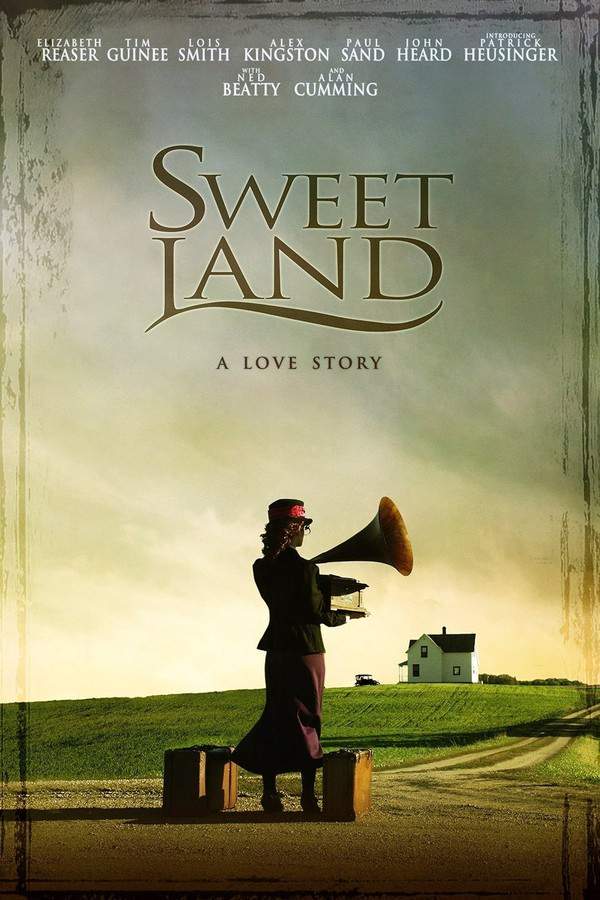
Sweet Land (2006) movie poster

Timeline

Sweet Land (2006) Timeline Explained – Every Event in Order

Release, runtime and language
2006 · 110 min · English
JustWatch #14,810 13
Directed by
Ali Selim
Budget
$1M

A spirited German immigrant, Inge Altenberg, played by Elizabeth Reaser, discovers unexpected love in the picturesque farmlands of rural Minnesota. She’s betrothed to Olaf Torvik (Tim Guinee) in an arranged marriage, and the couple faces considerable challenges as they try to build a life together. Their unconventional union is tested by the expectations of their close-knit community, forcing them to confront prejudice and find strength in their bond.

On this page (6)
  1. 1 Where to watch
  2. 2 Events in order (13)
  3. 3 Timeline questions answered
  4. 4 Movie threads
  5. 5 Movies like Sweet Land
  6. 6 Every angle

Where to watch

Where to Watch Sweet Land (2006)

Where can you watch Sweet Land? Stream, rent or buy it in the US, including on fuboTV, MGM Plus and Philo: current JustWatch availability with up-to-date prices.

Streaming availability powered by JustWatch

13 events in order · contains spoilers

Sweet Land Timeline: Events in Chronological Order

Every key event of Sweet Land (2006) in order, scene by scene, with when and where it takes place. Use it to untangle flashbacks, time jumps and parallel storylines, to refresh your memory before the sequel or to find the exact scene you are thinking of.

  1. Lars Inherits the Family Farm

    In 2004, Lars Torvik is faced with a monumental decision following the death of his grandmother, Inge. He must decide whether to sell the family farm that has been in the family since 1920 or maintain the legacy and connection to his ancestors.

    When
    2004
  2. Reflecting on Inge's Life

    As Lars grapples with his choice, he finds solace in reflecting on his grandmother's life. Through her stories, he seeks guidance and understanding of what the farm truly represents for their family.

  3. Inge Arrives in Minnesota

    In 1920, Inge makes her journey to Minnesota with dreams of marrying Olaf, a young Norwegian farmer. However, her German heritage leads to problems due to her lack of proper immigration papers.

    When
    1920
    Where
    Minnesota
  4. Facing Suspicion

    Upon her arrival, Inge becomes a target of suspicion among the local townsfolk. The stigma of her background results in a ban on her marriage to Olaf, leaving her feeling stranded and isolated.

    Where
    Minnesota
  5. Finding Refuge with Frandsen

    With nowhere else to turn, Inge seeks refuge at the home of Frandsen, Olaf's neighbor, and his wife, Brownie. This opportunity allows her to learn English and adapt to the new culture while cultivating her independence.

  6. Developing a Bond with Olaf

    As the seasons change, Inge and Olaf's relationship blossoms amidst the fields and wide skies. They share deep affection, despite the judgment from the local community and disapproval from the minister.

    Where
    Farm
  7. Choosing to Live Together

    Defying societal norms, Inge and Olaf decide to live together openly. Their choice symbolizes a courageous step against the community's prejudice as they embrace their love for one another.

  8. Frandsen's Farm Crisis

    When Frandsen's farm faces foreclosure, Olaf steps forward to defend their shared community values. His bravery inspires the locals to come together in support of the struggling couple.

  9. Community Acceptance

    The townspeople begin to accept Inge into their lives as they witness Olaf's dedication and the bond between him and Inge. This acceptance marks a significant turning point in the narrative of their love story.

    Where
    Minnesota
  10. A Story of Immigrant Experience

    Throughout the film, *Sweet Land* transcends a simple love story to explore deeper themes of the immigrant experience in America. The narrative evokes empathy and connection to the struggles faced by those seeking a place in a new land.

  11. Cinematic Representation

    The film, adapted from Will Weaver's short story, is noted for its stunning cinematography by David Tumblety, which captures the golden vistas of Southern Minnesota. It transforms the landscape into a heartfelt symbol of memory, family, and cultural heritage.

    Where
    Southern Minnesota
  12. Recognition at Film Festivals

    In 2005, *Sweet Land* received the Audience Award for Best Narrative Feature at the Hamptons International Film Festival. This accolade highlighted its resonance with audiences and its timeless exploration of love and self-discovery.

    When
    2005
    Where
    Hamptons International Film Festival
  13. Legacy of the Film

    The narrative of *Sweet Land* serves as a testament to the independent film movement. Its blend of exquisite visuals, strong performances, and culturally rich storytelling continues to resonate with viewers and critics alike.

Last updated: November 07, 2024 at 23:15

Was this helpful?

Timeline questions answered

Sweet Land Timeline Explained: Your Questions Answered

When does it happen, and why in that order? The questions people ask about the chronology of Sweet Land (2006): time jumps, flashbacks, cause and effect between scenes and the correct order of events, each answered with spoilers.

Q1

Why was Inge banned from marrying Olaf?

Inge was banned from marrying Olaf because she was German and lacked proper immigration documentation. In 1920, post-WWI America had strong anti-German sentiment, and the local community viewed her German heritage with suspicion. Without valid immigration papers, the town authorities refused to approve their marriage.

  • immigration papers
  • german heritage
  • marriage ban
  • 1920 minnesota
Q2

Why did the Minnesota community oppose Inge and Olaf's marriage?

The community opposed the marriage primarily due to Inge's German background during a time of intense post-WWI anti-German sentiment in America. Additionally, Inge lacked proper immigration documentation, which made her legally questionable and socially unacceptable to the close-knit Norwegian immigrant community.

  • xenophobia
  • prejudice
  • community opposition
  • german heritage
  • norwegian immigrants
Q3

How did Inge and Olaf end up together despite the marriage ban?

After being banned from marrying, Inge stayed with neighbors Frandsen and Brownie while Olaf continued working his farm. Over time, as seasons passed, they developed a deep emotional bond despite the community's judgment. Eventually, they decided to live together openly, defying the ban and the minister's disapproval, choosing love over societal acceptance.

Foreshadowing: The timeline notes their relationship blossomed "as the seasons changed" before they took this step.

  • living together
  • defying community
  • love story
  • olaf inge relationship
Q4

What changed the community's mind about Inge?

The turning point came when Frandsen's farm faced foreclosure and Olaf stood up to defend him, showing the community's values of mutual support. This act of loyalty and courage inspired the townspeople to reconsider their prejudice. Witnessing Olaf's dedication and the genuine love between him and Inge led the community to gradually accept her.

  • community acceptance
  • foreclosure
  • frandsen
  • olaf loyalty
Q5

What was Frandsen's role in the story?

Frandsen was Olaf's neighbor who, along with his wife Brownie, took in Inge when she was stranded and alone after being banned from marrying Olaf. During the story, Frandsen's farm faces foreclosure, which becomes a pivotal moment where Olaf defends him. This act unites the community and leads to their acceptance of Inge.

  • frandsen
  • brownie
  • neighbors
  • foreclosure
  • supporting characters
Q6

How does the 2004 frame story connect to Inge's past?

The 2004 storyline follows Lars Torvik, Inge's grandson, who inherits the family farm after her death. Searching for guidance on whether to sell the land, he reflects on her life story. This framing device provides emotional resonance, showing how Inge's legacy of love and perseverance shaped the family for generations.

  • lars torvik
  • grandson
  • inheritance
  • frame narrative
  • 2004
Q7

Why was Inge's German heritage a problem in 1920?

In 1920, America was still deeply affected by World War I, and German immigrants faced significant prejudice and suspicion. The war had ended just two years earlier, and anti-German sentiment was high across the country. This historical context made Inge's German background particularly controversial in the Norwegian-dominated Minnesota community.

  • world war 1
  • german prejudice
  • 1920 america
  • anti german sentiment
Q8

What did Inge learn while living with Frandsen and Brownie?

While staying with Frandsen and Brownie, Inge learned English and adapted to American culture. This period of living with the neighbors allowed her to cultivate independence and become more self-sufficient, ultimately strengthening her character before she and Olaf committed to building a life together.

  • learning english
  • cultural adaptation
  • independence
  • brownie
Q9

Why did Olaf choose to defy the community for Inge?

Olaf chose to defy the community because he genuinely fell in love with Inge despite the societal pressure. The summary describes how they developed "deep affection" for each other amidst the farmland. His willingness to live with her openly demonstrated that their bond was stronger than the community's prejudice.

  • olaf motivation
  • love over prejudice
  • courage
  • defying community
Q10

What happened to Inge and Olaf in the end?

In the end, Inge and Olaf were accepted by the community after Olaf defended Frandsen during the foreclosure crisis. The townspeople witnessed their commitment and gradually embraced Inge. The film concludes with Inge becoming a valued member of the community, and their love story becoming a family legacy that Lars reflects on in 2004.

  • ending
  • legacy
  • family
  • happily ever after

Movie threads

More Movies Like Sweet Land, by Mood & Story

Curated lists built around what makes Sweet Land tick: the same mood, the same kind of story or the same emotional payoff. Each list explains why these movies belong together.

Movies about forbidden love in rural settings like Sweet Land

Romantic tales of unlikely couples finding love while defying rigid community expectations. If you enjoyed the gentle defiance and tender romance of Sweet Land, explore more movies like it. These films feature couples facing societal prejudice, set against pastoral backdrops, and center on themes of heritage, community, and the quiet triumph of an unconventional bond.

  • forbidden romance
  • pastoral
  • community drama
  • heartwarming
  • nostalgic
  • hopeful
  • Tone: hopeful, tender, nostalgic
  • Pacing: slow, contemplative
Why these movies?

The story pattern: The narrative often involves an external couple, such as immigrants or outsiders, entering a close-knit, traditional community. Their relationship challenges deeply held norms, creating central conflict not through high drama but through sustained social pressure. The story arc is one of gradual acceptance, earned through perseverance and the proving of character, leading to a heartwarming resolution.

Why they belong together: Movies are grouped here for their shared focus on love that defies social conventions, their pastoral and nostalgic settings that provide both beauty and a sense of isolation, and their gentle but firm exploration of prejudice. They share a hopeful tone and a belief in the power of quiet resilience.
Slow-burn historical immigrant dramas similar to Sweet Land

Character-driven period dramas about individuals forging a new life in a foreign land. For viewers who appreciated the immigrant narrative and historical setting of Sweet Land, this collection features similar character-driven dramas. Discover movies about adapting to a new world, facing isolation and prejudice, and the slow, heartfelt process of building a home and identity in a foreign land.

  • immigrant story
  • historical drama
  • slow burn
  • contemplative
  • self-discovery
  • nostalgic
  • Tone: hopeful, contemplative, tender
  • Pacing: slow, deliberate
Why these movies?

The story pattern: The narrative pattern centers on a protagonist or couple arriving in a new country or community. The conflict arises from cultural clashes, language barriers, and xenophobia. The plot is less about major events and more about the accumulation of small moments—trials, small victories, and connections—that chart a gradual path from isolation toward belonging and self-realization.

Why they belong together: These films are united by their historical settings, their focus on the nuanced immigrant experience, and their slow, contemplative pacing that allows for deep character development. They share a medium emotional weight, balancing the seriousness of their themes with a fundamentally hopeful and humanistic perspective.

If you liked this

Movies Like Sweet Land

Similar movies to Sweet Land: the same genre, themes or kind of story. Each one comes with its own plot summary, timeline and ending explained.

Browse all movie summaries

Every angle

Sweet Land (2006) Explained: Plot, Timeline & Characters

Everything about Sweet Land in one place: what happens in the plot summary, the timeline in chronological order, the characters and meaning and a spoiler-free summary. What's After the Movie adds the cast, box office and post-credit scenes.

Coming soon on iOS and Android

The Plot Explained Movie Summary App

Plot summaries, endings explained and timelines on your phone. Catch up on any movie in minutes, save your favorites and never miss a twist again.

Be the first to know when we launch. Your email stays private, always.

Learn more about the app