The film centers on two couples living in a close-knit village on the Great Steppe of Kazakhstan: Ivan and his wife Maria, and Asan and his wife. Their days flow with the rhythms of rural life, built on trust, shared chores, and the slow, quiet cadence of village camaraderie that binds them together.
A sudden, unsettling twist tests that bond when Maria gives birth to a baby boy with a dark complexion. Ivan’s gaze hardens with suspicion, and whispers begin to circle, hinting at an affair with [Asan], since the two men share a similar skin tone. The doubt casts a long shadow over the families, driving a rift that fells like a fault line and endures for fifteen years, reshaping loyalties and futures in ways no one could have anticipated.
As the years pass, the story follows the young son of Ivan who abandons school to wander the steppe on his horse. He runs into trouble with Kyrgyz horse riders over cattle theft, a clash that tests his nerve and his sense of belonging in a borderland where lineage often dictates respect and fate. His brother-in-law, a Cossack, lashes out with sharp words and blows for what he calls a lack of knowledge about one’s genealogy, underscoring how memory and ancestry drive personal destiny.
Meanwhile, Ivan, feeling rootless, seeks answers by reconnecting with his grandfather, who unveils a multinational background weaving through generations. The revelation reframes who they are and where they come from, hinting at a broader history beyond the village’s borders and offering a new lens through which to view the old conflict.
On a parallel thread, Asan is also navigating his own journey of identity. He sits on the steppe, contemplating his place in the world while dreaming of a "woman of the southern seas" who might offer him lasting peace, an imagined solace that mirrors the longing for reconciliation between the families.
The tension re-emerges when Asan’s wife becomes pregnant and gives birth to a child with a ginger-colored complexion, mirroring Ivan’s child's hue and tightening the eerily similar fates of the two households. These coincidences become a quiet reminder that skin color, heritage, and kinship carry weight in a landscape where borders are porous and memories run deep.
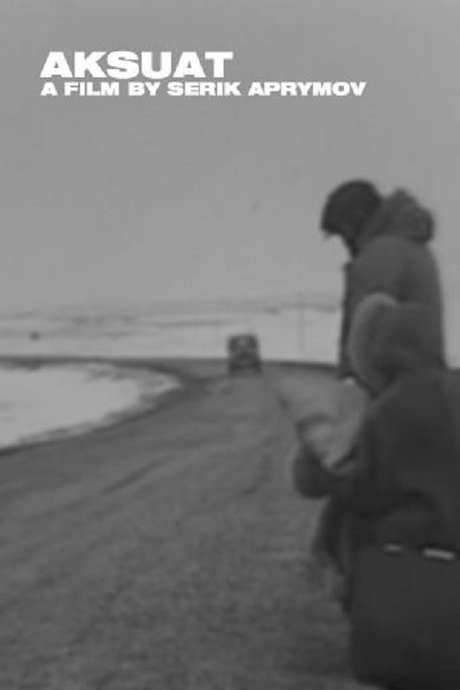
All of these strands unfold against the lakeside vastness near Lake Issyk-kul in Kyrgyzstan, a setting that anchors the drama in a place where water and stone seem to outlast human feuds. The film uses the scenery to explore themes of belonging, memory, and the stubborn endurance of family ties that persist even as lives diverge and converge across generations.