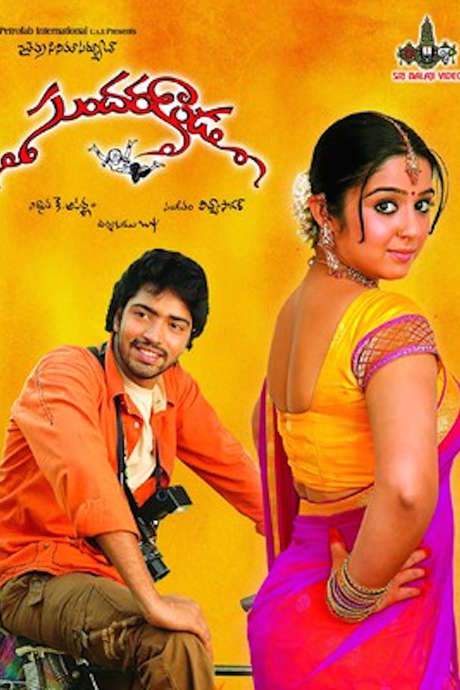
Heartwarming family reconciliation stories like Sundarakanda
Stories where a new generation resolves painful conflicts from the past. If you liked Sundarakanda for its story of a daughter healing her parents' rift, you'll enjoy these movies about reconciliation. This collection features hopeful dramas where new generations mend old family wounds.
- heartwarming
- uplifting
- melodramatic
- tense
- nostalgic
- emotional
- Tone: hopeful, melodramatic
- Pacing: steady, character-driven
Why these movies?
The story pattern: These narratives typically begin with a long-standing family conflict, often rooted in miscommunication or manipulation. A pivotal character, usually from a younger generation, enters the scene and uncovers the truth. Their determined efforts to expose the past and facilitate forgiveness drive the plot forward, leading to emotional confrontations and a final, healing reunion.
Why they belong together: Movies in this thread share a core theme of healing intergenerational trauma through hope and determination. They blend medium emotional weight with a steady pace, creating a balanced experience that is both dramatically engaging and ultimately uplifting.













Q12
How does the movie address social class differences?
The movie highlights the social divide between a poor commoner (Sita) marrying into a wealthy zamindar family. The contrast between the tribal village and feudal palace emphasizes this gap. The narrative explores how social expectations and family honor create barriers, ultimately showing that love and family bonds can transcend these class differences.