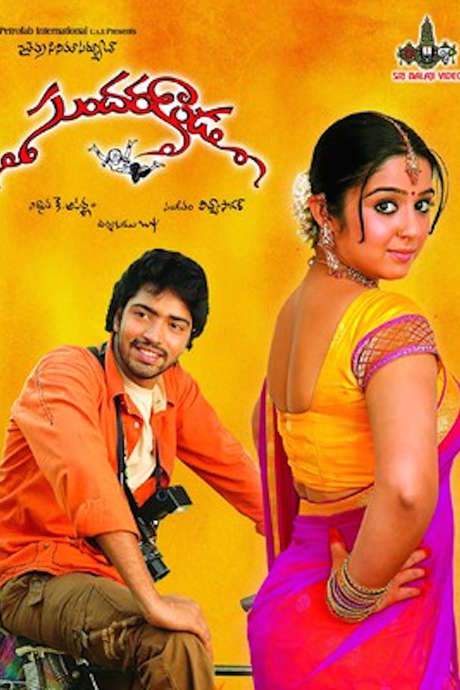
Year: 2008
Runtime: More mins
Language: English
Director: Bapu
A wealthy zamindar falls in love with a poor girl and marries her, but his family manipulates the situation, persuading the bride to leave and falsely accusing her of stealing the family’s jewels. Eighteen years later, their daughter Pinky returns, determined to reunite her estranged parents and heal old wounds.
Warning: spoilers below!
Haven’t seen Sundarakanda yet? This summary contains major spoilers. Bookmark the page, watch the movie, and come back for the full breakdown. If you're ready, scroll on and relive the story!
Read the complete plot breakdown of Sundarakanda (2008), including all key story events, major twists, and the ending explained in detail. Discover what really happened, and what it all means.
Pinky [Charmy Kaur] is the lively daughter of Sita [Prema], a woman who keeps away from her husband. On Pinky’s insistence, Sita reluctantly shares the past: she met Raja Ravivarma [Sunil Sharma], the son of Zamindar Surendra Varma, during a study tour of a tribal village, and their instant connection sparked a marriage that stunned a feudal family. Ravivarma’s mother Bharati [Sangeetha Krish] pleads with Sita to leave the palace to shield the family’s honor. After Sita departs, Bhushanam raises a loud accusation that Sita stole gold ornaments from the palace, a claim that taints her in the eyes of even the man she loves, forcing her to withdraw from that life.
Now the story follows Pinky as she fights to reunite her parents. She’s a spirited girl who tries to make inroads with her father’s family while navigating a web of political vanity and personal loyalties. Pretending to be dispatched by party bosses to select a ministerial candidate, she dives into a political masquerade with the help of Naresh [Allari Naresh], a journalist who brings a sharp eye to the happenings around her. Her father’s opponent Kota [Kota Srinivasa Rao], an ambitious figure eyeing the Chief Minister post, and his companions provide the comic beats and satirical edge that color the narrative with wit and social commentary. Through a mix of misdirection, bold schemes, and well-timed reveals, Pinky manages to draw the family back together and expose those who would keep them apart.
The film blends musical moments with lyrics that echo tribal idioms, giving the narrative a distinctive rhythm and texture. The visuals capture both the rustic outdoors and the opulent interiors of a feudal gentry, underscoring the clash between tradition and ambition. The director Bapu’s sensibility threads through these choices, giving the movie a cohesive style that emphasizes warmth, humor, and a touch of social satire. Overall, it’s a story about resilience, family bonds, and the power of a spirited protagonist to heal old wounds, all set against a backdrop that feels both earthy and lavish, with performances that highlight the human emotions at the center of this quirky, heartfelt drama.
Last updated: February 17, 2026 at 19:57
Explore frequently asked questions about Sundarakanda (2008) with spoiler-rich answers covering the full plot summary, major story beats, character motivations, hidden details, and ending meaning. This movie summary FAQ helps explain confusing scenes, plot twists, and narrative decisions in clear, searchable detail.
Surendra Varma suffered a complete shock and emotional breakdown upon learning his son Raja Ravivarma had married a poor commoner. The Zamindar's body responded to this devastating news by losing sensation in his legs, rendering him immobile. This extreme psychological response reflects the profound social stigma he felt against the union, and his paralysis becomes a lasting consequence that deepens the family conflict.
Ravivarma's mother Bharati pleaded with Sita to leave because she believed it was the only way to preserve the family's honor and restore peace in the household. Though she presented this as protecting Sita, the real pressure came from the family's rigid social hierarchy and Surendra Varma's violent reaction to the marriage. Bharati's request was a calculated decision to prioritize family reputation over Sita's happiness, though it ultimately drove Sita away and created a lasting rift.
Earlier in the timeline, Surendra Varma's extreme reaction sets the social context that forces Bharati's hand.
Bhushanam, Surendra Varma's brother-in-law, raised the false accusation that Sita stole gold ornaments from the palace. His motive was to further discredit Sita and ensure she could never return to claim her place in the family. The accusation succeeded in tainting Sita's reputation even in the eyes of Ravivarma, effectively trapping her in exile and preventing any possibility of reconciliation.
Pinky pretended to be dispatched by party bosses to select a ministerial candidate, using this cover to navigate political circles and get close to her father's world. With journalist Naresh's help, she staged a political charade that drew attention to the injustices against her mother. This clever approach allowed her to expose the villains and create the conditions for reconciliation without openly revealing her true identity or motives.
Pinky had already resolved to reunite her parents and began making inroads with her father's family through this deception.
Sita remained away because she believed she had been rejected by Ravivarma after the false theft accusation. When Bhushanam claimed she stole the gold ornaments, even Ravivarma's trust in her was shaken, leaving her with no choice but to withdraw from that life. Additionally, Bharati's earlier plea had created unbearable pressure, making Sita feel she had no place in the palace anymore.
After Sita left, Bhushanam's accusation compounded her discredit in the eyes of everyone, including Ravivarma.
Kota Srinivasa Rao serves as an ambitious political figure who opposes Pinky's father's political comeback, aiming for the Chief Minister post himself. His character provides comic relief and satirical commentary on feudal politics. While he opposes Pinky's father's return to power, his subplot ultimately gets woven into Pinky's larger scheme to bring the family together and expose those who kept them apart.
Naresh, a journalist, brought a sharp investigative eye to Pinky's schemes and provided crucial media support. His involvement allowed them to stage the political charade credibility and helped uncover the truth behind the palace feuds. Through his reporting and connections, Naresh amplified the reach of Pinky's revelations, making it harder for the villains to suppress the truth.
Pinky combined deception with well-timed reveals through her political masquerade. As her scheme drew attention to the family history, evidence of the manipulation and false accusations began surfacing. The blend of her bold approach and Naresh's reporting fractured the barriers between Sita and Ravivarma, eventually bringing the truth to light and exposing those responsible for the family's long separation.
Pinky had been secretly trying to win over her father's family while pursuing this political charade.
Ravivarma's failure to fight for Sita stemmed from the devastating combination of his father's paralysis, family pressure, and the false theft accusation that reached even him. When Bhushanam claimed Sita stole the gold ornaments, it created doubt in Ravivarma's mind about his wife's integrity. The overwhelming social and family pressure, combined with this sudden discredit, left him unable to mount an effective defense of their marriage.
The false accusation compounds Sita's discredit in the eyes of everyone at court, including Ravivarma himself.
Pinky succeeded because she took an active, strategic approach rather than accepting被动 acceptance. Unlike her mother who left when asked and bore the false accusation in silence, Pinky fought back through clever schemes and political manipulation. Her spirited personality and refusal to accept the status quo allowed her to uncover the truth, expose the villains, and force the reconciliation that Sita's passive approach could never achieve.
Pinky is described as a spirited girl who tries to make inroads with her father's family despite obstacles.
Discover curated groups of movies connected by mood, themes, and story style. Browse collections built around emotion, atmosphere, and narrative focus to easily find films that match what you feel like watching right now.
Stories where a new generation resolves painful conflicts from the past.If you liked Sundarakanda for its story of a daughter healing her parents' rift, you'll enjoy these movies about reconciliation. This collection features hopeful dramas where new generations mend old family wounds.
These narratives typically begin with a long-standing family conflict, often rooted in miscommunication or manipulation. A pivotal character, usually from a younger generation, enters the scene and uncovers the truth. Their determined efforts to expose the past and facilitate forgiveness drive the plot forward, leading to emotional confrontations and a final, healing reunion.
Movies in this thread share a core theme of healing intergenerational trauma through hope and determination. They blend medium emotional weight with a steady pace, creating a balanced experience that is both dramatically engaging and ultimately uplifting.
Emotional family sagas balanced by witty characters and an optimistic energy.Looking for movies like Sundarakanda? This list features classic melodramas with a lively energy, blending tense family conflicts with hopeful resolutions and charismatic characters that lighten the mood.
The narrative follows a straightforward arc where a central injustice or misunderstanding creates long-lasting consequences. The plot is driven by characters who are determined to right a wrong, often employing clever or charming tactics. The pacing is steady, carefully balancing dramatic revelations with lighter, more humorous moments to maintain an overall hopeful and lively atmosphere.
These films are grouped by their unique ability to tackle heavy dramatic themes without losing a sense of optimism and energy. They share a medium intensity and a steady pace, making them accessible and engaging for viewers who enjoy emotionally rich stories that don't wallow in despair.
Don't stop at just watching - explore Sundarakanda in full detail. From the complete plot summary and scene-by-scene timeline to character breakdowns, thematic analysis, and a deep dive into the ending - every page helps you truly understand what Sundarakanda is all about. Plus, discover what's next after the movie.
Track the full timeline of Sundarakanda with every major event arranged chronologically. Perfect for decoding non-linear storytelling, flashbacks, or parallel narratives with a clear scene-by-scene breakdown.
Discover the characters, locations, and core themes that shape Sundarakanda. Get insights into symbolic elements, setting significance, and deeper narrative meaning - ideal for thematic analysis and movie breakdowns.