














Plot Explained Spoilers guaranteed!
Plot Explained

Browse by genre

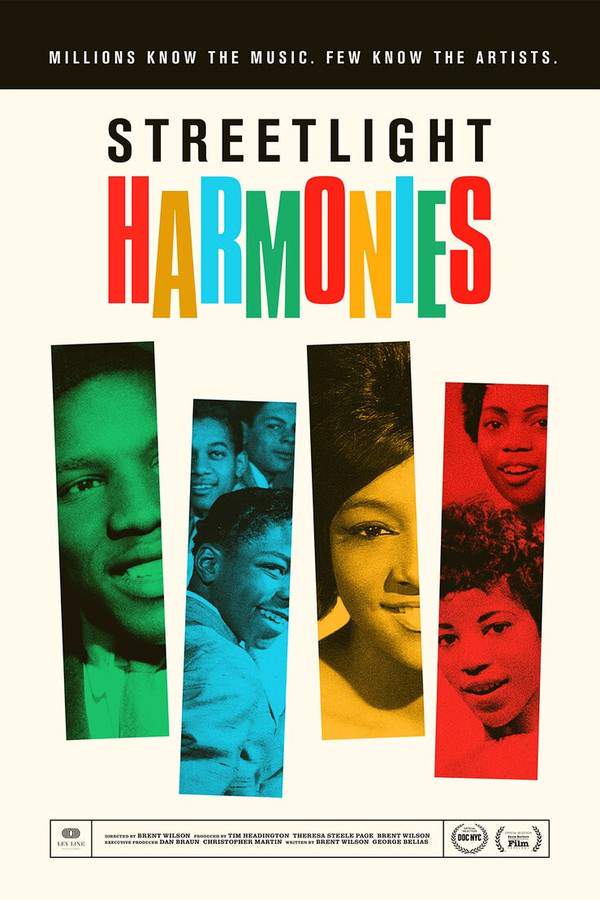
Streetlight Harmonies (2020) movie poster

Timeline

Streetlight Harmonies (2020) Timeline Explained – Every Event in Order

Release, runtime and language
2020 · 83 min · English
JustWatch #17,646 4
Directed by
Brent Wilson
Starring
Jerry Blavat, Brian Wilson, Al Jardine, Billy Brown, Brian McKnight, Brooks Arthur

Streetlight Harmonies explores the history and enduring appeal of Doo-Wop music. The documentary examines its roots and highlights the influential artists who defined a generation's musical landscape. Featuring captivating stories and vibrant performances, it celebrates the genre's lasting legacy and the passion of those who keep its traditions alive.

On this page (5)
  1. 1 Where to watch
  2. 2 Events in order (11)
  3. 3 Timeline questions answered
  4. 4 Movie threads
  5. 5 Every angle

Where to watch

Where to Watch Streetlight Harmonies (2020)

Where can you watch Streetlight Harmonies? Stream, rent or buy it in the US, including on Amazon Prime Video, Hoopla and Kanopy: current JustWatch availability with up-to-date prices.

Streaming availability powered by JustWatch

11 events in order · contains spoilers

Streetlight Harmonies Timeline: Events in Chronological Order

Every key event of Streetlight Harmonies (2020) in order, scene by scene, with when and where it takes place. Use it to untangle flashbacks, time jumps and parallel storylines, to refresh your memory before the sequel or to find the exact scene you are thinking of.

  1. Introduction to Doo-Wop

    The documentary *Streetlight Harmonies* begins with an exploration of the Doo-Wop genre, introducing its signature sound characterized by falsetto leads, lilting harmonies, and deep backing vocals. This segment sets the stage for understanding the cultural impact and musical innovation of this unique style.

  2. Classic Hits Showcased

    The film showcases timeless classics such as 'Up On The Roof' by The Drifters and 'Tears On My Pillow' by Little Anthony & The Imperials. These songs epitomize the Doo-Wop sound and evoke nostalgia for the innocence of an entire generation.

  3. Evolution of a Music Genre

    Throughout the documentary, the evolution of Doo-Wop is highlighted, emphasizing its transition from street corner harmonies to chart-topping tracks. The film illustrates how these musicians not only shaped a genre but also influenced the rise of rock and roll and rhythm and blues.

  4. Showcasing Iconic Musicians

    Featured artists like Al Jardine and Brian Wilson from the Beach Boys share their experiences and connection to Doo-Wop. Their insights help underscore the genre's influence on future music and its artists.

  5. Interviews with Legends

    In-depth interviews with legends such as Charlie Thomas of The Drifters and Sammy Strain of the Imperials provide personal narratives about their contributions to Doo-Wop. These interviews reveal the challenges and triumphs faced by these pioneers in the music industry.

  6. Connection to Civil Rights

    The documentary explores the significant role of Doo-Wop in the civil rights movement, showcasing how the music resonated with the struggles and aspirations of the time. Through this lens, the film illustrates the genre as a voice for change, reflecting societal issues in a melodious form.

  7. Cultural Impact Assessment

    As *Streetlight Harmonies* progresses, it assesses the pervasive cultural impact of Doo-Wop, noting how its melodies continue to resonate in contemporary music. The film emphasizes that while many recognize these songs, few understand the stories behind them.

  8. Tribute to Forgotten Artists

    The documentary pays tribute to many forgotten artists who laid the groundwork for the Doo-Wop genre. It highlights their contributions and celebrates the sounds that have been overshadowed over time by more commercial genres.

  9. The Jukebox of Melodies

    The film offers an engaging visualization of a jukebox filled with melodies, representing the vast array of songs and harmonies that defined the Doo-Wop era. This metaphor underscores how these tunes evoke memories and emotions connected to love and longing.

  10. Modern Connections

    Contributions from contemporary artists like Brian McKnight, Lance Bass, and Freda Payne bridge the past with the present, illustrating how the Doo-Wop legacy influences today's music. Their perspectives reveal a continued appreciation for the sound and style birthed from this genre.

  11. Legacy and Recognition

    The documentary concludes by recognizing the lasting legacy of Doo-Wop music in American culture. It serves not only as a nostalgic reminder of a bygone era but also as an essential piece of history that shaped the musical landscape we know today.

Last updated: November 07, 2024 at 22:46

Was this helpful?

Timeline questions answered

Streetlight Harmonies Timeline Explained: Your Questions Answered

When does it happen, and why in that order? The questions people ask about the chronology of Streetlight Harmonies (2020): time jumps, flashbacks, cause and effect between scenes and the correct order of events, each answered with spoilers.

Q1

What is Doo-Wop music?

Doo-Wop is a style of vocal rhythm and blues music that originated in African American communities in the 1940s and 1950s. It features falsetto lead vocals, lilting harmonies, and deep backing vocals, typically performed by small groups on street corners. The genre is known for its innocent, nostalgic sound and songs like 'Tears On My Pillow' and 'Why Do Fools Fall in Love'.

  • doo-wop
  • vocal harmony
  • rhythm and blues
  • falsetto
  • street corner music
Q2

Why is Doo-Wop important to American music history?

Doo-Wop laid the groundwork for rock and roll, rhythm and blues, and ultimately influenced virtually all modern popular music. The genre emerged from street corner performances in urban communities and helped bridge racial divides in music during a segregated era. Many of the biggest names in later rock and soul music drew heavily from Doo-Wop traditions.

  • doo-wop history
  • american music
  • rock and roll origins
  • r&b origins
  • music evolution
Q3

How did Doo-Wop influence rock and roll?

Doo-Wop directly shaped rock and roll through its harmonic structures, vocal techniques, and emotional approach to songwriting. Artists like the Beach Boys (including Al Jardine and Brian Wilson, who appear in the documentary) cited Doo-Wop as a major influence on their sound. The genre's emphasis on group vocals and catchy melodies became foundational to rock and roll.

  • rock and roll
  • doo-wop influence
  • beach boys
  • vocal groups
  • music evolution
Q4

What is the connection between Doo-Wop and the civil rights movement?

Doo-Wop emerged during the civil rights era and became a voice for change, reflecting the struggles and aspirations of Black Americans. The music resonated with the social issues of the time, and the success of Doo-Wop artists helped break down racial barriers in the music industry, paving the way for broader integration of Black musicians into mainstream American culture.

  • civil rights
  • african american music
  • social impact
  • music and society
  • racial integration
Q5

Who were the most influential Doo-Wop artists featured in the documentary?

The documentary features legendary artists including Little Anthony & The Imperials, The Drifters, and The Teenagers. Key figures interviewed include Charlie Thomas of The Drifters, Sammy Strain of The Imperials and O'Jays, Terry Johnson of The Flamingos, and Jimmy Merchant of The Teenagers. Contemporary artists like Brian McKnight, Lance Bass, and Freda Payne also contribute.

  • little anthony
  • the imperials
  • the drifters
  • the teenagers
  • charlie thomas
  • sammy strain
Q6

Why did Doo-Wop emerge in urban communities?

Doo-Wop developed in urban neighborhoods, particularly in New York, Philadelphia, and Chicago, because these areas had concentrated African American communities where music was a central form of entertainment and expression. Street corners provided free venues for rehearsal and performance, and the vocal group format allowed musicians to collaborate without needing expensive instruments.

  • urban music
  • street corner performances
  • new york doo-wop
  • philadelphia doo-wop
  • vocal groups
Q7

What makes Doo-Wop harmonies unique?

Doo-Wop harmonies are distinguished by their use of falsetto leads, which a high, ethereal create vocal sound, combined with deep bass backing vocals that provide a rich foundation. The harmonies were often built spontaneously on street corners, creating a distinctive organic quality. This combination of high and low vocal registers became the signature sound of the genre.

  • vocal harmony
  • falsetto
  • bass vocals
  • doo-wop sound
  • group singing
Q8

How does Doo-Wop continue to influence modern music?

Doo-Wop's influence persists in contemporary pop, R&B, and hip-hop through its vocal techniques and harmonic approaches. Many modern artists sample Doo-Wop classics or incorporate similar group vocal arrangements. The genre's emotional straightforwardness and catchy melodies continue to resonate in today's music, as evidenced by artists like Brian McKnight and Lance Bass who contribute to the documentary.

  • modern music
  • doo-wop legacy
  • pop music
  • r&b influence
  • contemporary artists
Q9

Why is Streetlight Harmonies worth watching?

Streetlight Harmonies offers more than just music, it reveals the human stories behind the artists who created a revolutionary sound. The documentary combines vintage performances with fresh interviews, showing how Doo-Wop shaped not only music but also contributed to the civil rights movement. It celebrates forgotten pioneers while educating viewers about a vital piece of American cultural history.

  • documentary
  • doo-wop documentary
  • music history
  • behind the music
  • artist stories

Movie threads

More Movies Like Streetlight Harmonies, by Mood & Story

Curated lists built around what makes Streetlight Harmonies tick: the same mood, the same kind of story or the same emotional payoff. Each list explains why these movies belong together.

Nostalgic Artistic Legacy Journeys like Streetlight Harmonies

Celebratory documentaries that explore the history and passion behind beloved art forms. If you enjoyed the celebratory and nostalgic journey of Streetlight Harmonies, you'll appreciate these documentaries that lovingly explore the history of music, art, and culture. Discover movies that honor artistic pioneers and the timeless legacies they left behind.

  • nostalgic
  • uplifting
  • celebratory
  • reverent
  • passionate
  • educational
  • Tone: hopeful, reverent, celebratory
  • Pacing: steady, educational
Why these movies?

The story pattern: These documentaries typically follow a linear, chronological path, tracing the rise of an art form from its humble beginnings to its peak influence. They weave together archival footage, interviews with creators and experts, and captivating performances to build a cohesive and appreciative narrative.

Why they belong together: Movies are grouped here for their shared focus on celebrating cultural history with a positive, hopeful outlook. They share a steady pacing, straightforward presentation, and a light emotional weight that makes the learning experience feel like a passionate tribute rather than a dry lecture.
Uplifting Cultural Heritage Stories like Streetlight Harmonies

Heartwarming stories that honor traditions and the communities that keep them alive. For viewers who loved the hopeful celebration of Doo-Wop in Streetlight Harmonies, this collection features movies with a similar lighthearted and passionate spirit. Find films that explore American culture, social history, and the joyful preservation of artistic traditions.

  • uplifting
  • wistful
  • community
  • passionate
  • heartfelt
  • cultural
  • Tone: hopeful, wistful, passionate
  • Pacing: steady, accessible
Why these movies?

The story pattern: The narrative often centers on a community or group of individuals dedicated to maintaining a cultural practice. The conflict is minimal, focusing instead on the joy of remembrance, the power of music to unite, and the satisfaction of passing a legacy to a new generation, leading to a happy and fulfilling conclusion.

Why they belong together: These films are connected by their light, hopeful vibe and their focus on the positive aspects of cultural heritage. They avoid heavy conflict or trauma, opting instead for a steady, accessible pace that feels like a warm, communal celebration.

Every angle

Streetlight Harmonies (2020) Explained: Plot, Timeline & Characters

Everything about Streetlight Harmonies in one place: what happens in the plot summary, the timeline in chronological order, the characters and meaning and a spoiler-free summary. What's After the Movie adds the cast, box office and post-credit scenes.

Coming soon on iOS and Android

The Plot Explained Movie Summary App

Plot summaries, endings explained and timelines on your phone. Catch up on any movie in minutes, save your favorites and never miss a twist again.

Be the first to know when we launch. Your email stays private, always.

Learn more about the app