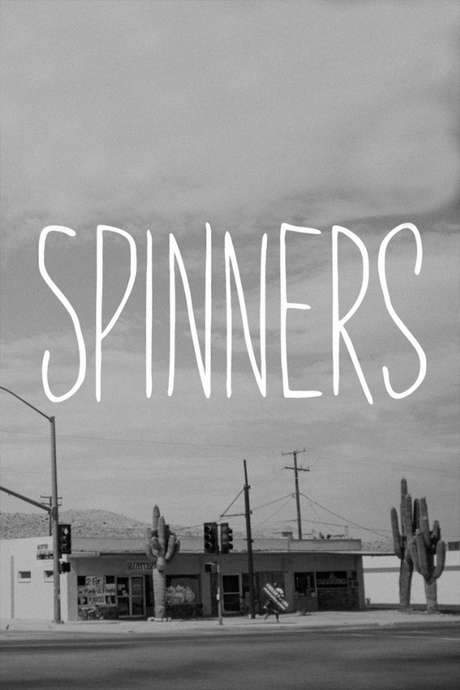
Spinners
Year: 2014
Runtime: 13 mins
Language: English
In a struggling desert town hit hard by economic recession, two teenagers, Jace and Derek, work as sign spinners to make ends meet. Faced with harassment from local bullies, Jace makes a series of regrettable choices that lead to trouble. Their situation takes a turn when a compassionate single mother, living precariously out of her car, offers them unexpected support and guidance.
Warning: spoilers below!
Haven’t seen Spinners yet? This summary contains major spoilers. Bookmark the page, watch the movie, and come back for the full breakdown. If you're ready, scroll on and relive the story!
Spinners (2014) – Full Plot Summary & Ending Explained
Read the complete plot breakdown of Spinners (2014), including all key story events, major twists, and the ending explained in detail. Discover what really happened, and what it all means.
The film opens with a compelling narration about the extraordinary power of music, suggesting that some melodies are so intense they can summon spirits from both the past and the future. However, it also warns of the darker side, where such power can attract malevolent forces. The story is set in Clarksdale, Mississippi, in October 1932, and follows a series of intense and supernatural events centered around music, race, and the supernatural.
The narrative begins with Sammie Moore, played by Miles Caton, arriving at a church visibly battered, with claw marks on his face, clutching a broken guitar neck. Inside, his father, the pastor Jedediah, portrayed by Saul Williams, urges him to abandon music and seek repentance for his sins. Sammie’s desperate attachment to his instrument hints at deep personal struggles and a desire to connect through music, despite these warnings.
The story then shifts to the previous day, where twin brothers [Elijah and Elias Moore], known as Smoke and Stack and played respectively by Michael B. Jordan, return from Chicago to their hometown. The twins have stolen money from gangsters—likely linked to Al Capone—and purchase an old sawmill from Hogwood, a former Klan supporter, planning to transform it into a vibrant juke joint visible as a beacon for the Black community. The brothers are determined to create a space filled with music and life, but their preparations involve confrontations with local troublemakers, such as when Smoke shoots two men attempting to rob his truck, exemplifying his tough reputation.
Smoke enlists the help of old friends including Grace and Bo Chow, who assist with signage and supplies for the grand opening. Concurrently, Stack recruits Sammie to perform at the opening, recognizing his raw talent, and also reaches out to [Cornbread], played by Omar Miller, to secure security for the event. Their efforts culminate at the juke joint’s grand opening, which draws a large crowd eager for music and celebration.
On the night of the opening, Smoke introduces Sammie to the audience with a soulful performance that not only entertains but conjures spirits from across different eras and cultures, symbolically showing how powerful music can be in connecting to ancestral spirits. The joint begins to burn as a visual representation of the intense energy, but the celebration catches the attention of sinister supernatural entities—vampires—posing as musicians, led by the mysterious Irish vampire [Remmick], played by Jack O’Connell.
These vampires, including [Bert and Joan], turn out to be dangerous predators. During a tense confrontation, Mary, a childhood friend of Smoke and Stack and a former love interest of Stack, observes the vampires’ threatening presence and senses something is wrong when Remmick’s eyes glow red. Her suspicion nearly costs her her life as Remmick flies at her, illustrating how perilous these creatures are. Meanwhile, Sammie’s romantic interest, Pearline, is also entangled with him, leading to an intimate and tense scene.
As the chaos escalates, the vampires reveal their true nature, turning patrons of the juke joint into vampires and unleashing a supernatural onslaught. The survivors, including Smoke, Sammie, Annie, and Slim, fight desperately to defend themselves and their community. Annie, who practices voodoo and is Wunmi Mosaku, gets bitten but is ultimately staked by Smoke to prevent her transformation. The fight results in many casualties, including Pearline, and deepens the tragedy, with some characters briefly regaining their humanity amid horror.
The vampire threat is ultimately linked to Hogwood, the Klan leader, who originally set up the twins. [Remmick], who defies typical vampire stereotypes by stating he does not share racism with his human counterparts, offers the group a chance to join him—an immortal life free from racial persecution—if they accept the night’s supernatural pact. The group refuses, fueling a final stand as Grace, Slim, and others fight the vampires in a desperate attempt to survive.
The climax involves a brutal confrontation outside the juke joint, where the remaining characters use stakes, guns, and garlic to fend off the vampires. Many are slain, including Hogwood, who is killed by Smoke after offering him money for his life. As dawn approaches, the vampires are consumed by fire, with Remmick meeting his fiery end just as the sunlight destroys the evil. Smoke escapes, injured but victorious, amid a violent shootout with Klan members who arrive brandishing weapons and explosives. Smoke kills Hogwood and the other Klansmen, reflecting his resilience and the fight for justice.
The story transitions to a somber reflection as Sammie, now an older blues musician portrayed by Buddy Guy in 1992, plays his guitar at a performance. He is approached by Stack and Mary, who reveal that Smoke survived and instructed them to watch over Sammie. Sensing that his time is near, Sammie declines the offer to become a vampire, expressing that he’s seen enough of the world and is ready to rest. He plays one final song, a melancholic farewell, stating that the night he experienced was the best day of his life, despite its nightmares.
Throughout the film’s closing credits, viewers see Sammie as a seasoned blues man, acknowledging the lasting impact of that historic night and his deep connection to music and spirit. The film’s themes explore the enduring power of music, the importance of community, and the battle between darkness and light, ending on a note of bittersweet reflection and hope.
Last updated: August 05, 2025 at 06:58
Spinners (2014) Plot Questions Answered – Summary FAQ
Explore frequently asked questions about Spinners (2014) with spoiler-rich answers covering the full plot summary, major story beats, character motivations, hidden details, and ending meaning. This movie summary FAQ helps explain confusing scenes, plot twists, and narrative decisions in clear, searchable detail.
Why did Sammie arrive at the church with claw marks on his face?
Sammie arrived at the church battered and clutching a broken guitar neck after a traumatic encounter with the vampires. The claw marks were inflicted during the vampire attack at the juke joint, where he was brutally attacked by the supernatural creatures while performing. His father's church represents the only safe haven he could reach in his wounded state, seeking both physical refuge and spiritual guidance.
Why did the vampires attack the juke joint specifically?
The vampires were drawn to the juke joint because of the powerful music Sammie performed. The film's opening narration establishes that certain melodies can summon spirits from the past and future, and this intense musical energy attracted the vampires. Remmick and his vampire crew infiltrated the venue disguised as musicians, using the celebration as cover to hunt their victims.
The opening narration explicitly warns that powerful music can attract malevolent forces.
Why did Smoke kill Annie after she was bitten?
Smoke killed Annie to prevent her from transforming into a vampire. When Annie was bitten during the attack, Smoke faced the painful reality that she would soon become one of the undead predators threatening their community. Rather than let her lose her humanity and become a monster, Smoke stakes her in a tragic act of mercy, choosing to end her life before the transformation could complete.
Why did Remmick offer the survivors a chance to become vampires?
Remmick offered the survivors immortality through vampirism as a strategic move to recruit them. He explicitly stated that he does not share the racist views of his human counterparts, positioning himself as an alternative to the racial persecution they face. By offering eternal life free from discrimination, Remmick attempted to turn the survivors into his vampire allies, essentially using the promise of freedom from racism as a lure.
What happened to Stack at the juke joint?
Stack was seduced and bitten by Mary, who had already been turned into a vampire. After Mary became a vampire, she used her old relationship with Stack to lure him in, turning him into a vampire before killing him. This betrayal was particularly devastating since Mary was Smoke and Stack's childhood friend and Stack's former love interest.
How did Sammie defeat Remmick with his guitar?
Sammie destroyed Remmick using a silver guitar, channeling the same supernatural musical power that had initially attracted the vampires. The silver instrument served as both a weapon and a conduit for the mystical energy inherent in blues music. This final confrontation mirrored the opening theme that music possesses extraordinary power capable of affecting spiritual forces, both good and evil.
The opening narration establishes that music can summon spirits and has the power to affect supernatural entities.
What happened to Sammie in the 1992 scenes?
The 1992 scenes show Sammie as an elderly blues musician who survived the vampire attack and lived a long life. He was approached by Stack and Mary, who revealed that Smoke had survived and asked them to watch over him. Despite experiencing the traumatic events of 1932, Sammie chose to continue playing music and refused their offer to leave with them, embracing his mortality.
What was Hogwood's connection to the vampires?
Hogwood, a former Klan supporter, originally set up the twins by facilitating their purchase of the sawmill. He was working with or controlled by the vampires, serving as the link between the human villains and the supernatural threat. This connection highlights how the twin brothers were led into a trap, with the vampires and Klansmen both targeting the Black community.
Why did Sammie say the night of the vampire attack was the best day of his life?
Sammie called it the best day of his life despite the horrors because it represented the culmination of his musical passion and community connection. The juke joint brought people together in celebration of Black culture and music, creating a moment of joy and unity in the face of oppression. Though traumatic, the night validated his belief in music's transformative power and his place within his community.
How did Grace sacrifice herself to stop the vampires?
Grace sacrificed herself by setting the vampires on fire during the final confrontation. Recognizing that fire was one of the vampires' weaknesses, she used her own body or position to ignite the creatures, burning them alive in an act of selflessness. This sacrifice helped turn the tide against the vampire onslaught and contributed to the survivors' victory.
What was the significance of music summoning spirits in the film?
The film's narration establishes that certain powerful music can summon spirits from both past and future, connecting generations through sound. When Sammie performed at the juke joint, his music literally conjured visual representations of ancestral spirits, symbolizing the deep connection between Black Americans and their musical heritage. This power also attracted the vampires, serving as both a blessing and a curse.
The opening narration explicitly sets up this theme about music's supernatural properties.

Explore Movie Threads
Discover curated groups of movies connected by mood, themes, and story style. Browse collections built around emotion, atmosphere, and narrative focus to easily find films that match what you feel like watching right now.
Gritty Survival Dramas Like Spinners
Desperate characters fighting for dignity against a harsh, oppressive environment.Movies like Spinners that depict a raw fight for survival. If you enjoyed the struggle of Jace and Derek against economic despair and local bullies, explore these similar stories of characters scraping by in bleak environments and finding unexpected support.


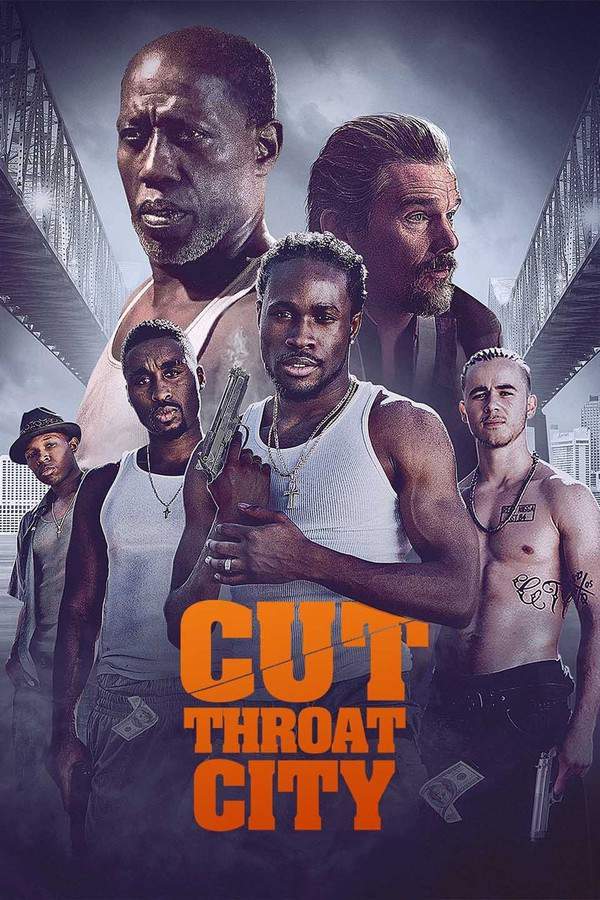


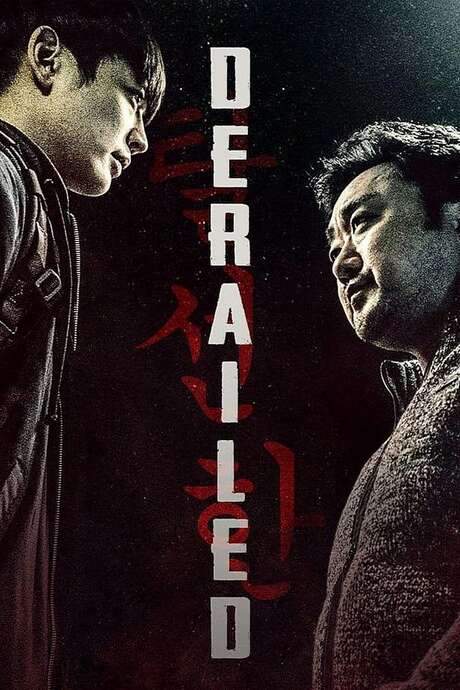
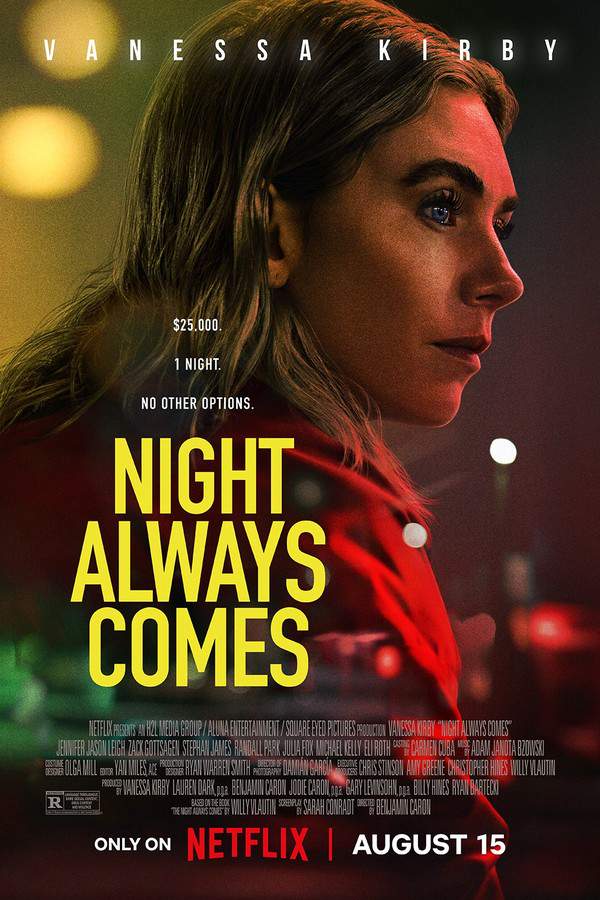
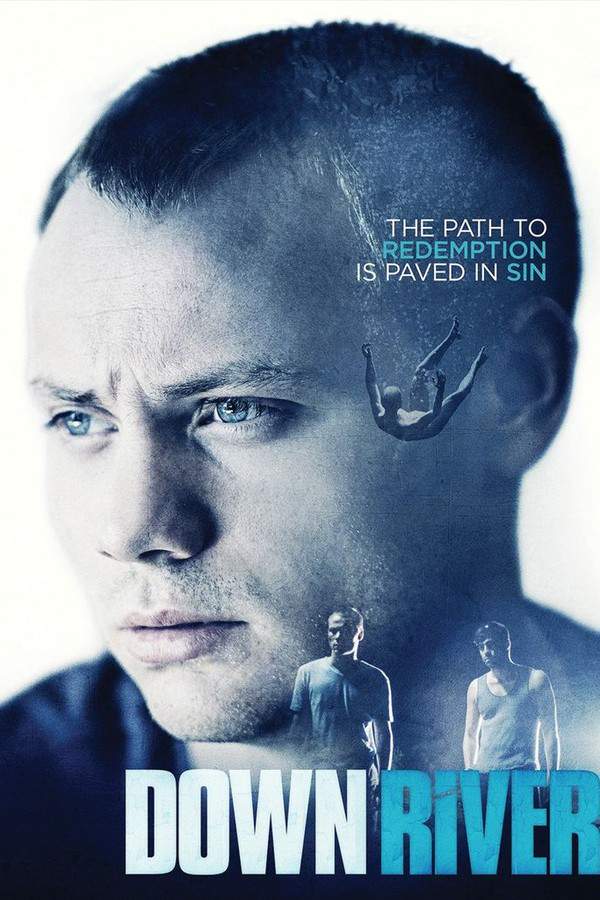
Narrative Summary
Narratives in this thread often follow characters trapped by their circumstances, using small-scale, gritty conflicts to explore themes of desperation, resilience, and the flickers of hope found in fleeting human connections. The journey is usually a downward spiral or a hard-fought stalemate rather than a triumphant rise.
Why These Movies?
Movies are grouped here for their shared focus on the visceral experience of survival, a consistently dark or bittersweet tone, and a fast-paced narrative driven by immediate threats. They share a heavy emotional weight and a setting that feels like an antagonistic force.
Movies About Moral Choices Like Spinners
Stories where desperate decisions lead to tragic outcomes and complex redemption.If you liked Spinners' exploration of Jace's regrettable decisions and their bittersweet consequences, these films feature similar heavy moral dilemmas. Find movies about characters making desperate choices that lead to tragedy and complex, emotionally charged endings.
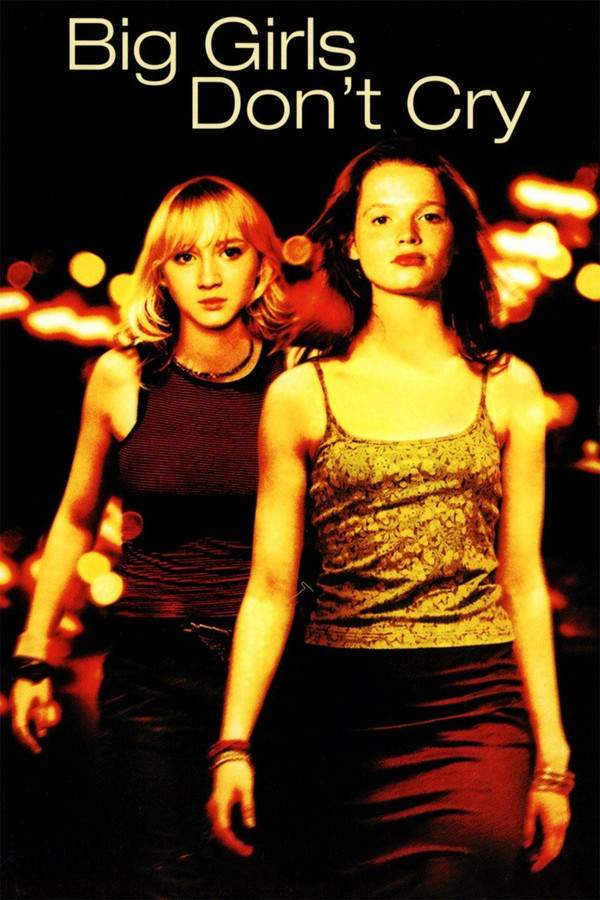
Big Girls Don't Cry
2004

12 and Holding
2005

Dangerous Years
1947

Lost Angels
1989

My Dear Son
1989
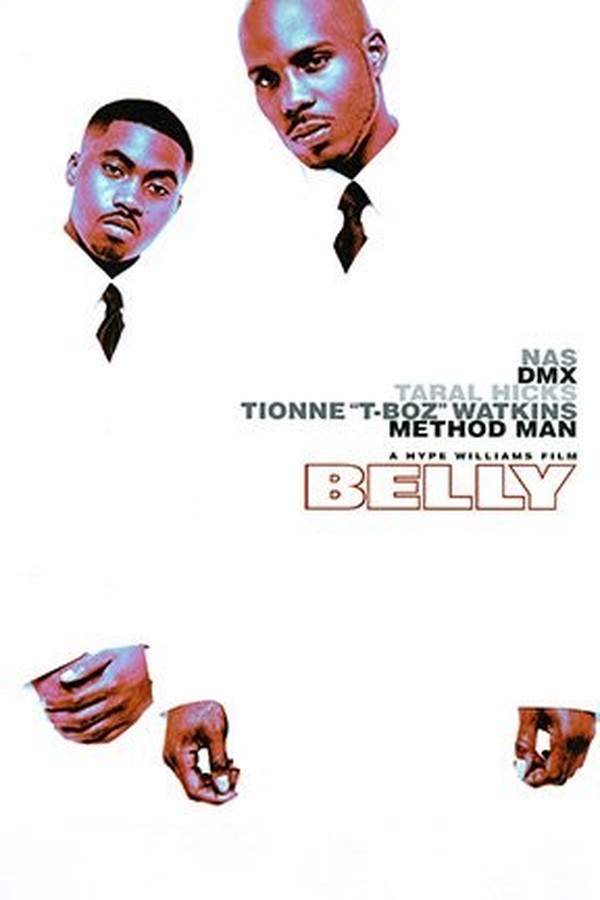
Belly
1998
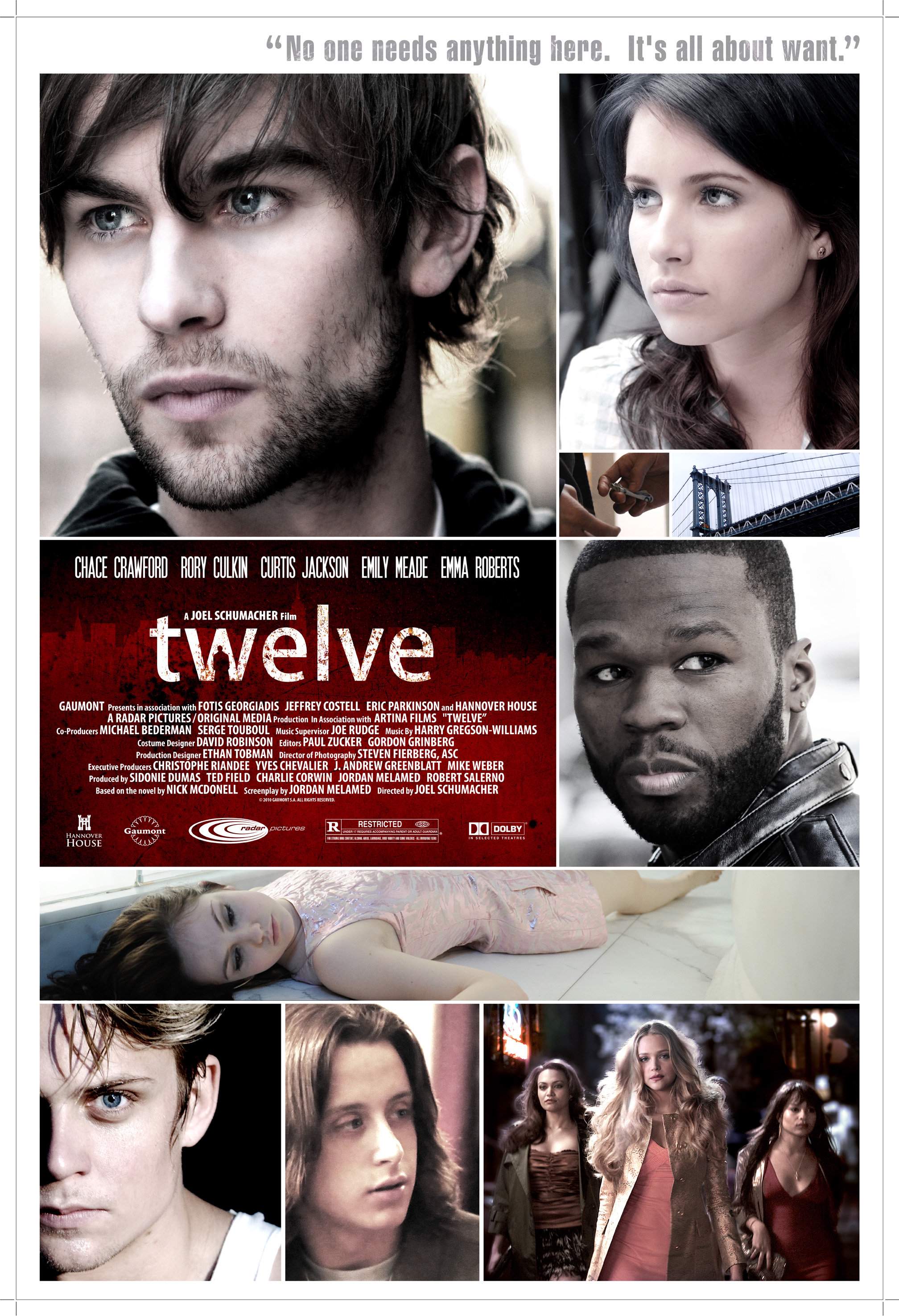
Twelve
2010

Diary of a Teenage Hitchhiker
1979
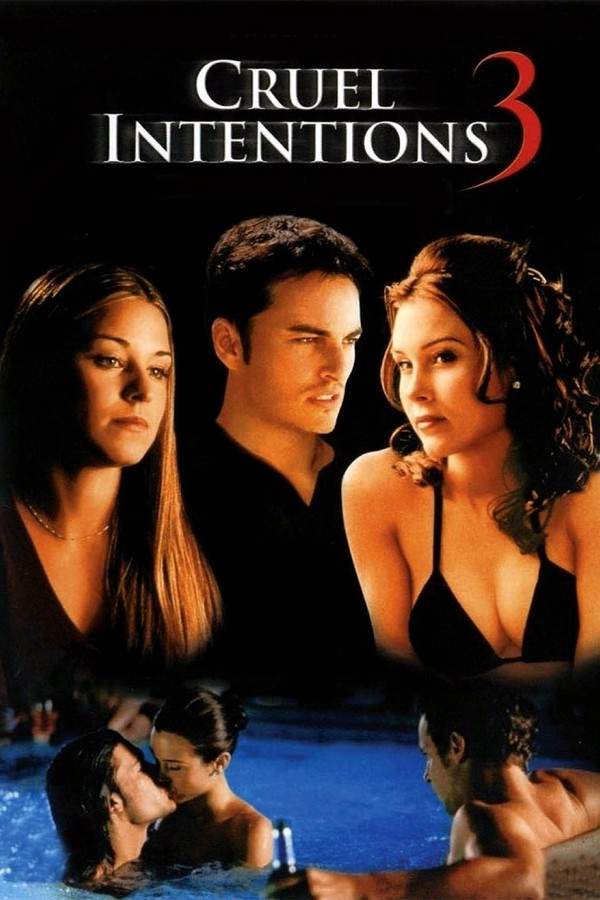
Cruel Intentions
1999

The Delinquents
1957

My Name Is Love
2012

Hard Luck
2002
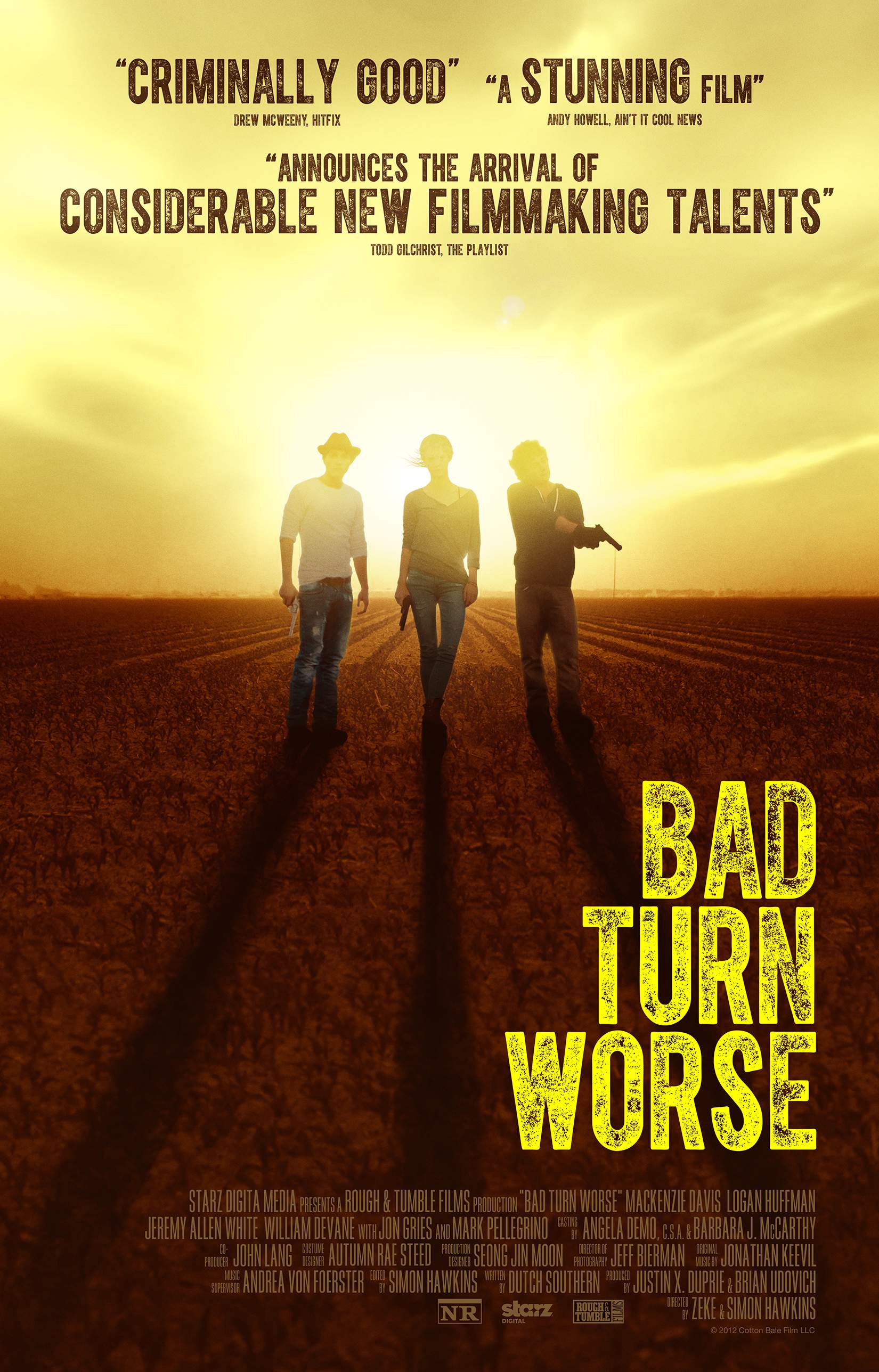
Bad Turn Worse
2014

Sweet Sixteen
2016
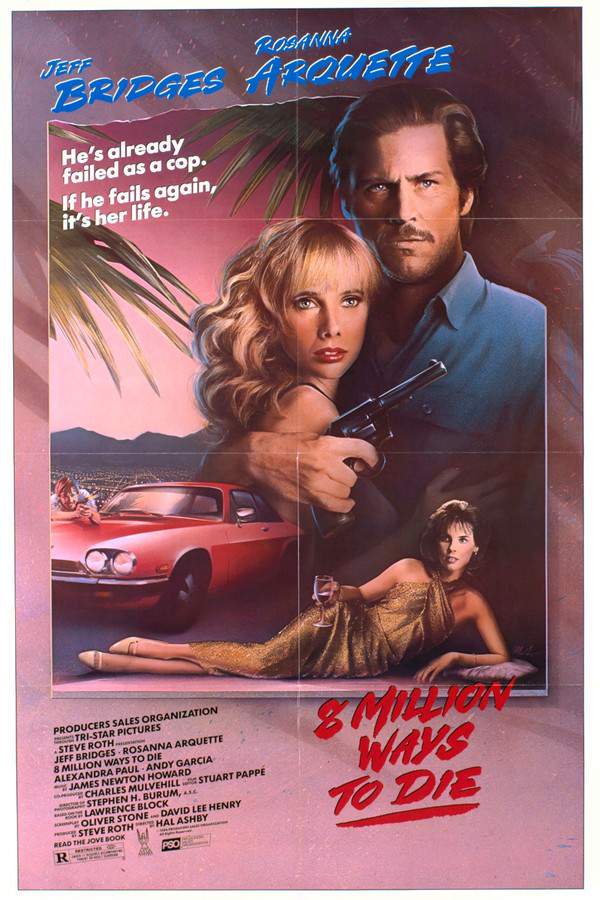
8 Million Ways to Die
1986
Narrative Summary
The narrative pattern involves a protagonist facing a escalating series of pressures, leading to a critical moral failure or a series of bad choices. The second half deals with the aftermath: facing consequences, seeking redemption, or simply enduring the loss, culminating in an ending that acknowledges the pain but may offer a sliver of hope or lessons learned.
Why These Movies?
These films share a high-intensity, dark tone driven by character-based conflict. They are united by a focus on the cause-and-effect of poor decisions, a fast-paced descent into trouble, and an emotionally heavy journey that concludes with a poignant, bittersweet resolution.
Unlock the Full Story of Spinners
Don't stop at just watching - explore Spinners in full detail. From the complete plot summary and scene-by-scene timeline to character breakdowns, thematic analysis, and a deep dive into the ending - every page helps you truly understand what Spinners is all about. Plus, discover what's next after the movie.
Spinners Timeline
Track the full timeline of Spinners with every major event arranged chronologically. Perfect for decoding non-linear storytelling, flashbacks, or parallel narratives with a clear scene-by-scene breakdown.

Characters, Settings & Themes in Spinners
Discover the characters, locations, and core themes that shape Spinners. Get insights into symbolic elements, setting significance, and deeper narrative meaning - ideal for thematic analysis and movie breakdowns.


