








Plot Explained Spoilers guaranteed!
Plot Explained

Browse by genre

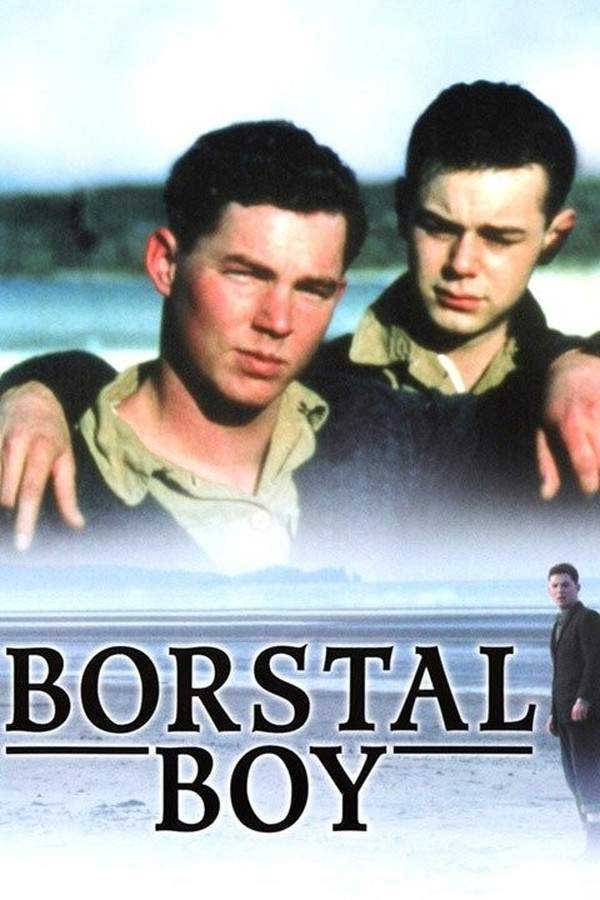
Song for a Raggy Boy (2003) movie poster

Characters & Themes

Song for a Raggy Boy (2003) Characters, Setting & Themes Explained

Release, runtime and language
2003 · 94 mins · English
JustWatch #18,318 4
Directed by
Aisling Walsh
Starring
Andrew Simpson, Aidan Quinn, Iain Glen, Stuart Graham, Marc Warren, Dudley Sutton

After being forced out of a U.S. teaching post in 1939 because of his left‑leaning politics, Irish‑born William Franklin returns to his homeland. He becomes the first lay instructor at St. Jude’s, a strict boarding school for troubled boys run by the disciplinarian Brother John, where Franklin wrestles with purpose, identity and survival within the rigid walls of the institution.

On this page (8)
  1. 1 Where to watch
  2. 2 Characters explained (5)
  3. 3 Where & when it takes place
  4. 4 Themes & meaning (4)
  5. 5 Character & meaning questions
  6. 6 Movie threads
  7. 7 Movies like Song for a Raggy Boy
  8. 8 Every angle

Where to watch

Where to Watch Song for a Raggy Boy (2003)

Where can you watch Song for a Raggy Boy? Stream, rent or buy it in the US, including on Amazon Prime Video, Hoopla and Amazon Prime Video Free: current JustWatch availability with up-to-date prices.

Streaming availability powered by JustWatch

5 main characters · contains spoilers

Song for a Raggy Boy Characters Explained: Who Is Who

The main characters of Song for a Raggy Boy (2003), heroes and villains: what drives them, how they change over the course of the story and what each of them reveals about the film's bigger ideas.

  • William Franklin (Aidan Quinn)

    A lay teacher and World War II-era veteran of the Spanish Civil War, Franklin arrives with a quiet courage and a belief that boys deserve more than torment. He treats students as individuals, calling them by name rather than numbers, and challenges the system through small, principled acts. His empathy and resolve position him as a catalyst for potential reform within the brutal environment.

    • 🎓 Educator
    • 🕊️ Compassionate
    • 🛡️ Defiant
  • Patrick Delaney (Chris Newman)

    A thirteen-and-a-half-year-old boy who embodies vulnerability within the reform school's harsh regime. He becomes the target of Brother Mac’s coercive attention, enduring abuse that underscores the institution’s cruelty. Delaney's resilience and his later participation in a transformative moment demonstrate the human cost of oppression and the hope that empathy can awaken change.

    • 🧒 Child
    • 💔 Vulnerable
    • 🌟 Resilient
  • Liam Mercier (John Travers)

    A literate, hard-edged student who catches Franklin’s eye and becomes a challenger to the teachers’ authority. Mercier’s protests against abuses and his pursuit of knowledge create a spark of resistance inside the walls. His eventual death becomes the catalyst for a turning point in the narrative and in Franklin’s choices.

    • 📚 Intellectual
    • 🗡️ Rebellious
    • 🕊️ Tragic
  • Brother John (Iain Glen)

    A sadistic figure who wields authority to punish and control the boys, using power as a tool of fear. He manipulates the system to maintain dominance and becomes a central antagonist whose actions provoke moral confrontation. His eventual exposure hints at accountability beyond the school’s walls.

    • 🎯 Authoritative
    • 🛡️ Cruel
    • ⚖️ Corrupt
  • Brother Mac (Marc Warren)

    A colleague of Brother John, he participates in the abuse and becomes a co-conspirator in the system’s brutality. His role in the rape and the events leading to Mercier’s death illuminates the corrupting influence of unchecked power within the reform school. His fate aligns with the broader narrative of accountability.

    • ⚔️ Violent
    • 🗝️ Complicit
    • 👥 Abusive

Last updated: October 03, 2025 at 14:14

Was this helpful?

Setting

Where and When Does Song for a Raggy Boy Take Place?

The setting of Song for a Raggy Boy (2003): the year and time period, the places and locations, and how they shape the characters, the mood and the tension of the story.

Time period

1939

Set in 1939, on the cusp of World War II, the film situates itself in a world of political tension and old-school authority. The era foregrounds strict institutions and conservative values that govern behavior with brutal efficiency. The historical moment adds gravity to the characters' choices and the stakes of rebellion. It’s a time when communal norms suppress dissent, making small acts of courage more significant.

Location

St. Judes Reformatory, Ireland

The story centers on the grey, foreboding halls of a harsh Irish reform school where boys are controlled through fear and rigid discipline. The institution is run with a heavy religious veneer, turning punishment into a regime. Numbers replace names, highlighting the dehumanizing environment. The setting amplifies the boys' longing for humanity and the possibility of mercy.

  • 🏫 Reformatory
  • 🕯️ Oppression
  • 🕊️ Solidarity

Last updated: October 03, 2025 at 14:14

Was this helpful?

4 major themes

Song for a Raggy Boy Meaning: Themes & Message Explained

What is Song for a Raggy Boy (2003) really about? The emotional, social and philosophical themes the film keeps returning to, its symbolism and the message beneath the surface.

  • Defiance

    Defiance emerges when Franklin refuses to participate in the dehumanizing system. He calls students by their names instead of numbers and intervenes to stop the brutal treatment, challenging the legitimacy of the reform school's authority. This quiet rebellion grows into a public stand against cruelty and injustice. The theme culminates as outside accountability begins to emerge.

  • Silence

    Silence acts as a shield for abuse, enabling a cycle of harm within the school and within the visiting priest’s admonitions to stay quiet. The story shows how keeping quiet preserves power structures and deepens wounds. Silence contrasts with moments when characters choose to speak up, demonstrating the cost of truth-telling. Breaking the silence becomes essential to any chance of reform.

  • Poetry and solidarity

    Poetry becomes a lifeline, connecting the boys to a broader sense of humanity and resistance. Franklin introduces Mercier to poetry that hints at collective struggle and empathy, expanding their worldview beyond the walls. The recitation of Eva Gore-Booth’s Comrades acts as a communal catalyst for solidarity. Art here fosters resilience and a shared sense of dignity.

  • Accountability

    Mercier's death exposes the consequences of unchecked brutality and prompts external scrutiny. The removal of the abusive brothers signals a shift toward accountability beyond the reform school. Franklin’s public accusation of murder at the funeral reinforces moral responsibility. The events redirect Franklin’s path from leaving the school to becoming a catalyst for change.

Last updated: October 03, 2025 at 14:14

Was this helpful?

Character & theme questions

Song for a Raggy Boy Characters & Meaning: Your Questions Answered

The questions people ask about Song for a Raggy Boy (2003): who the characters really are, their relationships, what the symbols mean, where it takes place and what the movie is really about. Each answer contains spoilers.

Q1

What kind of place is St. Jude's reformatory?

St. Jude's is a harsh Irish reformatory for troubled boys, depicted as a grey, foreboding institution run with rigid discipline and a heavy religious veneer. Numbers replace names, creating a dehumanizing environment where boys are controlled through fear. The setting emphasizes oppression and the boys' longing for humanity within these oppressive walls.

  • reformatory
  • ireland
  • boarding school
  • oppression
  • religious institution
Q2

When does the movie take place and why does it matter?

The film is set in 1939, on the cusp of World War II. This historical moment is significant because it places the story in an era of political tension and strict conservative values, where communal norms suppress dissent. The time period adds gravity to the characters' choices and makes small acts of courage more consequential.

  • 1939
  • world war ii
  • historical period
  • ireland context
Q3

What are the main themes explored in the film?

The film explores several interconnected themes: Defiance, as William Franklin refuses to participate in the dehumanizing system; Silence, showing how keeping quiet preserves abuse and power structures; Poetry and solidarity, as art becomes a lifeline connecting boys to humanity; and Accountability, as external scrutiny emerges after tragedy. These themes examine institutional cruelty, moral courage, and the cost of speaking truth.

  • defiance
  • silence
  • poetry
  • solidarity
  • accountability
  • themes
Q4

Who is William Franklin and what role does he play?

William Franklin is a lay teacher and World War II-era veteran of the Spanish Civil War who becomes the first instructor at St. Jude's. He arrives with quiet courage and treats students as individuals by calling them by their names instead of numbers. His principled acts challenge the system's cruelty, positioning him as a catalyst for potential reform within the brutal environment.

  • william franklin
  • teacher
  • lay instructor
  • spanish civil war veteran
  • aidan quinn
Q5

Who is Liam Mercier and why is his character important?

Liam Mercier is a literate, hard-edged student who catches Franklin's eye as a challenger to the teachers' authority. He protests against abuses and pursues knowledge, creating a spark of resistance inside the reform school. His death becomes the catalyst for a turning point in the narrative and prompts external scrutiny of the institution's practices.

  • liam mercier
  • student
  • resistance
  • knowledge
  • death catalyst
Q6

Who runs St. Jude's reformatory and what kind of authority do they wield?

St. Jude's is run by Brother John, a sadistic figure who wields authority as a tool of fear to punish and control the boys, manipulating the system to maintain dominance. He is assisted by Brother Mac, who participates in the abuse and becomes co-conspirator in the system's brutality. Both represent unchecked institutional power operating under a religious guise.

  • brother john
  • brother mac
  • authority
  • antagonist
  • religious power
Q7

What role does poetry play in the movie?

Poetry becomes a lifeline for the boys, connecting them to a broader sense of humanity and resistance. Franklin introduces Mercier to poetry that hints at collective struggle and empathy, expanding their worldview beyond the reform school walls. The recitation of Eva Gore-Booth's 'Comrades' acts as a communal catalyst for solidarity, with art fostering resilience and shared dignity.

  • poetry
  • solidarity
  • art
  • resilience
  • eva gore-booth
  • mercier
Q8

How does the theme of silence function in the story?

Silence acts as a shield for abuse, enabling a cycle of harm within the school and within the visiting priest's admonitions to stay quiet. The story demonstrates how keeping quiet preserves power structures and deepens wounds. Breaking the silence becomes essential to any chance of reform, contrasting with moments when characters choose to speak up.

  • silence
  • abuse
  • power structures
  • truth telling
  • accountability
Q9

Why is the 1939 setting significant for understanding the film's message?

The 1939 setting situates the film in a world of old-school authority and conservative values that govern behavior with brutal efficiency. It's a time when strict institutions operated with minimal oversight, making systemic abuse possible. The historical context adds gravity to the characters' choices and highlights how small acts of defiance become more significant in repressive environments.

  • 1939
  • historical context
  • authority
  • conservatism
  • repression
Q10

What does the film say about accountability?

The theme of accountability emerges when Mercier's death exposes the consequences of unchecked brutality, prompting external scrutiny. The abusive brothers are eventually removed, signaling a shift toward accountability beyond the reform school's walls. Franklin's public accusation of murder at the funeral reinforces moral responsibility, redirecting his path from leaving to becoming a catalyst for change.

  • accountability
  • justice
  • external scrutiny
  • removal of abusers
  • public accusation
Q11

Who is Patrick Delaney and what does he represent?

Patrick Delaney is a thirteen-and-a-half-year-old boy who embodies vulnerability within the reform school's harsh regime. He becomes the target of Brother Mac's coercive attention, enduring abuse that underscores the institution's cruelty. His resilience and participation in a transformative moment demonstrate both the human cost of oppression and the hope that empathy can awaken change.

  • patrick delaney
  • victim
  • vulnerability
  • abuse
  • resilience
Q12

What does defiance look like in the film?

Defiance in the film is quiet and principled rather than violent. William Franklin refuses to participate in the dehumanizing system by calling students by their names instead of numbers and intervening to stop brutal treatment. This quiet rebellion grows into a public stand against cruelty and injustice, challenging the legitimacy of the reform school's authority.

  • defiance
  • resistance
  • non-violent rebellion
  • principled acts
  • system challenge

Movie threads

More Movies Like Song for a Raggy Boy, by Mood & Story

Curated lists built around what makes Song for a Raggy Boy tick: the same mood, the same kind of story or the same emotional payoff. Each list explains why these movies belong together.

Movies about defiant teachers like Song for a Raggy Boy

A lone teacher fights institutional cruelty to protect vulnerable students. If you were moved by the struggle in Song for a Raggy Boy, this list features similar films about teachers confronting systemic abuse. These dramas focus on the powerful bond between an educator and their students against a backdrop of institutional corruption and the fight for redemption.

  • defiant
  • somber
  • harsh
  • resilient
  • oppressive
  • tragic
  • Tone: dark, defiant
  • Pacing: steady, building
Why these movies?

The story pattern: The narrative typically follows a principled outsider or reformer who enters a broken system (like a school or juvenile facility). They witness injustice, form protective bonds with the oppressed, and engage in a escalating conflict with the corrupt authority figures, leading to a climactic confrontation.

Why they belong together: These films are grouped by their core conflict: a heroic individual versus a villainous system. They share a heavy emotional weight, a dark tone due to the themes of abuse, and a focus on the courage it takes to stand up for what's right in the face of overwhelming odds.
Bleak survival dramas in oppressive institutions like Song for a Raggy Boy

Gripping stories of resilience and trauma within oppressive institutions. For viewers seeking the grim, oppressive atmosphere of Song for a Raggy Boy, this collection gathers movies about survival within brutal institutions. These similar stories often involve coming-of-age challenges, graphic violence, and a bittersweet hope found amidst overwhelming tragedy.

  • oppressive
  • harsh
  • tragic
  • somber
  • grief-stricken
  • brutal
  • Tone: dark, oppressive, tragic
  • Pacing: steady, methodical
Why these movies?

The story pattern: Stories unfold within the claustrophobic confines of a single, oppressive location like a prison, reform school, or asylum. The plot follows characters, often young or vulnerable, as they navigate a daily reality of abuse and cruelty, clinging to small acts of defiance and fragile bonds for survival, typically leading to a tragic climax and a bittersweet resolution.

Why they belong together: This thread connects films through their oppressive setting and the central theme of survival against institutional power. They uniformly feature a high intensity, a dark tone, heavy emotional weight, and a focus on the psychological and physical toll of enduring trauma.

If you liked this

Movies Like Song for a Raggy Boy

Similar movies to Song for a Raggy Boy: the same genre, themes or kind of story. Each one comes with its own plot summary, timeline and ending explained.

Browse all movie summaries

Every angle

Song for a Raggy Boy (2003) Explained: Plot, Timeline & Characters

Everything about Song for a Raggy Boy in one place: what happens in the plot summary, the timeline in chronological order, the characters and meaning and a spoiler-free summary. What's After the Movie adds the cast, box office and post-credit scenes.

Coming soon on iOS and Android

The Plot Explained Movie Summary App

Plot summaries, endings explained and timelines on your phone. Catch up on any movie in minutes, save your favorites and never miss a twist again.

Be the first to know when we launch. Your email stays private, always.

Learn more about the app