

Plot Explained Spoilers guaranteed!
Plot Explained

Browse by genre

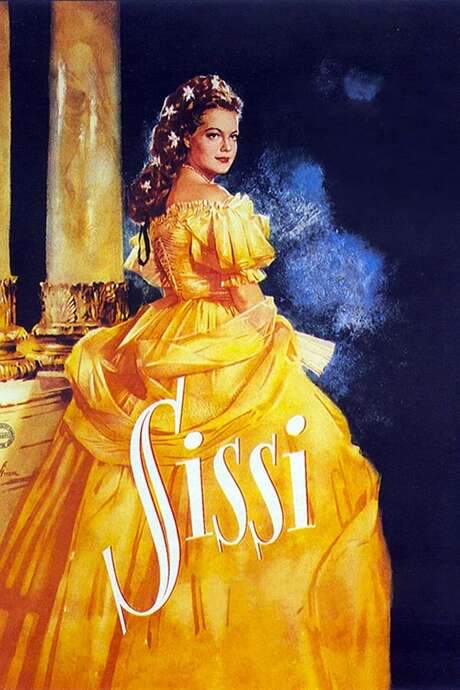
Sissi: The Young Empress (1956) movie poster

Characters & Themes

Sissi: The Young Empress (1956) Characters, Setting & Themes Explained

Release, runtime and language
1956 · 107 mins · German
Directed by
Ernst Marischka
Starring
Romy Schneider, Karlheinz Böhm, Josef Meinrad, Gustav Knuth, Senta Wengraf, Walther Reyer

Now Empress of Austria, Sissi strives to master court etiquette while juggling the pressures of her new role. She must contend with a demanding mother‑in‑law and the meddling Archduchess Sophie, who constantly advises the emperor on governance and pushes Sissi toward motherhood.

On this page (8)
  1. 1 Where to watch
  2. 2 Characters explained (4)
  3. 3 Where & when it takes place
  4. 4 Themes & meaning (3)
  5. 5 Character & meaning questions
  6. 6 Movie threads
  7. 7 Movies like Sissi: The Young Empress
  8. 8 Every angle

Where to watch

Where to Watch Sissi: The Young Empress (1956)

Where can you watch Sissi: The Young Empress? Stream, rent or buy it in the US, including on Fawesome, Kanopy and Xumo Play: current JustWatch availability with up-to-date prices.

Streaming availability powered by JustWatch

4 main characters · contains spoilers

Sissi: The Young Empress Characters Explained: Who Is Who

The main characters of Sissi: The Young Empress (1956), heroes and villains: what drives them, how they change over the course of the story and what each of them reveals about the film's bigger ideas.

  • Empress Elisabeth (Romy Schneider)

    Sissi slowly adapts to life as empress and must endure constant scrutiny from the court. She asserts growing influence while balancing her private desires with public duties, ultimately forging a stronger alliance with the emperor and pursuing Hungary's role within the empire.

    • 👑 Royalty
    • 🗝️ Power
    • 💪 Resilience
  • Emperor Franz Joseph (Karlheinz Böhm)

    The emperor seeks stability amid courtly turbulence and gradually recognizes Sissi's political voice. He navigates traditional authority while responding to her influence, especially on matters concerning Hungary and imperial policy.

    • 👑 Authority
    • 🤝 Partnership
    • 🕊️ Diplomacy
  • Archduchess Sophie (Senta Wengraf)

    Archduchess Sophie enforces strict etiquette and exerts control over both the emperor and court life. She embodies the conservative, rule-bound faction that resists Sissi's evolving role and the empire's broader reforms.

    • 🧭 Protocol
    • 👑 Authority
    • 🗂️ Tradition
  • Count Gyula Andrassy (Walther Reyer)

    Andrássy advocates for equal standing for Hungarians within the empire and gains Sissi's support, signaling a shift in imperial policy toward Hungarian concerns.

    • 🇭🇺 National Identity
    • 🗳️ Politics
    • 🤝 Collaboration

Last updated: February 19, 2026 at 09:27

Was this helpful?

Setting

Where and When Does Sissi: The Young Empress Take Place?

The setting of Sissi: The Young Empress (1956): the year and time period, the places and locations, and how they shape the characters, the mood and the tension of the story.

Time period

Mid-19th century (1850s–1860s)

The film is set in the Austrian Empire during a period of rigid court protocol and growing nationalist tensions. It follows Elisabeth's emergence as empress and her navigation of political and familial pressures. The plot culminates in events surrounding Hungary's status within the empire, reflecting the era's push for reform and balance of power.

Location

Vienna, Austria, Bavaria, Germany, Budapest, Hungary

The story unfolds in Vienna, the imperial capital and heart of Habsburg power, where court life and etiquette shape events. It also shows a brief return to Bavaria during a family visit, and ends in Budapest, highlighting the Hungarian dimension of the empire.

  • Imperial court
  • residence politics
  • cross-regional empire

Last updated: February 19, 2026 at 09:27

Was this helpful?

3 major themes

Sissi: The Young Empress Meaning: Themes & Message Explained

What is Sissi: The Young Empress (1956) really about? The emotional, social and philosophical themes the film keeps returning to, its symbolism and the message beneath the surface.

  • Duty vs Autonomy

    Elisabeth's transition to empress tests her personal autonomy against a rigid court. She must navigate Archduchess Sophie's strict rules while seeking room to shape her own role. The tension between ceremonial duty and personal agency drives her growth and choices throughout the story.

  • Hungarian Identity

    The narrative foregrounds the Hungarian question within the empire, with Elisabeth supporting greater equal standing for Hungary. Her stance signals a shift in imperial policy and underscores national identity as a force within a multinational empire. The plot links personal influence to broader political currents.

  • Influence & Politics

    Elisabeth's relationship with the emperor evolves from tension to partnership as she gains leverage in governance. The couple's dynamic demonstrates how personal bonds can intersect with state affairs. The climax emphasizes how influence can reshape court politics and imperial decisions.

Last updated: February 19, 2026 at 09:27

Was this helpful?

Character & theme questions

Sissi: The Young Empress Characters & Meaning: Your Questions Answered

The questions people ask about Sissi: The Young Empress (1956): who the characters really are, their relationships, what the symbols mean, where it takes place and what the movie is really about. Each answer contains spoilers.

Q1

Where does the story take place?

The film is primarily set in Vienna, the imperial capital of the Habsburg Empire, where court life and strict etiquette dominate. It also includes a brief return to Bavaria for a family visit, and concludes in Budapest, highlighting the Hungarian dimension of the empire.

  • vienna
  • austria
  • budapest
  • hungary
  • court
  • setting
Q2

What time period is the film set in?

The film is set in the mid-19th century during the 1850s–1860s, when the Austrian Empire was governed by rigid court protocol and facing growing nationalist tensions, particularly from Hungary.

  • 1850s
  • 1860s
  • 19th century
  • austrian empire
  • historical period
Q3

What is the main theme of duty versus autonomy?

The film explores how Empress Elisabeth (Sissi) struggles to maintain personal autonomy while conforming to the rigid ceremonial duties of the imperial court. She must navigate Archduchess Sophie's strict rules while seeking room to shape her own role as empress.

  • duty
  • autonomy
  • court
  • empress
  • rules
  • sissi
Q4

How does the Hungarian identity theme play out in the film?

The film highlights the Hungarian question within the empire, with Elisabeth advocating for greater equal standing for Hungary. Her support for Hungarian concerns signals a shift in imperial policy and underscores national identity as a significant force within the multinational empire.

  • hungary
  • hungarian identity
  • nationalism
  • empire
  • politics
Q5

Who is Empress Elisabeth in the film?

Empress Elisabeth, known as Sissi, is the film's protagonist who slowly adapts to life as empress under constant court scrutiny. She balances her private desires with public duties while gradually asserting influence on imperial matters, particularly supporting Hungary's role within the empire.

  • elisabeth
  • sissi
  • empress
  • protagonist
  • romy schneider
Q6

What role does Archduchess Sophie play?

Archduchess Sophie is the strict enforcer of court etiquette who exerts significant control over both the emperor and daily court life. She embodies the conservative, rule-bound faction that resists Sissi's evolving role and opposes broader reforms within the empire.

  • archduchess sophie
  • court
  • etiquette
  • conservative
  • authority
Q7

Who is Count Gyula Andrássy?

Count Gyula Andrássy is a Hungarian nobleman who advocates for equal standing for Hungarians within the empire. He gains Sissi's support for Hungarian concerns, signaling a shift in imperial policy toward recognizing Hungarian interests.

  • gyula andrassy
  • hungarian
  • noble
  • hungary
  • policy
Q8

How does Sissi influence imperial politics?

Sissi's relationship with Emperor Franz Joseph evolves from initial tension to a stronger partnership as she gains political voice. Her influence reshapes court politics and helps advance policies favoring Hungary, demonstrating how personal bonds can intersect with state affairs.

  • sissi
  • franz joseph
  • influence
  • politics
  • emperor
  • court
Q9

Why does Budapest appear in the film?

Budapest appears in the film's conclusion, highlighting the Hungarian dimension of the empire. The setting reflects the film's thematic focus on Hungarian identity and Sissi's support for Hungary's role within the imperial structure.

  • budapest
  • hungary
  • empire
  • location
  • finale
Q10

How does Sissi's relationship with Franz Joseph develop?

Sissi's relationship with Emperor Franz Joseph evolves from tension to partnership as she gains leverage in governance. The emperor comes to recognize Sissi's political voice and responds to her influence, especially on matters concerning Hungary and imperial policy.

  • sissi
  • franz joseph
  • marriage
  • relationship
  • partnership

Movie threads

More Movies Like Sissi: The Young Empress, by Mood & Story

Curated lists built around what makes Sissi: The Young Empress tick: the same mood, the same kind of story or the same emotional payoff. Each list explains why these movies belong together.

Royal Lives, Personal Struggles like in Sissi: The Young Empress

Stories of monarchs juggling public duty with private desires and family conflict. Movies like Sissi: The Young Empress that explore the personal lives of royalty. If you enjoyed the blend of historical setting with family tension and romantic themes, you'll find similar stories here about monarchs balancing duty with their own heart's desires.

  • royal
  • romantic
  • elegant
  • family tension
  • duty vs desire
  • sentimental
  • Tone: romantic, sentimental, uplifting
  • Pacing: steady, character-driven
Why these movies?

The story pattern: The narrative pattern follows a protagonist, often young, thrust into a position of power or marriage. The central conflict arises from the clash between their innate personal desires and the strict protocols and demands of their royal role, frequently personified by a domineering family member or court official. The journey culminates in the protagonist finding a way to reconcile these opposing forces, often leading to a triumphant or uplifting resolution.

Why they belong together: These movies are grouped together because they share a specific blend of elegant historical settings, a focus on interpersonal and familial conflicts over large-scale political intrigue, a light-to-moderate emotional weight, and a central theme of personal freedom versus duty. The pacing is steady and character-driven.


Gentle Coming-of-Age Stories like Sissi: The Young Empress

Young protagonists gracefully mature while adapting to a restrictive new environment. If you liked the gentle coming-of-age journey in Sissi: The Young Empress, this thread features similar movies. Discover stories about young protagonists maturing within restrictive environments, focusing on elegant settings, emotional growth, and uplifting resolutions rather than intense conflict.

  • coming of age
  • sentimental
  • uplifting
  • confined
  • elegant
  • graceful
  • Tone: sentimental, uplifting, light
  • Pacing: steady, gradual
Why these movies?

The story pattern: The narrative follows a young, often naive, protagonist as they enter a structured and confining environment. The story arc is one of gradual adaptation and maturation, where the protagonist learns the rules of their new world, faces challenges to their spirit, and ultimately finds a way to thrive on their own terms, leading to a satisfying and happy conclusion that affirms their personal growth.

Why they belong together: These films share a low-intensity, steady-paced narrative focused on a young person's emotional and personal development. The mood is a specific mix of confinement and uplift, with a strong sentimental and romantic undercurrent. They avoid harsh violence or bleakness, offering a comforting view of growing up.

If you liked this

Movies Like Sissi: The Young Empress

Similar movies to Sissi: The Young Empress: the same genre, themes or kind of story. Each one comes with its own plot summary, timeline and ending explained.

Browse all movie summaries

Every angle

Sissi: The Young Empress (1956) Explained: Plot, Timeline & Characters

Everything about Sissi: The Young Empress in one place: what happens in the plot summary, the timeline in chronological order, the characters and meaning and a spoiler-free summary. What's After the Movie adds the cast, box office and post-credit scenes.

Coming soon on iOS and Android

The Plot Explained Movie Summary App

Plot summaries, endings explained and timelines on your phone. Catch up on any movie in minutes, save your favorites and never miss a twist again.

Be the first to know when we launch. Your email stays private, always.

Learn more about the app