Plot Explained Spoilers guaranteed!
Plot Explained

Browse by genre

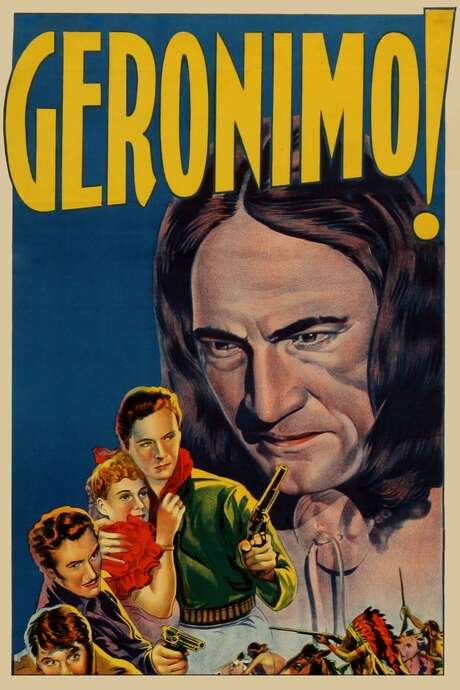
Indian Uprising (1952) movie poster

Plot Summary

Indian Uprising (1952) Plot Summary Explained

Release, runtime and language
1952 · 72 mins · English
Directed by
Ray Nazarro
Starring
Joe Sawyer, Hugh Sanders, Douglas Kennedy, Robert Shayne, John Baer, Carl Benton Reid

Set in 1885 Arizona, an Army captain pulls his troops back to keep white settlers off government‑reserved land and preserve peace with the Apache. Tucson miners desperate for gold pressure Washington, which sends a new commander who recalls the soldiers and permits a gold rush. After whites kill a miner with an arrow, they use the incident to launch an attack on the Apache, hoping the returning troops will wipe them out.

On this page (5)
  1. 1 What happens: full plot
  2. 2 Plot questions answered
  3. 3 Movie threads
  4. 4 Movies like Indian Uprising
  5. 5 Every angle

Full plot summary · contains spoilers

What Happens in Indian Uprising: Full Plot Summary

The whole story of Indian Uprising (1952) explained, from the opening scene to the final frame: every key event, every twist and what it all adds up to. Read it as a quick recap before the sequel, to check a scene you missed, or to finally understand what really happened.

Cavalry Captain Case McCloud [George Montgomery] tries to uphold a fragile peace in 1885 Arizona, enforcing a treaty that keeps white prospectors off Apache territory while the Apache, led by Miguel Inclán as Geronimo, fight to defend their land and rights. The government’s demand for calm sits against the real-world pressure on the region, where many locals see the treaty as a shield for violence and a doorway to profit. McCloud moves carefully, balancing duty with a growing sense that courage must extend beyond the battlefield if a lasting truce is to survive.

Tucson’s tensions flare as a group of local businessmen, among them Douglas Kennedy as Cliff Taggert, stir up trouble and press for a return of miners to the lucrative claims under Apache lands. When Major Nathan Stark Robert Shayne arrives to restore order, he pulls back the soldiers to their posts and allows prospectors back to their mines, effectively reopening the wounds the treaty aimed to heal. McCloud fights to hold the line, trying to prevent a small-scale war from breaking out into the larger conflict everyone fears.

The conflict intensifies after Taggert orders a miner’s death and labels the Apache as the culprits. The truth is murkier, and McCloud undertakes detective work to trace the attack. He uncovers that the fatal arrow came from a tribe other than the Apaches, a discovery that should bolster the peace—but Stark’s orders stand in direct opposition to the evidence. The result is a tense standoff between enforcing officers and those who want to profit from disorder, with McCloud caught in the middle, determined not to let deceit spark violence that could engulf the entire territory. The investigation also reveals the personal risk McCloud bears as he struggles to separate loyalty to duty from his own sense of justice.

When Geronimo is captured and sentenced to prison in Florida, the treaty’s fate hangs in the balance. McCloud’s sense of honor is tested, and he contemplates resigning from the Army in protest of the harsh turn of events. In a crucial moment of resolve, Geronimo speaks to McCloud, affirming that Case’s sword is honorable for fighting to protect the Apaches’ rights. This moment strengthens McCloud’s resolve to stay true to his ideals, even as the system seems to be steering toward war rather than peace. The decision marks a turning point in his life and his career, shaping how he will respond to future crises.

Ultimately, McCloud remains with the Army and finds personal peace alongside his schoolteacher girlfriend, Norma Clemson [Audrey Long], who runs a school for the Apaches. The relationship anchors his commitment to a broader, more lasting form of coexistence between the Apache people and the settlers, even as the road to harmony remains perilous. In the end, Case McCloud’s choices reflect a quiet, steadfast belief that honor and duty can coexist with compassion and reconciliation, laying the groundwork for a more hopeful future in a land where history has long demanded hard compromises.

Last updated: February 24, 2026 at 10:02

Was this helpful?

Plot questions answered

Indian Uprising Plot Explained: Your Questions Answered

The questions people ask most about Indian Uprising (1952): what happens in the confusing scenes, why the characters do what they do, the twists, hidden details and what the ending means. Each answer contains spoilers.

Q1

Why does Major Stark recall the troops and allow miners back to Apache territory?

Major Stark arrives with orders from Washington to restore order and reopen the mines for economic gain. He recalls the soldiers to their posts and permits prospectors to return to their claims, effectively abandoning the treaty protections that McCloud was enforcing. This decision prioritizes political pressure from Tucson businessmen and gold interests over maintaining peace with the Apache.

Foreshadowing: Earlier scenes establish the intense pressure from Tucson businessmen like Taggert who continuously demand the mines be reopened.

  • major stark
  • troop recall
  • treaty
  • miners
  • apache land
  • washington orders
Q2

Why does Taggert order Sagebrush's death and blame the Apaches?

Taggert orchestrates the murder of the old miner Sagebrush to create a false pretext for attacking the Apache. By blaming the Apaches for killing a white settler, Taggert hopes to provoke a military response that will eliminate the Apache resistance and clear the way for miners to reclaim the profitable territory. The murder is a calculated political act designed to manufacture justification for war.

Foreshadowing: The timeline shows Taggert has been stirring up anti-Apache sentiment in Tucson from the beginning.

  • sagebrush
  • taggert
  • murder
  • blame apache
  • conspiracy
  • false pretext
Q3

How does McCloud prove the Apaches didn't kill Sagebrush?

McCloud conducts his own investigation at the mining camp and traces the fatal arrow to a tribe other than the Apache. His detective work uncovers physical evidence that directly contradicts Taggert's cover story, proving the Apaches were framed for the murder. This discovery should have stopped the escalation toward war, but Stark's orders override the truth.

Foreshadowing: The timeline establishes McCloud as someone who carefully balances duty with finding justice beyond the battlefield.

  • mccloud investigation
  • sagebrush murder
  • arrow evidence
  • apache innocence
  • truth
Q4

Why does McCloud decide to stay in the Army after considering resignation?

McCloud decides to stay after Geronimo tells him that his sword remains honorable for fighting to protect Apache rights. Geronimo's words affirm that McCloud's efforts to uphold the treaty and defend the Apache were not in vain, despite the government's betrayal. This moment strengthens McCloud's resolve to continue his work from within the system rather than abandon it.

Foreshadowing: Geronimo's capture and harsh imprisonment have already demonstrated the government's disregard for the treaty McCloud fought to maintain.

  • mccloud resignation
  • geronimo speech
  • army
  • honor
  • duty
  • principled decision
Q5

What does Geronimo mean when he says Case's sword is honorable?

Geronimo tells McCloud that his sword is honorable because Case fought to protect the Apache people's rights and land, even when his own government betrayed them. The statement acknowledges that McCloud's loyalty to the treaty and the Apache was genuine, distinguishing him from officers like Stark who pursued political gain over justice. It validates McCloud's moral choices throughout the conflict.

Foreshadowing: Throughout the film, McCloud consistently prioritizes the treaty and Apache welfare over orders that would endanger them.

  • geronimo
  • honorable sword
  • case mccloud
  • respect
  • moral validation
  • apache perspective
Q6

Why is Geronimo captured and sent to prison in Florida?

Geron's capture represents Stark's hardline approach to ending Apache resistance. After Stark recalls troops and reopens the mines, he moves militarily against Geronimo rather than negotiating. Geronimo is captured and sentenced to prison in Florida, removing the Apache leader from the frontier entirely. This action symbolizes the government's abandonment of treaty diplomacy in favor of force.

Foreshadowing: Stark's arrival marks a shift from McCloud's diplomatic approach to military solutions.

  • geronimo capture
  • florida prison
  • stark
  • treaty end
  • apache leader
  • imprisonment
Q7

Why does McCloud personally investigate Sagebrush's death?

McCloud investigates because he suspects the truth is being manipulated to justify war. As the officer tasked with maintaining peace, he understands that a false Apache attack would destroy the treaty he's sworn to protect. His detective work reflects his commitment to finding actual justice rather than simply following orders or accepting convenient narratives.

Foreshadowing: McCloud's character is established as someone who balances military duty with seeking truth beyond the battlefield.

  • mccloud investigation
  • sagebrush murder
  • justice
  • treaty protection
  • truth seeking
Q8

What triggers the escalating conflict between settlers and the Apache?

The conflict escalates when Taggert kills Sagebrush and blames the Apaches, using the false incident to launch an attack. Stark's decision to recall troops and allow miners back to Apache territory creates the conditions for violence. The manufactured killing provides the excuse settlers need to demand military action against the Apache, hoping the troops will wipe them out.

Foreshadowing: Tucson businessmen have been pressing for Apache removal since the film's opening scenes.

  • settler conflict
  • apache attack
  • taggert conspiracy
  • false incident
  • war escalation
Q9

What is the significance of Norma Clemson's school for the Apaches?

Norma runs a school for Apache children, representing a hopeful future of education and coexistence between settlers and the Apache people. Her work symbolizes the practical, peaceful alternative to the violent conflict driving the plot. When McCloud marries her, he affirms his personal commitment to the Apache community's well-being beyond just military protection.

Foreshadowing: The film establishes Norma as McCloud's schoolteacher girlfriend throughout the narrative.

  • norma clemson
  • apache school
  • education
  • peace
  • coexistence
  • marriage resolution
Q10

Why does McCloud consider resigning from the Army?

McCloud contemplates resignation because he sees the government betraying the treaty he swore to protect. When Geronimo is captured and sentenced to Florida prison, McCloud views this as a fundamental violation of the honor and justice he believed in. His resignation would be a protest against the system's corruption of the ideals he fought to uphold.

Foreshadowing: The capture of Geronimo represents the ultimate failure of the peace McCloud worked to maintain.

  • mccloud resignation
  • protest
  • geronimo capture
  • army duty
  • moral conflict

Movie threads

More Movies Like Indian Uprising, by Mood & Story

Curated lists built around what makes Indian Uprising tick: the same mood, the same kind of story or the same emotional payoff. Each list explains why these movies belong together.

Military Ethics Movies like Indian Uprising

Honorable soldiers navigating morally gray conflicts against corrupt superiors. Discover films similar to Indian Uprising that feature honorable soldiers and officers caught between duty and corrupt political forces. If you liked the ethical conflict in Indian Uprising, you'll find more tense historical dramas here where integrity is tested.

  • duty-bound
  • morally conflicted
  • tense
  • political
  • investigative
  • uneasy
  • Tone: tense, morally conflicted
  • Pacing: steady, procedural
Why these movies?

The story pattern: Stories in this thread typically follow a principled protagonist whose adherence to a moral code is challenged by a conspiracy, corrupt authority, or unjust orders. The plot involves investigation, political maneuvering, and a final confrontation where the protagonist must risk everything to expose the truth and prevent a greater injustice.

Why they belong together: These films are grouped by their shared focus on the ethical dilemmas faced by individuals in positions of authority. They create a tense, procedural atmosphere where the central conflict is as much about bureaucratic betrayal as it is about physical danger, offering a thoughtful and morally complex viewing experience.

Bittersweet Historical Dramas like Indian Uprising

Stories where dark historical injustices meet a hopeful personal resolution. Find movies like Indian Uprising that explore tense historical conflicts with a mix of serious themes and a hopeful ending. These films balance the weight of injustice with a personally satisfying resolution for the protagonist.

  • bittersweet
  • tense historical
  • uneasy
  • hopeful resolution
  • morally complex
  • duty-bound
  • Tone: tense, bittersweet, hopeful
  • Pacing: steady, character-driven
Why these movies?

The story pattern: The narrative pattern involves a protagonist becoming embroiled in a larger, often grim historical conflict marked by systemic injustice. While the overarching societal problem may not be fully resolved, the story focuses on the protagonist's personal journey, culminating in their own vindication, a restored sense of justice on a small scale, or a hopeful new beginning.

Why they belong together: These movies are united by their unique emotional blend: they tackle heavy, morally complex historical subjects without ending in total despair. They provide the satisfaction of a personal victory or a glimmer of hope amidst a broader, unresolved tragedy, appealing to viewers who want substance without utter bleakness.

If you liked this

Movies Like Indian Uprising

Similar movies to Indian Uprising: the same genre, themes or kind of story. Each one comes with its own plot summary, timeline and ending explained.

Browse all movie summaries

Every angle

Indian Uprising (1952) Explained: Plot, Timeline & Characters

Everything about Indian Uprising in one place: what happens in the plot summary, the timeline in chronological order, the characters and meaning and a spoiler-free summary. What's After the Movie adds the cast, box office and post-credit scenes.

Coming soon on iOS and Android

The Plot Explained Movie Summary App

Plot summaries, endings explained and timelines on your phone. Catch up on any movie in minutes, save your favorites and never miss a twist again.

Be the first to know when we launch. Your email stays private, always.

Learn more about the app