
Short Night of Glass Dolls

When things are not what they seem… An American journalist in Prague searches for his girlfriend who has suddenly disappeared.
Where to Watch Short Night of Glass Dolls?
Find where to stream, rent, or buy Short Night of Glass Dolls (1971) in the US with current JustWatch availability, up-to-date pricing, and platform listings for subscription, rental, and digital purchase options.







Warning: spoilers below!
Haven’t seen Short Night of Glass Dolls yet? This summary contains major spoilers. Bookmark the page, watch the movie, and come back for the full breakdown. If you're ready, scroll on and relive the story!
Short Night of Glass Dolls (1971) – Full Plot Summary & Ending Explained
Read the complete plot breakdown of Short Night of Glass Dolls (1971), including all key story events, major twists, and the ending explained in detail. Discover what really happened, and what it all means.
In a park in Cold War-era Prague, the corpse of American journalist Gregory Moore, Jean Sorel, is discovered and brought to the local morgue. The mortician notes that the body is unusually warm, suggesting Gregory may still be alive, and as hospital technicians debate whether to perform an autopsy in the surgical theater, Gregory’s mind drifts back over the events of the preceding days. The memory-driven narrative unfolds as his body lingers between life and death, a tension that hangs heavy over the morgue and the nerves of everyone watching.
Days earlier, Gregory reunites with his partner, Mira Svoboda, Barbara Bach, who has escaped to Prague from the Soviet Union. The two attend a glamorous party full of journalists and elites who marvel at Mira’s beauty, while another journalist and former lover, Jessica, Ingrid Thulin, attempts to seduce Gregory, only to be rebuffed. As the night unfolds, Mira vanishes, leaving behind her personal belongings and a growing chill of unease. Gregory desperately seeks help from authorities, but their evasiveness and indifference deepen the sense that something unseen and dangerous is at work. Several guests claim they never spoke to Mira, further muddying the trail.
In the wake of Mira’s disappearance, Gregory and Jessica rally support from Jacques Versain, Mario Adorf who agrees to help, yet their search runs into the wall of police caution and official suspicion. The tension thickens when a subsequent woman’s body is found; Gregory fears it might be Mira, but the scene reveals otherwise, heightening the sense that a larger conspiracy is at play. The search leads them to Professor Karting, Fabijan Šovagović, a physician who had spoken with Mira at the party. Karting asserts that Mira told him she planned to return to Moscow, a claim Gregory struggles to accept as truth. He then dives into newspaper archives at the library, chasing reports of other missing women in Prague, his mind racing to connect the seemingly unrelated events.
A strange elderly man contacts Gregory, claiming to carry information about Mira. The two meet at a train station, but a shadowy figure pushes the old man in front of an oncoming train, killing him as the would-be informant’s papers scatter. Gregory discovers a matchbook bearing the cryptic clue “Klub 99.” Following the trail, he arrives at an ornate, anonymous recital hall that hides a secret room filled with antiques and butterfly collections. A hostile janitor threatens Gregory, and only after a tense confrontation does he reveal Mira’s corpse, lying among flowers in a secluded chamber.
Jacques finally confesses to having killed Mira, claiming she was disposed of in a sewer. He further reveals that the members of Klub 99 are an international cult that practices black magic. Jacques himself is killed, and Gregory is interrogated by police who accuse him of Mira’s murder. Valinski, the Minister of the Interior and leader of Klub 99, offers to take Gregory home from the station, but in his apartment Gregory discovers Mira’s body again, refrigerated like a grotesque trophy. He flees back to Klub 99, where he encounters an occult ritual led by Valinski. The cultists unleash a spell that paralyzes him and dumps his body in the park, leaving him vulnerable to whatever fate the cult has planned.
In the present, Professor Karting—a high priest within Klub 99—begins an autopsy on Gregory for his medical students, a macabre classroom spectacle attended by Jessica. Gregory summons every ounce of will to lift his hand, hoping the students will notice and intervene, but Karting blocks the movement and plunges a scalpel into Gregory’s heart, delivering a final, fatal act as Jessica’s scream tears through the room. The film closes on the stark image of the professor’s cold efficiency, and the park outside seems to echo with the unresolved questions of who controls what happens to Mira, Gregory, and the others entangled in Klub 99.
Last updated: October 09, 2025 at 11:14
Short Night of Glass Dolls (1971) Plot Questions Answered – Summary FAQ
Explore frequently asked questions about Short Night of Glass Dolls (1971) with spoiler-rich answers covering the full plot summary, major story beats, character motivations, hidden details, and ending meaning. This movie summary FAQ helps explain confusing scenes, plot twists, and narrative decisions in clear, searchable detail.
Why is Gregory's body still warm at the morgue?
The warmth of Gregory's body at the morgue foreshadows that he is still alive, trapped in a liminal state between life and death. This is revealed gradually as the narrative unfolds, Gregory was paralyzed by the cult's spell and dumped in the park, but his consciousness remains active during the autopsy scene. The mortician's observation creates the central mystery of whether he can be saved before Professor Karting fatally plunges the scalpel into his heart.
Earlier scenes establish that Klub 99 uses occult rituals that can paralyze victims, setting up Gregory's fate.
What is Klub 99 in Short Night of Glass Dolls?
Klub 99 is an international secret society led by Valinski, the Minister of the Interior, that practices black magic and ritualistic murder. The club operates from an ornate recital hall containing a secret chamber filled with antiques and butterfly collections where victims are kept. Members include Professor Karting, who serves as the high priest, and Jacques Versain, who was also part of the cult.
The matchbook reading 'Klub 99' that Gregory finds at the train station is the first clue connecting the disappearances to a larger organization.
Who kills Mira in the movie?
Jacques Versain confesses to killing Mira, claiming she was disposed of in a sewer. However, the full truth is more sinister, Klub 99 is responsible for her death as part of their ritualistic practices. Her body is discovered by Gregory in a secret chamber of the Klub 99 hall, arranged among flowers like a trophy, and later found refrigerated in Valinski's apartment.
The mysterious woman found at a crime scene early in the search is not Mira, establishing that other women have disappeared.
Why does Professor Karting perform the autopsy on Gregory?
Professor Karting is revealed to be the high priest of Klub 99, using his position as a physician to operate within the cult's structure. He performs the autopsy not as a medical necessity but as a ritualistic killing, despite Gregory's hand moving as a desperate signal for the students to notice, Karting deliberately plunges the scalpel into his heart, completing the murder.
Earlier, Karting told Gregory that Mira mentioned returning to Moscow, which was a lie to deflect suspicion from the cult.
Does Gregory survive at the end of Short Night of Glass Dolls?
No, Gregory does not survive. Despite his desperate attempt to move his hand during the autopsy to alert the medical students that he is alive, Professor Karting blocks the movement and delivers the fatal blow by plunging a scalpel into Gregory's heart. The film ends with his murder completing the cult's victory.
The mortician's observation about his warm body and the debate over whether to perform an autopsy establish that Gregory is in a conscious but paralyzed state.
Why is Mira's body kept in a refrigerator?
Valinski keeps Mira's body in his refrigerator as a grotesque trophy, demonstrating the cult's twisted relationship with their victims. This chilling discovery in Valinski's apartment confirms his role as leader of Klub 99 and the personal danger Gregory faces. The refrigerator serves as both storage and a disturbing symbol of how the cult preserves what they consider valuable.
The secret chamber filled with flowers where Gregory first finds Mira's body foreshadows the cult's practice of keeping trophies.
Why does Jacques confess to killing Mira?
Jacques confesses to killing Mira, likely as a way to protect the cult or due to manipulation by Valinski and Klub 99. His confession is part of the cult's strategy to control the investigation, Jacques is then killed by the cult members, eliminating him as a potential liability and further shielding the organization from exposure.
Jacques's willingness to help Gregory search for Mira was actually a way to monitor and potentially redirect the investigation.
What is the significance of the butterfly collection in Klub 99?
The butterfly collection in Klub 99's secret chamber serves as a disturbing trophy display, reflecting the cult's occult fascination with transformation and death. The room contains antiques and preserved specimens alongside the bodies of victims, creating a macabre atmosphere that characterizes the cult's ritualistic approach to murder and their perverted appreciation for beauty in death.
The ornate, anonymous nature of the recital hall that houses this room reflects the club's hidden presence in Prague society.
Who is Valinski in Short Night of Glass Dolls?
Valinski is the Minister of the Interior and the secret leader of Klub 99, using his governmental position to protect the cult and obstruct investigations into the missing women. He orchestrates the pressure against Gregory, offers to take him home from the station as a false gesture of help, and leads the occult ritual that paralyzes Gregory before he is dumped in the park.
The police's evasiveness and reluctance to investigate Mira's disappearance is directly tied to Valinski's influence over the authorities.
What happens to Jessica at the end of the movie?
Jessica attends the autopsy hoping for closure, unaware that Professor Karting intends to kill Gregory. She witnesses the final murder when Karting plunges the scalpel into Gregory's heart, and her scream echoes through the operating theater as the film closes. Her fate beyond this moment remains unclear, but the cult's reach suggests she may be in danger.
Jessica's earlier attempt to seduce Gregory and her subsequent help with the investigation have placed her in proximity to the cult's activities.
How does the Cold War Prague setting affect the story?
The Cold War-era Prague setting creates an atmosphere of paranoia and institutional distrust that heightens every mystery. The authorities' evasiveness regarding Mira's disappearance reflects the oppressive political climate where citizens cannot rely on official help. The setting also allows Klub 99 to operate with impunity, using political power and secret networks to hide their crimes.
The opening scene establishes Prague as a city where things are not what they seem, perfectly suited to the film's themes of deception and hidden conspiracy.
Who kills the elderly informant at the train station?
A shadowy figure pushes the elderly man in front of an oncoming train, killing him before he can reveal information about Mira to Gregory. This murder eliminates a key witness and demonstrates the cult's willingness to kill anyone who threatens to expose Klub 99. The killer's identity is never explicitly revealed, but the act underscores the conspiracy's reach and ruthlessness.
The matchbook reading 'Klub 99' that scatters from the informant's papers becomes Gregory's crucial lead to the cult.

Explore Movie Threads
Discover curated groups of movies connected by mood, themes, and story style. Browse collections built around emotion, atmosphere, and narrative focus to easily find films that match what you feel like watching right now.
Paranoid Conspiracy Thrillers like Short Night of Glass Dolls
Lone investigators uncover sinister plots in oppressive, untrustworthy worlds. If you liked the chilling investigation and oppressive atmosphere of Short Night of Glass Dolls, explore more movies like it. These thrillers feature protagonists uncovering dark secrets against overwhelming odds, set in hostile environments where no one can be trusted, leading to tense and often bleak conclusions.
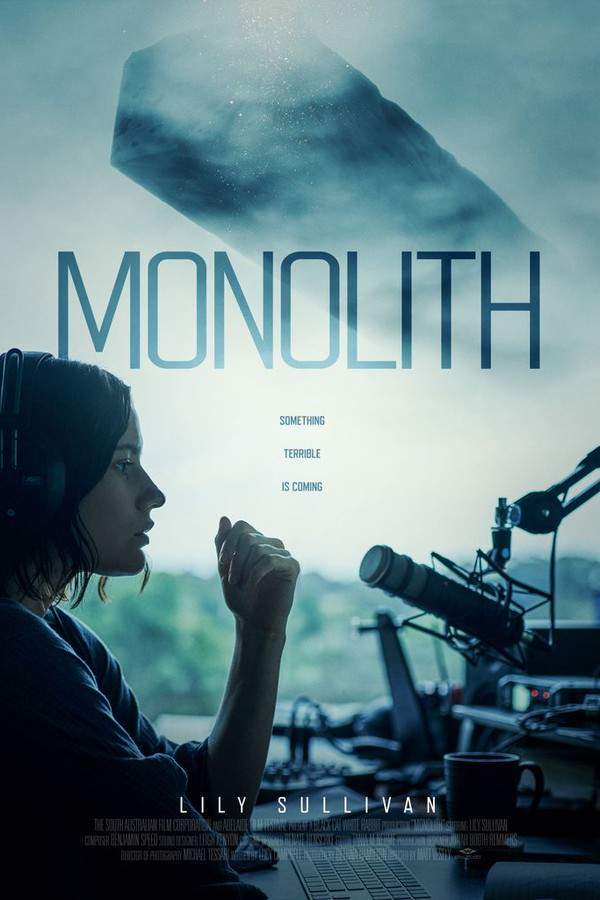
Monolith
2024
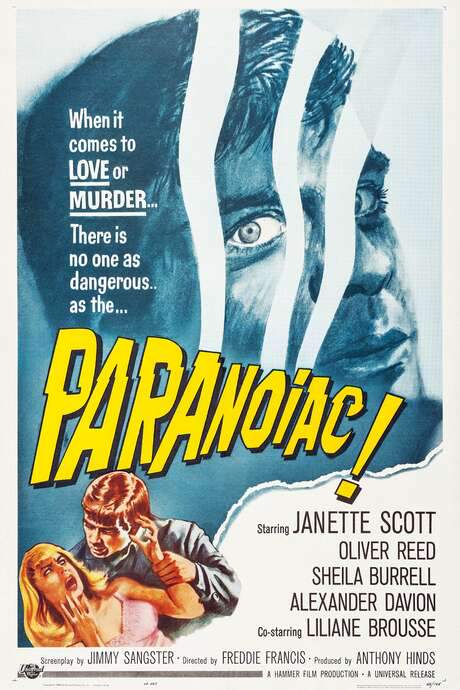
Paranoiac
1963

The Secret Village
2013
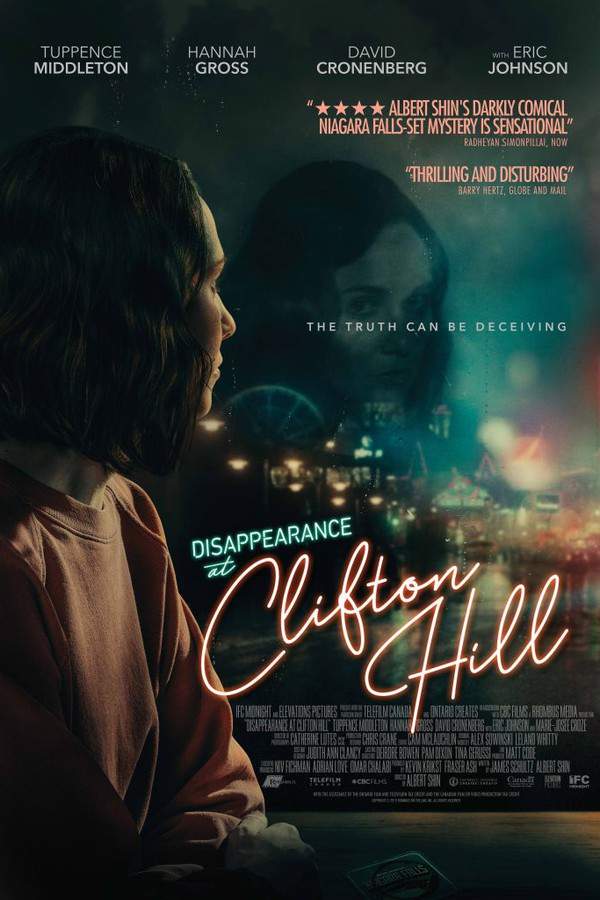
Disappearance at Clifton Hill
2020
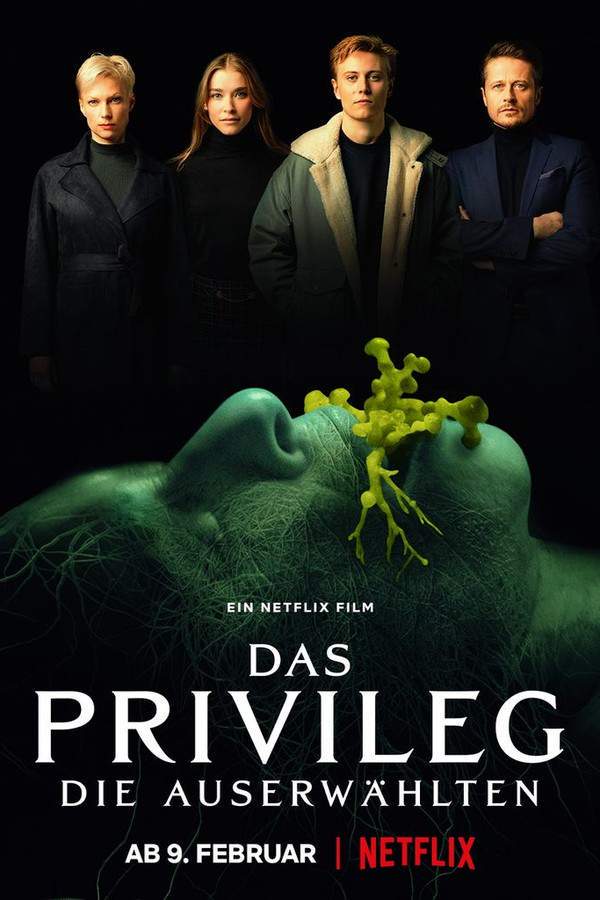
The Privilege
2022

The Suspect
1944

Wander
2020
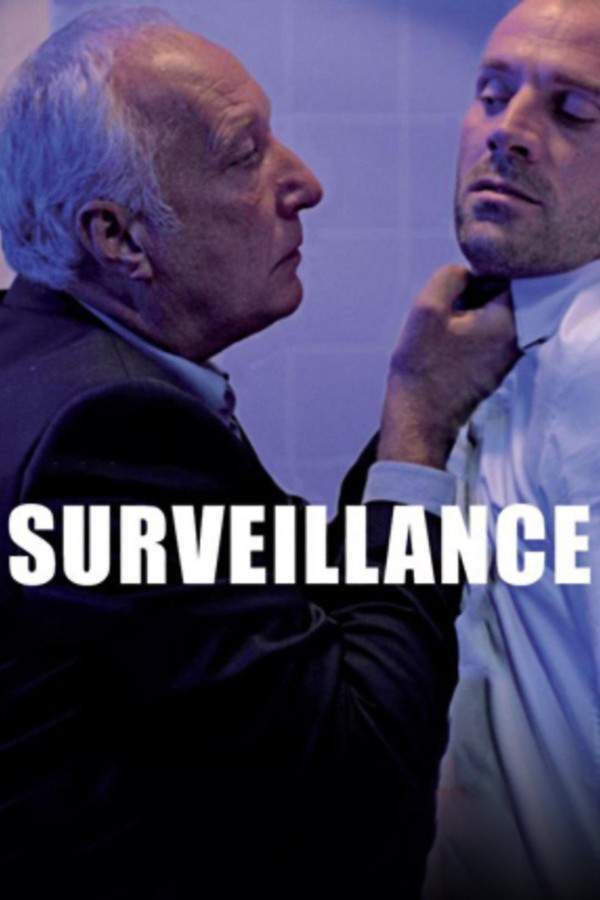
Surveillance
2009
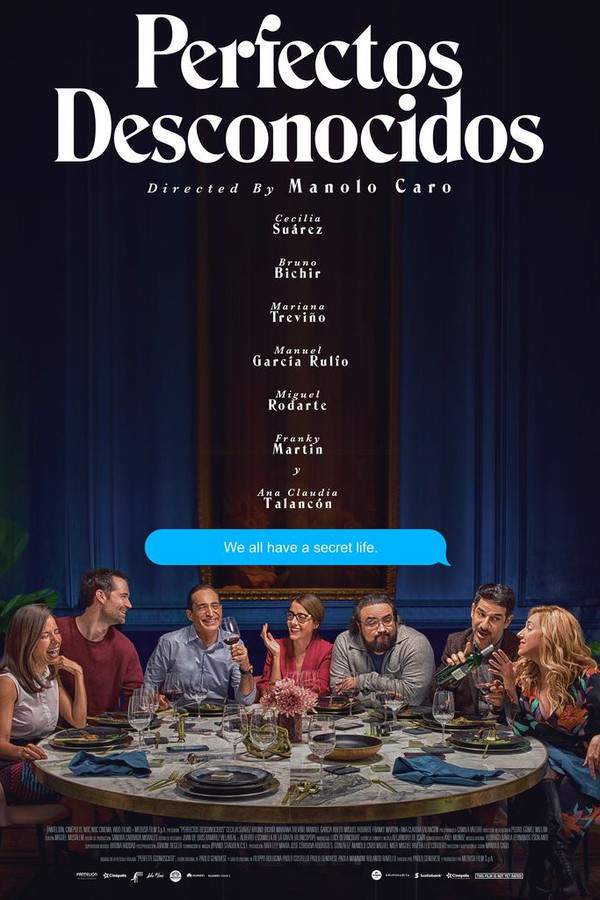
Perfect Strangers (Perfectos Desconocidos)
2019

Under Suspicion
1991

The Disappearance
1981

Project MKHEXE
2025
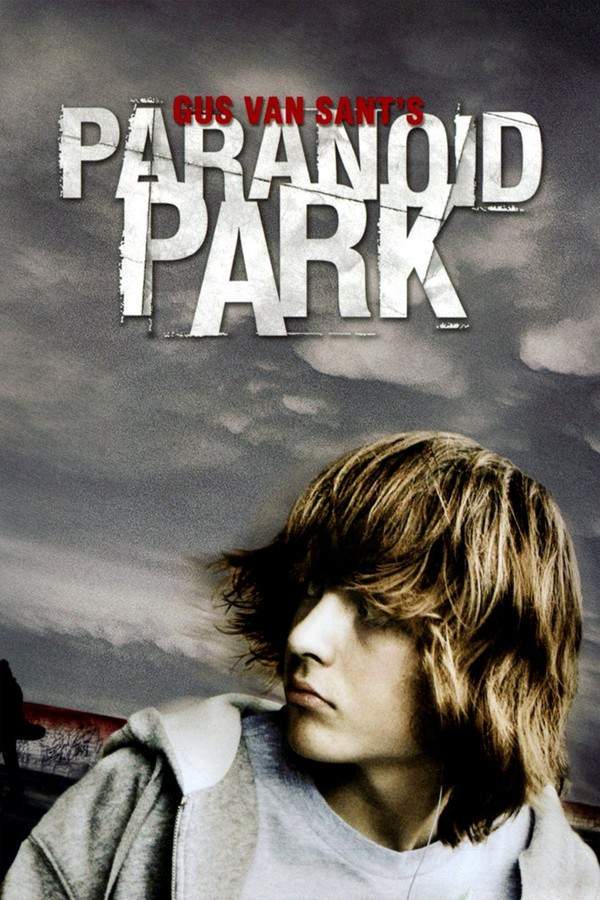
Paranoid Park
2008

The Disappeared
2008

The Unsuspected
1947
Narrative Summary
The narrative follows an isolated individual, often a journalist or ordinary person, who begins investigating a strange event or disappearance. They quickly find themselves targeted by shadowy forces, with each clue pulling them deeper into a web of conspiracy that threatens their sanity and safety, typically culminating in a revelation that offers little hope.
Why These Movies?
Movies in this thread share a core structure of a desperate investigation set within an oppressive system. They are united by their dark tone, high tension, and the psychological unraveling of the protagonist, creating a consistently anxious and suspenseful viewing experience centered on the fear of powerful, unseen enemies.
Slow Burn Horror Movies with Bleak Endings like Short Night of Glass Dolls
Stories where tension mounts inexorably toward a hopeless conclusion. Fans of the methodical tension and hopeless conclusion of Short Night of Glass Dolls will appreciate these similar movies. Discover horror and thriller films that prioritize atmosphere over jumpscares, building a profound sense of dread that culminates in devastating, bleak finales for a truly heavy viewing experience.

The Terror
1963

Endless Night
1972
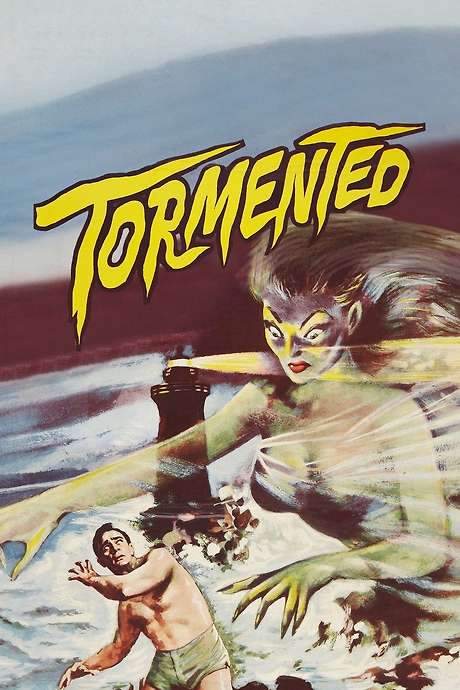
Tormented
1960

Lord of Tears
2013

Book of Blood
2009

Night of Dark Shadows
1971

The Premature Burial
1962

Gehenna: Where Death Lives
2016
The Dark and the Wicked
2020
Don't Look Away
2023

Ghostkeeper
1981

Dark August
1976
Grim
1996

Grave Torture
2024
The Dead Center
2019
Narrative Summary
These stories avoid sudden shocks in favor of a cumulative psychological effect. The pacing is patient, layering small moments of horror, unease, and revelation to create an overwhelming sense of impending doom. The narrative arc is typically downward, moving from a state of relative normalcy to one of utter despair or defeat.
Why These Movies?
These films are grouped by their shared commitment to a specific emotional rhythm: a steady, building tension and an emotionally heavy payoff that offers no catharsis. The similarity lies in the viewing experience itself—a feeling of being trapped in a nightmare that tightens its grip until the final, devastating frame.
Unlock the Full Story of Short Night of Glass Dolls
Don't stop at just watching - explore Short Night of Glass Dolls in full detail. From the complete plot summary and scene-by-scene timeline to character breakdowns, thematic analysis, and a deep dive into the ending - every page helps you truly understand what Short Night of Glass Dolls is all about. Plus, discover what's next after the movie.
Short Night of Glass Dolls Timeline
Track the full timeline of Short Night of Glass Dolls with every major event arranged chronologically. Perfect for decoding non-linear storytelling, flashbacks, or parallel narratives with a clear scene-by-scene breakdown.

Characters, Settings & Themes in Short Night of Glass Dolls
Discover the characters, locations, and core themes that shape Short Night of Glass Dolls. Get insights into symbolic elements, setting significance, and deeper narrative meaning - ideal for thematic analysis and movie breakdowns.


Similar Movies to Short Night of Glass Dolls
Discover movies like Short Night of Glass Dolls that share similar genres, themes, and storytelling elements. Whether you’re drawn to the atmosphere, character arcs, or plot structure, these curated recommendations will help you explore more films you’ll love.

Despite the Night
2015

Night Fangs
2005

Night Junkies
2007

The Night of the Hunted
1980

A Night to Dismember
1983

Night of Death!
1980

The Night Of Open Sex
1983

Body of Night
2020

Prague Nights
1969

Nude for Satan
1974

Dead of Night
1945

Endless Night
1972

Orgy of the Dead
1965

Night of the Dark Full Moon
1972

Night of the Sinner
2009
Explore More About Movie Short Night of Glass Dolls
Short Night of Glass Dolls (1971) Scene-by-Scene Movie Timeline
Short Night of Glass Dolls (1971) Movie Characters, Themes & Settings
Short Night of Glass Dolls (1971) Spoiler-Free Summary & Key Flow
Movies Like Short Night of Glass Dolls – Similar Titles You’ll Enjoy
Despite the Night (2015) Movie Recap & Themes
Night Fangs (2005) Movie Recap & Themes
Night Junkies (2007) Spoiler-Packed Plot Recap
The Night of the Hunted (1980) Movie Recap & Themes
A Night to Dismember (1983) Plot Summary & Ending Explained
Night of Death! (1980) Detailed Story Recap
The Night Of Open Sex (1983) Full Summary & Key Details
Body of Night (2020) Plot Summary & Ending Explained
Prague Nights (1969) Film Overview & Timeline
Nude for Satan (1974) Film Overview & Timeline
Dead of Night (1945) Story Summary & Characters
Endless Night (1972) Detailed Story Recap
Orgy of the Dead (1965) Plot Summary & Ending Explained
Night of the Dark Full Moon (1972) Spoiler-Packed Plot Recap
Night of the Sinner (2009) Detailed Story Recap