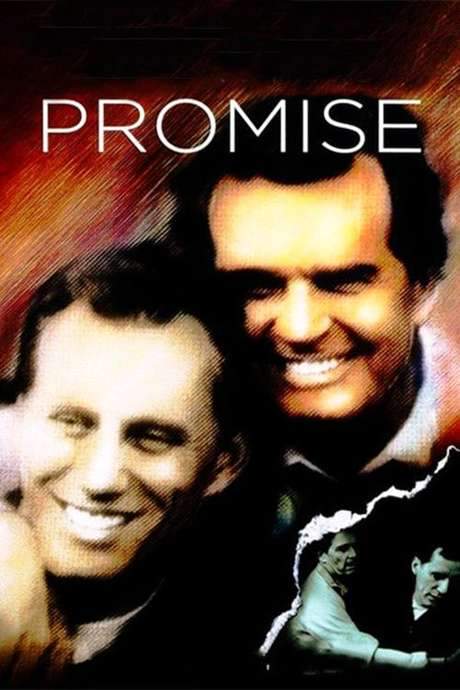
Pam Cheney, Cheryl Ladd, has carried a heavy grief since a difficult labor left her with depression and a sense that life has moved on without her. She is surrounded by a supportive, hardworking husband, Sean, Robert Desiderio, who stands by her side, and by close friends Ella Sabin, Polly Draper, and Terry Sabin, D. David Morin, who have also endured the heartbreak of losing a child. The group’s shared pain binds them as Pam begins to imagine a future shaped by motherhood.
Yearning for a child, Pam pursues adoption, but the formal routes prove slow and frustrating. Age limits and a general demand for placements make it hard to navigate the system, and she’s warned that an easier path might be to consider adopting a teenager instead—a suggestion that Sean resists, wary of taking on a more complicated parenthood. Despite the obstacles, Pam’s hope doesn’t waver, and she keeps the dream alive through quiet determination.
In a move driven by desperation and trust, Pam turns to a lawyer she barely knows and bypasses standard adoption channels. Through him she meets a homeless couple, Gary Ward, Ted Levine, and Lily Ward, Kathleen Wilhoite, who are trying to part with their daughter Emily, though Lily seems reluctant and Gary’s charm masks more troubling intentions. The meeting ends with Gary’s unexpected nod of approval to let Pam and Sean adopt Emily, igniting a fragile sense of triumph that soon begins to fray.
Yet the contract window proves precarious. Gary and Lily, recently displaced from their shelter, show up with renewed demands to reclaim Emily, invoking the first thirty days as their chance to change their minds. Pam, frightened by the looming loss, makes a risky gesture to secure Emily’s future: she buys Gary a car, a secret concession that violates the spirit of the agreement and tests the bond of trust with Sean. The rift between knowledge and secrecy strains the marriage, even as Pam clings to the belief that Emily needs them more than she needs to know the truth of Gary and Lily’s motives.
As doubts mount, Pam’s instinct to protect Emily hardens into decisive action. She begins to see Gary for what he might be—an unreliable partner in this arrangement—and she presses Lily to reconsider her ties to him. Lily’s loyalties swing as Gary seduces her again, and the fragile balance she sought with her unborn child becomes entangled in a tangle of schemes and broken promises. In parallel, Ella’s empathy rekindles Terry’s desire to become a parent, and together they pursue a legal path to adopt Lily’s unborn child, a plan that Lily initially embraces before discovering Gary’s real plan: he has arranged another adoption outside the law.
The emotional weather grows stormier. Lily, recognizing the danger, makes the painful choice to leave Gary for the safety of her children, even as Gary’s grip remains threatening. Time moves forward, and Lily eventually gives birth to a son, infusing the story with new responsibility and new shadows. Gary materializes again, this time at the hospital with a fresh lawyer, attempting to seize Emily and the newborn for himself. Lily, steadfast in her belief that the children deserve a stable, loving home, convinces him that they are better off with Pam and Sean—or with Ella and Terry—than with his erratic, coercive tactics. The confrontation ends with Gary retreating, and the two children—Emily and the baby boy—remaining in the care of the Cheneys and Sabins, who have proven their commitment to providing a nurturing home.
In the end, the film lingers on the resilience of families fractured by loss and torn by imperfect choices, underscoring that love, steadiness, and moral courage can prevail even when people stumble. The story remains a careful portrait of ambition, vulnerability, and the sometimes painful path toward building a new family from the pieces of the old.