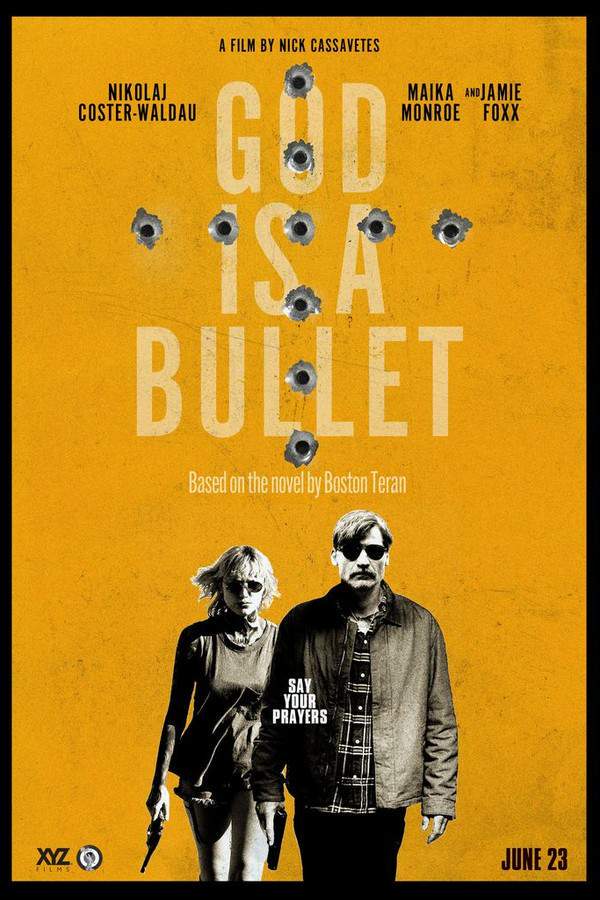
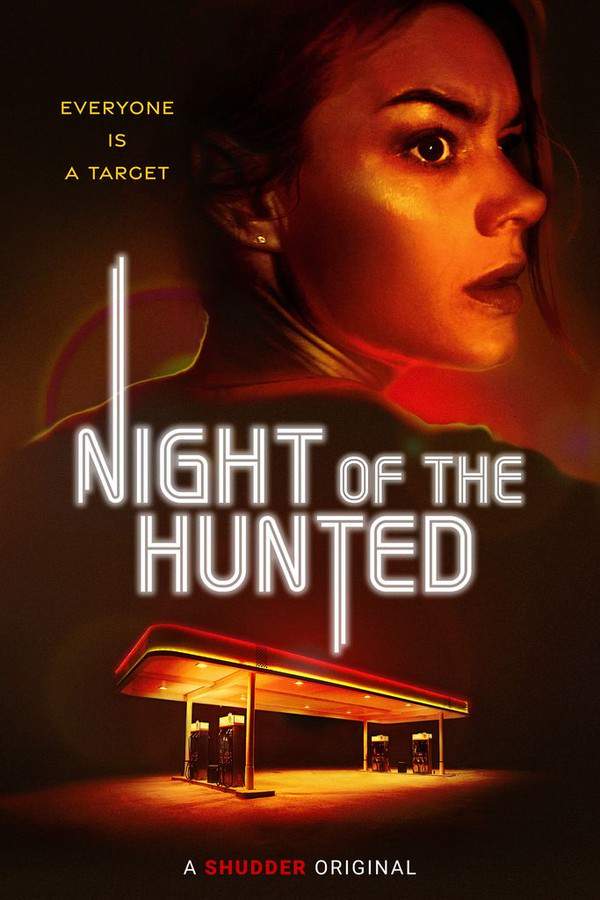
The film opens with a haunting narration about a man who sees himself as a god made up of other men, tied to the violent gang Aryan Steel, which chants “Forever Steel, Steel forever.”
> Forever Steel, Steel forever.
Polly Ana Sophia Heger is a young girl waiting for her mother when her life is pulled into a dangerous orbit. Her estranged father, Nathan Mcclusky [Taron Egerton], recently released from prison, arrives with a forceful insistence that Polly come with him. She hesitates, asking about her mother, but Nathan remains calm, insisting that everything is fine and denying that he is a monster. The tension is palpable, a thin line between care and coercion that Polly senses even in the car’s dull light.
On the road, Polly notices small, unsettling details—stolen belongings from her home and other marks of a life that has already changed beyond recognition. The journey is not just a flight from danger but a test of trust as Polly weighs the familiar warmth of a parent against the hard truth of his past. At a motel, a thunderstorm of news erupts from the TV: Polly’s mother and stepfather have been murdered, and Polly is now listed in an Amber Alert. Nathan is publicly tied to Aryan Steel, and the danger feels suddenly personal. In the quiet between broadcasts, Polly makes a secret call to Detective John Park Rob Yang, reporting that blue tattoos marking gang members are involved in the crime. The moment crackles with fear and resolve, a reminder that truths spoken in fear can reshape a child’s fate.
Nathan learns of the call and answers with a blunt, painful honesty. He admits that his earlier lie was no accident and reveals the brutal reason behind the violence—Aryan Steel killed Polly’s mother because of his own past actions. He warns Polly that the same gang now wants her life, presenting a grim choice: return to the police and the safety of ordinary life, or stay with him and learn to survive in a world where loyalty is earned with blood. Polly’s fear fights with a stubborn resolve as she chooses to stay beside the man she knows as her father, a decision that binds her to a future where deception and danger are constant companions.
As their bond deepens, Nathan becomes both protector and teacher, guiding Polly through the treacherous shadows of their shared history. He disguises Polly, cuts her hair, and offers quiet, steady comfort in moments of grief, insisting that her mother’s strength now lives inside her. He frames resilience as a weapon, a skill to be learned if they are to outlive the threats they face. His lessons are practical and precise, from loading a bag with essentials to recognizing the signs that a pursuer is closing in, all while maintaining a fragile, hopeful tenderness between them.
Seeking shelter after a particularly tense night, Nathan brings Polly to Charlotte, an old acquaintance connected to his brother Nick. Charlotte reluctantly agrees to let them stay, and Polly begins to see the full weight of Nathan’s violent past and the way Aryan Steel exerts its grip on people who cross its path. Charlotte’s home becomes a fragile sanctuary, a place where the truth can be faced without immediate danger, and where Polly starts to understand the complicated web of loyalties that has shaped her father’s life. As the hours pass, Polly learns more about the history that binds Nathan to a violent network and about how fear can define a family as surely as love can.
The revelations push Polly deeper into a world she never asked to inhabit. She notices that honesty, though painful, may be the only path to lasting safety, and she weighs her father’s protection against the pull of a world that demands she embrace a darker kind of courage. The struggles Polly endures are not simply about escape but about forming an identity capable of standing up to men marked with blue lightning tattoos and a gang that values power over people. Throughout, Polly’s inner strength—fueled by memories of her mother and the lessons Nathan attempts to impart—begins to shape a plan for resilience that could outlast the immediate danger.
In the end, Polly’s journey unfolds as a harsh education in trust, loyalty, and survival. She moves between fear and resolve, between the ghost of a murdered mother and the uncertain protection of a father who is still entangled in the world that claimed his past. The film keeps its focus on Polly’s growth—how she absorbs the harsh lessons around her, how she negotiates the gray areas of protection and threat, and how the strength inherited from her mother begins to steer her toward a future where she must decide who she is going to become in a world of violence and shifting loyalties. The danger remains real, but so does Polly’s emerging sense of agency, a quiet, defiant belief that she can face whatever comes next.