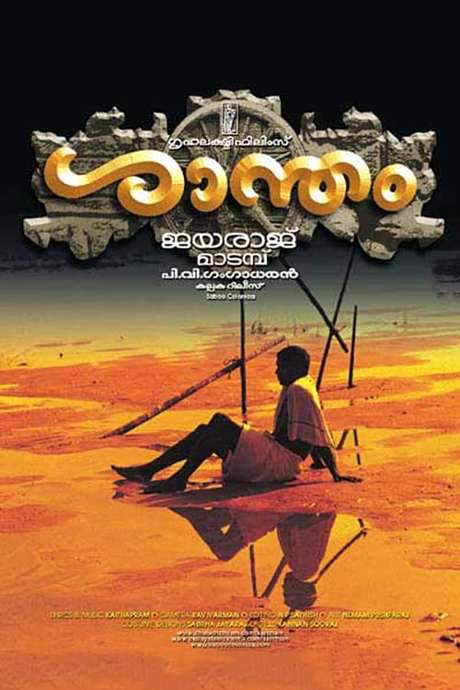
In a landscape scarred by civil conflict, two mothers navigate sorrow, guilt, and the search for grace amid the echoes of a brutal street war. Velayudhan, I. M. Vijayan, a young man living in a town torn apart by factional fighting, finds himself driven to a terrible act when he kills his best friend. The weight of that choice shatters him with guilt and remorse, setting off a chain of emotional reckonings that ripple through the lives around him.
Narayani, KPAC Lalitha, the mother of the friend he has slain, struggles to hold herself together as she arranges the funeral and confronts a raw, unmanageable grief. Meanwhile, Karthiyayani, Seema Biswas, Velayudhan’s mother, journeys to a temple to seek forgiveness for her son’s violence, hoping to find some peace in prayer. There, she encounters Narayani, whose grief and rage blaze beneath the surface, and the two women begin an uneasy, powerful exchange.
The film quietly tracks how their initial conflict gives way to a shared awakening. Narayani’s inner turmoil and fierce wounds clash with Karthiyayani’s more restrained, prayerful resolve, and the narrative invites us into the private storms each woman endures. Through conversations with those around them, Narayani starts to glimpse life beyond vengeance, while Karthiyayani is reminded that forgiveness may be possible even for a mother who has borne immense pain. As time passes, the two women move toward a fragile reconciliation, leaving behind their separate burdens.
Yet the echoes of violence return as Narayani uncovers a new danger: her other son has plotted revenge against Velayudhan. This revelation drives a tense dynamic where fear and protective love collide, and Narayani rushes to the exile of Velayudhan to plead for his safety. He, in turn, clasps a knife as a shield against threats, choosing to stand his ground even as the consequences loom. He escapes along the wide riverbed of Bharathapuzha, with armed pursuers closing in, while Karthiyayani and Narayani sprint toward the danger, begging the men to show mercy.
The end unfolds with a moving, grave convergence: the two mothers—along with others who have suffered—advance toward the armed assailants and plead for restraint, insisting that violence be stopped before more lives are shattered. In that charged moment, the final image lingers—a gentle dragonfly resting on the sword poised to spill blood—an emblematic, quiet counterpoint to the violence that surrounds them and a stark reminder of the film’s central theme: the possibility of grace even in the presence of bloodshed.