Plot Explained Spoilers guaranteed!
Plot Explained

Browse by genre

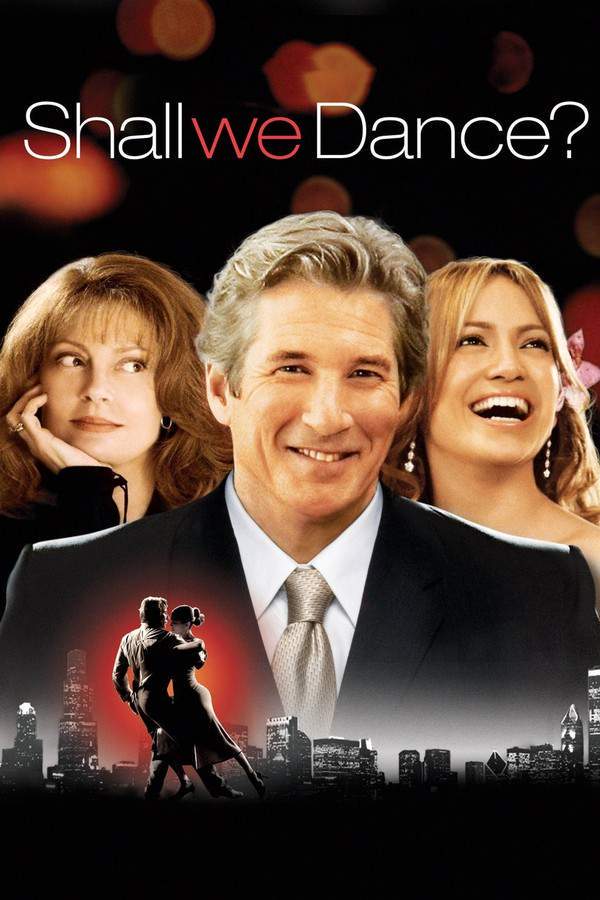
Shall We Dance? (1997) movie poster

Timeline

Shall We Dance? (1997) Timeline Explained – Every Event in Order

Release, runtime and language
1997 · 136 min · English
Loading streaming availability…
Directed by
Masayuki Suo
Starring
Kôji Yakusho, Naoto Takenaka, Tamiyo Kusakari

A meticulous executive's predictable life takes an unexpected turn when he signs up for ballroom dance classes hoping to find romance. As he learns the steps, he becomes immersed in a vibrant community of dancers and forms surprising friendships. He struggles to keep his newfound hobby a secret from his colleagues and family, leading to humorous situations and personal growth.

On this page (6)
  1. 1 Where to watch
  2. 2 Events in order (15)
  3. 3 Timeline questions answered
  4. 4 Movie threads
  5. 5 Movies like Shall We Dance?
  6. 6 Every angle
Loading streaming availability…

15 events in order · contains spoilers

Shall We Dance? Timeline: Events in Chronological Order

Every key event of Shall We Dance? (1997) in order, scene by scene, with when and where it takes place. Use it to untangle flashbacks, time jumps and parallel storylines, to refresh your memory before the sequel or to find the exact scene you are thinking of.

  1. Opening scene: Inscription at Blackpool Tower Ballroom

    The film opens with a close-up of the Shakespeare inscription above the stage in the Blackpool Tower ballroom, setting a tone of enchantment and danger. A narrator notes that ballroom dancing is viewed with suspicion in Japan. This framing establishes the tension between aspiration and social convention that drives the story.

    When
    Opening scene
    Where
    Blackpool Tower Ballroom
  2. Sugiyama's ordinary life: success vs. depression

    Shohei Sugiyama appears to have a stable life—suburban home, loving wife Masako, daughter Chikage, and a Tokyo accountant job—yet he is drifting into depression. He senses his life lacks direction and meaning, despite outward success. The seeds of personal crisis are planted here.

    When
    Present day, early in the story
    Where
    Suburban Tokyo home; Tokyo office
  3. Night sighting: a dance studio window sparks a decision

    One night on the Seibu Ikebukuro Line, he notices a solitary, melancholic woman looking out from a dance studio window. This is Mai Kishikawa, a renowned figure on the Western ballroom circuit. He impulsively resolves to try dance lessons, hoping they might fill the void.

    When
    Night
    Where
    Seibu Ikebukuro Line; dance studio
  4. First lessons and new connections

    In the studio, Sugiyama begins lessons with Tamako Tamura, an experienced teacher who becomes his mentor. He also meets classmates including Tōkichi Hattori, Masahiro Tanaka, and Toyoko Takahashi, and discovers that Tomio Aoki, a colleague, secretly dances. The lessons pull him deeper into a world he hadn’t imagined.

    When
    Days after first lessons
    Where
    Dance studio
  5. A double secret: dance life kept from wife and colleagues

    Sugiyama’s enthusiasm has to be kept secret from Masako and his coworkers because Western dancing clashes with traditional Japanese norms. He worries about embarrassment and the shame of showing this passion publicly. The dual secrecy adds tension to every dance step he takes.

    When
    Early in the dance course
    Where
    Home and workplace
  6. Mai rebuffs, but the love of dance endures

    Mai rebuffs him, at least initially, but his obsession with dancing persists even without her romantic interest. The activity becomes a source of meaning and a fresh sense of self. He continues to attend classes while keeping his feelings at bay.

    When
    Soon after initial encounters
    Where
    Dance studio
  7. Private detective hired by Masako

    Masako notices his odd behavior and hires a private detective to follow him, fearing an affair and a life he is keeping from her. The detective’s presence makes Sugiyama feel both exposed and vulnerable. The investigation underscores the widening rift in their marriage.

    When
    Shortly after Mai’s initial rebuff
    Where
    Home; around the city
  8. Amateur competition with classmates

    Together with his classmates, Sugiyama enters an amateur dance competition. Mai is in the audience, heightening the stakes and the tension he feels. During the performance he stumbles, nearly knocks his partner, and accidentally tears her dress, leading to a chaotic exit.

    When
    Competition day
    Where
    Amateur competition venue
  9. Aoki ridiculed; Sugiyama defends him

    Aoki is ridiculed at work after colleagues read about the failure in the newspaper, and Sugiyama publicly defends him, urging his peers not to mock something they do not understand. The moment marks a rare stand against the social mockery surrounding their hobby. It shows Sugiyama choosing integrity over embarrassment.

    When
    After the competition and newspaper coverage
    Where
    Workplace
  10. Sugiyama contemplates giving up dance

    Back at home, Sugiyama tells his family that he has given up on dance, hoping to reconcile the secret life with normal life. Masako listens, uncertain but supportive, and starts to reassess their relationship. The rift appears to be deepening but not irreparable.

    When
    After the competition and public scrutiny
    Where
    Home
  11. Mai’s farewell and Mai’s letter

    Toyoko and Aoki visit to urge him to return to dance and to accept Mai’s invitation to a farewell party for her departure to Blackpool. They bring a letter from Mai explaining her own past failures and how working with Sugiyama revived her. The letter reframes his and Mai's shared potential.

    When
    Later in the story
    Where
    Home; Mai’s farewell circle
  12. Family reconciliation and support

    Sugiyama and Masako have a real conversation about what happened, and Masako signals willingness to try again, while their daughter Chikage nudges them toward reconciliation. The family begins to bridge the gap created by the secret life of dance. The home becomes a site of healing and renewed connection.

    When
    Following Mai’s letter
    Where
    Home
  13. Reignited resolve on the train

    On the way home the next day, Sugiyama looks out the train window and sees a sign in the dance studio window reading Shall we dance, Mr. Sugiyama, reigniting his resolve. He heads toward the farewell party where Mai awaits. The moment rekindles his belief that dance can rejoin his life.

    When
    The day after the letter
    Where
    Train; dance studio vicinity
  14. Arrival for the final dance

    He arrives at the party in time for the last dance, where Mai is selecting her partner for the final number. The atmosphere crackles with possibility as old loyalties and new hopes collide on the dance floor.

    When
    Last dance of the event
    Where
    Farewell party venue
  15. Shall we dance? Mai’s invitation

    Mai approaches and asks Shall we dance, inviting Sugiyama to finally commit to dancing with her. The film closes on this open-ended question, leaving their future partnership and happiness to the music and their readiness to take the next step.

    When
    End scene
    Where
    Dance floor

Last updated: October 09, 2025 at 15:45

Was this helpful?

Timeline questions answered

Shall We Dance? Timeline Explained: Your Questions Answered

When does it happen, and why in that order? The questions people ask about the chronology of Shall We Dance? (1997): time jumps, flashbacks, cause and effect between scenes and the correct order of events, each answered with spoilers.

Q1

Why did Sugiyama start taking dance lessons?

Sugiyama started taking dance lessons after spotting Mai Kishikawa through a dance studio window one night. He wasn't pursuing romance, instead, he was searching for meaning in his life, as he had fallen into a deep sense of directionless depression despite his successful outer life. The dance studio represented something new and alive that his predictable routine as a salaryman lacked.

Foreshadowing: Earlier in the film, he describes feeling like his life has no direction, setting up his need for a creative outlet.

  • sugiyama motivation
  • midlife crisis
  • finding meaning
  • dance studio scene
Q2

Why did Sugiyama keep his dancing secret from Masako?

Sugiyama kept his dancing hidden because Western ballroom dancing was viewed with suspicion in Japan and carried social stigma, especially for a serious salaryman. He feared embarrassment from colleagues and shame from his family, so he maintained a double life, going to work in a suit while secretly attending evening classes at the studio.

Foreshadowing: The opening narrator explains that ballroom dancing is regarded with suspicion in Japan, establishing the cultural barrier Sugiyama faces.

  • secret hobby
  • social stigma
  • workplace secrecy
  • japanese culture
Q3

Why did Mai Kishikawa initially reject Sugiyama?

Mai initially rebuffed Sugiyama not because she disliked him, but because she was still haunted by a past failure at Blackpool that damaged her trust in partnerships. Her letter later reveals that working with Sugiyama and Toyoko actually helped rekindle her faith in dancing with others. She wasn't avoiding him out of disinterest, she was protecting herself from potential disappointment.

Foreshadowing: The film opens with the Blackpool Tower inscription, hinting at Mai's unfinished business with that very venue.

  • mai kishikawa
  • past failure
  • trust issues
  • ballroom partnership
Q4

Why did Masako hire a private investigator?

Masako hired a private detective because she noticed odd changes in Sugiyama's behavior, his late absences, strange mood shifts, and hidden activities. She suspected he was having an affair, not just pursuing a hobby. The detective's findings, combined with Sugiyama's increasing devotion to the studio, eventually revealed the truth about his secret passion.

Foreshadowing: Masako's unease is visible early on as she watches Sugiyama drift further into his mysterious routine.

  • masako
  • marriage problems
  • suspicion
  • private investigator
  • infidelity fear
Q5

What went wrong during the amateur competition?

During the amateur competition, Sugiyama stumbled mid-performance, nearly knocked over his partner, and accidentally tore her dress. The mishap forced them to withdraw from the contest. The incident was embarrassing but humanizing, showing that even sincere effort doesn't guarantee perfection on stage.

Foreshadowing: The tension builds as Sugiyama performs in front of Mai, adding psychological pressure to an already nerve-wracking situation.

  • amateur competition
  • dance accident
  • torn dress
  • performance failure
Q6

Why did Sugiyama defend Aoki at work after the competition?

Sugiyama defended Aoki because he was ridiculed by colleagues after newspaper coverage of the competition failure. Rather than distance himself from the embarrassment, Sugiyama stood up for his classmate and urged coworkers not to mock something they don't understand. This moment marked his first public stand for dancing as a legitimate pursuit worth respecting.

Foreshadowing: Earlier, we learn Aoki secretly wears a wig to hide his true passion, showing how deeply societal expectations affect these men.

  • aoki
  • workplace ridicule
  • defending passion
  • social expectations
Q7

Why did Sugiyama say he was giving up dance after the competition?

Sugiyama declared he was quitting dance to try reconciling his secret hobby with his family life. The public failure, combined with the shame it brought, made him believe abandoning dance might restore normalcy at home. However, this sacrifice strained him further, as dancing had become his primary source of meaning and self-expression.

Foreshadowing: This moment marks the lowest point in his arc, where he chooses societal approval over personal fulfillment.

  • quitting dance
  • sacrifice
  • family reconciliation
  • failure shame
Q8

What did Mai's letter reveal about her past?

Mai's letter explained that she had experienced a past failure at Blackpool that shattered her confidence in partnered dancing. Working with Sugiyama and Toyoko during classes rekindled her trust in the joy of dancing with others. The letter reframed her earlier rebuff, she wasn't dismissing Sugiyama but rather slowly reopening herself to partnership after personal heartbreak.

Foreshadowing: The Blackpool inscription at the opening symbolizes her unresolved competitive dreams and connects to her past defeat there.

  • mai letter
  • blackpool failure
  • partnership trust
  • past heartbreak
Q9

What made Sugiyama decide to return to dancing?

Sugiyama decided to return after seeing the studio sign reading "Shall we dance, Mr. Sugiyama" from the train window the day after receiving Mai's letter. The combination of her heartfelt words about renewed trust and this visible reminder of the community waiting for him reignited his resolve. He realized he couldn't abandon something that had given his life meaning.

Foreshadowing: The moment mirrors his initial spark when he first saw Mai in the studio window, an external image triggering internal change.

  • return to dance
  • studio sign
  • mai letter
  • second chance
Q10

Does Sugiyama end up with Mai or stay with his wife?

The ending is deliberately ambiguous, Mai asks Sugiyama to dance with her at her farewell party, but the film's true resolution is his reconciliation with Masako. Earlier, they reconnect through honest conversation, and their daughter Chikage helps them remember what they mean to each other. The final dance with Mai represents professional renewal and closure with her, not a romantic betrayal of his marriage.

Foreshadowing: The reconciliation scene with Masako happens before the farewell party, showing his choice has already been made.

  • ending explanation
  • mai vs masako
  • marriage reconciliation
  • final dance meaning
Q11

What does the Blackpool Tower inscription mean?

The inscription reads "Bid me discourse, I will enchant thine ear" from Shakespeare's Venus and Adonis. It sets a tone of romantic enchantment and danger. Since Mai's past failure occurred at Blackpool and the film ends with her return there, the quote foreshadows her journey toward reopening herself to partnership and the transformative power of dance.

Foreshadowing: This opening image directly connects to Mai's storyline and the film's thematic concern with vulnerability in relationships.

  • shakespeare quote
  • blackpool tower
  • symbolism
  • opening scene meaning
Q12

Why is ballroom dancing considered taboo in this film?

The film explains through its narrator that Western ballroom dancing carried social suspicion in Japan, particularly for middle-aged salarymen. It was seen as an embarrassing hobby that didn't fit traditional masculine expectations. This cultural stigma forces Sugiyama and his classmates to hide their passion, creating the central tension between personal fulfillment and social approval that drives the story.

Foreshadowing: The entire secret-keeping subplot, from Sugiyama's dual life to Aoki's wig, stems from this cultural disapproval.

  • japanese social norms
  • dancing stigma
  • salaryman expectations
  • cultural context

Movie threads

More Movies Like Shall We Dance?, by Mood & Story

Curated lists built around what makes Shall We Dance? tick: the same mood, the same kind of story or the same emotional payoff. Each list explains why these movies belong together.

Movies about midlife awakenings like Shall We Dance?

Characters in a rut who discover unexpected joy and identity outside their routine. If you enjoyed the story of a man rediscovering joy in 'Shall We Dance?', you'll like these movies about characters breaking free from routine. These similar dramas and comedies explore midlife awakenings, secret hobbies, and the heartfelt journey of finding a new passion that changes everything.

  • reflective
  • uplifting
  • heartfelt
  • melancholic
  • whimsical
  • nostalgic
  • Tone: hopeful, reflective
  • Pacing: steady, character-driven
Why these movies?

The story pattern: Stories in this thread typically follow a linear, character-driven arc where a protagonist, feeling a sense of emptiness or conformity, stumbles upon an activity or community that ignites a hidden part of themselves. The central conflict involves balancing their secret life with their public one, culminating in a revelation that leads to growth, reconciliation, and a more authentic existence.

Why they belong together: These films are grouped by their shared focus on a specific character arc—the midlife rediscovery of joy. They blend reflective melancholy with uplifting hope, maintain a steady pacing to savor character development, and explore themes of personal fulfillment versus social duty, resulting in a coherent and emotionally resonant experience.

Movies about finding community like Shall We Dance?

Stories where an outsider finds belonging and connection in an unexpected group. For viewers who loved the found family of dancers in 'Shall We Dance?', this list features similar heartfelt stories. Discover other uplifting dramas and comedies about characters finding their place in an unexpected community, forming deep bonds, and experiencing the joy of belonging.

  • uplifting
  • heartfelt
  • joyful
  • inspiring
  • tender
  • celebratory
  • Tone: uplifting, heartfelt
  • Pacing: steady, relational
Why these movies?

The story pattern: The narrative pattern involves a character entering a new, often niche, world—a dance studio, a club, a team—as an outsider. Through a series of shared challenges and triumphs, they earn the trust and camaraderie of the group. The journey emphasizes the importance of connection, the breaking down of personal barriers, and the collective celebration of small victories.

Why they belong together: These films are united by their uplifting exploration of community. They share a hopeful tone, a steady pace that allows relationships to develop authentically, and a medium emotional weight that balances personal struggles with the warmth of connection. The experience is consistently heartfelt and affirming.

If you liked this

Movies Like Shall We Dance?

Similar movies to Shall We Dance?: the same genre, themes or kind of story. Each one comes with its own plot summary, timeline and ending explained.

Browse all movie summaries

Every angle

Shall We Dance? (1997) Explained: Plot, Timeline & Characters

Everything about Shall We Dance? in one place: what happens in the plot summary, the timeline in chronological order, the characters and meaning and a spoiler-free summary. What's After the Movie adds the cast, box office and post-credit scenes.

Coming soon on iOS and Android

The Plot Explained Movie Summary App

Plot summaries, endings explained and timelines on your phone. Catch up on any movie in minutes, save your favorites and never miss a twist again.

Be the first to know when we launch. Your email stays private, always.

Learn more about the app