Plot Explained Spoilers guaranteed!
Plot Explained

Browse by genre

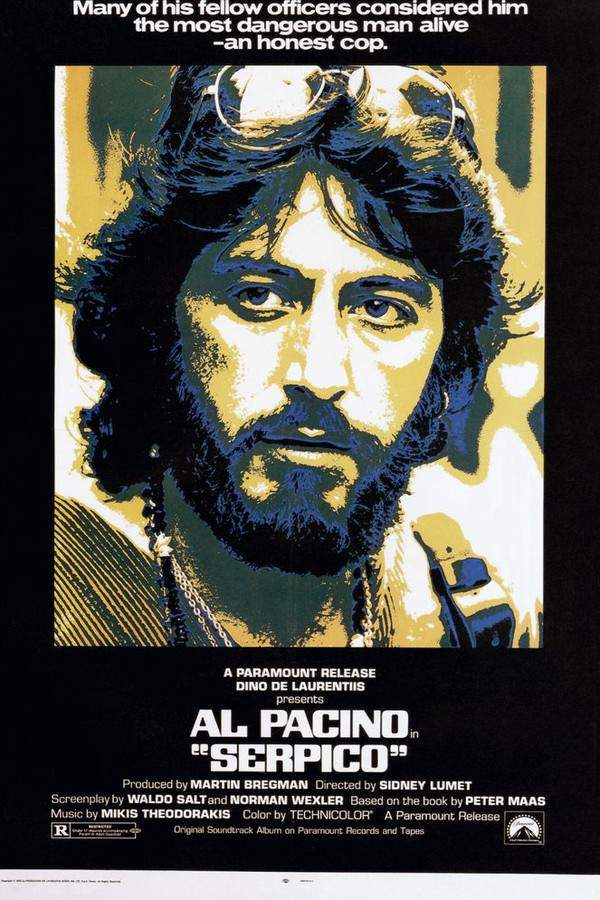
Serpico (1973) movie poster

Timeline

Serpico (1973) Timeline Explained – Every Event in Order

Release, runtime and language
1973 · 130 min · English
Loading streaming availability…
Directed by
Sidney Lumet
Starring
Al Pacino, John Randolph

In a city rife with corruption, idealistic Detective Frank Serpico (Al Pacino) challenges the established system. He exposes widespread bribery and cronyism within the police force, leading to isolation and dangerous repercussions from his colleagues. When his concerns are ignored, Serpico takes the courageous step of exposing the corrupt institution that once protected him, risking his career and his life in the process.

On this page (6)
  1. 1 Where to watch
  2. 2 Events in order (15)
  3. 3 Timeline questions answered
  4. 4 Movie threads
  5. 5 Movies like Serpico
  6. 6 Every angle
Loading streaming availability…

15 events in order · contains spoilers

Serpico Timeline: Events in Chronological Order

Every key event of Serpico (1973) in order, scene by scene, with when and where it takes place. Use it to untangle flashbacks, time jumps and parallel storylines, to refresh your memory before the sequel or to find the exact scene you are thinking of.

  1. Frank's Wounded State

    The film opens with Frank Serpico, played by Al Pacino, bloodied and slumped in the backseat of a police car. Sirens wail as he is rushed to the hospital following a brutal gunshot wound to the face, setting the stage for his turbulent journey within the NYPD.

    Where
    Police Car
  2. Beginning of Frank's Career

    Frank Serpico starts his career as a police officer in 1960, fueled by idealism and a strong belief in non-violent approaches to law enforcement. His dedication to upholding justice is apparent as he strives to make a positive impact in the community.

    When
    1960
  3. Confronting Corruption

    Serpico discovers rampant corruption within the police department, particularly the culture of bribery that includes payoffs from illegal activities. His principled stand against these unethical practices causes friction with many of his colleagues, leading to a sense of isolation.

  4. Alienation in Greenwich Village

    As tensions rise, Frank moves to Greenwich Village, an artistic and countercultural neighborhood. His long hair and beard mark a stark departure from the traditional police image, causing further alienation from his fellow officers.

    Where
    Greenwich Village
  5. Failed Appeals to Superiors

    Frank attempts to address the levels of corruption by appealing to his superiors within the NYPD. Unfortunately, he is met with systemic indifference, further reinforcing his commitment to fighting against the corruption plaguing the police force.

  6. Joining Forces with Bob Blair

    Frank teams up with a sympathetic officer, Bob Blair, to combat the corruption in the department. Their partnership is formed with hope, but they soon find themselves thwarted by the entrenched bureaucracy that resists any attempts at change.

  7. Personal Struggles

    The strain of his fight against corruption takes a toll on Frank's personal life, ultimately leading to the departure of his fiancée, Laurie. Her leaving intensifies his feelings of isolation and underscores the sacrifices he has made for his principles.

  8. Support from an Inspector

    After gaining support from a sympathetic police inspector, Frank sees a flicker of hope as he aims to dismantle gambling networks and expose police corruption. This development leads to his long-awaited transfer to the narcotics division.

  9. A Hostile Environment

    Upon entering the narcotics division, Frank finds himself in an even more hostile environment. Surrounded by colleagues hostile to his investigative approach, he faces significant challenges in pursuing his mission.

  10. The Tragic Shooting

    During a raid on a heroin lab, Frank is shot in the face, a devastating act that leaves him vulnerable. Tragically, he is abandoned by fellow officers whom he hoped would support him, intensifying his sense of betrayal.

    Where
    Heroin Lab
  11. Harrowing Recovery

    Following the shooting, Frank undergoes a harrowing recovery process. Surrounded by family and a shrinking circle of friends, he grapples with the effects of his injuries and the hatred directed at him through anonymous letters.

  12. Testifying Before the Knapp Commission

    As the climax approaches, Frank bravely testifies before the Knapp Commission, shedding light on the corruption ingrained within the police force. His testimony marks a significant step in his fight for justice and accountability.

  13. A Bittersweet Promotion

    Despite facing adversity, Frank is promoted to detective and lauded for his bravery. However, the recognition feels hollow as it comes from the very officers who had previously ostracized him.

  14. Decision to Resign

    Faced with the reality of his circumstances and the emotional toll of his experiences, Frank makes the difficult decision to resign from the NYPD. He chooses to leave behind the strife-filled life he has known.

  15. A New Beginning in Switzerland

    The film concludes with Frank waiting to board a ship, symbolizing his desire for a fresh start away from the corruption. He hopes to find peace in Switzerland, leaving the turmoil of his past behind.

    Where
    Switzerland

Last updated: November 15, 2024 at 19:10

Was this helpful?

Timeline questions answered

Serpico Timeline Explained: Your Questions Answered

When does it happen, and why in that order? The questions people ask about the chronology of Serpico (1973): time jumps, flashbacks, cause and effect between scenes and the correct order of events, each answered with spoilers.

Q1

Why was Serpico shot during the heroin lab raid?

Serpico was shot in the face during a raid on a heroin lab in the narcotics division. He was abandoned by fellow officers during the raid, left without backup in a vulnerable position. The shooting is widely believed to be a direct result of his relentless crusade against police corruption, his colleagues in narcotics were hostile to his principled investigative approach and saw him as a threat to their illicit operations.

Foreshadowing: Earlier scenes show his transfer to narcotics was presented as a long-awaited career move, but the division was even more hostile than his previous assignment.

  • serpico shot
  • heroin lab raid
  • narcotics division
  • police corruption
Q2

Why did Serpico's fellow officers leave him during the raid?

Serpico's fellow officers abandoned him during the heroin lab raid because they resented his integrity and saw his corruption investigations as a threat to their illicit income. When he was shot, they simply left him behind rather than provide backup or assistance. This betrayal was the culmination of years of hostility toward him within the department.

Foreshadowing: Throughout the film, his colleagues view his principled stance as a threat, and his isolation from the force progressively increases.

  • serpico abandoned
  • police betrayal
  • nypd colleagues
  • corrupt police
Q3

Why did Serpico's fiancée leave him?

Serpico's fiancée Laurie left him because the constant stress from his fight against corruption and the toll it took on his personal life became unbearable. The strain of his relentless campaign, combined with his increasing alienation from both the department and conventional society, created an impossible situation for their relationship.

Foreshadowing: The film shows his growing isolation from both colleagues and personal connections as his crusade intensifies.

  • laurie serpic
  • fiancée
  • personal sacrifice
  • relationship
Q4

Why was Serpico isolated within the NYPD?

Serpico was isolated because his unwavering refusal to participate in bribery and payoffs made him a threat to his colleagues. His principled stand against corruption marked him as untrustworthy in a department where the culture of bribery was pervasive. His appearance, long hair and beard in Greenwich Village, further alienated him from the traditional police image.

Foreshadowing: From his first days on the force, his commitment to non-violent methods and honesty set him apart from fellow officers.

  • serpico isolation
  • nypd corruption
  • police bribery
  • alienation
Q5

Why did Serpico's transfer to the narcotics division become problematic?

Serpico's transfer to the narcotics division came after a sympathetic inspector agreed to help him expose corruption to The New York Times. However, the assignment proved to be a陷阱, he entered an even more hostile environment where fewer allies existed and animosity toward his investigative approach was intensified. This ultimately led to the devastating shooting.

Foreshadowing: His earlier appeals to superiors were met with indifference, suggesting the system would ultimately redirect him into danger.

  • narcotics division
  • serpico transfer
  • police assignment
  • undercover
Q6

What was the Knapp Commission and what happened during Serpico's testimony?

The Knapp Commission was an official investigatory body established to examine police corruption in the NYPD. Serpico testified bravely before the commission, providing detailed testimony about widespread corruption, bribery, and criminal activities within the police force. His testimony marked a significant culmination of his years-long fight for accountability.

Foreshadowing: The film builds toward this moment as the payoff for his personal sacrifices and struggles against the department.

  • knapp commission
  • police corruption testimony
  • investigation
  • new york times
Q7

Why did Serpico decide to move to Switzerland at the end?

Serpico decided to leave for Switzerland because the personal toll of his fight against corruption had become unsustainable. After being shot in the face, recovering from serious injuries, receiving anonymous hate mail, and being betrayed by colleagues, he realized he could no longer remain in the city or force that had caused him so much harm. Switzerland represented a fresh start away from the trauma and institutional betrayal.

Foreshadowing: His increasing isolation throughout the film and the physical/emotional scars from the shooting foreshadow his need to escape completely.

  • serpico switzerland
  • exile
  • new beginning
  • resignation
Q8

Why was Serpico promoted to detective after being ostracized?

Serpico was promoted to detective and honored for his "conspicuous bravery in action" despite years of ostracism because the department wanted to appear supportive of his testimony before the Knapp Commission. However, the recognition felt hollow, it came from the very officers who had turned their backs on him and abandoned him during the raid that nearly killed him.

Foreshadowing: The promotion represents the institutional hypocrisy that Serpico fought against throughout the film.

  • serpico promotion
  • detective rank
  • police recognition
  • bravery award
Q9

Why did Serpico's appeals to his superiors about corruption fail?

Serpico's appeals to superiors about corruption failed because the systemic indifference within the NYPD protected the entrenched culture of bribery. Despite numerous attempts to address corruption through proper channels, he was consistently met with bureaucratic resistance. The system was designed to protect itself rather than allow exposure of wrongdoing.

Foreshadowing: Early scenes establish that corruption was deeply embedded in the department's operations.

  • serpico reports corruption
  • superiors
  • internal complaints
  • bureaucracy
Q10

Why did Serpico adopt the countercultural appearance in Greenwich Village?

Serpico moved to Greenwich Village and adopted long hair and a beard as he became aligned with the counterculture movement and a left-leaning social circle. This wasn't just fashion, it reflected his growing alienation from the traditional police force and his search for community among those who shared his progressive values. The appearance further distanced him from his fellow officers.

Foreshadowing: This transformation visually represents his increasing isolation from the NYPD.

  • greenwich village
  • counterculture
  • 1960s
  • serpico appearance

Movie threads

More Movies Like Serpico, by Mood & Story

Curated lists built around what makes Serpico tick: the same mood, the same kind of story or the same emotional payoff. Each list explains why these movies belong together.

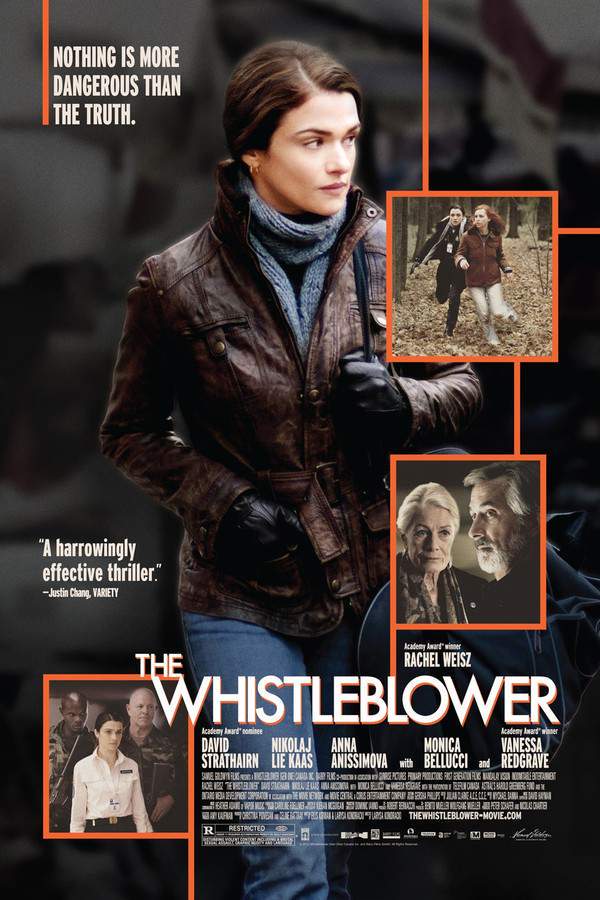
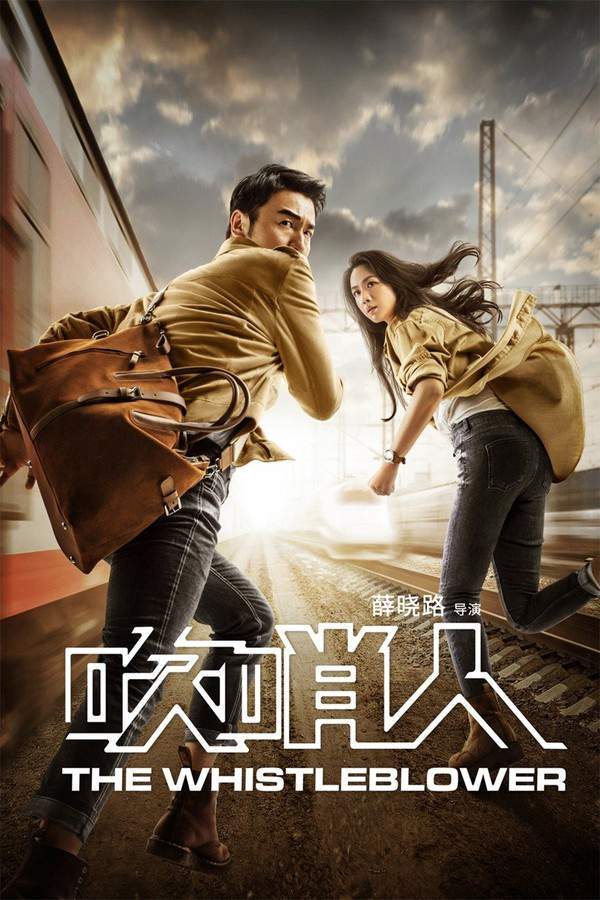
Movies about lone whistleblowers like Serpico

A principled individual stands alone to expose a deeply entrenched, corrupt institution. If you admired Frank Serpico's solitary fight, you'll appreciate these movies about individuals taking on corrupt systems. This list features similar films where a principled character risks everything to expose institutional failure, capturing the same tense, isolating, and morally complex vibe.

  • tense
  • isolating
  • frustrating
  • principled
  • uneasy
  • suspenseful
  • Tone: dark, tense, cynical
  • Pacing: steady, methodical build
Why these movies?

The story pattern: The narrative follows a linear path of discovery, moral crisis, and confrontation. The protagonist initially believes in the system but uncovers its rot, leading to an internal struggle. Their attempts to report the corruption internally are ignored, forcing them into a lonely and dangerous external crusade that often costs them their career, safety, and peace of mind.

Why they belong together: Movies are grouped here based on their central theme of institutional corruption and the archetype of the lone whistleblower. They share a dark, tense tone, a steady pacing that builds dread, and a heavy emotional weight derived from the protagonist's isolation and the high-stakes moral conflict.
Gritty 1970s dramas with a similar feel to Serpico

Character-driven stories set in the grim, authentic atmosphere of 1970s American cities. For viewers who loved the authentic, gritty vibe of Serpico's 1970s New York, this list features movies that share the same atmospheric realism. Discover similar character-driven stories from the era that capture the tension, moral complexity, and visceral feel of urban life in decay.

  • gritty
  • realistic
  • cynical
  • tense
  • atmospheric
  • gloomy
  • Tone: dark, cynical, realistic
  • Pacing: steady, atmospheric
Why these movies?

The story pattern: The narratives are typically straightforward and character-focused, often revolving around a single individual navigating a corrupt or broken environment. The city itself acts as a character, its grimy and chaotic nature reflecting the internal turmoil of the protagonist. Stories often end on a bittersweet or bleak note, underscoring the difficulty of achieving meaningful change in a compromised world.

Why they belong together: These films are grouped by their distinct aesthetic and temporal setting—the gritty realism of 1970s American cinema—and the mood it creates. They share a dark tone, steady pacing, and a focus on moral ambiguity within a decaying urban landscape, resulting in a cohesive and immersive viewing experience.

If you liked this

Movies Like Serpico

Similar movies to Serpico: the same genre, themes or kind of story. Each one comes with its own plot summary, timeline and ending explained.

Browse all movie summaries

Every angle

Serpico (1973) Explained: Plot, Timeline & Characters

Everything about Serpico in one place: what happens in the plot summary, the timeline in chronological order, the characters and meaning and a spoiler-free summary. What's After the Movie adds the cast, box office and post-credit scenes.

Coming soon on iOS and Android

The Plot Explained Movie Summary App

Plot summaries, endings explained and timelines on your phone. Catch up on any movie in minutes, save your favorites and never miss a twist again.

Be the first to know when we launch. Your email stays private, always.

Learn more about the app