


Plot Explained Spoilers guaranteed!
Plot Explained

Browse by genre

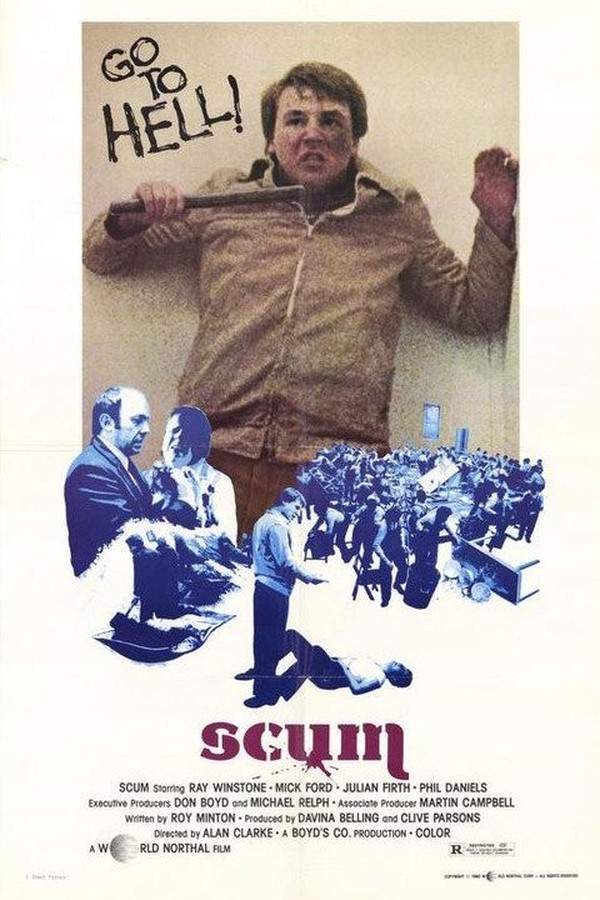
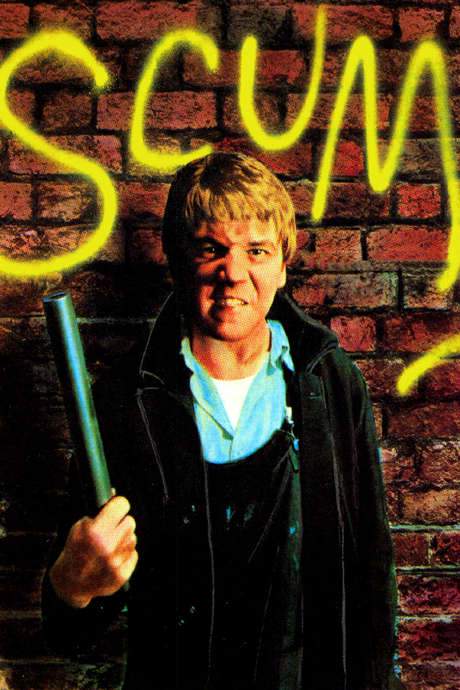
Scum (1979) movie poster

Timeline

Scum (1979) Timeline Explained – Every Event in Order

Release, runtime and language
1979 · 98 mins · English
Directed by
Alan Clarke
Starring
Ray Winstone, Philip Jackson, Phil Daniels, Andrew Paul, Julian Firth, Ray Burdis

In Borstal, survival rules! Powerful, uncompromising drama about two boys’ struggle for survival in the nightmare world of Britain’s notorious Borstal Reformatory.

On this page (6)
  1. 1 Where to watch
  2. 2 Events in order (14)
  3. 3 Timeline questions answered
  4. 4 Movie threads
  5. 5 Movies like Scum
  6. 6 Every angle

Where to watch

Where to Watch Scum (1979)

Where can you watch Scum? Stream, rent or buy it in the US, including on Kanopy: current JustWatch availability with up-to-date prices.

Streaming availability powered by JustWatch

14 events in order · contains spoilers

Scum Timeline: Events in Chronological Order

Every key event of Scum (1979) in order, scene by scene, with when and where it takes place. Use it to untangle flashbacks, time jumps and parallel storylines, to refresh your memory before the sequel or to find the exact scene you are thinking of.

  1. Three new inmates arrive and are assigned rooms

    Carlin, Angel, and Davis arrive by prison van and are allocated to living quarters within the borstal. Carlin attempts to stay low-profile, while Angel and Davis receive single rooms and Carlin is placed in a dormitory. The arrival foreshadows the harsh hierarchy that will dominate the wing.

    When
    Day 1
    Where
    Borstal
  2. Carlin befriends Archer and learns about Banks's dominance

    Carlin meets Archer, a reflective inmate who pursues peaceful disruption over violence. Archer explains Banks—'Daddy' of the wing—keeps control through bullying, aided by Richards and Eckersley and a compliant staff. The conversation sets up the power dynamics that will drive later conflicts.

    When
    Day 1
    Where
    Borstal wing common area
  3. First assaults reveal Banks's rule

    Carlin witnesses Davis being hazed and attacked by Banks, and Angel is beaten in his room by Banks and Richards. Carlin himself is headbutted by Banks in an unprovoked assault, highlighting the violent regime that governs the wing. These events crystallize the threat Carlin faces and his potential for action.

    When
    Day 1
    Where
    Wing
  4. Davis is framed and sent to solitary

    Davis is framed for theft by Eckersley and placed on report. The three newcomers are subsequently moved to solitary confinement as the staff's tolerance for dissent shrinks. The episode marks the escalation toward collective resistance.

    When
    Day 2
    Where
    Wing solitary confinement
  5. Carlin gears up for revenge and arms himself

    Carlin prepares to assert control by arming himself with an improvised cosh: snooker balls stuffed into a sock. He uses this weapon to threaten Richards, forcing Eckersley to back down. The act signals his readiness to challenge Banks's regime.

    When
    Day 3
    Where
    Rec room
  6. Carlin confronts Banks and asserts dominance

    Carlin tracks Banks to a washroom and delivers a severe beating, making it clear who now governs the wing. He then explicitly warns Banks about his future under Carlin's 'natural leadership'. The confrontation marks a turning point in the wing's power balance.

    When
    Day 3
    Where
    Washroom
  7. Carlin defeats an opposing Daddy to widen control

    A rival wing's Daddy challenges Carlin, but Carlin overpowers him in a brutal fight and imposes his rule across the broader borstal area. The defeat deters further challenges and consolidates his authority. Other inmates begin to expect more protection under Carlin's leadership.

    When
    Day 5
    Where
    Adjacent wing
  8. Warders recognize Carlin and grant a single cell

    The warders acknowledge Carlin's burgeoning leadership and entrust him with responsibility as a 'natural leader'. In return, he secures a single cell, moving from the dormitory to a more privileged accommodation. This change solidifies his status among inmates and staff.

    When
    Day 7
    Where
    Housemaster Goodyear's block / Goodyear's office
  9. Toyne's despair and death-in-waiting

    Meakin's friend Toyne receives news of his wife's death by letter and falls into deep despair. Warders scold him for moping, but his gloom deepens, leading him to injure himself and later transfer to an adult prison where he dies after a second suicide attempt. The tragedy compounds the sense of hopelessness in the facility.

    When
    Day 7
    Where
    Borstal
  10. Davis's assault and warder complicity

    While working in a greenhouse, Davis is gang-raped by three youths who had asked for a smoking break. Warder Sands sees what happens but grins and does nothing to intervene, then resumes supervising without addressing the assault. The guards' indifference amplifies the inmates' sense of injustice.

    When
    Day 9
    Where
    Greenhouse
  11. Davis kills himself

    Distraught by the assault, Davis kills himself with a razor blade. He presses the call button but warder Greaves ignores him as he bleeds. The suicide becomes the breaking point that triggers broader unrest.

    When
    Night of Day 9
    Where
    Davis's cell
  12. Dining hall riot erupts

    In response to Davis's death, the inmates refuse to eat and Carlin initiates a full-scale riot in the dining hall. The hall erupts into chaos as guards move to restore order. The event demonstrates the collective anger and the fragility of the borstal's control.

    When
    Day 10
    Where
    Dining hall
  13. Carlin, Archer and Meakin are dragged to solitary after riot

    Following the riot, Carlin, Archer and Meakin are beaten and dragged, bleeding and unconscious, into solitary confinement by wardens. The punishment underscores the high cost of their rebellion and the regime's continued control. Their injuries reflect the physical toll of challenging the system.

    When
    Day 11
    Where
    Solitary confinement wings
  14. Governor condemns the damage and leads a memorial

    The governor informs them that the damage to the dinner hall will be paid through lost earnings. He then leads a minute's silent prayer for Davis and Toyne, offering a somber closure to the events. The scene marks the moral reckoning and the official response to the turmoil.

    When
    End
    Where
    Governor's office / Borstal

Last updated: October 09, 2025 at 12:31

Was this helpful?

Timeline questions answered

Scum Timeline Explained: Your Questions Answered

When does it happen, and why in that order? The questions people ask about the chronology of Scum (1979): time jumps, flashbacks, cause and effect between scenes and the correct order of events, each answered with spoilers.

Q1

Why does Carlin take control of the borstal wing?

Carlin takes control after witnessing the brutal violence inflicted on new arrivals like Davis and Angel. Rather than simply surviving, he decides to become the wing's leader using calculated violence, a severe beating of Banks with an improvised cosh, to create a system where he, not the abusive guards or violent inmates, holds power. His motivation is to protect himself and others from the random cruelty of the existing regime, though his new order remains brutal.

Foreshadowing: Earlier, Archer explains that the wing operates through fear and intimidation, setting up Carlin's decision to use the same tactic.

  • carlin
  • borstal
  • power
  • leadership
  • banks
Q2

How does the "Daddy" system work in the borstal?

The "Daddy" is the inmate who controls the wing through fear and violence, supported by loyal enforcers like Richards and Eckersley. This informal hierarchy exists because staff largely ignore or tolerate the inmates' self-governance, allowing a brutal pecking order where the strongest inmate rules over others through intimidation. Banks holds this position at the start, maintaining control through assault and psychological terror.

  • daddy
  • borstal
  • hierarchy
  • inmates
  • power structure
Q3

Why do the warders allow the violence to continue?

The warders operate with deliberate indifference, treating the borstal as a self-policing system where they avoid direct confrontation with inmates. They turn a blind eye to bullying and violence because intervening would require effort and accountability. When Davis is being assaulted or when the gang rape occurs in the greenhouse, warders like Sands simply grin and walk away, prioritizing institutional convenience over inmate safety.

Foreshadowing: Archer notes that staff largely ignore the wing's power struggles, establishing this pattern of neglect early.

  • warders
  • guards
  • bribes
  • indifference
  • abuse
Q4

What causes Davis to kill himself?

Davis commits suicide after being brutally gang-raped by three youths in the greenhouse while warder Sands watches and does nothing. The assault leaves him traumatized, and when he presses his call button for help, warder Greaves ignores him as he bleeds. The combination of sexual violence, institutional abandonment, and complete helplessness drives Davis to slash his wrists with a razor blade.

Foreshadowing: Davis is repeatedly targeted from his arrival, hazed, attacked, and framed for theft, establishing his vulnerability.

  • davis
  • suicide
  • rape
  • warder
  • assault
Q5

Why does Carlin's rise to power fail to protect the vulnerable inmates?

Despite Carlin's iron-fisted control and his stated intention to protect weaker inmates, he cannot prevent the tragedy that befalls Davis. His power operates within the same violent framework he inherited, and his authority does not extend to stopping internal predation among inmates or changing the warders' indifference. The assault happens during work detail where Carlin's influence cannot reach, and the guards' complete lack of intervention remains beyond his control.

Foreshadowing: Carlin's control is limited to the wing itself, and earlier events show violence occurring outside his immediate presence.

  • carlin
  • davis
  • protection
  • violence
  • powerless
Q6

What happens to Toyne in the borstal?

Toyne, an inmate who befriends Meakin, receives news that his wife has died. Falling into deep despair, he is mocked by warders for moping and eventually slashes his own arms in a suicide attempt. He is transferred to an adult prison where he dies after a second suicide attempt. His death occurs off-screen but represents another victim of the borstal's soul-crushing environment.

Foreshadowing: The oppressive atmosphere of the borstal is established early, with hopelessness permeating inmate life.

  • toyne
  • suicide
  • wife death
  • depression
  • transfer
Q7

Why does the riot break out in the dining hall?

The riot erupts in direct response to Davis's suicide, which shocks the inmate population into collective action. After witnessing both Davis's death and Toyne's earlier fate, the inmates refuse to eat and Carlin leads a full-scale riot, turning over tables and confronting the guards. This spontaneous uprising represents their only remaining form of protest against a system that has failed them completely.

Foreshadowing: Davis's suicide is the breaking point after multiple tragedies including Toyne's death and the ongoing violence.

  • riot
  • davis
  • suicide
  • dining hall
  • rebellion
Q8

What is the significance of the Governor's final prayer?

After the riot is suppressed and Carlin, Archer, and Meakin are beaten and dragged to solitary confinement, the Governor leads a minute of silent prayer for Davis and Toyne. This hollow gesture highlights the institutional hypocrisy, the system that created the conditions for these deaths now performs empty mourning without acknowledging its responsibility. The prayer offers no redemption or change, only the cold acknowledgment of lives lost within a corrupt system.

  • governor
  • prayer
  • ending
  • ritual
  • hypocrisy
Q9

How does Archer's relationship with Carlin affect the story?

Archer, serving two years for workplace fraud, becomes Carlin's key advisor and ally. Unlike Carlin, Archer prefers peaceful disruption and intellectual resistance over violence, but he supports Carlin's rise as a stabilizing force. Together with Meakin, they form a leadership triumvirate that briefly creates order in the wing. Archer's philosophy contrasts with Carlin's violent methods, showing the tension between different forms of resistance.

Foreshadowing: Their friendship begins on Day 1 when Carlin arrives and Archer explains the borstal's power structure.

  • archer
  • carlin
  • alliance
  • advisor
  • leadership
Q10

Why does Carlin get a single cell?

Carlin earns a single cell by positioning himself as a "natural leader" whom the warders can use to maintain order. Housemaster Goodyear essentially contracts with Carlin to keep the wing manageable in exchange for privileges like a private room. This arrangement shows how the institution pragmatically endorses inmate violence by proxy, using Carlin as a tool while officially maintaining deniability.

Foreshadowing: Carlin's victory over Banks and his defeat of the rival wing's Daddy demonstrate his value as an organizer.

  • carlin
  • single cell
  • goodyear
  • negotiation
  • privilege

Movie threads

More Movies Like Scum, by Mood & Story

Curated lists built around what makes Scum tick: the same mood, the same kind of story or the same emotional payoff. Each list explains why these movies belong together.

Brutal Institution Dramas like Scum

Stories that expose the soul-crushing cruelty and moral decay of total institutions. If you found the harsh reality of Scum compelling, explore more movies like it that pull back the curtain on brutal institutions. These films share a focus on survival, power struggles, and the failure of authority, offering similarly grim and emotionally heavy viewing experiences.

  • oppressive
  • brutal
  • claustrophobic
  • grim
  • harsh
  • merciless
  • Tone: dark, grim
  • Pacing: steady, relentless
Why these movies?

The story pattern: These narratives typically follow an individual or group trapped within an unforgiving system. The central conflict is against the institution itself—its rules, its authorities, and the fellow inmates shaped by it. The story arc often involves a struggle for power or dignity that is ultimately crushed or rendered futile by the overwhelming weight of the system.

Why they belong together: These movies are grouped together because they share a core thematic focus on institutional failure and the dynamics of power in closed, oppressive environments. They create a similar mood of claustrophobic dread and offer a stark, often cynical, critique of societal structures.
Bleak and Uncompromising Movies like Scum

Narratives where hope is extinguished and characters spiral into inevitable tragedy. For viewers who appreciated the raw, hopeless intensity of Scum, this collection features similar films with bleak endings and heavy emotional impact. These stories share a dark tone, steady pacing toward tragedy, and a powerful, often disturbing, narrative focus on human suffering without redemption.

  • harrowing
  • bleak
  • grim
  • heavy
  • hopeless
  • dread
  • Tone: dark, bleak
  • Pacing: steady, inexorable
Why these movies?

The story pattern: The narrative pattern is a linear progression of escalating misery and conflict. Characters may attempt to resist or gain control, but their efforts are met with increasingly brutal consequences. The plot structure serves to systematically dismantle any possibility of hope, leading to an ending that confirms the worst fears about the world of the story.

Why they belong together: These films are united by their shared commitment to a dark, pessimistic worldview and an emotional journey that is overwhelmingly heavy. The similarity lies in the cumulative effect of their tone, pacing, and narrative resolution, all working in concert to create a profoundly bleak experience.

If you liked this

Movies Like Scum

Similar movies to Scum: the same genre, themes or kind of story. Each one comes with its own plot summary, timeline and ending explained.

Browse all movie summaries

Every angle

Scum (1979) Explained: Plot, Timeline & Characters

Everything about Scum in one place: what happens in the plot summary, the timeline in chronological order, the characters and meaning and a spoiler-free summary. What's After the Movie adds the cast, box office and post-credit scenes.

Coming soon on iOS and Android

The Plot Explained Movie Summary App

Plot summaries, endings explained and timelines on your phone. Catch up on any movie in minutes, save your favorites and never miss a twist again.

Be the first to know when we launch. Your email stays private, always.

Learn more about the app