
Scare Out
Year: 2026
Runtime: 1 h 45 m
Language: chinese
Director: Yimou Zhang
After vital intelligence is leaked, the national security team swears to uncover the traitor. Their efforts repeatedly stumble as arrests fail, heightening pressure. Paranoia spreads, and suspicion turns inward, pitting members against one another in a quiet, tense struggle where trust erodes and betrayal looms.
Where to Watch Scare Out?
Find where to stream, rent, or buy Scare Out (2026) in the US with current JustWatch availability, up-to-date pricing, and platform listings for subscription, rental, and digital purchase options.

Streaming availability powered by 
Warning: spoilers below!
Haven’t seen Scare Out yet? This summary contains major spoilers. Bookmark the page, watch the movie, and come back for the full breakdown. If you're ready, scroll on and relive the story!
Timeline – Scare Out (2026)
Trace every key event in Scare Out (2026) with our detailed, chronological timeline. Perfect for unpacking nonlinear stories, spotting hidden connections, and understanding how each scene builds toward the film’s climax. Whether you're revisiting or decoding for the first time, this timeline gives you the full picture.
Last updated: August 02, 2026 at 13:01
Scare Out (2026) Timeline Questions Answered – Chronology FAQ
Find frequently asked questions about the Scare Out (2026) timeline, including chronological order, nonlinear jumps, cause-and-effect links, and scene sequence clarifications. This timeline FAQ helps explain when key events happen, how moments connect, and why the story unfolds in that specific order.
Why does Huang Kai kill himself at the end?
After killing Bai Fan, Huang Kai takes his own life because he is overwhelmed by guilt over his complicity with the foreign intelligence network. He had been blackmailed into helping Bai Fan remove forensic evidence and came within moments of murdering Li Nan on Bai Fan's orders. Once the operation closes in and his role is fully exposed, he cannot reconcile his actions with his duty as a national security operative in Scare Out, making suicide his tragic resolution.
Huang Kai's growing distress is visible throughout the story, especially after he realizes the decoy box has made him a principal suspect.
How does the decoy box trick expose the mole?
State Security secretly swaps the recovered metal box with a decoy and watches to see who tries to tamper with it. Because the real mole needed to remove forensic evidence from the box for the foreign network, only someone with knowledge of the operation would attempt to interfere with it. Huang Kai realizes the switch because he had already been cooperating with Bai Fan, and the moment he notices the substitution, he understands he has become a principal suspect in the Scare Out investigation.
Director Wang's quiet briefing about an internal mole sets up the decoy strategy before any tampering occurs.
What is Bai Fan blackmailing Huang Kai with?
Bai Fan uses a secretly recorded video of Huang Kai during a drunken encounter to coerce him into cooperation. Because the footage could destroy his reputation and career if leaked, Huang Kai is forced under duress to help Bai Fan remove forensic evidence from the recovered metal box and later attempt to kill Li Nan. The blackmail is what turns Huang Kai from a loyal officer into an asset of the foreign intelligence network in Scare Out.
Huang Kai's secretive, anxious behavior early in the investigation hints at a hidden vulnerability before the video is revealed.
Is Yan Di actually a traitor or working undercover?
Yan Di is not a traitor. Although the foreign agency believes he has defected because of his apparent contacts with them, he has secretly maintained a one-way line of communication with Director Wang throughout the Scare Out investigation. His suspicious behavior, including his connection to Bai Fan's late ex-girlfriend, was a deliberate layer of cover to make his apparent defection believable. With his cover intact, Yan Di prepares to continue infiltrating the foreign network.
Zhao Hong's fleeting suspicion that Yan Di may have been compromised plants doubt that is only resolved in the final reveal.
Why does Bai Fan kill Li Nan instead of letting him escape?
Bai Fan kills Li Nan because Li Nan has become a liability who could identify the foreign network and expose Bai Fan's role if captured. Even though Bai Fan had been helping Li Nan flee the country, once the manhunt closes in, protecting the larger operation takes priority over saving one asset. Eliminating Li Nan before he can be taken into custody silences a key witness in the Scare Out investigation.
Bai Fan's earlier order to have Huang Kai kill Li Nan signals that she was already prepared to silence him if necessary.
Who actually leaked the sixth-generation fighter technology?
Li Nan, a chemistry professor, is the primary source of the leak. Laboratory analysis of the recovered material confirms it is part of the stealth technology used in China's sixth-generation fighter project, and the investigation traces it back to Li Nan's involvement with Bai Fan's foreign network. His role as the inside leaker is what makes him both valuable and expendable to the foreign agency.
Li Nan's growing desperation to flee the country early in the story hints at his central role before the lab results confirm it.
Why does the metal box ignite during the intercept?
The metal box ignites unexpectedly during the handover, leaving Nathan gravely injured and destroying much of the classified material before it can be secured. The ignition appears to be a built-in security measure triggered when the delivery was intercepted, designed to prevent the technology from falling into Chinese hands. The explosion also exposes the operation to a hidden sniper, escalating the cost of the failed recovery.
Director Wang's later warning about a foreign mole hints that the ignition was not an accident but a coordinated defensive move.
What is the Scare Out investigation?
Scare Out is the codename for the covert internal investigation launched after intelligence indicates that a foreign agency is trying to recruit a high-ranking mole inside the national security unit. Director Wang briefs only Zhao Hong, Huang Kai, and Yan Di about the operation, keeping its full scope hidden from the rest of the bureau to prevent the mole from covering their tracks. The investigation drives the surveillance, decoy swap, and mounting paranoia that define the plot.
The very secrecy of the Scare Out briefing establishes that no one inside the team can be trusted, including those being briefed.
Why does Zhao Hong keep the mole hunt secret from the rest of the bureau?
Zhao Hong withholds the full extent of the Scare Out investigation from most of the bureau because the mole is believed to be a high-ranking insider who could tip off the foreign network if alerted. By limiting knowledge of the operation to a small circle and quietly placing team members under surveillance, Zhao Hong prevents leaks and allows the decoy strategy to work. The secrecy, however, fuels paranoia and makes colleagues like Huang Kai and Yan Di distrust one another.
Zhao Hong's decision to brief only a few trusted officers hints that he already suspects betrayal inside the team.
Why does Yan Di suspect Huang Kai of being the mole?
Yan Di begins following Huang Kai because she notices behavioral inconsistencies and ultimately searches Bai Fan's apartment for evidence of his contact with the foreign network. Although Bai Fan has already removed anything that could directly link himself or Huang Kai to the operation, Yan Di's suspicion is correct. Her independent investigation parallels Zhao Hong's official surveillance and helps expose Huang Kai's entanglement before the climax.
Yan Di's quiet, methodical questioning of Huang Kai early on signals her growing distrust before she begins tailing him.
Why does Huang Kai agree to help Bai Fan remove evidence?
Huang Kai agrees to help Bai Fan because he is being blackmailed with the recorded video and fears the consequences of exposure. Once Bai Fan threatens to release the footage, Huang Kai has no clean way out without risking his career, his reputation, and possible criminal charges. His cooperation is not ideological but coerced, which is what makes his later guilt and suicide in Scare Out so tragic.
Huang Kai's anxious reaction to the briefing about an internal mole foreshadows that he is hiding something personal.
What was Yan Di's real role in the Scare Out operation?
Yan Di's real role was that of a long-running counterintelligence asset embedded inside the foreign network. While the foreign agency believed he had defected because of his contacts with Bai Fan and her associates, he had secretly kept a one-way line of communication with Director Wang throughout the investigation. His mission was to maintain believable cover so he could continue infiltrating the network after the immediate crisis was resolved.
Yan Di's seemingly risky encounters with the foreign network take on a completely different meaning once his secret channel to Wang is revealed.
Why does Zhao Hong briefly consider Yan Di a possible mole?
Zhao Hong considers Yan Di a possible suspect after learning that Bai Fan had a connection to Yan Di's late ex-girlfriend. That personal link raises the possibility that Yan Di's motives might be compromised by an emotional vulnerability the foreign agency could exploit. The suspicion is never confirmed and is later revealed to be unfounded, but it shows how thorough and paranoid the Scare Out mole hunt had become.
Yan Di's unexplained familiarity with details about Bai Fan's network early on plants the seeds for Zhao Hong's brief suspicion.
Why does Yan Di stop Huang Kai from killing Li Nan?
Yan Di intervenes to prevent the murder because Li Nan is the primary source of the technology leak and therefore the most important live witness in the Scare Out investigation. Allowing Huang Kai to kill him on Bai Fan's orders would have eliminated the bureau's best chance of proving the extent of the foreign network's infiltration. Yan Di's intervention preserves a critical link in the case, even though Bai Fan later silences Li Nan herself.
Yan Di's earlier tailing of Huang Kai puts her in the right place to intervene before the killing can be carried out.

Explore Movie Threads
Discover curated groups of movies connected by mood, themes, and story style. Browse collections built around emotion, atmosphere, and narrative focus to easily find films that match what you feel like watching right now.
Internal mole hunt thrillers like Scare Out
When the traitor wears the same uniform, trust becomes the first casualty.Movies like Scare Out where the real danger lurks inside a trusted team. These espionage and thriller stories follow intense mole hunts, surveillance of colleagues, and betrayals that fracture loyalty from within. If you liked the paranoid pressure of Scare Out, you will enjoy these similar films about traitors hidden in plain sight.
Scare Out
2026

Black Bag
2025
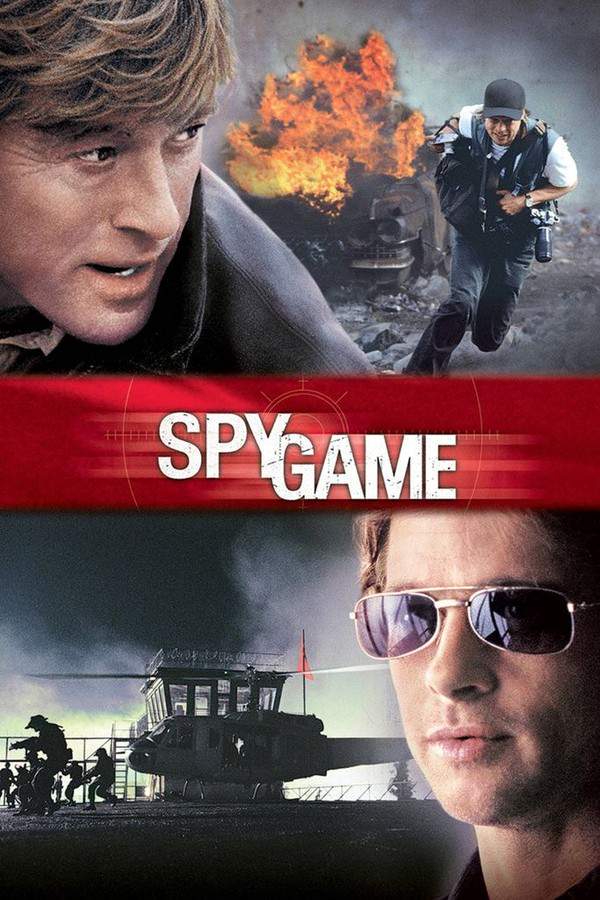
Spy Game
2001

A Most Wanted Man
2014

Foreign Intrigue
1956

The Spy Who Came In from the Cold
1965

Defence of the Realm
1985

The Parallax View
1974
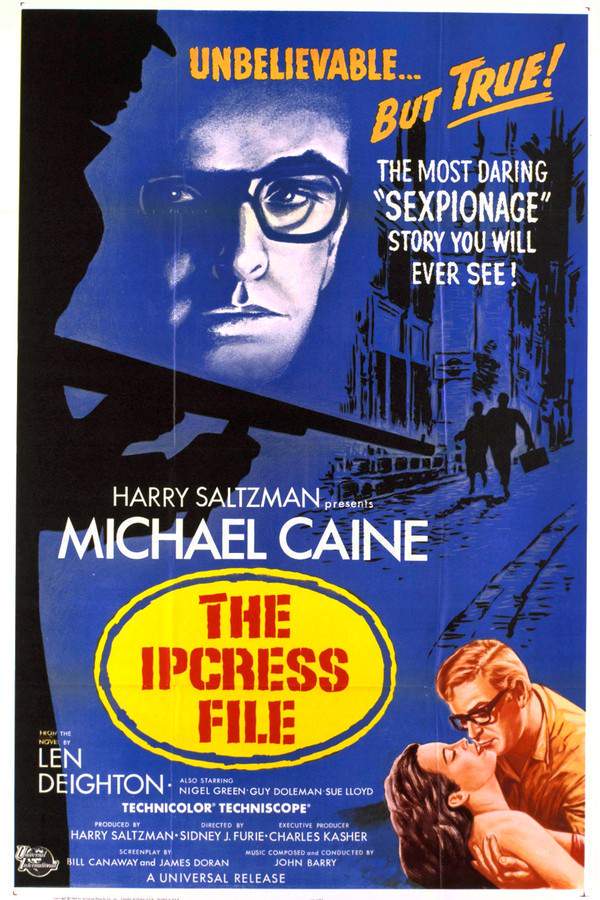
The Ipcress File
1965
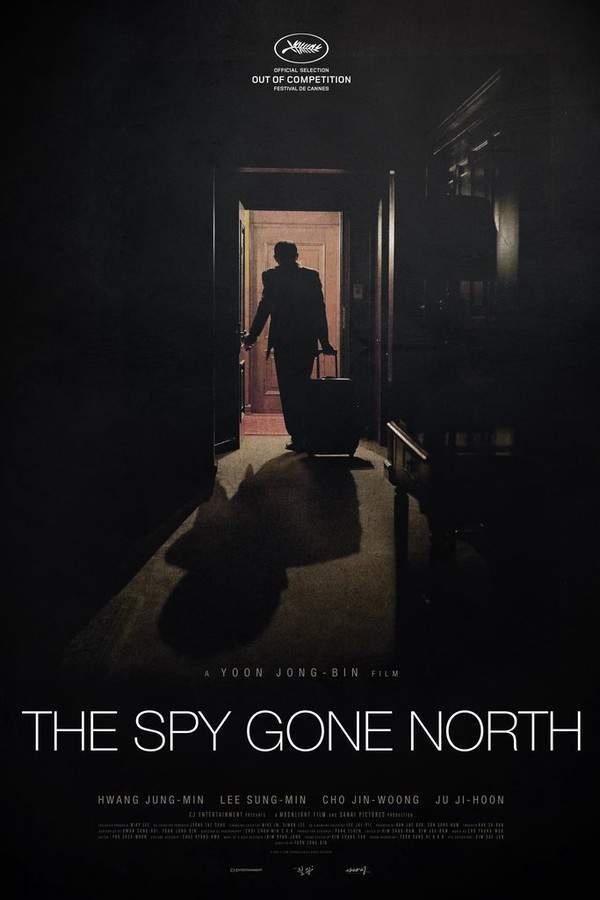
The Spy Gone North
2018

Double Agent
2003

No Way Out
1987
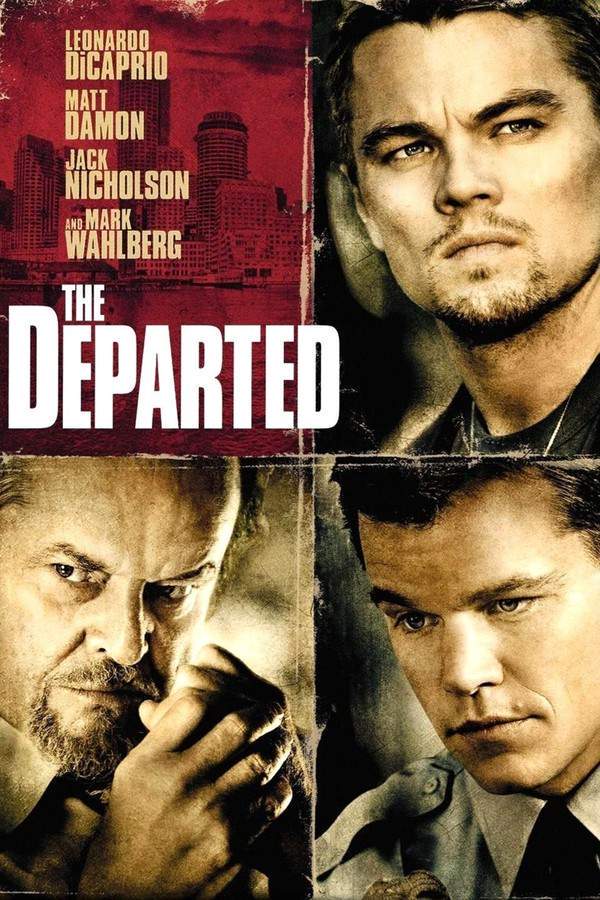
The Departed
2006
Infernal Affairs
2004

War
2020
Narrative Summary
These stories typically begin with a leak, a failure, or a death that cannot be explained by external enemies. A close-knit unit, agency, or task force is then forced to investigate itself. Interviews, surveillance, and quiet interrogations replace open combat, and the suspicion spreads like a contagion. Red herrings multiply until a reveal reframes earlier scenes, and the resolution often comes at a devastating personal cost. The emotional journey moves from professional confidence to corroding mistrust, and finally to a reckoning where victory and grief arrive together.
Why These Movies?
They share a brooding, claustrophobic atmosphere where the institution under siege is small enough that every member becomes a suspect. Pacing alternates between methodical investigative work and sudden violent bursts. Endings are rarely clean, often bittersweet, because the mission may succeed even as relationships, reputations, or lives are lost. The combination of espionage tradecraft, psychological pressure, and moral compromise gives these films a distinctive identity.
Heavy spy thrillers with bittersweet endings like Scare Out
Spy stories where the mission succeeds but the cost is written on the characters' faces.If you liked the brooding mood and bittersweet resolution of Scare Out, this collection gathers similar spy thrillers and political thrillers with complex plots and emotional weight. Expect tense pacing, layered betrayals, and endings that trade clean victory for hard-won, melancholy closure. Perfect for viewers searching for movies like Scare Out.














Narrative Summary
Films in this thread tend to unfold as a layered operation, often with parallel internal and external investigations that mirror each other. Characters operate under assumed identities, and the line between loyalty and treachery blurs as the plot progresses. Climaxes tend to be quieter than typical action films, more often a decision, a confession, or a sacrifice than a shootout. The final scenes linger on aftermath, showing how the operation's success leaves lasting scars on the people who carried it out.
Why These Movies?
They are grouped for their shared tonal identity: tense without being explosive, cerebral rather than spectacle-driven, and emotionally draining in a deliberate way. They tend to feature long stretches of surveillance, interrogation, and quiet tension, punctuated by sudden violence. Endings favor ambiguity or bittersweet resolution over triumphant victory, and the complexity demands active viewer attention. The result is a viewing experience that feels closer to a slow-burning character study than a conventional action thriller.
Unlock the Full Story of Scare Out
Don't stop at just watching - explore Scare Out in full detail. From the complete plot summary and scene-by-scene timeline to character breakdowns, thematic analysis, and a deep dive into the ending - every page helps you truly understand what Scare Out is all about. Plus, discover what's next after the movie.
Scare Out Summary
Read a complete plot summary of Scare Out, including all key story points, character arcs, and turning points. This in-depth recap is ideal for understanding the narrative structure or reviewing what happened in the movie.

Characters, Settings & Themes in Scare Out
Discover the characters, locations, and core themes that shape Scare Out. Get insights into symbolic elements, setting significance, and deeper narrative meaning - ideal for thematic analysis and movie breakdowns.


