Year: 1979
Runtime: 145 mins
Language: Hindi
Director: K. Viswanath
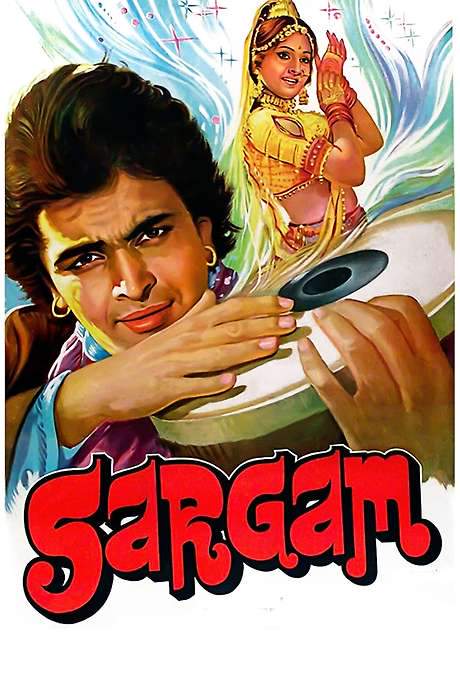
Deaf and mute, a young woman suffers abuse from her stepmother and turns to classical dance as an escape. When she meets compassionate musician Raju, he supports her training and encourages her dream of becoming a professional dancer. The film is a Hindi remake of the 1978 Telugu classic Siri Siri Muvva.
Find where to stream, rent, or buy Sargam (1979) in the US with current JustWatch availability, up-to-date pricing, and platform listings for subscription, rental, and digital purchase options.
Warning: spoilers below!
Haven’t seen Sargam yet? This summary contains major spoilers. Bookmark the page, watch the movie, and come back for the full breakdown. If you're ready, scroll on and relive the story!
Trace every key event in Sargam (1979) with our detailed, chronological timeline. Perfect for unpacking nonlinear stories, spotting hidden connections, and understanding how each scene builds toward the film’s climax. Whether you're revisiting or decoding for the first time, this timeline gives you the full picture.
Last updated: February 18, 2026 at 23:46
Find frequently asked questions about the Sargam (1979) timeline, including chronological order, nonlinear jumps, cause-and-effect links, and scene sequence clarifications. This timeline FAQ helps explain when key events happen, how moments connect, and why the story unfolds in that specific order.
Savitri forbade Hema from dancing because she became intolerant and jealous of Hema's exceptional talent. While Savitri had originally arranged dance lessons hoping her own daughter Champa would become a star, Hema quickly outshone Champa, which created tension in the household. This resentment led Savitri to cut off Hema's artistic path despite the girl's remarkable potential.
Earlier in the film, Hema quickly reveals her exceptional talent during dance lessons, which directly triggers Savitri's growing intolerance.
After Hema's father Chintamani Pradhan passed away, Savitri used the opportunity to eject Hema from the family home. With no biological connection to Hema and resenting her for overshadowing her own daughter Champa, Savitri saw the father's death as a chance to remove Hema permanently. This abandonment left Hema vulnerable and dependent on Raju for survival.
The tension between Savitri and Hema had been building since Savitri forbade her dance lessons, showing her growing resentment.
Raju became Hema's lifeline after she was kicked out, extending help to her as they left the village together. As a compassionate musician who had been cheering Hema up since his arrival, Raju supported her emotionally and physically. Together they sought safety and independence, starting a new chapter away from the toxic household, with Raju encouraging her dream of becoming a professional dancer.
Raju had been a gentle ally to Hema from the beginning, trying to cheer her up and offering quiet encouragement during her difficult moments at home.
Kusum was a woman Raju encountered being attacked by a man one night, and he intervened to help her. Later, Kusum revealed to Raju that her husband Prakash had forced her to spend the night with another man, adding significant danger and complexity to their situation. This revelation exposed the dark realities facing women in the village and set the stage for ongoing conflict with Prakash.
Raju's intervention when he found Kusum in trouble directly introduced this dangerous subplot and the threat posed by Prakash.
Prakash held a grudge against Raju for intervening when he was attacking Kusum that night. When Raju stepped in to protect Kusum from her husband's violent acts, Prakash resentment grew. This grudge culminated in a confrontation where Prakash attacked Raju in the village square, escalating the danger surrounding Hema and those protecting her.
The incident where Raju saved Kusum from Prakash directly created this enemieship and set up the climactic attack.
Savitri experienced a change of heart after witnessing Hema's resilience, loyalty, and quiet courage throughout their hardships. Even after being abandoned and mistreated, Hema remained true to herself and eventually found success as a dancer. The journey, marked by Savitri and Champa's failed attempt to find work in the city and their eventual return, helped Savitri recognize Hema's goodness and accept her as her daughter at last.
Savitri's journey to the city where she was conned and forced to return likely contributed to her reflection and growth.
Hema turned to classical dance as an escape from her difficult home life and discovered she had exceptional talent. Even after being forbidden from continuing lessons, her natural ability remained evident. With Raju's support and encouragement, she pursued her dream of becoming a professional dancer, and her talent ultimately enabled her to find success on stage, proving that her mute nature did not hinder her expressive storytelling through movement.
Early in the film, Hema quickly demonstrates exceptional talent during her dance lessons, foreshadowing her potential as a professional dancer.
Raju plays the dafli, a traditional Indian percussion instrument, which serves as a symbol of his role in bringing warmth and music into Hema's otherwise silent world. As Chintamani's old student, Raju visits and tries to cheer Hema up with his music, becoming a gentle presence in her muted life. The dafli represents his supportive nature and the emotional connection that develops between them.
Raju's arrival with his dafli signals his introduction as a positive presence who will support Hema throughout her journey.
Savitri and Champa traveled to the city to find work and improve their fortunes, hoping to escape their difficult circumstances. However, they soon discovered they had been conned and were forced to return to the village in shame. This failed venture contrasted sharply with Hema's own journey and served as a turning point that eventually led Savitri to reconcile with Hema.
The timing of their departure right after Hema was kicked out created the opportunity for Raju to help Hema leave the village.
Raju and Hema's relationship evolves from teacher-student dynamics to a deep bond of mutual care and support. Raju, a compassionate musician, becomes Hema's ally after her father's death and eviction from home. Together they leave the village to build a new life, with Raju encouraging her dream of becoming a dancer. By the end, they reunite and their partnership remains a beacon of resilience and love, showing a romantic connection that developed through shared hardship.
From Raju's first arrival trying to cheer Hema up, their bond grew through his consistent support during her struggles.
Discover curated groups of movies connected by mood, themes, and story style. Browse collections built around emotion, atmosphere, and narrative focus to easily find films that match what you feel like watching right now.
Characters who overcome adversity through their dedication to art, finding hope and success.If you loved Sargam, discover more films about characters pursuing dreams in the arts. These movies share a theme of overcoming obstacles through creative passion, offering uplifting stories of success against the odds.
The narrative typically follows a character facing significant hardship—often emotional or physical—who discovers solace and purpose in an artistic discipline. With the support of a mentor or loved one, they hone their craft, facing challenges that test their resolve before achieving a breakthrough that validates their journey and brings personal fulfillment.
These films are grouped by their shared focus on art as a redemptive force. They balance emotional struggle with an ultimately hopeful and heartwarming tone, creating a satisfying arc of personal victory.
Stories where supportive relationships heal past wounds and create new beginnings.Fans of Sargam's heartwarming relationship between Hema and Raju will enjoy these films. Discover stories where compassionate support systems help protagonists escape difficult situations and find happiness.
The plot revolves around a vulnerable protagonist, often isolated or mistreated by their biological family, who is 'found' by a kind-hearted individual or group. This new relationship provides emotional sanctuary and practical support, guiding the protagonist toward safety, self-worth, and a chance at a better life, often culminating in a happy, unified ending.
This thread unites movies where the core emotional drive is the healing power of a nurturing relationship. They share a mix of melancholic struggle and heartwarming payoff, with a steady pace focused on character connection.
Don't stop at just watching - explore Sargam in full detail. From the complete plot summary and scene-by-scene timeline to character breakdowns, thematic analysis, and a deep dive into the ending - every page helps you truly understand what Sargam is all about. Plus, discover what's next after the movie.
Read a complete plot summary of Sargam, including all key story points, character arcs, and turning points. This in-depth recap is ideal for understanding the narrative structure or reviewing what happened in the movie.
Discover the characters, locations, and core themes that shape Sargam. Get insights into symbolic elements, setting significance, and deeper narrative meaning - ideal for thematic analysis and movie breakdowns.