Year: 2015
Runtime: 85 min
Language: English
Director: Nelson George
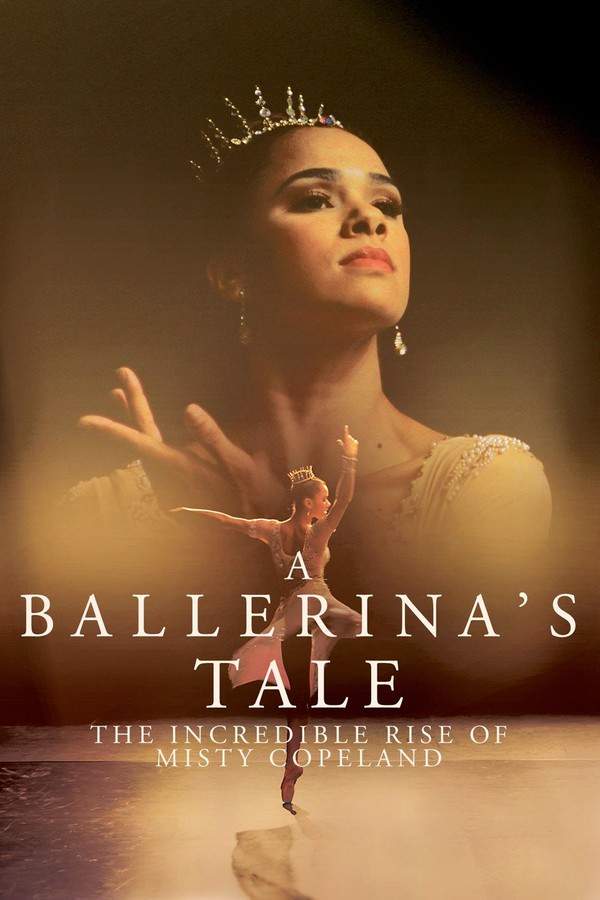
This intimate documentary follows Misty Copeland’s inspiring journey as she overcomes adversity to achieve her dream of becoming a principal dancer. Witnessing her rigorous training and dedication, the film explores the challenges she faced while breaking down barriers and defying expectations within the traditionally exclusive world of American Ballet Theatre, ultimately becoming the first African-American woman to hold the prestigious role.
Find where to stream, rent, or buy A Ballerina's Tale (2015) in the US with current JustWatch availability, up-to-date pricing, and platform listings for subscription, rental, and digital purchase options.
Warning: spoilers below!
Haven’t seen A Ballerina's Tale yet? This summary contains major spoilers. Bookmark the page, watch the movie, and come back for the full breakdown. If you're ready, scroll on and relive the story!
Read the complete plot breakdown of A Ballerina's Tale (2015), including all key story events, major twists, and the ending explained in detail. Discover what really happened, and what it all means.
Iconic ballerina Misty Copeland made history in 2015, becoming the first African-American woman to achieve the title of principal dancer with the esteemed American Ballet Theatre. In an intimate look behind the scenes, Copeland shares her experiences in the American Ballet Theatre studios, where her perfectionism shines through, even extending to her preferred position in the classroom.
The American Ballet Theatre was established to create a formidable American presence in the global ballet arena, rivaling the Russian and French institutions. It performs at the New York City Metropolitan Opera House, a venue regarded as the pinnacle of stage acclaim worldwide.
Born in Kansas City and raised in San Pedro, California, Misty began her ballet journey at the age of 13, a relatively late start for a dancer. By the time she was 15, she emerged as one of California's top ballet talents, earning the prestigious Spotlight Awards. At the age of 17, she moved to New York, joining the American Ballet Theatre's studio company, and by the following year, she had secured her place in ABT's Corps de Ballet. Misty was fortunate enough to go on a two-week trip to China with the main company before officially starting her tenure, where she formed a friendship with Leyla Fayyaz, enjoying memorable outings to Red Lobster together. Despite the excitement, she also faced significant challenges, grappling with her weight loss journey while feeling isolated as the only African American woman in a group of 80 dancers, which led her to seek comfort in Krispy Kreme donuts during difficult times.
Susan Fales-Hill became a pivotal mentor for Copeland, connecting her with trailblazing women across various fields who would serve as role models in an industry frequently criticized for its lack of diversity. In classic ballet society, aesthetic judgments often skew towards pale skin and a youthful physique, leaving dancers of color significantly marginalized. Through a transformative epiphany, Misty recognized that her success transcended her individual dance career; she could become a beacon of inspiration for others aspiring to pursue ballet.
Misty showcased her talent in the role of Gamzatti in La Bayadère and, in 2013, had the extraordinary opportunity to take on the lead in Igor Stravinsky's demanding Firebird at the Metropolitan Opera House, a remarkable achievement for a soloist. The audience in the house reflected her growing fame, as her mentor brought many accomplished African American women to celebrate Copeland's success. After the performance, Misty candidly shared that she was in considerable pain due to fractures in her shins, yet she pushed through, determined to seize the fleeting opportunity of a successful season at the Met.
>The intensity of a ballet dancer's life often involves pain, with a high tolerance required to maintain performance integrity. Following her groundbreaking role in Firebird in fall 2012, Misty underwent significant surgery on her left shin, with many doubting her ability to regain her previous momentum.
During her rehabilitation, Misty learned floor barre exercises with Marjorie Liebert and tested her leg's strength by performing the Dying Swan alongside Michele Wiles and her Ballet Next Company. While she felt she had adequately performed, she recognized the need to use space more effectively.
Shortly after, Misty's apartment was graced by a visit from Raven Wilkinson, the first African American to perform in a major ballet company. Their dialogue revealed how encountering Mary Wilkinson’s story in a film brought Misty to tears, eliciting a shared humorous moment as they acted out a scene from Swan Lake they both had once performed.
Upon her return to the American Ballet Company, she participated in the Robert Bolle and Friends International Tour despite ongoing injuries, as seen in a chiropractic session in Italy addressing her back spasms. Amidst sketches of her costume and makeup preparations for performances alongside Jared Matthews, she navigated her recovery with perseverance, triumphantly marking her return.
Gilda Squire, Misty's manager, emphasizes that despite her aspirations of becoming the principal dancer at the American Ballet Theatre, she has already achieved remarkable success. With rising fame and an expanding audience supporting her journey, Misty was featured in an Under Armour photo shoot, reflecting her mission to diversify ballet and welcome individuals from all backgrounds. A celebratory moment arrived with the unveiling of a larger-than-life billboard, where Misty and friends toasted with champagne.
In the summer of 2014, Copeland was cast in the lead role of Swan Lake, making history as the first black woman to portray Odette/Odile in a prestigious international ballet company. After rehearsals and performances in Brisbane, Australia, on June 30, 2015, Misty Copeland's dream materialized as she was named the principal dancer at the American Ballet Theatre, proving that dreams truly can come to fruition.
Last updated: November 16, 2024 at 14:44
Explore frequently asked questions about A Ballerina's Tale (2015) with spoiler-rich answers covering the full plot summary, major story beats, character motivations, hidden details, and ending meaning. This movie summary FAQ helps explain confusing scenes, plot twists, and narrative decisions in clear, searchable detail.
Misty Copeland began her ballet journey at 13, which is considered a relatively late start for professional dancers. Despite this, she quickly demonstrated exceptional talent, earning the prestigious Spotlight Awards by age 15 and establishing herself as one of California's top ballet talents. Her late start actually made her journey more remarkable, as she had to work harder to catch up with dancers who began training at much younger ages.
As the only African American woman among 80 dancers in the American Ballet Theatre, Misty Copeland faced significant racial isolation and struggled with feeling like an outsider in a traditionally homogeneous art form. The ballet world has long favored pale skin and youthful physiques, leaving dancers of color marginalized. These challenges led her to seek comfort in food during difficult times, and she grappled with weight issues while navigating an industry that rarely represented people who looked like her.
The mentorship from Susan Fales-Hill would later help Misty transform this isolation into a platform for inspiring others.
Susan Fales-Hill became a pivotal mentor for Misty Copeland, connecting her with trailblazing women across various fields who served as role models. This mentorship was crucial because the ballet industry had long been criticized for its lack of diversity. Through these connections, Misty had a transformative epiphany recognizing that her success could transcend her individual dance career and inspire others aspiring to pursue ballet.
After her breakthrough performance in Firebird in 2012, Misty Copeland faced significant physical challenges including fractures in her shins, which required surgery on her left shin. Many doubted her ability to regain her previous momentum. Despite the pain and setbacks, she underwent rigorous rehabilitation with floor barre exercises and tested her leg's strength by performing the Dying Swan, ultimately making a triumphant return to the stage.
In 2013, Misty performed the lead in Igor Stravinsky's demanding Firebird at the Metropolitan Opera House, a remarkable achievement for a soloist. This performance was a major turning point because it showcased her talent to a wider audience, including many prominent African American women brought by her mentor to celebrate her success. It demonstrated her ability to handle lead roles and positioned her for future principal opportunities.
In summer 2014, Misty Copeland was cast in the lead role of Swan Lake, making history as the first Black woman to portray Odette/Odile in a prestigious international ballet company. This was significant because classical ballet has historically excluded dancers of color from these iconic white swan roles, which are considered the pinnacle of ballet achievement. Her casting represented a breakthrough moment for representation in the art form.
Raven Wilkinson was the first African American to perform in a major ballet company. She visited Misty Copeland at her apartment, and their conversation revealed a deep connection about the struggles they faced as dancers of color. Misty was moved to tears when she encountered Wilkinson's story in a film, and the two shared a humorous moment acting out a scene from Swan Lake that they both had performed.
On June 30, 2015, Misty Copeland was named principal dancer at the American Ballet Theatre, making her the first African American woman to hold this prestigious title in the company's history. This achievement represented the culmination of her journey from a late-starting teenager in California to the pinnacle of American ballet. It proved that dreams could come true despite the barriers of late start, racial isolation, and serious injury.
As Misty Copeland's fame grew and her audience expanded, she was featured in an Under Armour photo shoot that reflected her mission to diversify ballet and welcome individuals from all backgrounds. This partnership aligned with her broader goal of breaking barriers within the industry and using her platform to inspire underrepresented dancers to pursue ballet.
Through her journey, Misty Copeland learned that her success transcended her individual dance career. In an industry where aesthetic judgments often favored pale skin and specific body types, she recognized she could become a beacon of inspiration for others aspiring to pursue ballet. Her experiences with mentor Susan Fales-Hill and pioneer Raven Wilkinson helped her understand her broader role in changing the face of ballet.
Discover curated groups of movies connected by mood, themes, and story style. Browse collections built around emotion, atmosphere, and narrative focus to easily find films that match what you feel like watching right now.
Stories of individuals overcoming immense systemic barriers to achieve their dreams.Discover movies like A Ballerina's Tale that celebrate trailblazers and underdogs. These films showcase inspiring true stories and powerful dramas about individuals overcoming systemic barriers, racial prejudice, and immense pressure to achieve historic firsts. If you were moved by Misty Copeland's journey, you'll find similar stories of dedication and triumph here.
Narratives in this thread typically follow a linear, biographical arc from struggle to breakthrough. The protagonist encounters significant external resistance—be it racism, sexism, or classism—alongside their personal battles. The central conflict is often between their unwavering ambition and the rigid structures they aim to change, culminating in a hard-won, triumphant victory.
These movies are grouped together because they share a core theme of historic perseverance. They blend a medium emotional weight from facing adversity with a ultimately hopeful and triumphant tone. The experience is defined by witnessing a determined character's steady climb against a system, making them deeply inspiring.
An up-close look at the grueling physical and emotional demands of a life in art.Find movies similar to A Ballerina's Tale that explore the intense world of professional artistry. These intimate documentaries and character-driven dramas delve into the rigorous training, physical toll, and profound dedication of dancers, musicians, and athletes. If you liked seeing the candid reality behind Misty Copeland's ballet success, you'll appreciate these revealing portraits.
The narrative pattern is an observational, character-focused study. The story unfolds through the daily rituals of training, the agony of injury, and the pressure of performance. It's less about a traditional plot and more about documenting the journey—the blend of painful sacrifice and exquisite beauty that defines a life committed to an art form.
These films are connected by their intimate, observational style and their focus on the extreme dedication of artists and athletes. They share a steady pacing that allows for deep immersion into the subject's world, a medium intensity derived from physical and emotional challenges, and a tone that balances painful struggle with hopeful achievement.
Don't stop at just watching - explore A Ballerina's Tale in full detail. From the complete plot summary and scene-by-scene timeline to character breakdowns, thematic analysis, and a deep dive into the ending - every page helps you truly understand what A Ballerina's Tale is all about. Plus, discover what's next after the movie.
Track the full timeline of A Ballerina's Tale with every major event arranged chronologically. Perfect for decoding non-linear storytelling, flashbacks, or parallel narratives with a clear scene-by-scene breakdown.
Discover the characters, locations, and core themes that shape A Ballerina's Tale. Get insights into symbolic elements, setting significance, and deeper narrative meaning - ideal for thematic analysis and movie breakdowns.
Discover movies like A Ballerina's Tale that share similar genres, themes, and storytelling elements. Whether you’re drawn to the atmosphere, character arcs, or plot structure, these curated recommendations will help you explore more films you’ll love.
A Ballerina's Tale (2015) Scene-by-Scene Movie Timeline
A Ballerina's Tale (2015) Movie Characters, Themes & Settings
A Ballerina's Tale (2015) Spoiler-Free Summary & Key Flow
Movies Like A Ballerina's Tale – Similar Titles You’ll Enjoy
Dancer (2016) Detailed Story Recap
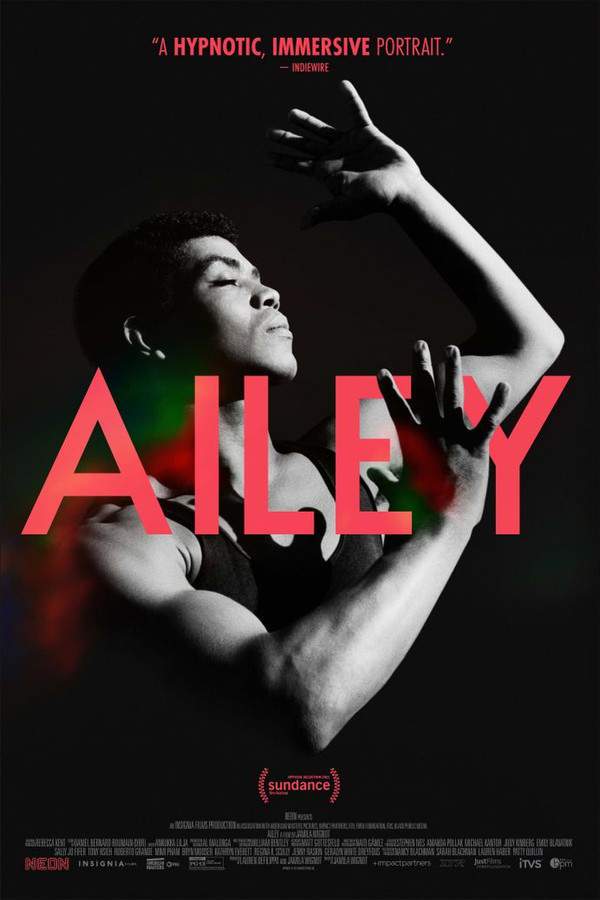
Ailey (2021) Story Summary & Characters
The Company (2003) Complete Plot Breakdown
First Position (2012) Full Movie Breakdown
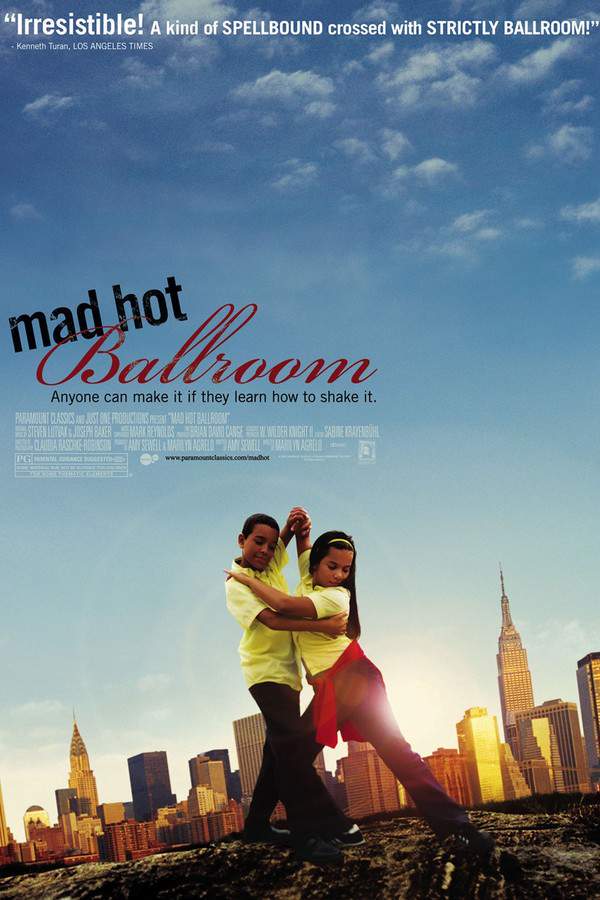
Mad Hot Ballroom (2005) Story Summary & Characters
Restless Creature: Wendy Whelan (2017) Detailed Story Recap
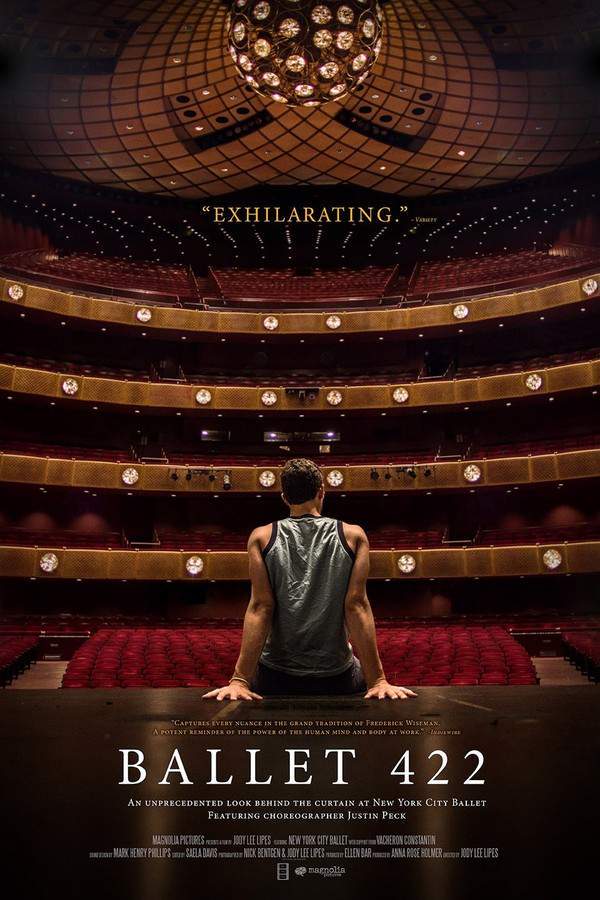
Ballet 422 (2015) Plot Summary & Ending Explained
Birds of Paradise (2021) Complete Plot Breakdown
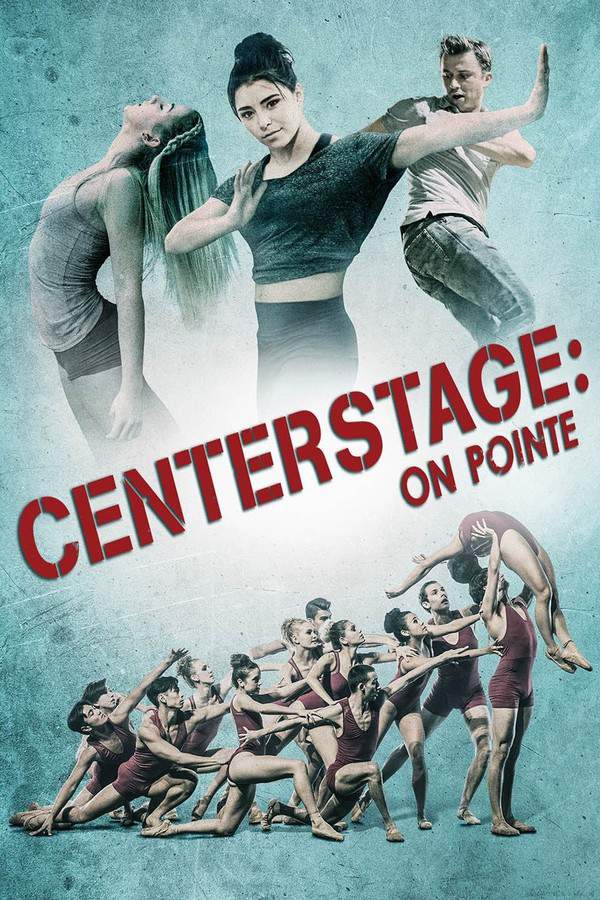
Center Stage (2000) Story Summary & Characters
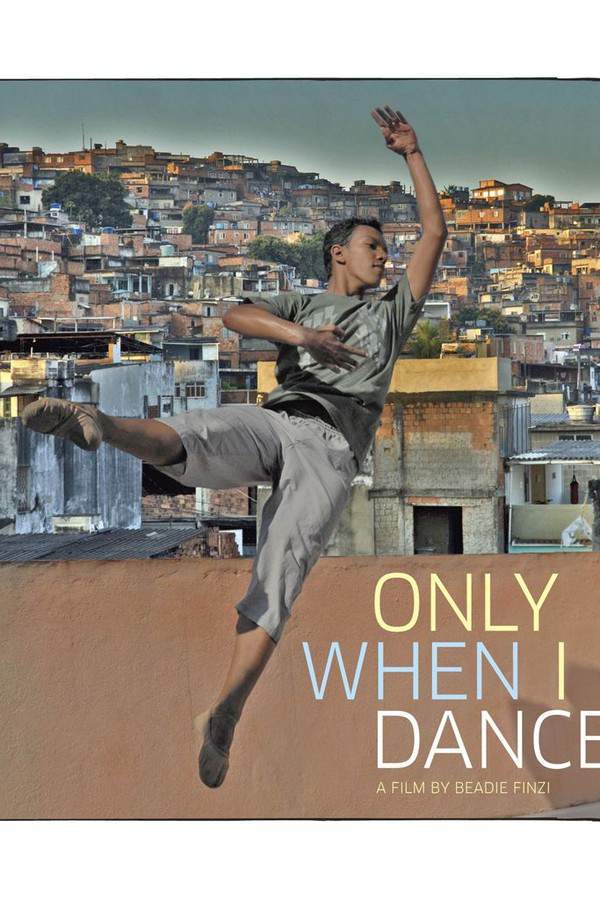
Only When I Dance (2010) Story Summary & Characters
I Dream of Dance (2018) Ending Explained & Film Insights
Ballet Black (1986) Detailed Story Recap
The Dancer (1994) Full Summary & Key Details
Ballet (1995) Spoiler-Packed Plot Recap
Ballerine (1936) Detailed Story Recap