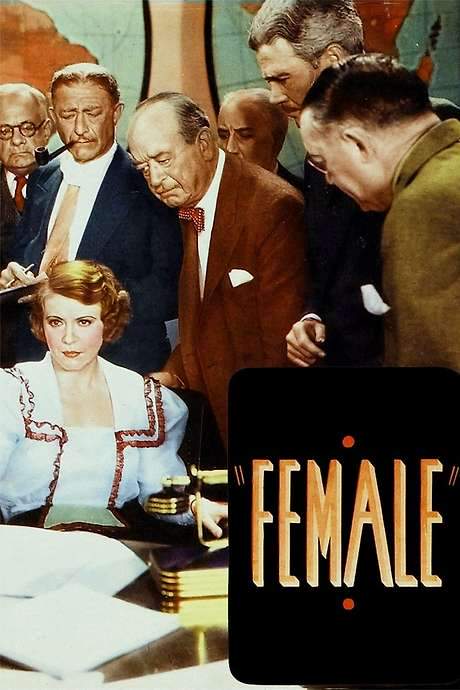
Rancher Cyclone Kenyon tends a rugged spread with two granddaughters—Dale Kenyon, a practical, take-charge organizer who runs nearly everything, and Betty Lou Kenyon, a spirited, boy-chasing teen who keeps the place lively. When the ranch hands start preferring flirtation to work, Cyclone makes the tough call to release them, hoping a reset will bring back the discipline the ranch needs. The bold move pays off at first as Dale reshapes the crew by hiring female ranch-hands, and those women prove capable, lively, and full of initiative, turning the daily grind into something smoother and more efficient. Yet Betty Lou’s social spark leaves a vacuum, and trouble seems to fizzle into mischief until Roy Roy Rogers and his sidekick Keno arrive asking for work. Cyclone takes them on as cooks, and Roy’s rough-hewn charm begins to earn him real respect on the ranch, even as the kitchen becomes a stage for roping, singing, and a few uproarious kitchen misadventures—Montezuma’s Revenge soon becomes a running joke that keeps everyone laughing and on their toes.
Roy quickly proves himself more than a cook; he becomes a two-fisted, cattle-ropin’, ballad-singin’ kind of pioneer who slowly wins over the crew, and it isn’t long before Betty Lou’s attention shifts toward him while Dale finds herself drawn to the new ranch-hand’s rugged competence. The romantic tangle gives the film its light, buoyant energy, but the story doesn’t lose its Western backbone: there’s real work to be done, and the ranch steadily runs smoother with women in key roles, all while the two granddaughters navigate love, loyalty, and their own evolving ambitions.
A subplot threads through the main action: a sly foreman roams the countryside, bilking people out of their money, and at one point he even manages to steal every horse on Cyclone’s ranch. Trigger, the loyal horse, rides to the rescue with speed and grit—hooves flying as he corners the thief and helps retrieve the stolen herd. With the crisis averted and the horses back in place, Cyclone makes a bold strategic choice: he rehires the male ranch-hands, but only after pairing each one with a female ranch-hand. The arrangement reshapes the ranch’s daily life, balancing humor with hard work, and it gives Betty Lou something to invest her flirtatious energy in, ultimately keeping the peace while letting everyone contribute their best.
Throughout, the story keeps a warm, folksy rhythm, blending savory Western action with musical interludes and affectionate comedy. The result is a breezy, lively tale of a rebuilt ranch where competence, camaraderie, and a little romance sustain the land as surely as the horses and hired hands do.