





Plot Explained Spoilers guaranteed!
Plot Explained

Browse by genre

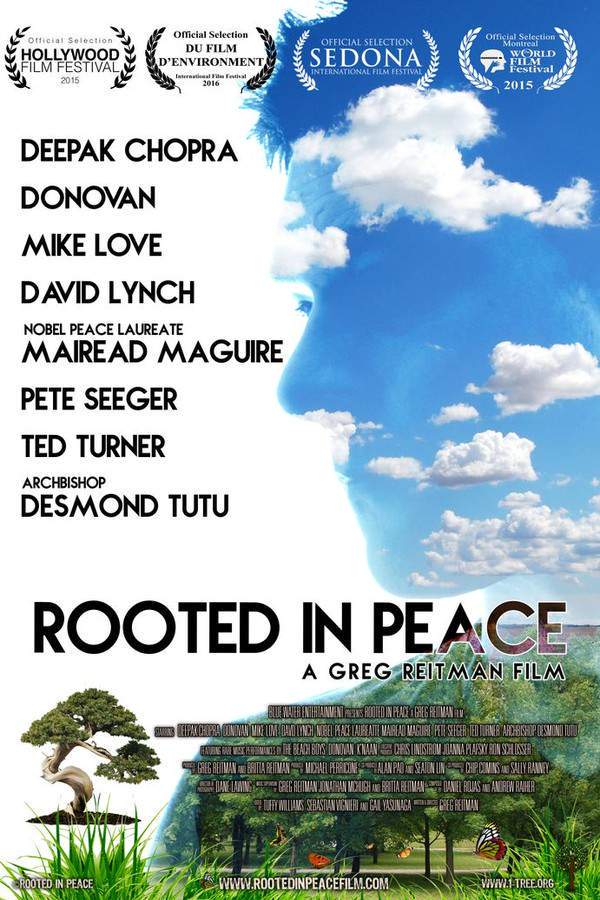
Rooted in Peace (2016) movie poster

Timeline

Rooted in Peace (2016) Timeline Explained – Every Event in Order

Release, runtime and language
2016 · 97 min · English
Directed by
Greg Reitman

This documentary explores the urgent need for Americans to reconsider their values and priorities. Through a cinematic journey led by director Greg Reitman, the film examines inner conflict, environmental concerns, and global unrest. It encourages viewers to find balance and harmony within themselves, with the natural world, and between nations, ultimately seeking a path to break the cycle of violence and foster peace.

On this page (6)
  1. 1 Where to watch
  2. 2 Events in order (15)
  3. 3 Timeline questions answered
  4. 4 Movie threads
  5. 5 Movies like Rooted in Peace
  6. 6 Every angle

Where to watch

Where to Watch Rooted in Peace (2016)

Where can you watch Rooted in Peace? Stream, rent or buy it in the US, including on Amazon Video, Apple TV Store and Fandango At Home: current JustWatch availability with up-to-date prices.

Streaming availability powered by JustWatch

15 events in order · contains spoilers

Rooted in Peace Timeline: Events in Chronological Order

Every key event of Rooted in Peace (2016) in order, scene by scene, with when and where it takes place. Use it to untangle flashbacks, time jumps and parallel storylines, to refresh your memory before the sequel or to find the exact scene you are thinking of.

  1. Introduction to Global Conflicts

    The documentary begins by highlighting the various internal, environmental, and international conflicts that shape our world. This sets the stage for the crucial discussion on peace and harmony, urging viewers to recognize and reflect on these challenges.

  2. Director's Vision

    Greg Reitman, the filmmaker, outlines his vision for the documentary. He emphasizes the importance of personal and ecological harmony, and the necessity for individuals to step outside the cycles of violence that have persisted in society.

  3. Personal Memoirs

    The film intertwines Reitman's personal memoirs, sharing his own experiences and struggles in finding peace within himself. Through these stories, viewers can connect with his journey and understand the transformative nature of seeking inner harmony.

  4. Deepak Chopra's Insights

    Acclaimed physician and author Deepak Chopra shares his views on wellness and the interconnectedness of humanity. His perspective emphasizes that individual health and peace are foundational for a harmonious global community.

  5. Messages from Music Icons

    Music legends Donovan, Mike Love, and Pete Seeger contribute to the dialogue on peace through their artistry. Their reflections on music as a unifying force illustrate how creativity can foster societal change.

  6. Wisdom from David Lynch

    Filmmaker David Lynch discusses the role of creativity and spirituality in achieving personal peace. He presents the idea that artistic expression can be a pathway to understanding and resolving internal conflicts.

  7. Nobel Laureate's Perspective

    Nobel Peace Laureate Mairead Maguire shares her experiences in advocating for peace in conflict zones. Her insights emphasize the urgent need for empathy and active engagement in dismantling violence.

  8. Ted Turner's Vision for Change

    Media tycoon Ted Turner speaks on the responsibility of global citizens to initiate change. He focuses on sustainable practices and international cooperation to address pressing global issues.

  9. Archbishop Desmond Tutu's Call

    Archbishop Desmond Tutu offers a poignant reminder of the moral imperative to pursue peace. His statements resonate deeply, encouraging a collective consciousness shift towards understanding and compassion.

  10. Green Architecture with William McDonough

    Renowned architect William McDonough discusses sustainable design as a means to create harmony with nature. His vision highlights how architecture can play a pivotal role in ecological balance.

  11. Neuroscience Meets Peace

    Neuroscientist Dan Siegel elaborates on the connection between neuroscience and interpersonal relationships. He explains how understanding our brains can lead to improved communication and emotional health.

  12. Maharishi Mahesh Yogi's Wisdom

    Drawing from the teachings of Maharishi Mahesh Yogi, the film presents the idea that true peace starts within. His famous quote emphasizes that collective peace requires individual peace, inspiring viewers to seek personal transformation.

  13. The Call to Action

    Reitman passionately calls on viewers to reflect on their lives and the choices they make. This moment encourages individuals to embark on personal journeys toward peace and improvement, both internally and in their communities.

  14. Collective Awakening

    The documentary culminates in a heartfelt plea for collective awakening. Reitman emphasizes the urgency of fostering understanding and harmony in today's tumultuous world, inspiring hope for a better future.

  15. Closing Reflections

    The film concludes by inviting viewers to carry forward the lessons learned. Reitman reminds everyone that they have the power to affect change in their lives and the world around them, urging a commitment to peace.

Last updated: October 25, 2024 at 09:05

Was this helpful?

Timeline questions answered

Rooted in Peace Timeline Explained: Your Questions Answered

When does it happen, and why in that order? The questions people ask about the chronology of Rooted in Peace (2016): time jumps, flashbacks, cause and effect between scenes and the correct order of events, each answered with spoilers.

Q1

What is the main message of Rooted in Peace?

The documentary's central message is that true global peace can only be achieved when individuals first find peace within themselves. The film argues that personal transformation is the foundation for resolving internal conflicts, environmental issues, and international tensions. Through interviews with thought leaders and the director's own journey, Rooted in Peace presents a hopeful vision that one person's inner change can inspire broader societal transformation.

  • main message
  • core message
  • documentary theme
  • peace message
Q2

What does Maharishi Mahesh Yogi's quote about green trees mean in the film?

Maharishi Mahesh Yogi's quote, 'if the forest is to be green, every tree must be green', serves as a philosophical anchor for the documentary. It illustrates that collective peace requires every individual to experience inner peace. Just as each tree contributes to the forest's health, each person's inner harmony contributes to world peace. The film uses this metaphor to argue that waiting for external circumstances to change is futile; the transformation must begin with each individual.

  • maharishi mahesh yogi
  • forest quote
  • every tree green
  • peace within
Q3

How does Greg Reitman's personal journey factor into the documentary?

Greg Reitman weaves his own personal memoirs throughout the film, sharing his experiences and struggles in seeking inner peace. This autobiographical element serves as a relatable example of transformation, showing viewers that the journey toward harmony is ongoing and personal. By demonstrating his own quest, Reitman makes the documentary's abstract concepts concrete and accessible, exemplifying the film's core idea that one individual can initiate change that inspires others.

  • greg reitman
  • personal journey
  • transformation
  • memoir
Q4

How does the film connect personal peace to global peace?

Rooted in Peace argues that internal harmony is the prerequisite for external peace. The documentary presents personal peace not as selfish isolation but as foundational work that enables individuals to engage more compassionately with others and the world. Through perspectives like Deepak Chopra's on wellness and Dan Siegel's neuroscience research, the film shows how inner peace improves interpersonal relationships and emotional health, which then ripples outward to affect families, communities, and ultimately global dynamics.

  • personal peace
  • global peace
  • inner peace
  • world peace connection
Q5

Why does the documentary include so many different experts and celebrities?

The documentary intentionally features diverse voices, from spiritual leaders like Deepak Chopra to musicians like Pete Seeger, from Nobel laureates like Mairead Maguire to architects like William McDonough, to demonstrate that peace intersects with every aspect of human endeavor. Each interviewee offers a unique perspective on harmony: creativity, activism, environmental design, neuroscience, and spiritual practice. This multidisciplinary approach reinforces the film's argument that peace requires attention to multiple dimensions of human experience.

  • interviewees
  • interviews
  • experts
  • celebrities
  • diverse voices
Q6

What does David Lynch contribute to the documentary's discussion on peace?

Filmmaker David Lynch discusses creativity and spirituality as pathways to personal peace. Lynch presents the idea that artistic expression can help individuals understand and resolve internal conflicts. His contribution emphasizes that creativity isn't separate from spiritual growth, rather, creative pursuits can be tools for self-examination and emotional healing, aligning with the documentary's broader theme that inner work takes many forms.

  • david lynch
  • creativity
  • spirituality
  • artistic expression
Q7

What role do Ted Turner and William McDonough play in the documentary?

Ted Turner and William McDonough represent the documentary's environmental dimension. Turner speaks about sustainable practices and international cooperation as responsibilities of global citizens. McDonough, a renowned green architect, discusses how sustainable design creates harmony with nature. Their inclusion shows that ecological balance is inseparable from the pursuit of peace, the film positions environmental stewardship as both a practical and spiritual necessity for achieving collective harmony.

  • ted turner
  • william mcdonough
  • environment
  • sustainability
  • green architecture
Q8

How does the documentary use neuroscience to discuss peace?

Neuroscientist Dan Siegel explains the biological basis for peace by connecting brain science to interpersonal relationships. He demonstrates how understanding our neural pathways can lead to better communication and emotional health. This scientific perspective grounds the documentary's philosophical arguments in research, suggesting that achieving inner peace isn't just spiritual fluff, it has measurable effects on how we connect with others and handle conflict.

  • dan siegel
  • neuroscience
  • brain science
  • emotional health
  • relationships
Q9

What does the documentary ask viewers to do?

Rooted in Peace concludes with a clear call to action: viewers are encouraged to reflect on their own lives and begin personal quests for inner peace. The film asks people to examine their values, pursue both personal and ecological harmony, and make conscious choices that break cycles of violence. Reitman urges viewers not just to watch but to become agents of change in their own lives and communities, embodying the transformation the documentary advocates.

  • call to action
  • what to do
  • viewer action
  • personal change
  • transformation
Q10

What perspective does Nobel Laureate Mairead Maguire bring to the film?

Mairead Maguire shares her experiences advocating for peace in active conflict zones, bringing real-world activism to the documentary. Her perspective emphasizes that peace requires empathy and direct engagement in dismantling violence, not passive wishing. She reinforces the film's theme that individual commitment to nonviolence, even in difficult circumstances, contributes to larger systemic change.

  • mairead maguire
  • nobel peace laureate
  • activism
  • conflict zones

Movie threads

More Movies Like Rooted in Peace, by Mood & Story

Curated lists built around what makes Rooted in Peace tick: the same mood, the same kind of story or the same emotional payoff. Each list explains why these movies belong together.

Movies about personal transformation like Rooted in Peace

Inspiring stories of profound change that begin within and ripple outward. Explore movies like Rooted in Peace that chronicle journeys of profound personal and societal change. If you enjoyed the hopeful message of individual growth leading to global harmony, you'll find similar inspiring documentaries and dramas here.

  • inspiring
  • hopeful
  • transformative
  • reflective
  • empowering
  • thought-provoking
  • Tone: hopeful, inspiring
  • Pacing: steady, contemplative
Why these movies?

The story pattern: These narratives typically follow a central figure or group as they confront internal conflicts and societal issues, leading to a journey of learning, advocacy, and ultimately, a hopeful vision for a better world. The arc moves from questioning to understanding to active transformation.

Why they belong together: They share a core emphasis on empowerment, showcasing that individual choices matter. They balance serious real-world stakes with an ultimately uplifting tone, focusing on solutions and the possibility of healing both personal and collective wounds.


Hopeful documentaries similar to Rooted in Peace

Thoughtful documentaries that explore urgent issues through a lens of optimism. Find documentaries similar to Rooted in Peace that address serious topics with a reflective and optimistic approach. If you liked its balance of environmental and social concerns with a message of hope, you'll discover more inspiring non-fiction films here.

  • thought-provoking
  • hopeful
  • inspiring
  • contemplative
  • reflective
  • uplifting
  • Tone: hopeful, contemplative
  • Pacing: steady
Why these movies?

The story pattern: These films often use a combination of personal memoir, expert interviews, and observational footage to build a compelling case for change. The narrative structure is typically straightforward, guiding the viewer from problem to potential solution without overwhelming pessimism.

Why they belong together: They are grouped by their shared ability to confront difficult subjects while maintaining a sense of possibility. The pacing is steady, the tone is hopeful, and the goal is to leave the viewer feeling informed and empowered rather than defeated.

If you liked this

Movies Like Rooted in Peace

Similar movies to Rooted in Peace: the same genre, themes or kind of story. Each one comes with its own plot summary, timeline and ending explained.

Browse all movie summaries

Every angle

Rooted in Peace (2016) Explained: Plot, Timeline & Characters

Everything about Rooted in Peace in one place: what happens in the plot summary, the timeline in chronological order, the characters and meaning and a spoiler-free summary. What's After the Movie adds the cast, box office and post-credit scenes.

Coming soon on iOS and Android

The Plot Explained Movie Summary App

Plot summaries, endings explained and timelines on your phone. Catch up on any movie in minutes, save your favorites and never miss a twist again.

Be the first to know when we launch. Your email stays private, always.

Learn more about the app