Plot Explained Spoilers guaranteed!
Plot Explained

Browse by genre

Revenge for Jolly! (2012) movie poster

Timeline

Revenge for Jolly! (2012) Timeline Explained – Every Event in Order

Release, runtime and language
2012 · 85 mins · English
Loading streaming availability…
Directed by
Chadd Harbold
Starring
David Rasche, Oscar Isaac, Kristen Wiig, Garret Dillahunt, Ryan Phillippe, Bobby Moynihan

Dog’s best friend, man’s worst enemy. Harry is having a terrible day, returning home from an all-night drinking binge with his cousin Cecil to find his beloved dog, Jolly, has been murdered. Jolly was Harry’s one true love and a source of light in his otherwise solitary life. Consumed by grief and rage, Harry vows to find Jolly’s killer, embarking on a frenzied and alcohol-fueled chase. He and Cecil leave a bloody path of destruction as they seek revenge.

On this page (5)
  1. 1 Where to watch
  2. 2 Events in order (12)
  3. 3 Timeline questions answered
  4. 4 Movie threads
  5. 5 Every angle
Loading streaming availability…

12 events in order · contains spoilers

Revenge for Jolly! Timeline: Events in Chronological Order

Every key event of Revenge for Jolly! (2012) in order, scene by scene, with when and where it takes place. Use it to untangle flashbacks, time jumps and parallel storylines, to refresh your memory before the sequel or to find the exact scene you are thinking of.

  1. Debt, escape plan, and tragedy at home

    Harry is a restless freelancer living under the weight of a sizeable debt to a threatening group. He plans to head out of town to dodge the obligation, hoping distance will slow the pressure. When he returns home, he discovers Jolly has been killed, turning his escape plan into a personal mission of vengeance.

    Where
    Harry's home
  2. Grief pushes to recruit Cecil

    Grief gives way to a simmering rage, and Harry enlists his cousin Cecil to help track down the killer. They commit to a violent pursuit rather than a quiet, lawful investigation. This alliance marks the start of a ruthlessly escalating cycle of violence.

    Where
    City streets
  3. First violent encounter: Thomas

    In a dim bar, the two press for information about Bachmeier. The confrontation quickly turns deadly when Harry shoots Thomas, making him the first casualty. The event signals that violence will be the language of their pursuit.

    Where
    Dim bar
  4. Pursuit to Tina; Tina shoots Cecil; Vicki slain

    Their trail leads to Tina, last seen with Bachmeier. When Cecil tries to pay for information, Tina shoots him in the hand, heightening the stakes. Harry then kills Tina and her ally Vicki, pushing the vengeance plot toward a wider target.

    Where
    Tina’s location
  5. Law firm assault

    Harry and Cecil then assault a law firm to extract information from three unscrupulous lawyers—Bobby, Eichelberger, and Danny. The confrontation is swift and merciless, leaving the office in disarray. The pursuit shifts from individuals to a broader pattern of corruption.

    Where
    Law firm
  6. Receptionist info: Bachmeier at wedding

    Receptionist Jayne Atkinson informs them that Bachmeier is at a wedding reception. The intel shifts the hunt from barrooms to a personal gathering. The escalation becomes more intimate and dangerous as the prey hides in a family setting.

    Where
    Wedding reception location
  7. Wedding intrusion and hostage situation

    Harry and Cecil crash the wedding, taking guests hostage as they search for Bachmeier. The hostage crisis reveals a deeply dysfunctional family at the center of the groom's circle. Angela, Bachmeier's sister, speaks to the turmoil surrounding them.

    Where
    Wedding reception
  8. Angela and Gary; Gary shot

    Angela's confrontation with the family underscores the underlying conflict. In the chaos, her husband Gary is shot, escalating the violence. The attack expands beyond a single pursuit to a broader personal vendetta.

    Where
    Wedding reception
  9. Outside clue for Bachmeier's address

    A man outside eventually provides Bachmeier's address, intensifying the chase. The new lead sharply narrows the field, but also deepens the danger for those inside the venue. The sense of inevitability thickens as the confrontation approaches.

    Where
    Outside the wedding venue
  10. Return to the opening moment

    Harry drives up to the same house seen in the opening, with Cecil left in the car. He approaches Bachmeier at the front door, greeted as if nothing has happened. The scene ends with two gunshots fired inside, visible only as a distant exterior shot.

    Where
    Bachmeier's house
  11. Themes and looped structure

    The narrative returns to its loop-like structure, emphasizing grievance and retaliation as the driving forces. It underscores how vengeance propels the characters toward ever more extreme acts. The film meditates on whether violence can ever resolve debt or heal loss.

    Where
    Various; framing around house
  12. Aftermath and cost

    Across the spree, bystanders and family members are harmed or drawn into the violence. The personal cost of debt and vengeance lingers long after the last shot. The film leaves the audience with a haunting meditation on cycles of retaliation.

Last updated: October 03, 2025 at 10:35

Was this helpful?

Timeline questions answered

Revenge for Jolly! Timeline Explained: Your Questions Answered

When does it happen, and why in that order? The questions people ask about the chronology of Revenge for Jolly! (2012): time jumps, flashbacks, cause and effect between scenes and the correct order of events, each answered with spoilers.

Q1

Why does Harry kill Thomas the bartender when he's looking for Bachmeier?

Harry kills Thomas because the bartender refuses to provide information about Bachmeier's whereabouts. When Thomas is rude and unhelpful, Harry's grief-fueled rage erupts uncontrollably. This moment establishes that Harry's quest for vengeance has already moved beyond rational justice, he's no longer seeking only Jolly's killer but expressing raw, violent grief that targets anyone in his way.

Foreshadowing: Harry's early aggression foreshadows his rapid descent into indiscriminate killing throughout the film.

  • Harry
  • Thomas
  • bartender
  • kill
  • revenge
  • violence
  • Bachmeier
Q2

Who killed Jolly and why?

Bachmeier is revealed to be the one who killed Jolly. The film implies Bachmeier killed the dog as a way to get at Harry, possibly related to the debt Harry owes or as a message. Jolly was Harry's only source of light in his solitary life, making the killing a deeply personal attack that fuels Harry's thirst for revenge.

  • Jolly
  • dog
  • killed
  • Bachmeier
  • death
  • revenge
Q3

Why does Harry kill so many people beyond the actual killer?

Harry's vengeance quickly spirals beyond finding Jolly's killer. After killing Thomas, each violent encounter, Tina, Vicki, the lawyers, wedding guests, feeds into his uncontrollable rage. Rather than stopping at Bachmeier, Harry uses each obstacle as justification for more bloodshed. The film shows how grief and rage transform into indiscriminate violence, making his quest less about justice and more about宣泄情绪.

Foreshadowing: The escalating pattern of violence is established early when Harry kills Thomas over minimal provocation.

  • Harry
  • violence
  • killing
  • escalation
  • revenge
  • victims
Q4

What does the ending loop structure mean?

The film ends by returning to the exact opening scene, Harry drives up to Bachmeier's house, leaves Cecil in the car, and approaches the door. Two gunshots are heard inside. This circular structure suggests the story is inescapable; Harry was always going to reach this moment. It emphasizes how vengeance creates a self-perpetuating cycle, with the outcome left ambiguous whether Harry kills Bachmeier, dies himself, or something else entirely.

  • ending
  • loop
  • circular
  • Bachmeier
  • gunshots
  • cycle
  • vengeance
Q5

Why does Cecil continue helping Harry as the violence escalates?

Cecil remains loyal despite the escalating bloodshed because he's Harry's close cousin and is himself consumed by the momentum of revenge. Though Tina shoots him in the hand, he doesn't abandon Harry. The film suggests Cecil gets swept up in the same rage and cycle of violence, unable or unwilling to stop. His role highlights how vengeance affects everyone involved, not just the primary actor.

  • Cecil
  • Harry
  • loyalty
  • help
  • violence
  • escalation
  • revenge
Q6

Why does Harry go to the wedding to find Bachmeier?

Harry and Cecil attack the wedding because the receptionist at the law firm reveals Bachmeier is attending a wedding reception. The wedding becomes the next location in their pursuit. Once there, they take guests hostage searching for Bachmeier, turning a family event into a violent confrontation. This shows how Harry's revenge has invaded a completely unrelated personal space, demonstrating how far his quest has strayed from proportionality.

  • wedding
  • Bachmeier
  • hostage
  • reception
  • search
Q7

What happens to Gary at the wedding?

Gary, who is married to Angela (Bachmeier's sister), is shot during the chaos of Harry and Cecil's wedding intrusion. The shooting occurs as the hostage situation escalates, showing how the violence spreads to innocent family members who have no connection to Jolly's death. This moment underscores the collateral damage of Harry's indiscriminate revenge.

  • Gary
  • Angela
  • wedding
  • shot
  • family
  • violence
Q8

What is Harry's debt and why is it important?

Harry is under pressure from a threatening group to repay a sizeable debt. This debt is why he was planning to leave town before Jolly's death. The debt represents the initial conflict in Harry's life, it creates the tension that makes him feel trapped even before the tragedy. While the revenge quest takes over, the debt remains a backdrop showing how Harry's life was already unstable.

  • Harry
  • debt
  • money
  • threat
  • escape
  • obligation
Q9

Why does Harry react so violently toward Thomas for not giving information?

Harry's extreme reaction stems from being unable to control his grief and rage. Thomas being rude and unhelpful becomes the final trigger for Harry's bottled-up emotions. Rather than accepting the setback, Harry lashes out violently, this moment establishes his complete inability to process frustration in any way other than violence, setting the pattern for everything that follows.

  • Harry
  • Thomas
  • rage
  • violence
  • grief
  • information
Q10

Does Harry survive the final confrontation with Bachmeier?

The ending is deliberately ambiguous. Two gunshots are heard inside Bachmeier's house while Harry is inside, but we only see the exterior. The film doesn't reveal who fired the shots or who survived. This ambiguity reinforces the film's themes of inescapable violence and cyclical revenge, whatever happened, the outcome remains uncertain, leaving the consequences of Harry's vengeance unresolved.

  • Harry
  • Bachmeier
  • final
  • confrontation
  • gunshots
  • survive
  • ambiguous
Q11

Why does Harry leave Cecil in the car at the end?

Harry leaves Cecil waiting in the car as he approaches Bachmeier's house alone, just as he did at the beginning of the film. This repetition reinforces the cyclical structure and suggests Harry wants to handle the final confrontation himself. It also mirrors the opening, creating the loop that defines the film's narrative. Cecil's passive acceptance reflects his role throughout, caught in Harry's wake but not fully driving the action.

  • Harry
  • Cecil
  • car
  • final
  • confrontation
  • alone
Q12

Why does Tina shoot Cecil in the hand?

Tina shoots Cecil when he tries to pay her for information about Bachmeier. Her shooting his hand (not a fatal wound) shows she's defending herself and her connection to Bachmeier rather than being purely antagonistic. It also escalates the conflict, Cecil gets injured, which raises stakes and pushes Harry toward even more violent retaliation against Tina and Vicki.

  • Tina
  • Cecil
  • shoot
  • hand
  • injury
  • information

Movie threads

More Movies Like Revenge for Jolly!, by Mood & Story

Curated lists built around what makes Revenge for Jolly! tick: the same mood, the same kind of story or the same emotional payoff. Each list explains why these movies belong together.

Movies with grief-fuelled revenge like Revenge for Jolly!

Stories where profound loss ignites a chaotic and violent path of vengeance. If you liked the rage-filled quest for retribution in Revenge for Jolly!, you'll find similar stories here. This thread gathers movies where a profound loss triggers a violent, chaotic, and morally ambiguous revenge spree. These films share a heavy emotional weight, dark tone, and a fast-paced descent into brutality.

  • rage-fueled
  • violent
  • grieving
  • unhinged
  • obsessive
  • chaotic
  • Tone: dark, bleak, tragic
  • Pacing: fast, relentless
Why these movies?

The story pattern: The narrative typically begins with a pivotal, devastating event that provokes the protagonist. The story is then driven forward by a single-minded, often reckless, pursuit of vengeance. The journey is linear but marked by escalating violence and moral decay, as the initial goal becomes obscured by the bloody means used to achieve it.

Why they belong together: Movies are grouped here because they share a core premise: a character's violent actions are directly fueled by an overwhelming sense of grief. They create a similar viewer experience of witnessing a tragic event spiral into an unstoppable force of destruction, characterized by high intensity, a dark tone, and a heavy emotional core.
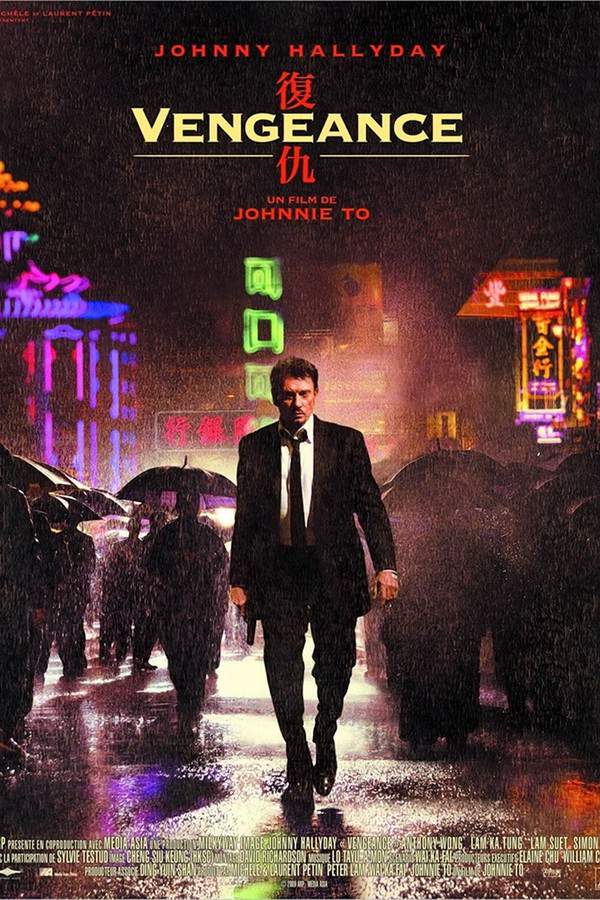
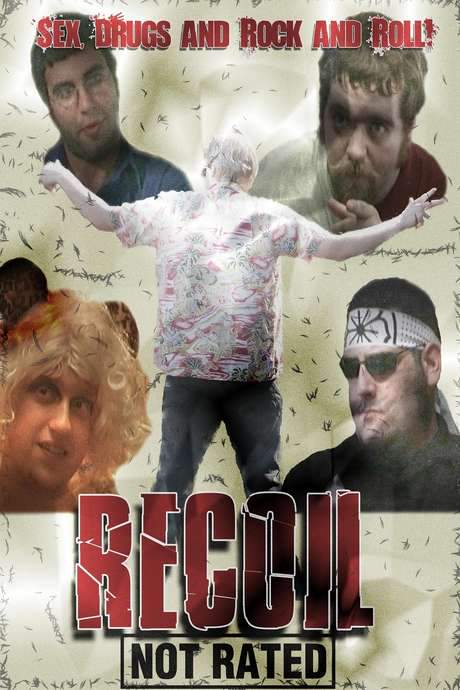
Movies about moral collapse and chaos like Revenge for Jolly!

Character-driven journeys into violence that erode sanity and morality. Looking for more movies like Revenge for Jolly! that explore a rapid descent into moral decay? This collection features films with characters who spiral into violence and chaos, often fueled by desperation. Expect fast-paced, dark stories with an ambiguous ending and a heavy, bleak atmosphere.

  • chaotic
  • unhinged
  • violent
  • alcohol-soaked
  • frantic
  • bleak
  • Tone: dark, unhinged, bleak
  • Pacing: fast, chaotic
Why these movies?

The story pattern: These narratives follow characters who are pushed to their limits, causing their grasp on sanity and morality to slip. The plot is less about a clean goal and more about the chaotic process of their downfall. The structure is often cyclical or ends ambiguously, emphasizing the inescapable or pointless nature of the violence.

Why they belong together: These films are united by their portrayal of a character's psychological and moral unraveling. They share a specific vibe: a fast-paced, chaotic, and alcohol or desperation-fueled atmosphere where violence begets more violence. The viewer experiences a sense of inevitable collapse and bleak futility.

Every angle

Revenge for Jolly! (2012) Explained: Plot, Timeline & Characters

Everything about Revenge for Jolly! in one place: what happens in the plot summary, the timeline in chronological order, the characters and meaning and a spoiler-free summary. What's After the Movie adds the cast, box office and post-credit scenes.

Coming soon on iOS and Android

The Plot Explained Movie Summary App

Plot summaries, endings explained and timelines on your phone. Catch up on any movie in minutes, save your favorites and never miss a twist again.

Be the first to know when we launch. Your email stays private, always.

Learn more about the app