Year: 2017
Runtime: 104 mins
Language: Portuguese
Director: Manuel Mozos
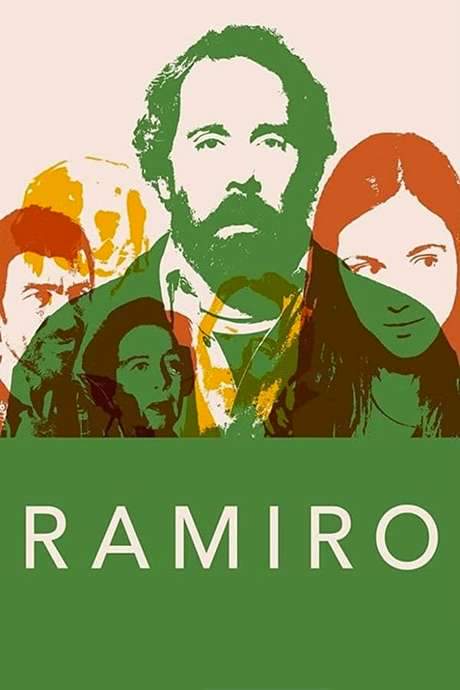
Ramiro is a bookstore owner and poet living a quiet life in Lisbon, struggling with a creative block. His days are spent between his shop and a local tavern, sharing time with his dog, friends, and neighbors, including a pregnant teenager and her grandmother. Though content with his somewhat anachronistic routine, his peaceful existence is disrupted by unexpected events that shake up his world.
Warning: spoilers below!
Haven’t seen Ramiro yet? This summary contains major spoilers. Bookmark the page, watch the movie, and come back for the full breakdown. If you're ready, scroll on and relive the story!
Explore the full timeline and setting of Ramiro (2017). Follow every major event in chronological order and see how the environment shapes the story, characters, and dramatic tension.
Last updated: October 04, 2025 at 07:59
Meet the key characters of Ramiro (2017), with detailed profiles, motivations, and roles in the plot. Understand their emotional journeys and what they reveal about the film’s deeper themes.
Last updated: October 04, 2025 at 07:59
Explore the central themes of Ramiro (2017), from psychological, social, and emotional dimensions to philosophical messages. Understand what the film is really saying beneath the surface.
Last updated: October 04, 2025 at 07:59
Browse frequently asked questions about Ramiro (2017) focused on characters, relationships, themes, symbols, setting, and story context. This movie info FAQ gives spoiler-aware explanations for character arcs, world details, and thematic interpretation so readers can better understand what the film is really about.
Ramiro takes place in Lisbon, primarily unfolding between the protagonist's small used bookstore and a neighborhood bar that serves as a social hub. Key scenes also occur at a flea market called Feira da Ladra, a maternity hospital, and a nearby prison, painting a vivid portrait of urban Lisbon life.
The film is set in modern-day contemporary Lisbon, capturing current urban life and social dynamics within a recognizable cityscape. The narrative pace mirrors present-day routines with sudden events disrupting a quiet existence.
Ramiro's writer's block anchors the film's emotional core. His longing for a quiet life clashes with external disruptions that pry open his imagination again. The theme explores how personal crises, memory, and daily routines interact to either stifle or spark creativity, examining the cost of artistic withdrawal when life insists on interruption.
A tight-knit network of neighbors, friends, and family constrains and sustains Ramiro throughout the film. Characters like Daniela, Patrícia, Amélia, and Alfredo each pull him into a shared story, highlighting how small acts of care shape a person's path. The microcosm of Lisbon's social fabric emphasizes interdependence over isolation.
Despite chaos and loss, the narrative threads toward reconciliation. The hospital gathering after Daniela's child is born becomes a symbolic moment of renewed belonging. Ramiro's return to his writing and to his community suggests that forgiveness and acceptance can emerge from hardship, with the ending reinforcing renewal rather than final escape.
Ramiro is a bookseller and struggling writer living in Lisbon who craves a quiet, somewhat anachronistic routine. His persistent writer's block and fragile daily rhythm are challenged by family, friends, and his pregnant neighbor Daniela's world, pushing him toward change even as he resists it.
Daniela is a young pregnant neighbor and orphan who forms a close bond with Ramiro. Her situation draws him into a moral and emotional space outside his private microcosm. Her presence destabilizes his routine and catalyzes his involvement with the broader community.
Alfredo is Daniela's father who has spent time in prison. When released, he seeks to tell Daniela the truth about his past, adding tension and complexity to the family dynamics. His presence unsettles Ramiro and challenges existing loyalties within the community.
Dona Amélia is Daniela's grandmother, recovering from a stroke. She functions as a steady, emotionally resonant anchor in the neighborhood and serves as a catalyst for Ramiro's empathy. Her relationship with Daniela frames the stakes of care within the community.
Patrícia is Ramiro's loyal friend who looks after him amidst the chaos that unfolds around him. She represents a persistent, supportive presence in his life, helping him navigate the turmoil and maintain a connection to the world beyond his bookstore.
Lisbon provides more than just a backdrop, it creates an intimate urban microcosm where literary circles, neighborhood loyalties, and personal struggles intersect. The city's recognizable landscape, from the flea market to the local bar, gives the story its textured, everyday quality while emphasizing the protagonist's connection to place and community.
Ramiro's small used bookstore represents both his refuge and his creative prison. It anchors his quiet, anachronistic lifestyle and his identity as a poet, while also symbolizing his withdrawal from life. The bookstore becomes the space where his creative block manifests and eventually where his renewed writing emerges.
Discover curated groups of movies connected by mood, themes, and story style. Browse collections built around emotion, atmosphere, and narrative focus to easily find films that match what you feel like watching right now.
Stories where gentle pacing meets a reflective, bittersweet mood.If you liked the quiet, reflective tone of Ramiro, this section highlights similar movies. These films share a gentle melancholia, slow pacing, and a focus on the intimate details of daily life and community, often exploring themes of loss and quiet resilience.
These narratives are rarely driven by high-stakes plots but instead unfold through the accumulation of small moments and personal interactions. The central journey often involves a character coming to terms with change, grief, or a creative block, finding meaning and strength not in grand gestures but in the reclamation of their own quiet world.
These films are grouped together because they share a specific emotional and atmospheric blend: a slow, contemplative pace, a melancholic but not bleak tone, and a medium emotional weight that feels profound without being overwhelming. They prioritize mood and character introspection over complex plotting.
Stories where an eclectic community supports each other through hardship.For viewers who appreciated the neighborhood dynamics in Ramiro, this section features films about found family and community resilience. These stories focus on how interconnected lives provide strength and hope during times of loss and change, often set within a specific, intimate world.
The plot often follows a central figure whose life is intertwined with a diverse group of neighbors, shopkeepers, or local friends. A catalyst event—such as a loss or an arrival—disrupts the status quo, testing the bonds of the community. The narrative arc shows how these bonds are strengthened as the characters collectively navigate the resulting emotional turmoil.
These movies are linked by their focus on 'found family' and the theme of resilience within a micro-community. They share a moderate narrative complexity due to multiple character arcs, a medium emotional weight as they deal with serious themes, and a tone that balances melancholy with the warmth of human connection.
Don't stop at just watching - explore Ramiro in full detail. From the complete plot summary and scene-by-scene timeline to character breakdowns, thematic analysis, and a deep dive into the ending - every page helps you truly understand what Ramiro is all about. Plus, discover what's next after the movie.
Read a complete plot summary of Ramiro, including all key story points, character arcs, and turning points. This in-depth recap is ideal for understanding the narrative structure or reviewing what happened in the movie.
Track the full timeline of Ramiro with every major event arranged chronologically. Perfect for decoding non-linear storytelling, flashbacks, or parallel narratives with a clear scene-by-scene breakdown.