Plot Explained Spoilers guaranteed!
Plot Explained

Browse by genre

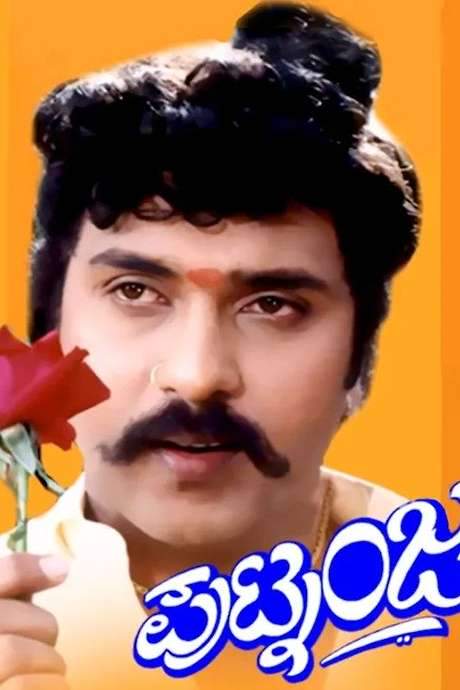
Putnanja (1995) movie poster

Plot Summary

Putnanja (1995) Plot Summary Explained

Release, runtime and language
1995 · 152 mins · Kannada
Loading streaming availability…
Starring
Umashree, Meena, V. Ravichandran, Lokesh, Pooja Lokesh

Putnanja, a poor farmer, falls in love with Roja, a city-bred woman. They get married despite opposition from her mother, but differences soon crop up between them.

On this page (5)
  1. 1 Where to watch
  2. 2 What happens: full plot
  3. 3 Plot questions answered
  4. 4 Movie threads
  5. 5 Every angle
Loading streaming availability…

Full plot summary · contains spoilers

What Happens in Putnanja: Full Plot Summary

The whole story of Putnanja (1995) explained, from the opening scene to the final frame: every key event, every twist and what it all adds up to. Read it as a quick recap before the sequel, to check a scene you missed, or to finally understand what really happened.

The film features performances by Umashree, Meena, V. Ravichandran, Lokesh, and Pooja Lokesh.

Set in a close-knit farming community near Nanjangud in the Mysore district, the story follows Putnanja, a gentle and widely respected farmer whose kindness extends to everyone, especially the poorer families and those who are marginalized. He shares a simple, loving life with his devoted grandmother, Putmalli, whose wisdom and steadfast nature ground his days and remind him of the responsibilities that come with being trusted by the village. The narrative frames a man whose reputation for fairness and generosity makes him a pillar in his community, and whose personal dream centers on love and belonging.

When the news arrives that Roja, a woman who had left India for studies in America during childhood, has returned and is now within reach, Putnanja is moved to propose marriage. He travels to Roja with hopeful intent, only to face a chilly reception: Roja does not recognize him and advises him not to pursue talk of matrimony. The tension increases as Roja’s family dynamics come into play—her aunt desires a match with a richer, better-educated partner, while her maternal uncle believes Putnanja’s kindness makes him a worthy spouse, though he is constrained by the realities of family life and social pressure.

To bring the two together, Putnanja invites Roja’s family to participate in a village festival, hoping the shared time will soften resistance. Although Roja’s sister Taara initially resists going, Roja’s insistence leads to their visit, and she begins to see the village through Putnanja’s compassionate lens. Roja’s growing affection for the people and the way of village life gradually clashes with her city upbringing, even as she is drawn to the simplicity and warmth she finds there. Dharmayya, a pivotal figure, successfully persuades Roja to consider marriage to Putnanja despite her mother’s objections, steering the couple toward a potential life together.

As days unfold, Roja attempts to blend city sensibilities with village customs, occasionally overstepping norms that define the community’s way of life. A turning moment occurs when she marks her birthday by celebrating with misenjoyed revelry, including the spilling of beer, an act that is seen as excessive in the village. Putnanja responds with a firm, corrective slap, signaling a clash of two worlds and prompting Roja to leave the village to reassess her path.

The story takes another turn when Roja discovers she is pregnant, and she resolves to care for the child even without Putnanja’s support. After the birth, Putmalli takes the baby back to her own village, initiating a new separation that tests Roja’s resolve. Realizing that she cannot imagine life without Putnanja or their child, Roja makes a determined return to his village. The reunion is marked by reconciliation, as they both come to understand the value of family, perseverance, and shared responsibility. Ultimately, the couple finds a way to build a life together, anchored in mutual respect, care for one another, and the enduring bonds of kinship that the village holds dear.
Last updated: October 05, 2025 at 12:35

Was this helpful?

Plot questions answered

Putnanja Plot Explained: Your Questions Answered

The questions people ask most about Putnanja (1995): what happens in the confusing scenes, why the characters do what they do, the twists, hidden details and what the ending means. Each answer contains spoilers.

Q1

Why doesn't Roja recognize Putnanja when he proposes?

The film doesn't explicitly explain why Roja doesn't recognize Putnanja. It's implied that they may have known each other as children before Roja left for America, but the years of separation and her childhood departure have erased any memory of him. Putnanja clearly knows who she is, suggesting some prior connection that Roja has forgotten.

Foreshadowing: Putnanja's immediate recognition of Roja hints at a past relationship that predates her time in America.

  • roja
  • putnanja
  • recognition
  • proposal
  • america
Q2

Why does Putnanja slap Roja after her birthday celebration?

Putnanja slaps Roja because she celebrates her birthday by drinking beer and making a scene, which violates village customs and is seen as disrespectful to the community's values. The act represents a clash between her city-bred behavior and village traditions. Putnanja's response, while harsh, reflects the cultural expectations and social norms of the rural setting.

Foreshadowing: Earlier in the film, Roja attempts to blend city sensibilities with village customs, constantly overstepping boundaries that the community finds inappropriate.

  • slap
  • birthday
  • beer
  • village customs
  • cultural clash
Q3

Why does Roja leave the village after the confrontation?

Roja leaves the village because she feels humiliated and misunderstood. After Putnanja slaps her for her birthday behavior, she believes she cannot fit into village life and that her city ways are incompatible with the community's expectations. The incident represents the breaking point in their cultural clash.

Foreshadowing: The confrontation over the beer celebration was the culmination of ongoing tensions between Roja's city upbringing and village traditions.

  • roja
  • village
  • departure
  • cultural clash
  • humiliation
Q4

What happens to Roja's pregnancy after she leaves the village?

After leaving the village, Roja discovers she is pregnant with Putnanja's child. She decides to raise the baby alone without his support. After giving birth, Putmalli (Putnanja's grandmother) takes the newborn back to the village to raise it among family and tradition, creating another separation for Roja.

Foreshadowing: The film establishes Putmalli as a wise figure who prioritizes family bonds and traditional values, explaining her decision to take the child.

  • pregnancy
  • baby
  • putmalli
  • separation
  • village
Q5

Why does Roja's aunt oppose her marriage to Putnanja?

Roja's aunt opposes the marriage because she wants Roja to marry a richer, better-educated man. From the aunt's perspective, Putnanja, despite being kind, is just a farmer without significant wealth or advanced education. This opposition represents the materialistic expectations that clash with Putnanja's genuine goodness.

Foreshadowing: The family opposition is established early when Putnanja faces a chilly reception at Roja's home, with her aunt favoring a more prosperous match.

  • aunt
  • marriage
  • opposition
  • rich
  • education
Q6

How do Putnanja and Roja reconcile in the end?

Roja realizes she cannot live without Putnanja or their child, prompting her to return to his village. Upon her return, they reconcile by understanding the value of family, perseverance, and shared responsibility. The film concludes with them building a life together based on mutual respect and care, with Putnanja accepting both Roja and their child.

Foreshadowing: The earlier establishment of Putnanja's kindness and Roja's growing affection for village life during the festival visit foreshadows their ability to find middle ground.

  • reconciliation
  • love
  • family
  • forgiveness
  • village
Q7

What role does Dharmayya play in getting Roja to accept the marriage?

Dharmayya is a pivotal figure who successfully persuades Roja to consider marriage to Putnanja despite her mother's objections. He acts as an intermediary who helps bridge the gap between the two families and convinces Roja that Putnanja's kindness and character make him a worthy husband, regardless of his modest background.

Foreshadowing: Dharmayya's intervention comes after Roja experiences the warmth of the village during the festival, making her more receptive to the idea of marriage.

  • dharmayya
  • persuasion
  • marriage
  • family
  • support
Q8

Why does Putmalli take the baby to the village?

Putmalli takes the newborn to her village near Nanjangud to raise the child among family and tradition. As the family elder, she believes the child should be brought up in the village environment with traditional values. This act also creates emotional pressure on Roja, strengthening her resolve to return to Putnanja.

Foreshadowing: Putmalli is established early as the wise, steadfast grandmother who reminds Putnanja of his responsibilities to family and community.

  • putmalli
  • baby
  • village
  • tradition
  • family
Q9

Why does Roja agree to visit the village for the festival?

Roja agrees to visit the village festival because she is curious about Putnanja's world and wants to see his life firsthand. Although her sister Taara initially resists, Roja insists on going. This visit becomes pivotal as she experiences the warmth of the community and begins to see Putnanja in a new light as a potential husband.

Foreshadowing: The invitation to the festival is Putnanja's strategy to soften the family's resistance by showing them his world.

  • festival
  • village
  • visit
  • roja
  • putnanja
Q10

What cultural issues cause conflict between Putnanja and Roja?

The main cultural conflict stems from Roja's city-bred behavior clashing with village customs. She attempts to live according to city manners, neglecting traditional village norms. Her birthday celebration with beer crosses a significant cultural boundary, as such behavior is considered disrespectful in the rural community. Putnanja represents the village's expectations, while Roja embodies urban values.

Foreshadowing: From the moment Roja enters the village, the narrative highlights her attempts to blend city sensibilities with village life, constantly creating tension.

  • culture clash
  • city
  • village
  • customs
  • tradition

Movie threads

More Movies Like Putnanja, by Mood & Story

Curated lists built around what makes Putnanja tick: the same mood, the same kind of story or the same emotional payoff. Each list explains why these movies belong together.

Village Romances with Cultural Divides like in Putnanja

Heartfelt tales of love blossoming across the gap between city and country life. Discover movies like Putnanja that tell similar stories of love overcoming cultural obstacles. This collection features hopeful romantic dramas set against a rural backdrop, where characters navigate the challenges of merging city and village life, ultimately finding heartwarming reconciliation.

  • romantic
  • heartwarming
  • earnest
  • dramatic
  • hopeful
  • reconciliatory
  • Tone: hopeful, earnest, heartwarming
  • Pacing: steady, character-driven
Why these movies?

The story pattern: The narrative typically follows a linear path: an unlikely attraction, the blossoming of romance despite external opposition, the inevitable conflict stemming from cultural differences, a period of separation or doubt, and finally a reconciliation built on mutual respect and acceptance. The journey is one of personal growth and adaptation.

Why they belong together: Movies are grouped here for their shared focus on the romantic tension created by cultural and lifestyle differences. They offer a consistent tone of hopeful earnestness, a steady pacing that lets character relationships develop naturally, and an ultimately uplifting resolution that affirms the strength of love.

Earnest Dramedies of Marriage and Compromise like in Putnanja

Stories where the real work of building a life together begins after the wedding. If you liked Putnanja's portrayal of a couple navigating post-wedding life, explore these similar movies. This selection features comedies and romances with dramatic depth, focusing on the realities of marriage, the need for compromise, and the heartwarming journey towards understanding and stability.

  • heartwarming
  • dramatic
  • reconciliatory
  • earnest
  • hopeful
  • romantic
  • Tone: hopeful, dramatic, heartwarming
  • Pacing: steady, relational
Why these movies?

The story pattern: These stories often start with the optimism of a new union, then quickly introduce the friction of merging two distinct lives, personalities, or family expectations. The plot revolves around a central conflict that tests the relationship, leading to a crisis that forces both partners to evolve. The resolution is achieved through maturity, communication, and a renewed commitment to the partnership.

Why they belong together: This group is defined by a specific emotional mix: a medium intensity blend of romance, drama, and subtle humor centered on interpersonal relationships. They share a steady pacing that allows for character development and a straightforward narrative complexity that keeps the focus squarely on the couple's journey toward a stable, happy union.

Every angle

Putnanja (1995) Explained: Plot, Timeline & Characters

Everything about Putnanja in one place: what happens in the plot summary, the timeline in chronological order, the characters and meaning and a spoiler-free summary. What's After the Movie adds the cast, box office and post-credit scenes.

Coming soon on iOS and Android

The Plot Explained Movie Summary App

Plot summaries, endings explained and timelines on your phone. Catch up on any movie in minutes, save your favorites and never miss a twist again.

Be the first to know when we launch. Your email stays private, always.

Learn more about the app