
Pure
Year: 2010
Runtime: 100 mins
Language: Swedish
Director: Lisa Langseth
Katarina, a 20‑year‑old from a bleak suburb, thinks her future is set until a moving performance of Mozart’s Requiem at Gothenburg’s concert hall opens a new world of music. Determined to flee her grim reality, she seeks a fresh identity, but faces lies, betrayal and a dangerous affair with the married conductor Adam, testing how far she’ll go.
Warning: spoilers below!
Haven’t seen Pure yet? This summary contains major spoilers. Bookmark the page, watch the movie, and come back for the full breakdown. If you're ready, scroll on and relive the story!
Timeline & Setting – Pure (2010)
Explore the full timeline and setting of Pure (2010). Follow every major event in chronological order and see how the environment shapes the story, characters, and dramatic tension.
Last updated: February 17, 2026 at 17:19
Main Characters – Pure (2010)
Meet the key characters of Pure (2010), with detailed profiles, motivations, and roles in the plot. Understand their emotional journeys and what they reveal about the film’s deeper themes.
Last updated: February 17, 2026 at 17:19
Major Themes – Pure (2010)
Explore the central themes of Pure (2010), from psychological, social, and emotional dimensions to philosophical messages. Understand what the film is really saying beneath the surface.
Last updated: February 17, 2026 at 17:19
Pure (2010) Character & Theme Questions Answered – Info FAQ
Browse frequently asked questions about Pure (2010) focused on characters, relationships, themes, symbols, setting, and story context. This movie info FAQ gives spoiler-aware explanations for character arcs, world details, and thematic interpretation so readers can better understand what the film is really about.
Where is the movie set?
The story takes place primarily in a municipal concert hall in Gothenburg, Sweden. This cultural hub serves as both a sanctuary and stage where classical music thrives. The setting represents a world of cultural elite that contrasts sharply with Katarina's bleak suburban life, becoming the arena where she attempts to reinvent herself.
What does the concert hall represent in the story?
The municipal concert hall functions as both sanctuary and stage for Katarina's transformation. It represents a world of sophistication and possibility that contrasts sharply with her grim reality. The hall's corridors house youth programs and professional performances, becoming the social arena where her identity fabrication unfolds and where music drives her emotional journey.
What are the main themes explored in the movie?
Pure explores three interconnected themes: Identity, as Katarina fabricates a new background to enter the classical music world; Music, as Mozart's compositions become her solace and language in a troubled life; and Ambition, which drives her to manipulate and deceive in pursuit of a better life, blurring ethical lines.
Who is Katarina and what does she want?
Katarina is a 20-year-old woman from a bleak suburb who discovers solace in Mozart's Requiem. Seeking to escape her grim reality, she constructs a false identity to enter the world of classical music. Her desire for a better life and belonging drives her into increasingly complex deception, though her lies ultimately isolate her from those who care about her.
Who is Adam and what is his role?
Adam is a married conductor at the concert hall who becomes intrigued by Katarina despite learning about her fabricated background. He embodies the tension between professional integrity and personal risk, representing both the allure of the cultural elite and the dangers of her new world. His complex interest in her persists even after her deception is exposed.
Who is Mattias and what is his relationship to Katarina?
Mattias is Katarina's supportive boyfriend who represents stability and ordinary life. He offers her love and a grounding connection to her past, but their relationship deteriorates as her deception deepens and she becomes entangled in the concert hall's world. He serves as a counterpoint to the glamour and danger of her new environment.
How does music function in the story?
Music serves as Katarina's primary solace and means of expression throughout the film. Mozart's Requiem opens her eyes to a new world during a concert in Gothenburg, and the concert hall becomes a sanctuary where emotions surface. Music shapes her relationships with both Mattias and Adam, acting as both a healing force and a dangerous attraction that fuels her ambitions.
What is Katarina's identity struggle about?
Katarina fabricates a new identity, lying about her mother's status and creating a fabricated lineage to fit into the classical music world. This deception allows her to gain power and control over her life, but simultaneously isolates her from genuine connections. The theme explores how people craft identities to survive social expectations and escape their circumstances.
What is the tone and emotional feel of the movie?
Pure carries a melancholic tone centered on Katarina's desperate search for beauty and identity amid bleak circumstances. The emotional weight is heavy, addressing themes of addiction through her mother's alcoholism, class struggle, and a morally complex affair. The pacing is steady, following her linear progression from a dead-end life into the concert hall world.
What does the theme of ambition represent in the movie?
Katarina's hunger for a better life propels her toward improvisation and manipulation within the cultural elite. Her ambition exposes the vulnerability of those seeking belonging and creates tension with people who see through her lies. The theme examines how relentless pursuit of status can blur ethical lines and create emotional distance from authentic relationships.

Explore Movie Threads
Discover curated groups of movies connected by mood, themes, and story style. Browse collections built around emotion, atmosphere, and narrative focus to easily find films that match what you feel like watching right now.
Movies about artistic escapes like Pure
Characters use artistic passion as a desperate escape from their bleak reality.If you liked Pure's story of finding salvation in classical music, explore other movies about characters using art to escape difficult lives. These melancholic dramas feature tense journeys of self-discovery, heavy emotional weight, and a search for beauty amid strife.


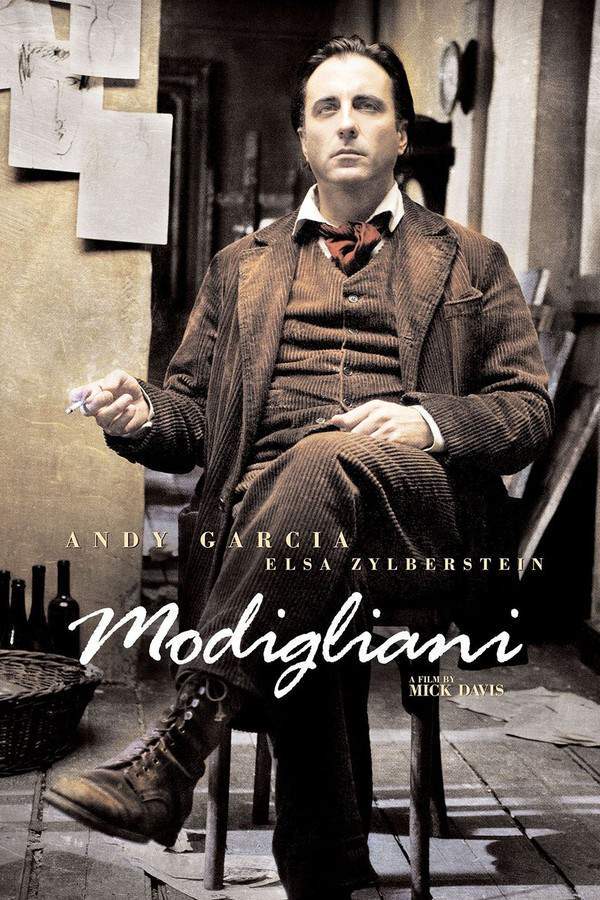

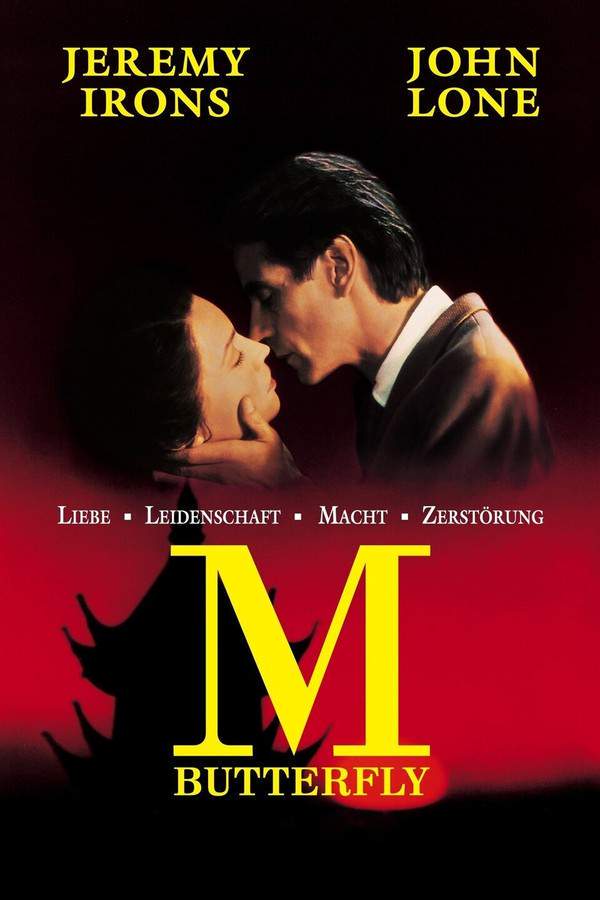

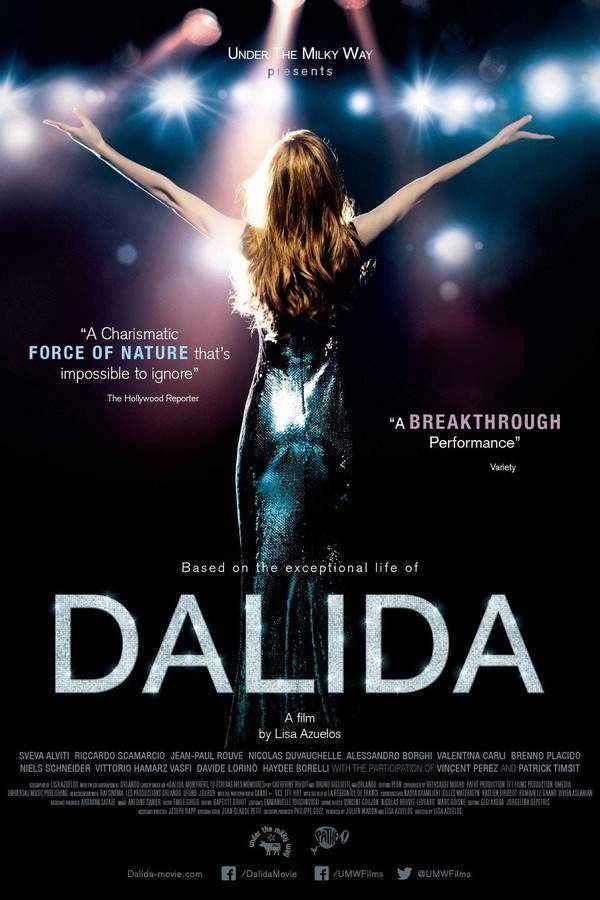
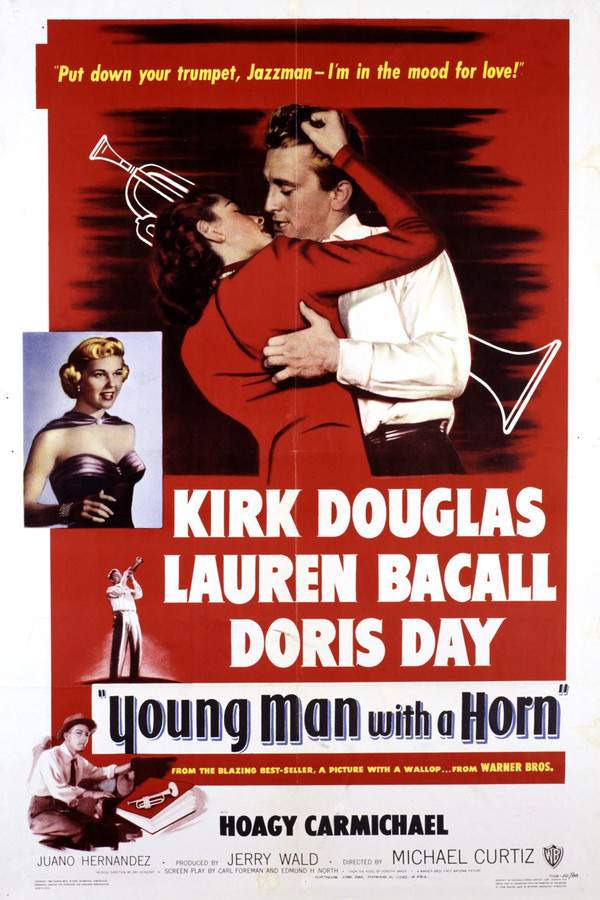





Narrative Summary
Stories follow a protagonist trapped in an oppressive environment who discovers a powerful artistic outlet. Their pursuit of this new passion becomes an obsessive quest for a better self, often leading to morally complex relationships and the risk of losing their original identity in the process.
Why These Movies?
These films are grouped together because they share a core theme of art as a transformative but perilous escape route. They balance a melancholic tone with a steady, character-driven pace, creating a specific vibe of yearning and intense personal struggle.
Intense coming-of-age dramas like Pure
Young adults navigate self-discovery through morally questionable and intense relationships.Fans of Pure's story of a young woman's risky affair and search for identity will find similar themes here. These movies explore the darker, more complex side of growing up, where self-discovery comes with a heavy moral and emotional cost.
Graduation
2017
Youth
2015
Elegy
2008

What Goes Up
2009

Palm Trees and Power Lines
2023

Ask Me Anything
2014

My Name Is Emily
2017

Sweet Bird of Youth
1962

Center of My World
2016

Take Care of My Cat
2001
Moral
1982

Another Country
1984

All Things Fair
1995

An Awfully Big Adventure
1995

Blossoms Under Somewhere
2024
Narrative Summary
A young protagonist, often from a challenging background, seeks to reinvent themselves. Their path forward is complicated by a consuming, illicit romance with an older, influential figure, forcing them to make difficult choices that test their morality and ultimately define who they become.
Why These Movies?
These films are connected by their focus on a specific, intense brand of coming-of-age. They blend heavy emotional themes like identity crisis and dysfunctional families with the tense, dramatic tension of a forbidden romance, resulting in a consistently melancholic and absorbing experience.
Unlock the Full Story of Pure
Don't stop at just watching - explore Pure in full detail. From the complete plot summary and scene-by-scene timeline to character breakdowns, thematic analysis, and a deep dive into the ending - every page helps you truly understand what Pure is all about. Plus, discover what's next after the movie.
Pure Summary
Read a complete plot summary of Pure, including all key story points, character arcs, and turning points. This in-depth recap is ideal for understanding the narrative structure or reviewing what happened in the movie.

Pure Timeline
Track the full timeline of Pure with every major event arranged chronologically. Perfect for decoding non-linear storytelling, flashbacks, or parallel narratives with a clear scene-by-scene breakdown.


