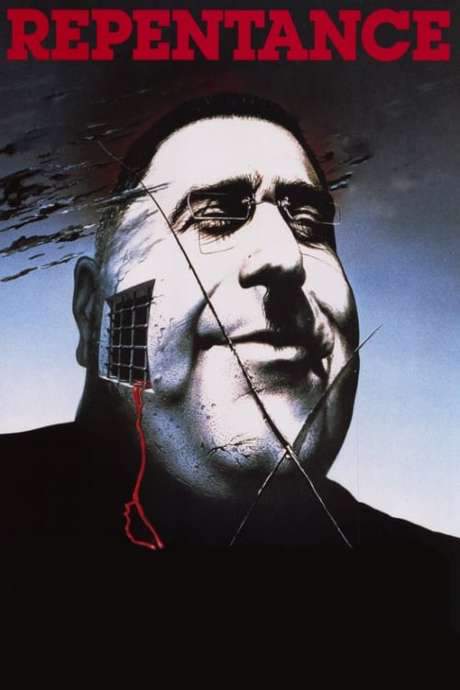
Punishment

Punishment

Year: 1948

Runtime: 105 mins

Language: Arabic

Director: Henry Barakat

Drama

Wife conspires with her lover to murder her husband. Their maid is wrongly imprisoned, and her daughter is raised by a friend. Later the wife is jailed for abusing her son’s well, confesses her sins to the maid, and dies. Twenty years after release she discovers that fate has linked her daughter with the killer’s daughter, who share the same lover.

Warning: spoilers below!

Haven’t seen Punishment yet? This summary contains major spoilers. Bookmark the page, watch the movie, and come back for the full breakdown. If you're ready, scroll on and relive the story!

Timeline – Punishment (1948)

Trace every key event in Punishment (1948) with our detailed, chronological timeline. Perfect for unpacking nonlinear stories, spotting hidden connections, and understanding how each scene builds toward the film’s climax. Whether you're revisiting or decoding for the first time, this timeline gives you the full picture.

1

Vietnam War Escalation and Presidential Decision

In 1970, the Vietnam War continues to escalate, prompting President Richard Nixon to announce a secret bombing campaign in Cambodia. This decision intensifies unrest and opposition within the United States, especially among anti-war activists. The government responds with measures to control dissent through emergency powers, including detention policies.

1970
2

Declaration of State of Emergency

President Nixon decrees a state of emergency based on the McCarran Internal Security Act of 1950. This law grants federal authorities the power to detain individuals deemed a threat to internal security. It marks a significant escalation in government actions against dissenters amid growing protests.

3

Arrests of Dissidents

Members of various social movements, including anti-war activists, civil rights advocates, feminists, conscientious objectors, and Communist Party members, are arrested. They face detention hearings and are classified as risks to national security by community tribunals. The arrests symbolize the government’s crackdown on opposition.

4

Punishment Park Setup

Due to overcrowded jails, some detainees are offered an alternative: serve their full sentences in federal prison or participate in the Punishment Park challenge. This 53-mile desert trek in California is designed as a brutal form of field training, with the promise of freedom for those who complete it successfully.

California desert
5

Beginning of the Punishment Park Trial

Group 637 begins their three-day ordeal in Punishment Park, learning the rules of the game. Simultaneously, the civilian tribunal starts hearings on Group 638, representing different perspectives on resistance and dissent. Both sides prepare for their respective battles, amidst mounting tensions.

6

Documenting the Events

European filmmakers follow the two groups and document their experiences. They interview participants, capture the hostility between detainees and chasers, and record the tribunal proceedings. The footage emphasizes the escalating conflict and polarization surrounding the trial.

7

Splintering of Group 637

As the challenge continues, Group 637 splits into two factions: one refuses to accept the rules and resorts to violence, while the other maintains pacifist resistance. The violent faction is eventually killed, illustrating the lethal consequences of defiance and chaos within the game.

8

Pacifist Group Nears the Flag

The pacifist members of Group 637 progress towards the American flag at the end of the desert course, symbolizing their resistance's hope for eventual freedom. However, they encounter an ambush by police, revealing the dangerous and unpredictable nature of the trial.

Punishment Park
9

Violence and Suppression

Upon reaching the flag, pacifists are mercilessly beaten by law enforcement, demonstrating that resistance within Punishment Park is futile. The authorities have effectively rendered the challenge unwinnable, serving as a metaphor for the broader suppression of dissent.

Punishment Park
10

Themes of Futility and Control

The film reveals that there is no true way to win the Punishment Park challenge, symbolizing the oppressive nature of the government and the impossibility of resistance within such a system. Both the violence and pacifist resistance end in defeat, underscoring the film's critique of authority.

Last updated: August 19, 2025 at 05:14

Was this helpful?

Punishment (1948) Timeline Questions Answered – Chronology FAQ

Find frequently asked questions about the Punishment (1948) timeline, including chronological order, nonlinear jumps, cause-and-effect links, and scene sequence clarifications. This timeline FAQ helps explain when key events happen, how moments connect, and why the story unfolds in that specific order.

Q1

What is Punishment Park and how does it work?

A.

Punishment Park is a brutal government program created as an alternative to prison for political detainees during Nixon's 1970 state of emergency. Convicted activists are given a choice: serve their full sentence in federal prison or attempt a three-day, 53-mile trek across the California desert to reach an American flag. Those who complete the journey are freed, but those who are caught during the run must return to prison. The entire challenge is monitored by National Guardsmen and law enforcement who chase and hunt the participants.

punishment park programdesert challengenixon erapolitical detaineesfreedom run
Q2

Why does Nixon declare a state of emergency in 1970?

A.

President Nixon declares a state of emergency in 1970 using the McCarran Internal Security Act of 1950. This action is triggered by the rising wave of opposition from anti-war, Civil Rights, and feminist movements during the Vietnam War. The declaration grants federal authorities sweeping powers to detain anyone deemed potentially threatening to internal security, primarily targeting university students, Communist Party members, conscientious objectors, and activists.

nixonstate of emergencymccarran actvietnam wargovernment repression
Q3

What happens to Group 637 in Punishment Park?

A.

Group 637 begins their Punishment Park ordeal learning the rules, but they splinter into two factions. One group refuses to accept the rules and resorts to violence, leading to their deaths. The pacifist faction continues toward the American flag, hoping for freedom. However, when they near the flag, they are ambushed by police and beaten mercilessly, demonstrating that victory in Punishment Park is impossible.

group 637pacifist groupviolent groupdesert trekpolice ambush
Q4

Why is Punishment Park considered unwinnable?

A.

The film reveals that Punishment Park is fundamentally unwinnable because the authorities have rigged the system. Even when pacifist detainees successfully reach near the American flag, they are ambushed and beaten by police waiting in a calculated trap. The outcome demonstrates that resistance within this system is futile, whether detainees resort to violence or peaceful resistance, they ultimately face defeat.

unwinnablesystem riggedresistance futilepolice ambushno escape
Q5

What do the tribunal hearings reveal about Group 638?

A.

The civilian tribunal conducts hearings on Group 638, where detainees attempt to justify their resistance against the Vietnam War. Their arguments about political opposition and dissent fall on deaf ears as the tribunal grows increasingly hostile. The hearings illustrate the government's refusal to acknowledge legitimate political grievances, showing how the system dismisses dissenting voices.

tribunal hearingsgroup 638vietnam war resistancedismissed argumentsdissent suppression
Q6

How does the film portray government authority and dissent?

A.

The film portrays government authority as oppressive and totalitarian, using emergency powers to crush political opposition. Nixon's administration employs the McCarran Act to detain activists, creating a system where dissent is criminalized. The Punishment Park program symbolizes how the state designs impossible scenarios to maintain control, revealing the dark reality of suppressing free speech and political activism during the Nixon era.

government authoritypolitical dissentsuppressionnixon administrationauthoritarianism
Q7

What happens to activists who choose prison over Punishment Park?

A.

Activists who refuse the Punishment Park challenge must serve their full sentences in federal prison. The state and federal detention centers become overwhelmed with the volume of arrests, which is why Punishment Park is created as an alternative. This choice represents a no-win scenario, both options involve suffering: either the brutal desert chase or prolonged incarceration.

prison sentencefederal prisonchoose prisondetention centersno win scenario
Q8

What is the film's message about resistance against authority?

A.

The film delivers a bleak message that resistance against the system is ultimately futile. Both violent rebellion and peaceful resistance fail in Punishment Park. The pacifists who try to win through non-violent means are beaten, while those who fight back are killed. The narrative suggests that under such oppressive conditions, the system is designed to ensure there is no true way to win, emphasizing the total suppression of dissent.

The film's title 'Punishment Park' foreshadows that the challenge is designed as punishment, not genuine opportunity.

resistance futilepeaceful resistanceviolent resistancesystem defeatpolitical oppression
Q9

Why are university students specifically targeted for detention?

A.

University students become primary targets for detention because many are actively protesting the Vietnam War or are members of the Communist Party. The government views them as threats to internal security, using the state of emergency powers to arrest anyone involved in anti-war activities. Conscientious objectors, civil rights advocates, and feminist activists also face arrest by community tribunals that classify them as national security risks.

university studentsanti war protestscommunist partyconscientious objectorsstudent activists
Q10

What role do European filmmakers play in documenting Punishment Park?

A.

European filmmakers document the Punishment Park experiment from two perspectives, following both Group 637 and Group 638. They capture the experiences of detainees, record the interactions between participants and their pursuers, and film the tribunal proceedings. Their documentary approach provides both groups' perspectives on resistance and dissent, emphasizing the escalating conflict and polarization surrounding the government's controversial program.

european filmmakersdocumentarygroup 637group 638filmingdocumentation
Mobile App Preview

Coming soon on iOS and Android

The Plot Explained Mobile App

From blockbusters to hidden gems - dive into movie stories anytime, anywhere. Save your favorites, discover plots faster, and never miss a twist again.

Sign up to be the first to know when we launch. Your email stays private, always.

Explore Movie Threads

Discover curated groups of movies connected by mood, themes, and story style. Browse collections built around emotion, atmosphere, and narrative focus to easily find films that match what you feel like watching right now.

Dramas of fateful reckonings like Punishment

Stories where past sins resurface, entangling lives and demanding confession or punishment.Explore movies like Punishment where characters are haunted by past transgressions. These stories feature confessions, mistaken identities, and tragic ironies as fate forces a confrontation with long-buried sins, leading to bleak and emotionally heavy conclusions.

tragicfatalisticanxiousbleakmelodramaticconfessionalmorally complex

Narrative Summary

The narrative pattern often begins with a buried crime, like a murder or betrayal. The initial consequences are misplaced, punishing the innocent. The story then leaps forward in time, where the lives of the victims and perpetrators' families become unknowingly intertwined, often through a shared romantic interest or circumstance. This setup culminates in a final, often fatal, confrontation where the truth is confessed and justice, however bleak, is served.

Why These Movies?

These films are grouped by their shared focus on fatalistic justice, where the past refuses to stay buried. They create a specific mood of anxious dread and tragic inevitability, driven by complex moral failures and the devastating impact of secrets on subsequent generations.

Bleak domestic thrillers with moral collapse like Punishment

Intimate stories of betrayal within the home, leading to violence and psychological ruin.Discover more movies like Punishment that delve into dark domestic thrillers. These films explore themes of marital betrayal, murderous plots within the family, and the subsequent psychological and legal fallout, all set against a backdrop of oppressive tension and moral decay.

oppressiveanxiousbrutalhopelessclaustrophobictreacheroustragic

Narrative Summary

The narrative typically revolves around a central act of domestic betrayal, such as a spouse conspiring to murder their partner. This act sets off a chain reaction of wrongful accusations, imprisonment, and the collateral damage inflicted on children or innocent parties. The story unfolds as a tragedy, emphasizing the hopelessness and ruin that follows the initial moral collapse, with little to no redemption for the characters.

Why These Movies?

Movies in this thread share a specific, intense vibe of domestic horror and moral bankruptcy. They are united by their focus on the family unit as a source of brutality, their oppressive and anxious mood, and their exploration of how personal desires lead to widespread destruction.

Unlock the Full Story of Punishment

Don't stop at just watching - explore Punishment in full detail. From the complete plot summary and scene-by-scene timeline to character breakdowns, thematic analysis, and a deep dive into the ending - every page helps you truly understand what Punishment is all about. Plus, discover what's next after the movie.

Punishment Summary

Read a complete plot summary of Punishment, including all key story points, character arcs, and turning points. This in-depth recap is ideal for understanding the narrative structure or reviewing what happened in the movie.

Punishment Summary

Characters, Settings & Themes in Punishment

Discover the characters, locations, and core themes that shape Punishment. Get insights into symbolic elements, setting significance, and deeper narrative meaning - ideal for thematic analysis and movie breakdowns.

Characters, Settings & Themes in Punishment

Punishment Spoiler-Free Summary

Get a quick, spoiler-free overview of Punishment that covers the main plot points and key details without revealing any major twists or spoilers. Perfect for those who want to know what to expect before diving in.

Punishment Spoiler-Free Summary

More About Punishment

Visit What's After the Movie to explore more about Punishment: box office results, cast and crew info, production details, post-credit scenes, and external links - all in one place for movie fans and researchers.

More About Punishment