









Plot Explained Spoilers guaranteed!
Plot Explained

Browse by genre

Prison on Fire II (1991) movie poster

Characters & Themes

Prison on Fire II (1991) Characters, Setting & Themes Explained

Release, runtime and language
1991 · 109 mins · Cantonese
Directed by
Ringo Lam Ling-Tung
Starring
Yu Li, Chow Yun-Fat, Vincent Wan Yeung-Ming, Elvis Tsui Kam-Kong, Frankie Ng Chi-Hung, Tommy Wong

In a Hong Kong prison crowded with Mainland Chinese inmates, Ching longs to reunite with his young son, who is in an orphanage. He escapes to see the child, then surrenders. The vengeful chief of security, Zau, schemes to frame him for a Mainland gang, seriously endangering his chance at freedom.

On this page (8)
  1. 1 Where to watch
  2. 2 Characters explained (5)
  3. 3 Where & when it takes place
  4. 4 Themes & meaning (3)
  5. 5 Character & meaning questions
  6. 6 Movie threads
  7. 7 Movies like Prison on Fire II
  8. 8 Every angle

Where to watch

Where to Watch Prison on Fire II (1991)

Where can you watch Prison on Fire II? Stream, rent or buy it in the US, including on Plex, YouTube Free and Amazon Video: current JustWatch availability with up-to-date prices.

Streaming availability powered by JustWatch

5 main characters · contains spoilers

Prison on Fire II Characters Explained: Who Is Who

The main characters of Prison on Fire II (1991), heroes and villains: what drives them, how they change over the course of the story and what each of them reveals about the film's bigger ideas.

  • Chung Tin Ching (Chow Yun-Fat)

    The film's core inmate, a resourceful and volatile figure driven by loyalty to his friends and his son. He escapes to see his child, masterminds a plan to break free, and navigates brutal power structures within the prison while facing moral ambiguity and violence.

    • 🔥 Action
    • 🤝 Loyalty
    • 👨‍👦 Family
    • 🗡️ Violence
  • Officer Zau (Elvis Tsui Kam-Kong)

    A brutal, corrupt guard who tortures Ching and ruthlessly enforces discipline. He embodies the systemic violence and authority figures who maintain control through fear and cruelty, stopping escapes even as he revels in power.

    • 💥 Brutality
    • 👮 Authority
    • 🗝️ Corruption
  • Skull (Woo Yiu-Chung)

    A dangerous inmate who clashes with Ching, using a sharpened toothbrush as a weapon. His aggression, jealousy, and eventual self-reproach add tension to the prison's power struggles and the fragility of loyalties.

    • 🗡️ Violence
    • 💥 Antagonist
    • 🤝 Rival
  • Fireball (Bill Lung Biu)

    A cellmate who aligns with Hongkie factions and participates in escapes. He represents the cooperation and conflict among prisoners that drive the escape plot and the social dynamics inside the cellblocks.

    • 🔥 Escape
    • 🧩 Strategy
    • 👥 Inmate
  • Prison Superintendent (Law Shu-Kei)

    The new superintendent who ties back to past events, representing institutional continuity and the shifting authority within the prison system. He becomes a key figure in handling the aftermath of the clash and the safety of the inmates.

    • 🏛️ Authority
    • 🧭 Policy
    • 🕊️ Limited redemption

Last updated: October 04, 2025 at 12:36

Was this helpful?

Setting

Where and When Does Prison on Fire II Take Place?

The setting of Prison on Fire II (1991): the year and time period, the places and locations, and how they shape the characters, the mood and the tension of the story.

Time period

Location

Hong Kong prison, Orphanage, Hospital

The action largely unfolds inside a harsh Hong Kong prison complex where rival inmate groups clash. Interludes occur at an orphanage and a hospital, illustrating the reach of Ching's world beyond the cell walls. The settings emphasize confinement, risk, and the precarious hope of reuniting with family.

  • 🔒 Prison setting
  • 🏚️ Orphanage
  • 🏥 Hospital

Last updated: October 04, 2025 at 12:36

Was this helpful?

3 major themes

Prison on Fire II Meaning: Themes & Message Explained

What is Prison on Fire II (1991) really about? The emotional, social and philosophical themes the film keeps returning to, its symbolism and the message beneath the surface.

  • Brotherhood

    A central thread is the fraternal bond among inmates, especially Ching and his allies, forged through shared danger and mutual protection. Loyalty drives risky escapes and confrontations, showing how companionship can be both a salvation and a liability inside the prison system.

  • Power Struggle

    The narrative explores power dynamics between gangs and between prisoners and guards. Brutal enforcement, intimidation, and clashes between the Hongkie and Mainland groups reveal how control and fear shape every interaction behind the bars.

  • Escape

    Escape is a driving force, culminating in a prison fire used to break out and force a volatile confrontation. The plan is born from desperation and desperation fuels risky decisions, revealing both ingenuity and the brutal costs of trying to reclaim freedom.

Last updated: October 04, 2025 at 12:36

Was this helpful?

Character & theme questions

Prison on Fire II Characters & Meaning: Your Questions Answered

The questions people ask about Prison on Fire II (1991): who the characters really are, their relationships, what the symbols mean, where it takes place and what the movie is really about. Each answer contains spoilers.

Q1

Where is Prison on Fire II set?

The film takes place primarily inside a Hong Kong prison complex, with key scenes also unfolding at an orphanage and a hospital. The prison setting dominates the narrative, emphasizing confinement, danger, and the harsh realities of inmate life. The orphanage represents Ching's hopes for reuniting with his son, while the hospital serves as a critical backdrop for events that extend beyond the cell walls.

  • hong kong prison
  • orphanage
  • hospital
  • prison setting
Q2

Who is Chung Tin Ching in Prison on Fire II?

Chung Tin Ching, played by Chow Yun-Fat, is the film's central inmate, a resourceful and volatile figure driven by deep loyalty to his friends and an overwhelming desire to reunite with his young son living in an orphanage. He masterminds escape plans and navigates brutal power structures within the prison, constantly balancing moral ambiguity with survival instincts.

  • chow yun-fat
  • chung tin ching
  • protagonist
  • inmate
Q3

Who is Officer Zau in Prison on Fire II?

Officer Zau, portrayed by Elvis Tsui Kam-Kong, is the film's primary antagonist, a brutal and corrupt guard who tortures inmates and enforces discipline through fear and cruelty. He represents the systemic violence of the prison system, using his authority to maintain control and stop escape attempts, embodying the corrupt power dynamics that permeate the institution.

  • officer zau
  • guard
  • antagonist
  • prison authority
Q4

What does the Brotherhood theme represent in Prison on Fire II?

The Brotherhood theme explores the fraternal bonds formed among inmates, particularly between Ching and his allies. These relationships are forged through shared danger and mutual protection, driving risky escapes and confrontations. The film shows how companionship can be both a salvation and a liability within the prison system, highlighting loyalty as a powerful but complicated force.

  • brotherhood
  • loyalty
  • inmate bonds
  • friendships in prison
Q5

What is the Power Struggle theme about in Prison on Fire II?

The Power Struggle theme examines the complex dynamics between rival inmate gangs and between prisoners and guards. Brutal enforcement, intimidation, and clashes between Hongkie and Mainland groups reveal how control and fear shape every interaction behind the bars. The film portrays a hierarchical system where power is maintained through violence and psychological pressure.

  • power struggle
  • gang conflict
  • prison politics
  • hongkie
  • mainland inmates
Q6

What role does the Escape theme play in Prison on Fire II?

Escape serves as the film's driving force, culminating in a desperate prison break involving a fire. The escape plan represents both ingenuity and the brutal costs of pursuing freedom. The theme explores how desperation fuels risky decisions, showing the extreme measures inmates will take to reclaim autonomy, even when success comes at tremendous personal sacrifice.

  • escape
  • prison break
  • fire
  • freedom
  • desperation
Q7

What are the main inmate groups in Prison on Fire II?

The film features rival inmate factions, primarily the Hongkie (local Hong Kong inmates) and Mainland Chinese inmates. These groups clash throughout the prison, with Skull representing a dangerous inmate who opposes Ching, and Fireball aligning with Hongkie factions in escape plots. The tensions between these groups drive much of the internal conflict and violence within the prison.

  • hongkie
  • mainland
  • inmate gangs
  • prison rivalry
  • skull
  • fireball
Q8

Who is the Prison Superintendent in Prison on Fire II?

The Prison Superintendent, played by Law Shu-Kei, represents institutional continuity within the prison system. He ties back to past events from the original film and becomes a key figure in handling the aftermath of the violent confrontations. His role highlights the shifting authority within the prison and the bureaucratic consequences of the chaotic events.

  • prison superintendent
  • authority
  • institutional figure
Q9

What is the significance of the orphanage in Prison on Fire II?

The orphanage represents Ching's primary motivation and emotional anchor throughout the film. His young son resides there while he remains incarcerated, and Ching's desperate escape is motivated by his longing to see the child. The orphanage scenes illustrate how the reach of Ching's world extends beyond the prison walls, providing hope amid the bleak environment and emphasizing the theme of paternal love separated by confinement.

  • orphanage
  • son
  • family
  • paternal love
  • ching's son
Q10

What is the overall tone and emotional weight of Prison on Fire II?

Prison on Fire II has a predominantly dark tone focused on harsh survival and systemic cruelty, featuring relentless physical and psychological conflict including brutal beatings and violence. However, it is not entirely bleak due to the anchoring hope of familial love. The emotional weight deals heavily with confinement, paternal separation, and the moral cost of survival, resulting in a bittersweet ending where Ching achieves fragile peace at great personal cost.

  • dark tone
  • emotional weight
  • survival
  • paternal love
  • bittersweet ending

Movie threads

More Movies Like Prison on Fire II, by Mood & Story

Curated lists built around what makes Prison on Fire II tick: the same mood, the same kind of story or the same emotional payoff. Each list explains why these movies belong together.

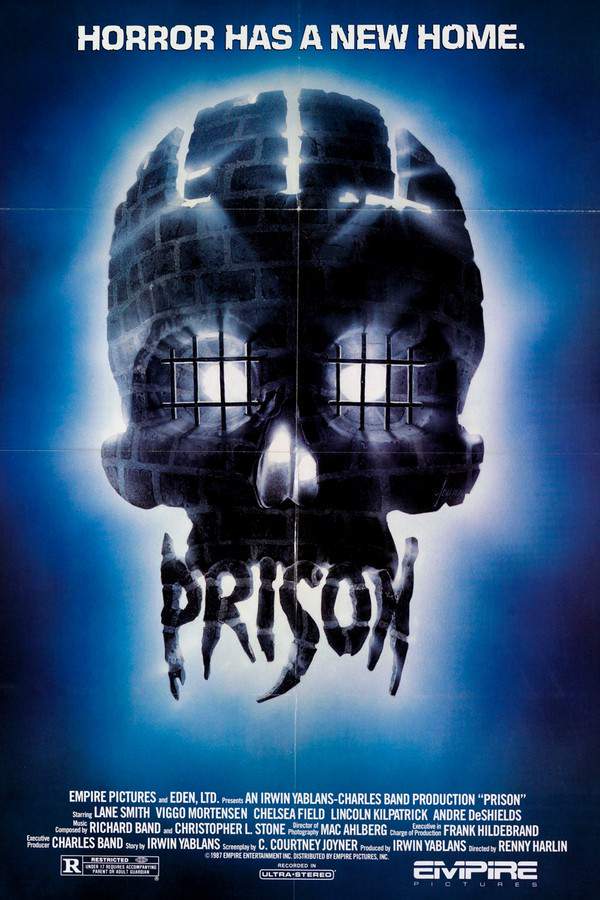
Brutal prison survival dramas like Prison on Fire II

Gripping tales of men fighting for their lives and sanity behind bars. If you liked the high-tension survival and institutional violence of Prison on Fire II, explore these movies that capture a similar feeling of desperate endurance within harsh prison systems. These films share a dark, heavy tone and focus on the physical and psychological cost of staying alive.

  • brutal
  • claustrophobic
  • tense
  • desperate
  • oppressive
  • grim
  • Tone: dark, grim, brutal
  • Pacing: variable, tense
Why these movies?

The story pattern: The narrative follows a protagonist, often an ordinary person, thrust into a brutal penal system where they must navigate a violent social hierarchy and corrupt authority figures. The central conflict is a test of endurance, pitting the individual's will to survive against overwhelming systemic and physical threats, often culminating in a climactic confrontation for freedom or dignity.

Why they belong together: These films are grouped together for their shared focus on the visceral, claustrophobic experience of incarceration. They deliver a high-intensity, dark viewing experience defined by themes of survival, male bonding under extreme duress, and the grim reality of institutional life.

Movies with bittersweet endings after heavy trials like Prison on Fire II

Stories where hard-won survival leaves deep emotional scars, not pure victory. For viewers who appreciated the costly, bittersweet conclusion of Prison on Fire II, this collection features stories where characters survive profound struggles but are forever changed. These movies balance heavy emotional weight with endings that are hopeful yet scarred, resonating with a feeling of wary resilience.

  • melancholic
  • grim
  • heavy
  • desperate
  • endurance
  • bittersweet
  • Tone: bittersweet, melancholic, heavy
  • Pacing: variable, character-driven
Why these movies?

The story pattern: The narrative arc is defined by a protagonist facing a relentless series of trials that test their spirit and morality. The story builds to a resolution where the immediate danger has passed, but the victory is partial. The ending acknowledges the survival while emphasizing the profound personal loss, trauma, or sacrifice endured, leaving the character and audience with a complex mix of relief and melancholy.

Why they belong together: These films are united by their specific emotional journey: a heavy, intense experience culminates in a conclusion that is neither purely happy nor bleak. The shared vibe is one of earned but compromised survival, where the emotional weight of the journey indelibly marks the outcome.

If you liked this

Movies Like Prison on Fire II

Similar movies to Prison on Fire II: the same genre, themes or kind of story. Each one comes with its own plot summary, timeline and ending explained.

Browse all movie summaries

Every angle

Prison on Fire II (1991) Explained: Plot, Timeline & Characters

Everything about Prison on Fire II in one place: what happens in the plot summary, the timeline in chronological order, the characters and meaning and a spoiler-free summary. What's After the Movie adds the cast, box office and post-credit scenes.

Coming soon on iOS and Android

The Plot Explained Movie Summary App

Plot summaries, endings explained and timelines on your phone. Catch up on any movie in minutes, save your favorites and never miss a twist again.

Be the first to know when we launch. Your email stays private, always.

Learn more about the app