Year: 2012
Runtime: 97 min
Language: Japanese
Director: Stuart J. Levy
Following the devastating 9.0 earthquake and tsunami that struck Japan's Tohoku coast on March 11, 2011, filmmaker Stu Levy documents the immediate aftermath in Ishinomaki, Miyagi. The film portrays the city, which was home to over 160,000 people, as it grapples with the widespread destruction and begins the long process of recovery following the natural disaster.
Warning: spoilers below!
Haven’t seen Pray for Japan yet? This summary contains major spoilers. Bookmark the page, watch the movie, and come back for the full breakdown. If you're ready, scroll on and relive the story!
Read the complete plot breakdown of Pray for Japan (2012), including all key story events, major twists, and the ending explained in detail. Discover what really happened, and what it all means.
On March 11, 2011, the Tohoku coastal region of Japan was ravaged by an immense 9.0 magnitude earthquake, followed by a devastating tsunami. PRAY FOR JAPAN is set against the backdrop of Ishinomaki, the largest coastal city in Tohoku, which was home to over 160,000 residents. The film is brought to life by filmmaker Stu Levy, an American who has made Japan his home. He documented the aftermath of the tsunami during his time in Tohoku as a volunteer and managed to compile over 50 hours of footage over the course of six weeks.
This powerful documentary shines a spotlight on four critical perspectives of this heart-wrenching tragedy: School, Shelter, Family, and Volunteers. Each viewpoint introduces us to individuals who faced arduous challenges and bravely confronted them. By exploring these four angles, viewers gain a profound understanding of the extensive consequences of this monumental natural disaster, as well as the relentless spirit shown by these real-life heroes as they fought for their loved ones and their hometown.
The emotional scars from losing loved ones run deep; however, healing can commence through the acknowledgment of the incredible resilience and quiet courage demonstrated by the victims and volunteers of Tohoku. By honoring their spirit, we motivate them to persevere during times when even the most tenacious individuals might feel overwhelmed. Furthermore, this film provides valuable insights into how our own inner strength can emerge during life-threatening circumstances, teaching us valuable lessons from these extraordinary heroes.
Last updated: October 25, 2024 at 10:25
Explore frequently asked questions about Pray for Japan (2012) with spoiler-rich answers covering the full plot summary, major story beats, character motivations, hidden details, and ending meaning. This movie summary FAQ helps explain confusing scenes, plot twists, and narrative decisions in clear, searchable detail.
The massive tsunami that followed the 9.0 earthquake devastated Ishinomaki, the largest coastal city in Japan's Tohoku region. With a pre-disaster population of over 160,000 residents, the city experienced widespread destruction as waves swept through towns and displaced thousands from their homes. The documentary highlights the immediate aftermath where residents lost their homes and were forced to seek shelter in evacuation centers.
The documentary 'Pray for Japan' compiles over 50 hours of footage filmed by American filmmaker Stu Levy over six weeks in March 2011. It explores four key perspectives: School, Shelter, Family, and Volunteers. Each perspective introduces real individuals who faced immense challenges after the disaster, showing how communities coped with trauma, loss, and displacement while beginning the long process of recovery.
The catastrophic 9.0 magnitude earthquake struck Japan's Tohoku coast on March 11, 2011. The earthquake was followed almost immediately by a massive tsunami that compounded the destruction across the coastal region, particularly affecting Ishinomaki in Miyagi prefecture.
The School perspective in the documentary showcases how students and teachers coped with the trauma and loss caused by the disaster. It depicts how educational institutions adapted to new challenges in the post-tsunami environment, highlighting the impact on children's lives and the efforts to restore some sense of normalcy.
Volunteers from both local communities and abroad played a critical role in providing aid to survivors. The documentary highlights their selfless efforts in distributing basic necessities, helping displaced residents, and supporting the broader recovery operation. Their contributions demonstrated the collective human spirit in facing such widespread adversity.
Many families faced the agonizing uncertainty of missing loved ones as they sought refuge and tried to rebuild their lives. The Family perspective delves into the emotional toll of separation and loss, depicting how family dynamics were strained by the disaster while also showing moments of unity and support during the recovery process.
Ishinomaki is the largest coastal city in Japan's Tohoku region, located in Miyagi prefecture. Before the 2011 disaster, it was home to over 160,000 residents. The city suffered catastrophic damage from both the earthquake and subsequent tsunami, making it one of the most heavily affected areas in the entire disaster zone.
While depicting devastating loss and emotional trauma, the documentary emphasizes the relentless spirit and quiet courage demonstrated by survivors and volunteers. It shows individuals gradually finding ways to heal and rebuild their lives, portraying resilience as a gradual process rather than an immediate recovery. The film concludes by honoring this spirit as a source of motivation for those facing their own challenges.
The film balances depicting the severe destruction and loss with a hopeful tone because its purpose is to honor the resilience and courage of the victims and volunteers. By focusing on stories of survival, community support, and recovery, the documentary aims to motivate perseverance and demonstrate how inner strength can emerge during life-threatening circumstances.
The documentary conveys valuable lessons about inner strength and the heroism that can emerge during crisis. Through the experiences shared by survivors and volunteers, viewers are encouraged to reflect on their own lives and recognize the capacity humans have to overcome unimaginable challenges. The film serves as both a memorial and a source of motivation for future generations.
Discover curated groups of movies connected by mood, themes, and story style. Browse collections built around emotion, atmosphere, and narrative focus to easily find films that match what you feel like watching right now.
Documentaries and dramas that find hope and courage amidst profound tragedy.Find movies like Pray for Japan that explore the aftermath of catastrophic events and the incredible strength of the human spirit. These documentaries and dramas focus on community, volunteerism, and the long, difficult path to recovery following immense loss.
Stories in this thread typically begin with a catastrophic event that shatters a community. The narrative then follows the immediate and long-term aftermath, often through multiple perspectives, documenting the grief, the logistical challenges, and the gradual, collective effort to rebuild. The central conflict is against despair, with the human spirit as the protagonist.
These films are grouped together because they share a specific emotional trajectory: starting with high-intensity tragedy and moving toward a hopeful, bittersweet conclusion centered on resilience. They balance a heavy emotional weight with a tone that is ultimately respectful and uplifting.

Immersive non-fiction films that bear witness to tragedy and the start of healing.If you liked the respectful and immersive approach of Pray for Japan, explore these similar documentaries. They tackle heavy, real-world topics with a steady pace and a focus on realism, balancing the weight of the subject with a hopeful perspective on human endurance.
These documentaries follow a linear, straightforward structure, often compiled from firsthand footage. They avoid complex narrative tricks, instead focusing on authentic observation. The journey is from trauma and loss toward the beginnings of healing, acknowledging the profound sadness while emphasizing the strength required to move forward.
This grouping is defined by a unique blend of documentary realism, heavy emotional subject matter, and a tonal balance between somber reflection and hopeful resolve. The shared experience is one of sobering witness and inspirational courage, all presented with a steady, unflinching pace.
Don't stop at just watching - explore Pray for Japan in full detail. From the complete plot summary and scene-by-scene timeline to character breakdowns, thematic analysis, and a deep dive into the ending - every page helps you truly understand what Pray for Japan is all about. Plus, discover what's next after the movie.
Track the full timeline of Pray for Japan with every major event arranged chronologically. Perfect for decoding non-linear storytelling, flashbacks, or parallel narratives with a clear scene-by-scene breakdown.
Discover the characters, locations, and core themes that shape Pray for Japan. Get insights into symbolic elements, setting significance, and deeper narrative meaning - ideal for thematic analysis and movie breakdowns.
Discover movies like Pray for Japan that share similar genres, themes, and storytelling elements. Whether you’re drawn to the atmosphere, character arcs, or plot structure, these curated recommendations will help you explore more films you’ll love.
Pray for Japan (2012) Scene-by-Scene Movie Timeline
Pray for Japan (2012) Movie Characters, Themes & Settings
Pray for Japan (2012) Spoiler-Free Summary & Key Flow
Movies Like Pray for Japan – Similar Titles You’ll Enjoy
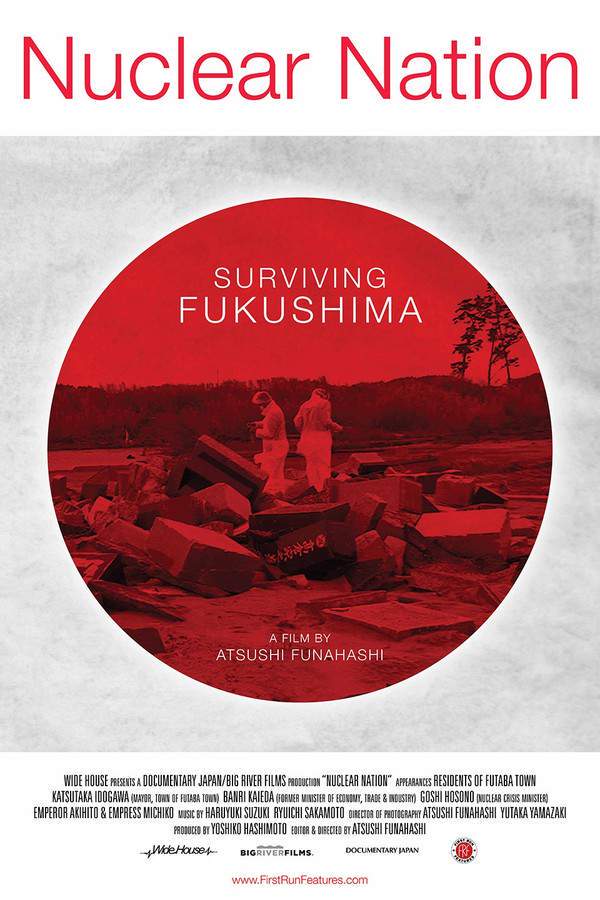
Nuclear Nation (2013) Full Summary & Key Details
The Volcano: Rescue from Whakaari (2022) Movie Recap & Themes
Japan: Earth’s Enchanted Islands (1000) Plot Summary & Ending Explained
Tenzo (2019) Story Summary & Characters
Hiroshima (2005) Detailed Story Recap
JAPAN, Our Homeland (2007) Movie Recap & Themes
White Light/Black Rain: The Destruction of Hiroshima and Nagasaki (2007) Film Overview & Timeline
Japan Sinks: 2020 (1000) Full Movie Breakdown
Japan Sinks: 2020 Theatrical Edition (2020) Full Movie Breakdown
Tokyo Shaking (2021) Story Summary & Characters
JAPAN SINKS: People of Hope (1000) Complete Plot Breakdown
Nowhere to go but everywhere (2022) Detailed Story Recap
Hiroshima (1000) Movie Recap & Themes
Hiroshima Nagasaki August, 1945 (1970) Ending Explained & Film Insights
The Day the Earth Moved (1997) Film Overview & Timeline