


Plot Explained Spoilers guaranteed!
Plot Explained

Browse by genre

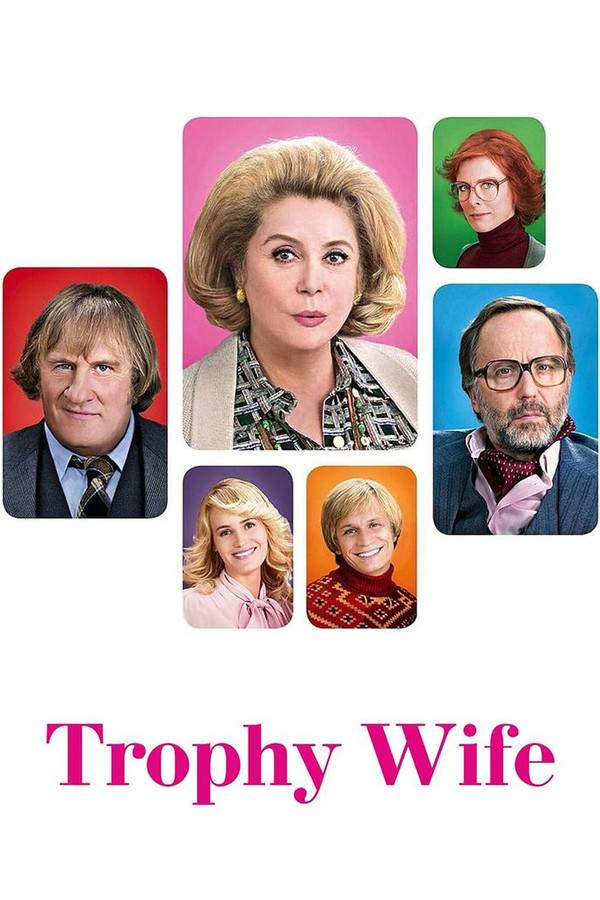
Potiche (2011) movie poster

Characters & Themes

Potiche (2011) Characters, Setting & Themes Explained

Release, runtime and language
2011 · 103 min · French
Directed by
François Ozon

In 1977 France, Suzanne Pujol is a trophy wife whose life revolves around her husband's strict rules. When his umbrella factory is struck by workers, Suzanne unexpectedly finds herself in charge. She embraces the challenge, shedding her repressed nature and gaining the admiration of the employees while discovering a sense of independence. However, her newfound freedom is threatened when her husband returns from vacation, determined to regain control.

On this page (8)
  1. 1 Where to watch
  2. 2 Characters explained (6)
  3. 3 Where & when it takes place
  4. 4 Themes & meaning (3)
  5. 5 Character & meaning questions
  6. 6 Movie threads
  7. 7 Movies like Potiche
  8. 8 Every angle

Where to watch

Where to Watch Potiche (2011)

Where can you watch Potiche? Stream, rent or buy it in the US, including on Hoopla and Cineverse: current JustWatch availability with up-to-date prices.

Streaming availability powered by JustWatch

6 main characters · contains spoilers

Potiche Characters Explained: Who Is Who

The main characters of Potiche (2011), heroes and villains: what drives them, how they change over the course of the story and what each of them reveals about the film's bigger ideas.

  • Suzanne Pujol (Catherine Deneuve)

    A refined, initially submissive wife who orchestrates a bold takeover of the umbrella factory after her husband falls ill. She proves herself as a diplomatic and practical leader, bringing workers onside and steering the company toward success. Her transformation fuels her later pursuit of a political career, championing independence and social progress.

    • 👩‍💼 Independent
    • 💪 Strong-willed
    • 🤝 Diplomatic
  • Robert Pujol

    The tyrannical president of the umbrella factory, patronizing toward Suzanne and unfaithful. He clashes with Suzanne as she gains control, later attempting to regain authority after his illness. His arrogance and conventionalism stand in contrast to Suzanne's evolving vision for the company and family.

    • 👔 Patriarch
    • 💼 Businessman
    • 😡 Controlling
  • Maurice Babin

    The town's Communist mayor and former union leader who becomes an ally-turned-rival. He mentors Suzanne at key moments and is drawn into a complicated dynamic as Suzanne's influence grows. His political presence anchors the local power struggle around the factory.

    • 🏛️ Political
    • 👥 Charismatic
    • 🗳️ Election
  • Nadège

    Robert's secretary and former lover who ends her affair with him and sides with Suzanne, recognizing her respect for Suzanne’s leadership. She supports the shift in power and contributes to the workplace reorganization from an insider perspective.

    • 🤝 Loyal
    • 🕊️ Honest
    • 🗂️ Secretary
  • Laurent Pujol

    Suzanne's liberal-minded, artistically inclined son, engaged to a frequently absent woman. He contributes creatively by designing Kandinsky-inspired patterns for the umbrellas, signaling a generational shift in taste and outlook.

    • 🎨 Artist
    • 🧠 Intellectual
  • Joëlle Pujol

    Suzanne's daughter, conservative and married to a constantly traveling businessman. She contemplates divorce and, at a pivotal moment, transfers her shares to Robert, revealing the complex family and corporate dynamics at play.

    • 👩🏻‍💼 Conservative
    • 💼 Business
    • 👨‍👧 Family

Last updated: October 14, 2025 at 03:57

Was this helpful?

Setting

Where and When Does Potiche Take Place?

The setting of Potiche (2011): the year and time period, the places and locations, and how they shape the characters, the mood and the tension of the story.

Time period

1977

Set in 1977, the film reflects a period of social change in France, with labor movements and shifting gender roles influencing everyday life. The era heightens the stakes of factory negotiations and political ambition. It frames Suzanne's ascent from domestic life to industrial leadership and a future in politics.

Location

Sainte-Gudule, Nord, France

The story unfolds in the small fictional French town of Sainte-Gudule in Nord, centered on an umbrella factory and its workforce. It is a tight-knit, industrious community where strikes expose tensions between labor and management. The town serves as a backdrop for personal ambitions, social change, and the battle of wills between a domineering husband and a newly empowered wife.

  • 🏭 Industrial town
  • 🇫🇷 French setting

Last updated: October 14, 2025 at 03:57

Was this helpful?

3 major themes

Potiche Meaning: Themes & Message Explained

What is Potiche (2011) really about? The emotional, social and philosophical themes the film keeps returning to, its symbolism and the message beneath the surface.

  • Empowerment

    Suzanne evolves from a submissive trophy wife to a capable leader of the umbrella factory. She navigates worker demands, negotiates with the town's power players, and drives production to new heights. The arc centers on personal empowerment, autonomy, and redefining authority in both business and family life.

  • Labor & Class

    The factory strike exposes deep class tensions between management and workers. Suzanne's diplomatic approach helps bridge divides and restore production, illustrating how dialogue can transform conflict into cooperation. The dynamic also weaves in political maneuvering around labor affairs.

  • Gender Roles

    The narrative challenges traditional gender expectations as Suzanne takes control and pursues a public career. The marriage trade-offs, affairs, and eventual independence highlight evolving gender norms in the late 1970s. The story uses humor and politics to critique patriarchal structures.

Last updated: October 14, 2025 at 03:57

Was this helpful?

Character & theme questions

Potiche Characters & Meaning: Your Questions Answered

The questions people ask about Potiche (2011): who the characters really are, their relationships, what the symbols mean, where it takes place and what the movie is really about. Each answer contains spoilers.

Q1

Where is Potiche set?

The film takes place in the small fictional French town of Sainte-Gudule in the Nord region. The entire story revolves around the local umbrella factory, portraying a tight-knit industrial community where labor tensions and personal ambitions play out against this working-class backdrop.

  • sainte-gudule
  • nord france
  • umbrella factory
  • french town
  • setting
Q2

When does Potiche take place?

The movie is set in 1977 France, a period marked by significant social change. This era saw labor movements actively reshaping workplace dynamics and gender roles beginning to shift, providing the perfect historical context for Suzanne's transformation from trophy wife to independent leader.

  • 1977
  • france
  • 1970s
  • time period
  • historical setting
Q3

Who is Suzanne Pujol?

Suzanne Pujol is the film's protagonist, initially portrayed as a refined but submissive trophy wife. When her husband's umbrella factory is struck by workers and he falls ill, she unexpectedly takes charge and discovers she possesses genuine leadership abilities, ultimately embarking on a political career.

  • suzanne pujol
  • catherine deneuve
  • protagonist
  • trophy wife
  • main character
Q4

Who is Robert Pujol?

Robert Pujol is the tyrannical president of the umbrella factory and Suzanne's husband. He is patronizing, unfaithful, and represents traditional patriarchal authority. His return from vacation and attempts to reclaim control create the central conflict as Suzanne's independence grows.

  • robert pujol
  • husband
  • factory owner
  • antagonist
  • patriarch
Q5

Who is Maurice Babin?

Maurice Babin is the town's Communist mayor and former union leader who becomes a key ally to Suzanne. He mentors her in political matters and helps navigate the labor dispute, though their relationship evolves into a complicated dynamic as her influence grows.

  • maurice babin
  • mayor
  • communist
  • union leader
  • political mentor
Q6

What does the umbrella factory represent?

The umbrella factory serves as both the literal setting and a symbol of the changing social landscape. It represents the intersection of labor and management, a space where class tensions play out, and ultimately becomes the vehicle through which Suzanne gains economic independence and personal empowerment.

  • umbrella factory
  • symbolism
  • workplace
  • labor
  • class struggle
Q7

What is the main theme of Potiche?

The primary theme is empowerment, specifically Suzanne's journey from a repressed housewife to a capable, independent leader. The film explores how she discovers her own capabilities, gains respect from workers, and uses this experience to pursue a meaningful career outside the home.

  • empowerment
  • independence
  • transformation
  • female lead
  • self-discovery
Q8

What does Potiche say about gender roles?

Potiche critiques traditional gender expectations by showing Suzanne breaking free from her submissive role. The film highlights how late 1970s France was beginning to challenge patriarchal structures, using humor and political commentary to examine marriage trade-offs, infidelity, and a woman's right to pursue a public career.

  • gender roles
  • feminism
  • patriarchy
  • women's independence
  • social change
Q9

How does Potiche handle labor relations?

The film portrays class tensions through the factory strike, showing the conflict between management and workers. Suzanne's diplomatic approach bridges these divides, demonstrating how dialogue and respect can transform adversarial relationships into cooperation, while also weaving in political maneuvering around labor affairs.

  • labor relations
  • factory strike
  • class tension
  • workers
  • management
Q10

What is the tone of Potiche?

Potiche has a light, satirical tone despite handling serious themes like marital strife and labor disputes. The film uses humor and whimsy to address issues of infidelity, power struggles, and gender dynamics, creating an uplifting and empowering feel rather than a heavy dramatic one.

  • tone
  • satire
  • comedy
  • french humor
  • lighthearted

Movie threads

More Movies Like Potiche, by Mood & Story

Curated lists built around what makes Potiche tick: the same mood, the same kind of story or the same emotional payoff. Each list explains why these movies belong together.

Cheeky female empowerment satires like Potiche

Witty comedies where underestimated women cleverly seize control from patriarchal systems. Explore movies like Potiche, where witty humor and social satire frame a story of female liberation. These films feature charming, underestimated protagonists who outsmart patriarchal structures, offering a feel-good and intellectually sharp viewing experience.

  • empowering
  • satirical
  • witty
  • charming
  • lighthearted
  • nostalgic
  • Tone: light, witty, charming
  • Pacing: steady, character-driven
Why these movies?

The story pattern: The narrative pattern centers on a woman, initially confined by a rigid societal or familial role, who is thrust into a position of unexpected authority. Using her unique perspective and intelligence, she successfully navigates the new challenges, often outmaneuvering the men who underestimated her, leading to personal triumph and systemic change.

Why they belong together: Movies in this thread share a specific blend of empowering narrative, light and witty tone, and satirical edge. They are grouped together for their ability to tackle serious themes of gender and power with humor and charm, creating an uplifting yet thought-provoking experience.
Sun-drenched nostalgic comedies with the vibe of Potiche

Warm, witty stories set in a specific era, blending personal growth with social observation. If you liked the 1970s French setting and charming wit of Potiche, you'll enjoy these movies. They capture a specific era's atmosphere to tell stories of personal change and social satire, all with a warm, nostalgic, and steady-paced feel.

  • nostalgic
  • charming
  • witty
  • sun-drenched
  • lighthearted
  • observational
  • Tone: light, charming, nostalgic
  • Pacing: steady, observational
Why these movies?

The story pattern: Stories unfold at a steady pace within a vividly realized historical period, using the era's aesthetics and social norms to frame the central conflict. The protagonist's journey of self-discovery is often intertwined with a gentle satire of the time, leading to a resolution that feels both personally satisfying and reflective of broader social shifts.

Why they belong together: This thread groups films based on their shared mood and setting: a warm, nostalgic atmosphere, a light and witty tone, and a focus on character-driven stories within a specific time period. The similarity lies in the overall charming and uplifting viewing experience.

If you liked this

Movies Like Potiche

Similar movies to Potiche: the same genre, themes or kind of story. Each one comes with its own plot summary, timeline and ending explained.

Browse all movie summaries

Every angle

Potiche (2011) Explained: Plot, Timeline & Characters

Everything about Potiche in one place: what happens in the plot summary, the timeline in chronological order, the characters and meaning and a spoiler-free summary. What's After the Movie adds the cast, box office and post-credit scenes.

Coming soon on iOS and Android

The Plot Explained Movie Summary App

Plot summaries, endings explained and timelines on your phone. Catch up on any movie in minutes, save your favorites and never miss a twist again.

Be the first to know when we launch. Your email stays private, always.

Learn more about the app