Plot Explained Spoilers guaranteed!
Plot Explained

Browse by genre

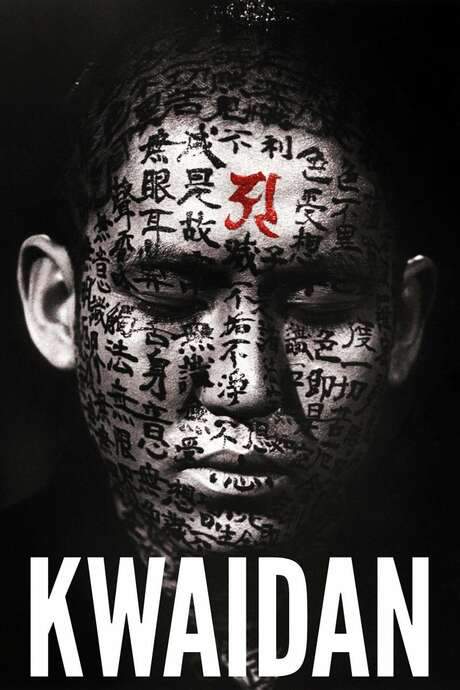
Portrait of Hell (1969) movie poster

Spoiler-Free Summary

Portrait of Hell (1969) Spoiler-Free Summary – What It's About

Release, runtime and language
1969 · 95 mins · Japanese
Loading streaming availability…
Directed by
Shirō Toyoda
Starring
Tatsuya Nakadai, Hideyo Amamoto, Yoshirō Uchida, Tappei Shimokawa, Shun Ōide, Kinnosuke Nakamura

Set in Japan’s Heian period, the film follows the Korean artist Yoshihide (played by Nakadai) and his powerful Japanese patron, the ruthless daimyo Horikawa (Nakamura). Their relationship deteriorates as Horikawa’s cruelty and arrogance clash with Yoshihide’s artistic vision. The drama adapts Ryūnosuke Akutagawa’s 1918 short story “Hell Screen.”

On this page (7)
  1. 1 Where to watch
  2. 2 What it is about
  3. 3 Is it worth watching?
  4. 4 After you watch
  5. 5 Movie threads
  6. 6 Movies like Portrait of Hell
  7. 7 Every angle
Loading streaming availability…

Spoiler-free summary · safe to read

What Is Portrait of Hell About? (No Spoilers)

The plot of Portrait of Hell (1969) without spoilers: what it is about, who it follows and where it takes place, told without the twists or the ending. Enough to decide whether it is your next watch, not enough to ruin it.

In the opulent yet austere world of Japan’s Heian court, a Korean painter is summoned to serve a powerful daimyo whose reputation for ruthlessness is as legendary as his wealth. The film opens with the clash of two striking sensibilities: the meticulous, tradition‑laden environment of the imperial capital and the fierce, uncompromising vision of an artist who believes true work must be forged from lived experience. Against a backdrop of delicate silk, incense‑filled temples, and looming stone walls, the story asks what price creativity demands when it is pressed into the service of power.

Yoshihide arrives bearing a reputation for daring realism. His talent is undeniable, yet his insistence on confronting the harsh truths of the world sets him at odds with the expectations of his patron. Horikawa, the daimyo, commands respect through iron will and a belief that art should glorify his own legacy. Their relationship becomes a study in contrasts: the painter’s quiet, introspective temperament versus the lord’s bold, domineering presence. The tension between them is palpable, creating a charged atmosphere where every commission feels like a test of allegiance and integrity.

The film’s tone balances the sumptuous beauty of Heian aesthetics with an undercurrent of foreboding, letting the audience feel both the elegance of the period and the simmering dread of a patron’s caprice. Visuals are rendered in rich, painterly compositions that echo the protagonist’s own craft, while the all‑encompassing silence of courtyards and temples amplifies the unspoken struggle for creative freedom. As the story unfolds, the audience is drawn into a world where art is not merely decoration but a mirror reflecting the volatile intersection of vision, power, and the human cost of ambition.

Last updated: February 04, 2026 at 14:11

Was this helpful?

What to expect

Is Portrait of Hell Worth Watching? What It Feels Like

Is it dark, sad, slow, intense or confusing? The mood of Portrait of Hell (1969) in a few tags, without a word about how it ends. Each tag opens a list of movies that feel the same.

After you watch

Seen Portrait of Hell? Now Read the Spoilers

Once you have watched Portrait of Hell (1969), come back for the full story: the plot summary with spoilers, the timeline in chronological order, the characters and meaning.

Movie threads

More Movies Like Portrait of Hell, by Mood & Story

Curated lists built around what makes Portrait of Hell tick: the same mood, the same kind of story or the same emotional payoff. Each list explains why these movies belong together.

Movies about artistic obsession like Portrait of Hell

Stories where the pursuit of art leads to horrific personal cost. If you were fascinated by the tragic conflict between artist and patron in Portrait of Hell, you'll find similar stories here. This collection features films about creators whose artistic ambition leads them down a dark path of moral compromise and psychological destruction, often with cruel or demanding figures driving their descent.

  • unsettling
  • somber
  • grim
  • psychologically intense
  • tragic
  • morally complex
  • Tone: dark, tragic, oppressive
  • Pacing: steady, escalating
Why these movies?

The story pattern: Narratives in this thread typically follow a gifted artist whose integrity is challenged by an external force—be it a patron, society, or their own ego. The central conflict escalates steadily, forcing the artist to make unbearable sacrifices, resulting in a bleak conclusion where art is born from trauma.

Why they belong together: These films are grouped together because they share a core theme of artistic creation intertwined with suffering and ethical decay. They possess a dark, oppressive tone, heavy emotional weight, and explore the terrifying price of genius when it is exploited or pushed to an extreme.

Slow burn historical horror movies like Portrait of Hell

Period pieces where psychological tension builds to a horrific climax. Fans of the grim, atmospheric dread in Portrait of Hell will appreciate this selection. These films are historical dramas that prioritize a slow-building sense of unease and psychological horror over action, culminating in devastating consequences within rigid, oppressive societies.

  • oppressive
  • dread-filled
  • austere
  • grim
  • unsettling
  • horrific
  • Tone: dark, oppressive, horrific
  • Pacing: steady, slow burn
Why these movies?

The story pattern: These stories unfold in meticulously realized historical worlds that feel inescapable. A central character, often an outsider or someone with limited power, is caught in a web of authority and cruelty. The narrative builds tension methodically, leading to a climax that reveals the true horror of the world they inhabit.

Why they belong together: Movies in this thread share a specific mood blend: the formal austerity of a historical drama combined with the creeping dread of a horror film. They are defined by their oppressive atmosphere, steady pacing that builds unbearable tension, and a commitment to a bleak, unsettling conclusion.

If you liked this

Movies Like Portrait of Hell

Similar movies to Portrait of Hell: the same genre, themes or kind of story. Each one comes with its own plot summary, timeline and ending explained.

Browse all movie summaries

Every angle

Portrait of Hell (1969) Explained: Plot, Timeline & Characters

Everything about Portrait of Hell in one place: what happens in the plot summary, the timeline in chronological order, the characters and meaning and a spoiler-free summary. What's After the Movie adds the cast, box office and post-credit scenes.

Coming soon on iOS and Android

The Plot Explained Movie Summary App

Plot summaries, endings explained and timelines on your phone. Catch up on any movie in minutes, save your favorites and never miss a twist again.

Be the first to know when we launch. Your email stays private, always.

Learn more about the app