
Polytechnique

Inspired by a tragic real-life event, Polytechnique depicts the horrifying attack on École Polytechnique in Montreal, where a gunman targeted female engineering students. The film explores the devastating impact of this senseless act of violence, portraying the immediate aftermath and the profound grief experienced by the survivors and the community. It offers a stark and unflinching look at the tragedy and its far-reaching consequences.
Where to Watch Polytechnique?
Find where to stream, rent, or buy Polytechnique (2011) in the US with current JustWatch availability, up-to-date pricing, and platform listings for subscription, rental, and digital purchase options.

















Streaming availability powered by 
Warning: spoilers below!
Haven’t seen Polytechnique yet? This summary contains major spoilers. Bookmark the page, watch the movie, and come back for the full breakdown. If you're ready, scroll on and relive the story!
Timeline – Polytechnique (2011)
Trace every key event in Polytechnique (2011) with our detailed, chronological timeline. Perfect for unpacking nonlinear stories, spotting hidden connections, and understanding how each scene builds toward the film’s climax. Whether you're revisiting or decoding for the first time, this timeline gives you the full picture.
Last updated: November 08, 2024 at 03:46
Polytechnique (2011) Timeline Questions Answered – Chronology FAQ
Find frequently asked questions about the Polytechnique (2011) timeline, including chronological order, nonlinear jumps, cause-and-effect links, and scene sequence clarifications. This timeline FAQ helps explain when key events happen, how moments connect, and why the story unfolds in that specific order.
Why did the shooter specifically target women at Polytechnique?
The shooter explicitly stated his animosity towards feminists during the attack. He ordered men to leave the classroom while commanding women to stay, explaining his intention to eliminate women in engineering because he blamed feminist ideology for his personal grievances. This premeditated targeting reflected his twisted belief that female engineering students represented the advancement of feminism that he resented.
Why did the female students tell the shooter they weren't feminists?
When the shooter demanded the women remain, several terrified students desperately protested that they were not feminists, hoping this would save their lives. This tragic response reflects the extreme fear and panic during the attack, as the women attempted to dissociate themselves from any label they believed might identify them as targets. Their pleading illustrates how quickly human beings will try any desperate measure for survival.
Why did Jean-François return to confront the shooter after leaving?
Jean-François was ordered to leave the classroom with the other men, but he disobeyed and returned to confront the shooter and help the injured victims. His decision represented an act of courage and moral defiance against the gunman's orders. He chose to risk his life attempting to rescue his classmates rather than simply escape to safety.
Why did Jean-François commit suicide after the attack?
Jean-François was plagued by overwhelming guilt for having obeyed the order to leave the classroom, abandoning the women behind. Despite his later act of bravery in returning to confront the shooter, he could not reconcile his initial compliance with what he perceived as his failure to protect the women. His suicide represents the devastating psychological toll the massacre had on survivors, particularly the corrosive effects of survivor's guilt.
How did playing dead help Valérie and Stéphanie survive?
Valérie and Stéphanie employed a survival strategy of lying still and pretending to be dead during the initial attack. This tactic worked because the shooter was moving through the classroom methodically, targeting those who appeared alive or showed signs of life. By remaining motionless and silent, they avoided detection. However, despite this survival strategy, Stéphanie later succumbed to her injuries, showing that playing dead only provided temporary protection.
What is the significance of the Iron Ring that Valérie wears?
The Iron Ring is the professional symbol of Canadian engineers, traditionally given to graduates as a reminder of their ethical obligations and commitment to serving society. At the end of the film, Valérie is shown wearing the Iron Ring, signifying that she survived and completed her engineering studies despite the tragedy. It represents her resilience and continued connection to the engineering community that was targeted in the attack.
Why does Valérie decide to continue with her pregnancy after the attack?
After surviving the massacre and discovering she is pregnant, Valérie resolves to teach her child about love and kindness. If she has a daughter, she wants her to know the world belongs to her. This decision represents a powerful assertion of life and hope in the face of senseless violence, choosing to respond to hatred with love and to ensure future generations understand their right to exist and succeed.
Why did the shooter commit suicide at the end of the rampage?
The shooter took his own life in a moment of despair, ending the rampage by turning the weapon on himself. This final act resulted in his blood mingling with that of his victims. While the film does not explicitly explore his psychology, his suicide represents the typical conclusion to such mass violence events, where the perpetrator either faces confrontation, is apprehended, or chooses to avoid the consequences of their actions.
What happened to the female lecturer during the attack?
During his rampage through the school, the shooter entered another classroom and ruthlessly murdered a female lecturer. This event underscores the indiscriminate and escalating nature of his violence against women, extending beyond students to target faculty members as well.
Why was the attack targeted at an engineering school specifically?
The shooter chose École Polytechnique, a renowned engineering school in Montreal, because of its significant population of female students in a male-dominated field. His choice reflected his belief that women in engineering represented the advancement of feminism that he blamed for his personal grievances. The school represented a symbol of women's achievement in a field he associated with feminist ideology.

Explore Movie Threads
Discover curated groups of movies connected by mood, themes, and story style. Browse collections built around emotion, atmosphere, and narrative focus to easily find films that match what you feel like watching right now.
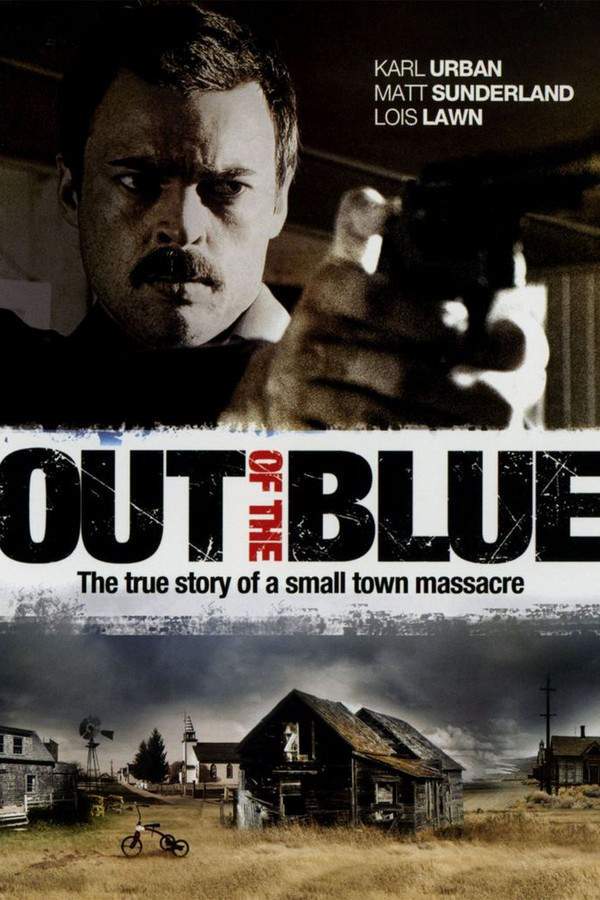
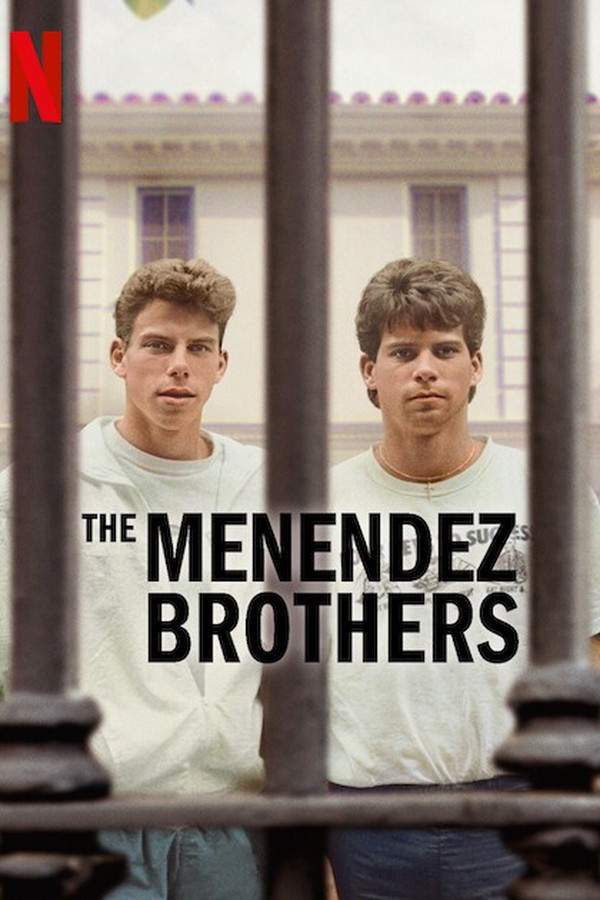
Harrowing True Stories like Polytechnique
Bleak, intense dramatizations of devastating historical events.If you were affected by the stark realism of Polytechnique, explore more movies like it. These films are intense docudramas based on real-life tragedies, focusing on grief, survival, and societal impact with an unflinching and respectful gaze.










Narrative Summary
Stories in this thread follow a linear, often straightforward structure to recount a specific, tragic event. The narrative thrust comes from the factual unfolding of the incident and its immediate, devastating consequences, prioritizing emotional truth over complex plotting.
Why These Movies?
Movies are grouped here for their shared commitment to portraying real-life horror with stark realism, their overwhelmingly dark tone, heavy emotional weight, and their focus on the raw, painful aftermath of catastrophic events.
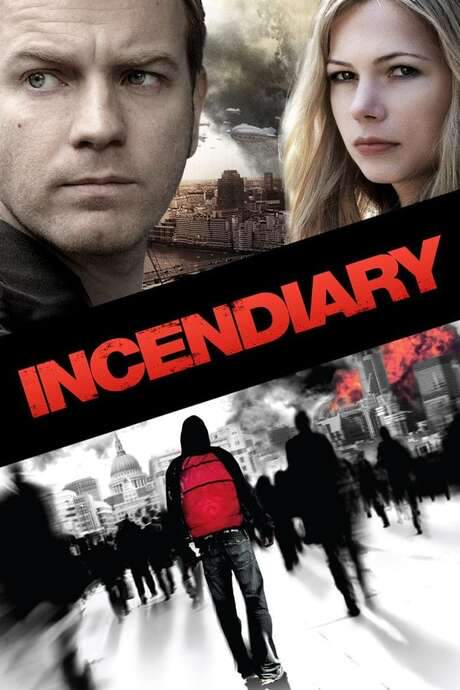
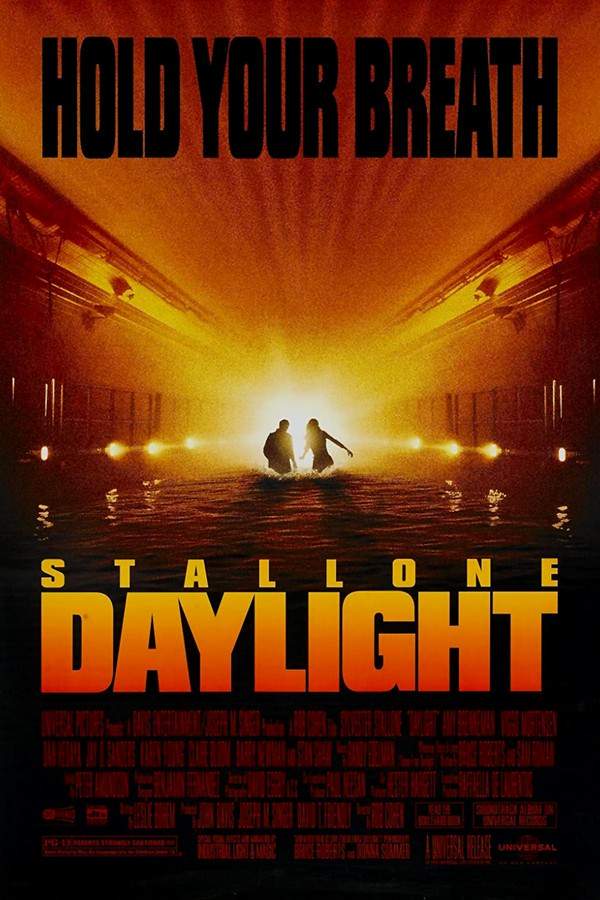
Intense Survival Thrillers like Polytechnique
Stories of imminent threat and the fight to survive a sudden attack.For viewers who appreciated the high-stakes tension of Polytechnique's central sequence, this list features similar movies. Discover other films with fast-paced, confined survival scenarios where characters face sudden, extreme violence and fight for their lives.








Narrative Summary
The narrative pattern revolves around a sudden, catastrophic incursion of violence into an ordinary setting. The plot is driven by the immediate, life-or-death struggle, often unfolding in real-time or with a tight focus on the event itself and its traumatic aftermath.
Why These Movies?
These films are linked by their masterful building of claustrophobic dread, their relentless pacing during critical sequences, and their exploration of the psychological and physical toll of surviving a concentrated, high-intensity attack.
Unlock the Full Story of Polytechnique
Don't stop at just watching - explore Polytechnique in full detail. From the complete plot summary and scene-by-scene timeline to character breakdowns, thematic analysis, and a deep dive into the ending - every page helps you truly understand what Polytechnique is all about. Plus, discover what's next after the movie.
Polytechnique Summary
Read a complete plot summary of Polytechnique, including all key story points, character arcs, and turning points. This in-depth recap is ideal for understanding the narrative structure or reviewing what happened in the movie.

Characters, Settings & Themes in Polytechnique
Discover the characters, locations, and core themes that shape Polytechnique. Get insights into symbolic elements, setting significance, and deeper narrative meaning - ideal for thematic analysis and movie breakdowns.


Similar Movies to Polytechnique
Discover movies like Polytechnique that share similar genres, themes, and storytelling elements. Whether you’re drawn to the atmosphere, character arcs, or plot structure, these curated recommendations will help you explore more films you’ll love.

Revoir Paris
2023

22 July
2018
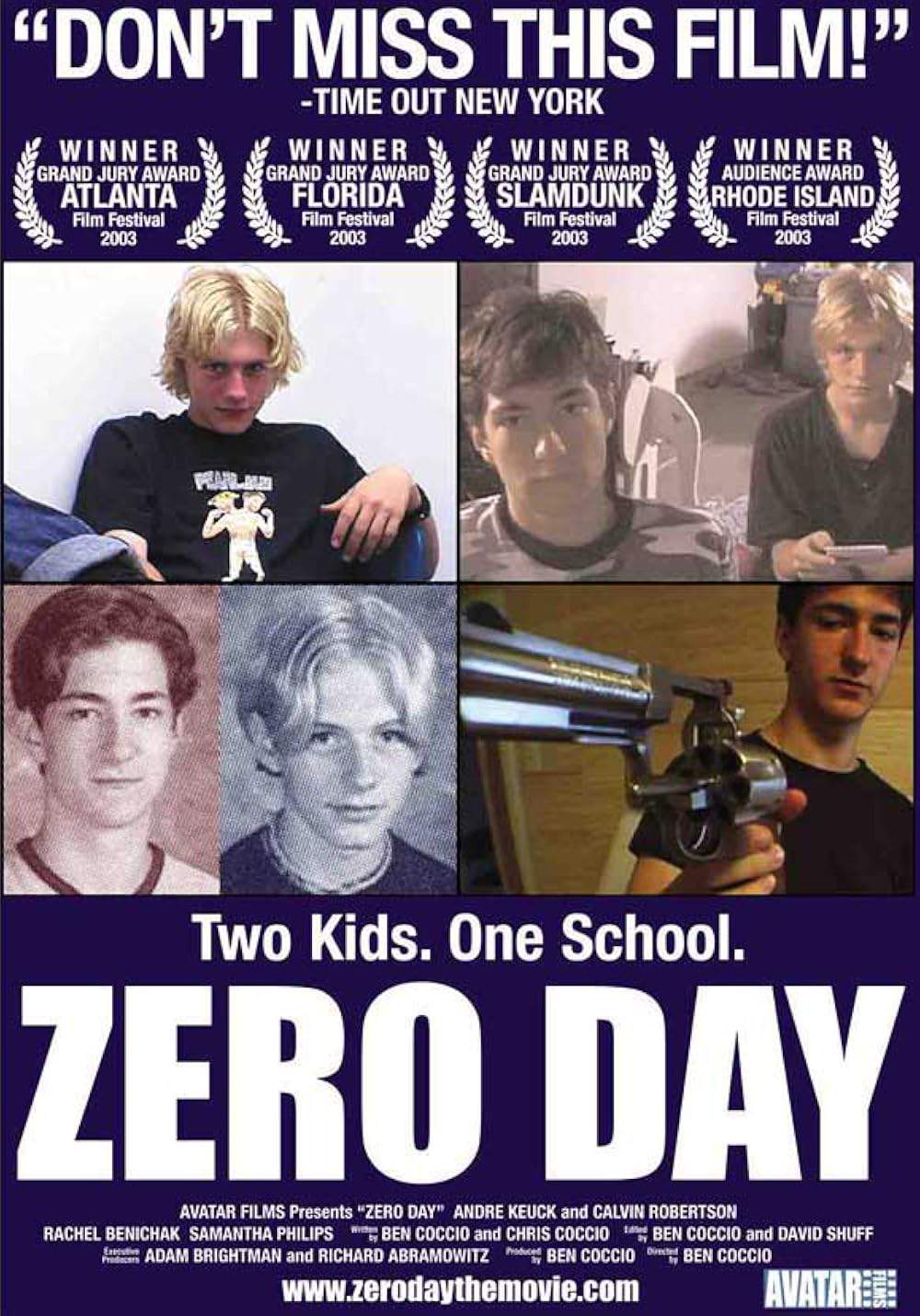
Zero Day
2003
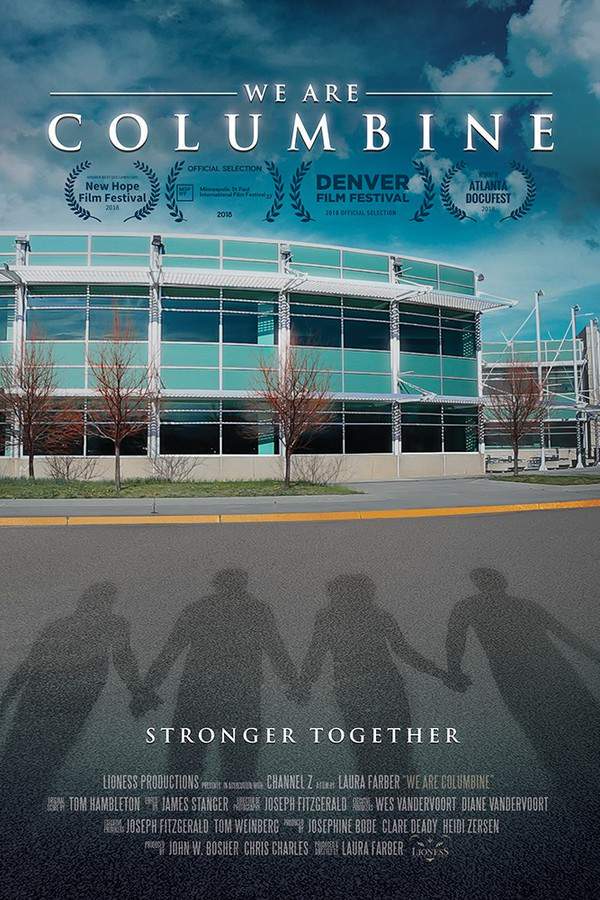
We Are Columbine
2019

What Jennifer Did
2024

November 13: Attack on Paris
1000

Generation Columbine
2019

Polytechnique: What Remains of December 6
2019
-qUim83vQGP7CmQ.jpg)
Victim(s)
2020

Action : The October Crisis of 1970
1973

Octobre
1994

Le banquet
2008

Our Brothers
2022
Ménilmontant
1926

Polytechnique
2009
Explore More About Movie Polytechnique
Polytechnique (2011) Plot Summary & Movie Recap
Polytechnique (2011) Scene-by-Scene Movie Timeline
Polytechnique (2011) Spoiler-Free Summary & Key Flow
Movies Like Polytechnique – Similar Titles You’ll Enjoy
Revoir Paris (2023) Detailed Story Recap
22 July (2018) Full Movie Breakdown
Zero Day (2003) Film Overview & Timeline
We Are Columbine (2019) Film Overview & Timeline
What Jennifer Did (2024) Spoiler-Packed Plot Recap
November 13: Attack on Paris (1000) Plot Summary & Ending Explained
Generation Columbine (2019) Complete Plot Breakdown
Polytechnique: What Remains of December 6 (2019) Detailed Story Recap
Victim(s) (2020) Ending Explained & Film Insights
Action : The October Crisis of 1970 (1973) Story Summary & Characters
Octobre (1994) Spoiler-Packed Plot Recap
Le banquet (2008) Full Summary & Key Details
Our Brothers (2022) Complete Plot Breakdown
Ménilmontant (1926) Full Movie Breakdown
Polytechnique (2009) Story Summary & Characters