Year: 2004
Runtime: 1 h 32 m
Language: english
Director: Ewald André Dupont
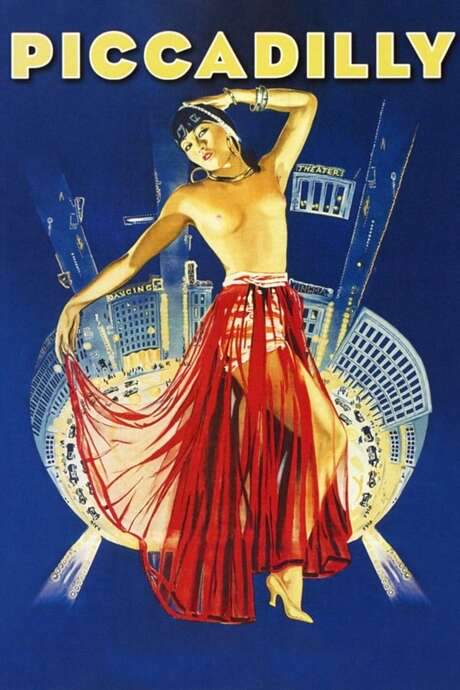
This 1929 silent film, beautifully remastered by the British Film Institute, showcases Anna May Wong in a captivating performance. Set in London's vibrant nightlife scene, the story follows a glamorous nightclub performer entangled in a web of love, deception, and dangerous secrets. As she navigates the city's seedy underbelly, she finds herself caught between conflicting desires and a thrilling drama of crime and seduction.
Warning: spoilers below!
Haven’t seen Piccadilly [re-release] yet? This summary contains major spoilers. Bookmark the page, watch the movie, and come back for the full breakdown. If you're ready, scroll on and relive the story!
Explore the full timeline and setting of Piccadilly [re-release] (2004). Follow every major event in chronological order and see how the environment shapes the story, characters, and dramatic tension.
Last updated: October 22, 2024 at 21:18
Meet the key characters of Piccadilly [re-release] (2004), with detailed profiles, motivations, and roles in the plot. Understand their emotional journeys and what they reveal about the film’s deeper themes.
Last updated: October 22, 2024 at 21:18
Explore the central themes of Piccadilly [re-release] (2004), from psychological, social, and emotional dimensions to philosophical messages. Understand what the film is really saying beneath the surface.
Last updated: October 22, 2024 at 21:18
Browse frequently asked questions about Piccadilly [re-release] (2004) focused on characters, relationships, themes, symbols, setting, and story context. This movie info FAQ gives spoiler-aware explanations for character arcs, world details, and thematic interpretation so readers can better understand what the film is really about.
The movie takes place in two major cities: New York City and London. New York serves as the backdrop for family tensions and romantic pursuits, while London provides the opulence of aristocracy and the world of the British elite. The contrast between these locations highlights the characters' differing lifestyles and aspirations.
The film is set in the 1930s, a decade marked by the aftermath of the Great Depression and significant social changes. This era saw a rise in both economic aspirations and cultural innovations. The competitive nature among the wealthy, as depicted in the movie, reflects the societal pressures of the time to maintain status and secure advantageous marriages.
Anna May Wong portrays Ann Chester, an aspiring poetess who finds herself caught in the middle of familial ambitions and romantic pursuits. Her character grapples with her desire for independence and her aversion to being married off to a wealthy nobleman. Ann embodies the conflict between personal aspirations and societal expectations.
James 'Piccadilly' Jim Crocker is a charming yet reckless character known for his flamboyant lifestyle and scandalous reputation. He complicates his pursuit of Ann Chester due to his notorious background. Despite his rambunctious persona, Jim shows depth and determination as he seeks to clear his name and win Ann's heart.
Eugenia Crocker is a fiercely ambitious woman portrayed by Charles Laughton. Her desire to secure a royal title reflects her competitiveness and vanity. Married to Bingley, she is preoccupied with impressing the upper class and is often overshadowed by her stepson's notorious reputation. Her character navigates the complexities of familial rivalry while pursuing her social aspirations.
Nesta Pett is a cunning and determined sister who seeks to marry off her niece, Ann, to a wealthy nobleman. She is characterized by her competitiveness with Eugenia and her goal of elevating her family's status. Nesta's shrewdness and willingness to orchestrate matchmaking highlight her complex role within the narrative.
The theme of rivalry is central to the film, exemplified by the contentious relationship between the American sisters, Eugenia and Nesta. Their competitive spirits drive much of the plot, influencing their actions and decisions regarding marriage and social status. This rivalry ultimately leads to unexpected alliances and relationship developments that redefine their family dynamics.
Identity plays a crucial role in the film. Jim's disguise as Algernon Bayliss allows him to explore a different persona while pursuing love. The misunderstandings and mistaken identities woven throughout the narrative serve to highlight personal growth, revealing the layers of characters beyond their public personas.
Love emerges as a transformative force in the story, where characters experience various romantic entanglements that challenge their perceptions and relationships. The evolving relationship between Ann and Jim shows how love can transcend misunderstandings, leading to growth and reconciliation. Ultimately, love triumphs, culminating in marriage and the unification of two ambitious families.
London provides the opulence of aristocracy and the charm of the British elite in the story. The city's vibrant nightlife and social scene serve as a key setting where the characters pursue their romantic and social ambitions. The contrast between London's elite world and the characters' American backgrounds creates tension and drives the narrative's conflicts.
The film blends comedy and drama elements. The tone is predominantly light, rooted in romantic comedy tropes such as mistaken identities, witty banter, and a rivalry between wealthy sisters played for humor rather than drama. The fast-paced plot includes various complications including a brawl, a kidnapping plot, and a spy subplot, all handled with a light touch.
Yes, the film has an unambiguously happy ending. The central couple marries, and the family rivals find an amicable resolution. This cheerful and optimistic conclusion reinforces the film's core themes of love triumphing over misunderstanding and families reconciling their differences.
Discover curated groups of movies connected by mood, themes, and story style. Browse collections built around emotion, atmosphere, and narrative focus to easily find films that match what you feel like watching right now.
Fast-paced romantic comedies sparkling with playful deception and high-society glamour.If you enjoyed the playful energy and sophisticated deceptions of Piccadilly [re-release], you'll love these movies. This collection features similar fast-paced romantic comedies and light dramas set in glamorous worlds, brimming with charming characters, whimsical plots, and a feel-good atmosphere.
Narratives in this thread typically revolve around romantic pursuits complicated by clever deceptions, mistaken identities, or class dynamics. The journey is fueled by witty banter, a series of escalating yet lighthearted complications, and a clear path toward a happy resolution that reaffirms romance and charm.
These films are grouped together because they share a specific cocktail of a light tone, fast pacing, and romantic focus, all set against a backdrop of glamour and playful mischief. They prioritize charm and entertainment over heavy drama, creating a consistently upbeat and engaging viewing experience.
Lively capers where the upper crust gets tangled in their own witty webs.Fans of the sophisticated world and lively capers in Piccadilly [re-release] will enjoy these films. Discover similar movies that explore class and society through the lens of charming deception, sibling rivalry, and glamorous settings, all delivered with a light, playful touch.
The narrative pattern involves characters from wealthy or sophisticated backgrounds engaging in plots driven by rivalry, social climbing, or maintaining appearances. The conflicts are often humorous and lack serious consequences, focusing on the fun of the scheme itself and the witty interactions between characters.
These movies are united by their focus on the internal dramas of the upper class, presented with a light tone and fast pace. They share a common setting theme (high society) and a plot mechanism (scheming/deception) that is used for comedic or romantic effect rather than for creating genuine tension.
Don't stop at just watching - explore Piccadilly [re-release] in full detail. From the complete plot summary and scene-by-scene timeline to character breakdowns, thematic analysis, and a deep dive into the ending - every page helps you truly understand what Piccadilly [re-release] is all about. Plus, discover what's next after the movie.
Read a complete plot summary of Piccadilly [re-release], including all key story points, character arcs, and turning points. This in-depth recap is ideal for understanding the narrative structure or reviewing what happened in the movie.
Track the full timeline of Piccadilly [re-release] with every major event arranged chronologically. Perfect for decoding non-linear storytelling, flashbacks, or parallel narratives with a clear scene-by-scene breakdown.
Discover movies like Piccadilly [re-release] that share similar genres, themes, and storytelling elements. Whether you’re drawn to the atmosphere, character arcs, or plot structure, these curated recommendations will help you explore more films you’ll love.
Piccadilly [re-release] (2004) Plot Summary & Movie Recap
Piccadilly [re-release] (2004) Scene-by-Scene Movie Timeline
Piccadilly [re-release] (2004) Spoiler-Free Summary & Key Flow
Movies Like Piccadilly [re-release] – Similar Titles You’ll Enjoy
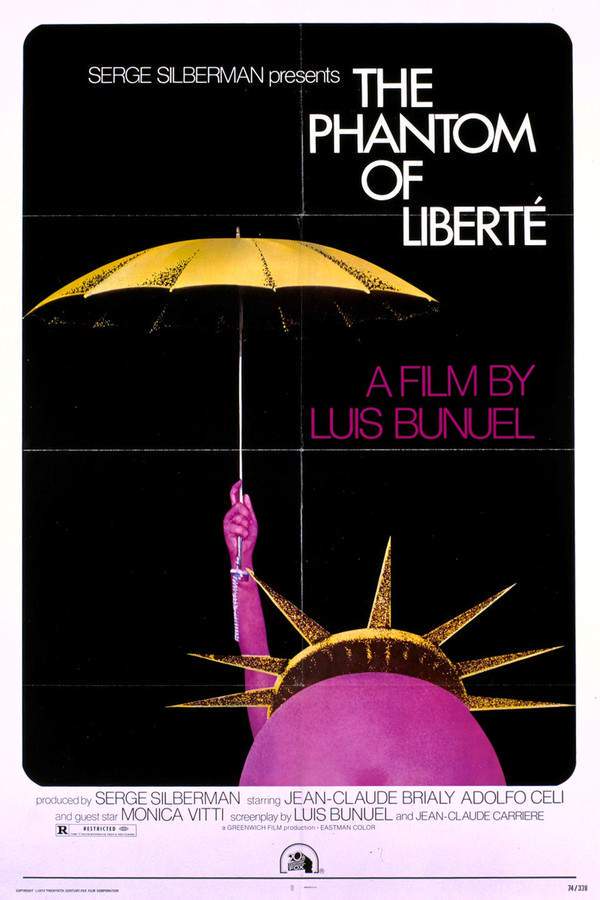
The Phantom of Liberty (re-release) (2002) Film Overview & Timeline
Chicago Joe and the Showgirl (1990) Detailed Story Recap
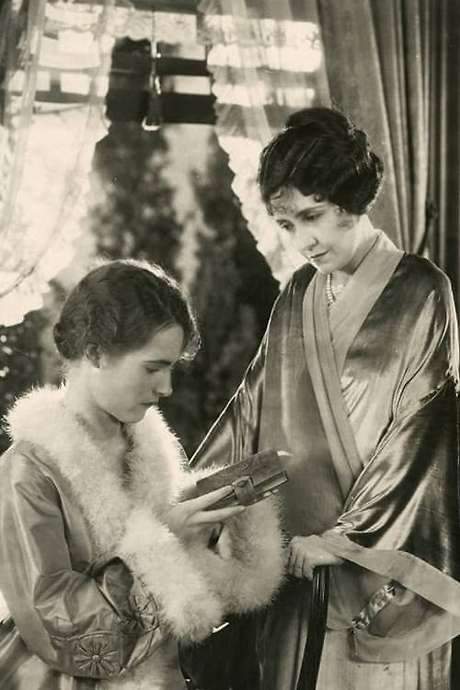
Padlocked (1926) Movie Recap & Themes
The Girl in the Red Velvet Swing (1955) Full Summary & Key Details
Miss London Ltd. (1943) Detailed Story Recap
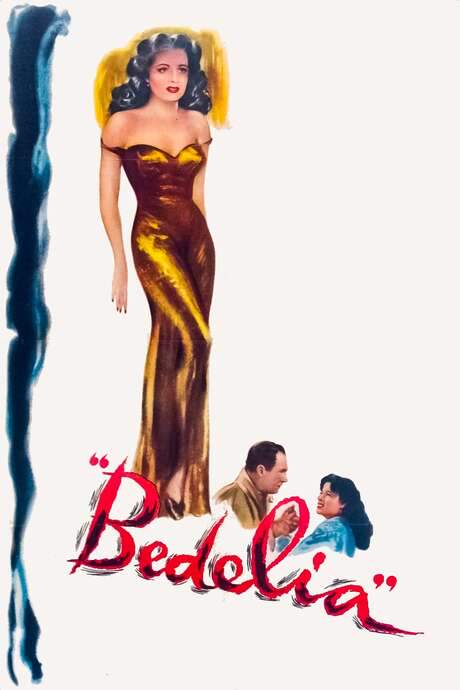
Bedelia (1946) Spoiler-Packed Plot Recap
Penny and the Pownall Case (1948) Detailed Story Recap
Road to Paradise (1930) Plot Summary & Ending Explained
Back Street (1932) Spoiler-Packed Plot Recap
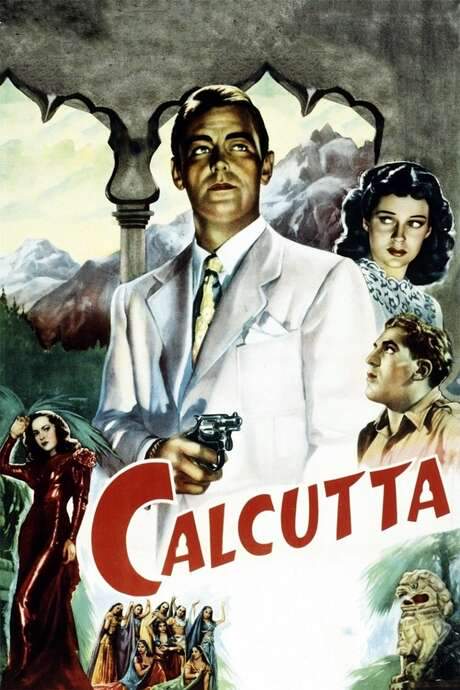
Calcutta (1946) Detailed Story Recap
Piccadilly Jim (1936) Story Summary & Characters
Miss Pinkerton (1932) Detailed Story Recap
Piccadilly Incident (1946) Full Movie Breakdown
Piccadilly (1929) Full Movie Breakdown
The Blackbird (1926) Full Summary & Key Details