





Plot Explained Spoilers guaranteed!
Plot Explained

Browse by genre

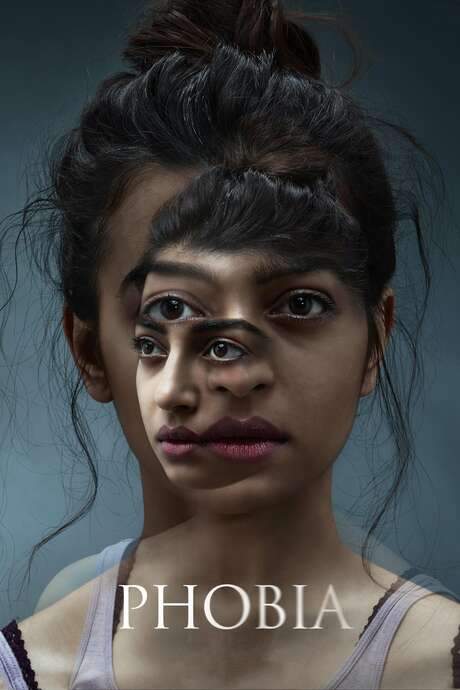
Phobia (2016) movie poster

Characters & Themes

Phobia (2016) Characters, Setting & Themes Explained

Release, runtime and language
2016 · 112 mins · Hindi
Directed by
Pavan Kirpalani
Starring
Ankur Vikal, Satyadeep Misra, Nivedita Bhattacharya, Radhika Apte, Amrita Bagchi, Yashaswini Dayama

When Your Biggest Enemy Is You. A talented artist tries to curb her phobia of being in public places, only to be convinced that a malevolent spirit is haunting her.

On this page (7)
  1. 1 Where to watch
  2. 2 Characters explained (6)
  3. 3 Where & when it takes place
  4. 4 Themes & meaning (4)
  5. 5 Character & meaning questions
  6. 6 Movie threads
  7. 7 Every angle

Where to watch

Where to Watch Phobia (2016)

Where can you watch Phobia? Stream, rent or buy it in the US, including on Brew, Apple TV Store and Google Play Movies: current JustWatch availability with up-to-date prices.

Streaming availability powered by JustWatch

6 main characters · contains spoilers

Phobia Characters Explained: Who Is Who

The main characters of Phobia (2016), heroes and villains: what drives them, how they change over the course of the story and what each of them reveals about the film's bigger ideas.

  • Mehak Deo (Radhika Apte)

    A gifted artist whose life fractures after a sexual assault, leading to severe agoraphobia. She experiences vivid, fear-driven visions that blur memory and reality, driving the plot as she tries to decipher what is real and what is premonition. Her stubborn determination ultimately pushes her to confront the outside world and reclaim control over her life.

    • 🧠 Mental Health
    • 🎭 Drama
    • 🪞 Perception
  • Shaan (Satyadeep Mishra)

    played by Satyadeep Misra

    Mehak's close friend who tries to help her by providing a safe space, including moving her into an empty apartment. He harbors unrequited feelings and later confesses love, which clashes with Mehak's vulnerability and leads to tension. His calmer, protective demeanor contrasts with Mehak's spinning paranoia.

    • 💬 Relationships
    • 🧠 Psychology
    • 🔒 Trust
  • Anusha Malhotra (Nivedita Bhattacharya)

    Mehak's sister, initially supportive but worn down by her sister's eccentric behavior and the toll it takes on Anusha's own family life. She provides emotional context and a counterpoint to Mehak's isolation, highlighting the pressure of caregiving within a busy household.

    • 👩‍👧 Family
    • 🫶 Support
    • 😟 Stress
  • Nikki (Yashaswini Dayama)

    Mehak's neighbor, a college student who befriends her, offering a glimpse of normal social life outside the apartment's walls. Nikki's youth and curiosity provide an external lens on Mehak's situation, contributing moments of light and connection amid growing tension.

    • 👭 Friendship
    • 🧭 Curiosity
    • 🌆 Community
  • Manu Malhotra (Ankur Vikal)

    Mehak's neighbor, an anger-prone man whose temper is explored through Jiah's diary and his troubled past. Though suspected, he is presented as a complex character whose relationship with Jiah is abusive and fraught, adding danger and ambiguity to Mehak's suspicions.

    • 🔥 Anger
    • 🧠 Complexity
    • 💔 Relationship
  • Jiah Khurana (Amrita Bagchi)

    Manu's former girlfriend whose abrupt departure and diary entries reveal a tempestuous, abusive relationship. Her presence returns to challenge Mehak's conclusions, underscoring the film's themes of memory, truth, and the consequences of suspicion.

    • 💔 Abusive relationships
    • 🧭 Mystery
    • 🗂️ Secrets

Last updated: October 04, 2025 at 07:51

Was this helpful?

Setting

Where and When Does Phobia Take Place?

The setting of Phobia (2016): the year and time period, the places and locations, and how they shape the characters, the mood and the tension of the story.

Time period

Location

Mehak's new apartment, surrounding neighbourhood

The story centers on Mehak moving into a new apartment in an urban block, where an empty dwelling and a close-knit neighbourhood become focal points. The claustrophobic interiors mirror her agoraphobia, while corridors, balconies, and a nearby community laughter club provide social contrasts. The setting shifts between the quiet apartment, its dim corridors, and the surrounding street life as Mehak's grip on reality is tested.

  • 🏙️ Urban setting
  • 🏢 Apartment living

Last updated: October 04, 2025 at 07:51

Was this helpful?

4 major themes

Phobia Meaning: Themes & Message Explained

What is Phobia (2016) really about? The emotional, social and philosophical themes the film keeps returning to, its symbolism and the message beneath the surface.

  • Mental Health

    The film centers on Mehak's battle with extreme agoraphobia after a traumatic assault. Her world narrows to rooms and corridors, with paranoia coloring every interaction. Vivid visions blur the line between fear and fact, driving the suspense as she questions what is real. The climax suggests a tentative path toward healing by facing the outside world.

  • Relationships

    Trust and manipulation surface as Mehak's relationships come under strain. Shaan's professed love collides with her vulnerability when she accuses him of exploiting her weakened state. Manu and Jiah's past reveal a web of passion and anger that colors present perceptions. The narrative tests how intimate bonds can both support and destabilize a fragile mind.

  • Reality vs. Illusion

    Mehak's premonitions and Jiah's diary entries fuse into a haunting question: what is true when memories feel like warning signs? The film plays with perception, making the audience doubt whether the danger is external or born from Mehak's psyche. When events align with her visions, the boundary between delusion and reality collapses.

  • Trauma & Healing

    The trauma from Mehak's past triggers the phobia that governs her present. The diary, visions, and confrontations weave a path from fear to action, culminating in a moment of stepping into the open. The ending implies that healing comes through resilience and facing what once terrified her, symbolized by the painting she created.

Last updated: October 04, 2025 at 07:51

Was this helpful?

Character & theme questions

Phobia Characters & Meaning: Your Questions Answered

The questions people ask about Phobia (2016): who the characters really are, their relationships, what the symbols mean, where it takes place and what the movie is really about. Each answer contains spoilers.

Q1

Where does the story take place?

The story is set in an urban apartment block where Mehak moves into a new apartment. The claustrophobic interiors of her apartment and the surrounding dim corridors become central to the narrative, mirroring her agoraphobia. The setting also includes a nearby community laughter club and street life outside, providing contrast to her confined world.

  • setting
  • apartment
  • urban
  • location
Q2

What mental health condition is central to the story?

Agoraphobia is the central mental health condition. Mehak Deo, a talented artist, developed severe agoraphobia after a traumatic sexual assault. Her fear of being in public places and open spaces dominates her life, trapping her within her apartment and making even simple outings feel impossible.

  • agoraphobia
  • mental health
  • anxiety
  • phobia
Q3

Who is the main character?

Mehak Deo is the protagonist, a gifted artist portrayed by Radhika Apte. After a sexual assault, her life fractured, leading to severe agoraphobia and vivid fear-driven visions that blur memory and reality. Her journey centers on deciphering whether her premonitions are real or products of her traumatized psyche.

  • Mehak Deo
  • protagonist
  • artist
  • Radhika Apte
Q4

What is Mehak's relationship with Shaan?

Shaan is Mehak's close friend who tries to help her by providing a safe space, including moving her into an empty apartment. He harbors unrequited romantic feelings for her and later confesses his love, which creates tension when Mehak is vulnerable and paranoid. His calmer, protective demeanor contrasts with her spinning paranoia.

  • Shaan
  • relationship
  • friend
  • love
Q5

What are the main themes of the film?

The film explores four major themes: Mental Health (her battle with agoraphobia), Relationships (trust and manipulation under strain), Reality vs. Illusion (blurring lines between fear and fact), and Trauma & Healing (resilience in facing past terrors). These themes intertwine as Mehak questions what is real and confront her fears.

  • themes
  • mental health
  • relationships
  • trauma
  • healing
Q6

How does the film handle reality versus illusion?

The film plays with perception by making the audience doubt whether the danger is external or born from Mehak's psyche. Her vivid visions and premonitions blur with real events, and when events align with her fears, the boundary between delusion and reality collapses, creating persistent uncertainty.

  • reality
  • illusion
  • perception
  • delusion
  • visions
Q7

Who is Manu Malhotra and what is his role?

Manu Malhotra is Mehak's neighbor, an anger-prone man whose troubled past is revealed through Jiah's diary. His relationship with Jiah was abusive and tumultuous. Though Mehak suspects him of wrongdoing, he is presented as a complex character whose actions add danger and ambiguity to the narrative.

  • Manu Malhotra
  • neighbor
  • Jiah
  • suspicion
Q8

Who is Jiah Khurana and why is she important?

Jiah Khurana was Manu's former girlfriend whose abrupt departure and diary entries reveal a tempestuous, abusive relationship. Her presence returns through her diary to challenge Mehak's conclusions, underscoring the film's themes of memory, truth, and the consequences of suspicion.

  • Jiah Khurana
  • diary
  • Manu
  • mystery
Q9

How does the film address trauma and healing?

The film shows trauma from Mehak's past triggering her agoraphobia, with her diary, visions, and confrontations weaving a path from fear to action. The ending implies healing comes through resilience and facing what once terrified her, symbolized by a painting she creates as she steps into the open world.

  • trauma
  • healing
  • recovery
  • assault
  • resilience
Q10

How does the apartment setting reflect Mehak's condition?

The claustrophobic interiors of Mehak's apartment mirror her agoraphobia, becoming a character itself. The dim corridors and confined space represent her shrinking world, while balconies and the outside world represent the fear she struggles to overcome. The apartment both protects and traps her.

  • apartment
  • agoraphobia
  • setting
  • claustrophobia
Q11

What is the emotional tone of the film?

The film has a predominantly tense and dark tone, reflecting Mehak's internal struggle and paranoia. The emotional weight is heavy due to themes of sexual assault, severe anxiety, and psychological manipulation. The ambiguity creates constant tension and uncertainty throughout the narrative.

  • tone
  • atmosphere
  • tension
  • psychological
  • dark

Movie threads

More Movies Like Phobia, by Mood & Story

Curated lists built around what makes Phobia tick: the same mood, the same kind of story or the same emotional payoff. Each list explains why these movies belong together.

Unreliable narrator thrillers like Phobia

Stories where the protagonist's fractured perception blurs reality with terror. If you liked Phobia and its exploration of a traumatized artist's perspective, you'll find similar tension in these movies that feature unreliable narrators. This list includes psychological thrillers and horror films where reality is distorted through the lens of a character's mental state, creating a similarly unsettling and paranoid viewing experience.

  • unreliable narrator
  • psychological
  • paranoid
  • unsettling
  • mind-bending
  • traumatic
  • Tone: tense, paranoid, unsettling
  • Pacing: steady, deliberate
Why these movies?

The story pattern: The narrative unfolds from the perspective of a character dealing with trauma, mental illness, or extreme stress, making their perception inherently unreliable. The plot often involves a central mystery or threat that may or may not be real, leading to a climax that re-contextualizes previous events and leaves the audience grappling with ambiguity.

Why they belong together: Movies are grouped here based on their shared core mechanic: building tension and mystery by filtering the story through a potentially delusional protagonist. They create a specific, immersive kind of dread by aligning the viewer's experience with the character's uncertain reality.

Claustrophobic psychological horror movies like Phobia

Intense stories where fear is internal and the setting is a prison of perception. For viewers seeking the intense, anxious, and confined feeling of Phobia, this list features similar films that master claustrophobic psychological horror. These movies trap characters and audiences alike in situations of extreme mental distress, blending horror and thriller elements to explore themes of agoraphobia, paranoia, and internal demons.

  • claustrophobic
  • anxious
  • disturbing
  • traumatic
  • atmospheric
  • paranoid
  • Tone: tense, dark, anxious
  • Pacing: steady, building dread
Why these movies?

The story pattern: These narratives typically confine the protagonist physically, mentally, or both, amplifying their psychological distress. The central conflict is internal—a battle against a phobia, past trauma, or a breakdown of sanity. The tension builds steadily as the walls, both literal and metaphorical, close in, leading to a violent or ambiguous confrontation with the self.

Why they belong together: These movies are united by their primary focus on creating a visceral sense of claustrophobia and psychological entrapment. They share a high-intensity, heavy emotional weight, and a tense tone that stems from the character's internal struggle rather than a simple external threat.

Every angle

Phobia (2016) Explained: Plot, Timeline & Characters

Everything about Phobia in one place: what happens in the plot summary, the timeline in chronological order, the characters and meaning and a spoiler-free summary. What's After the Movie adds the cast, box office and post-credit scenes.

Coming soon on iOS and Android

The Plot Explained Movie Summary App

Plot summaries, endings explained and timelines on your phone. Catch up on any movie in minutes, save your favorites and never miss a twist again.

Be the first to know when we launch. Your email stays private, always.

Learn more about the app