Year: 2015
Runtime: 115 min
Language: English
Director: Edward Zwick
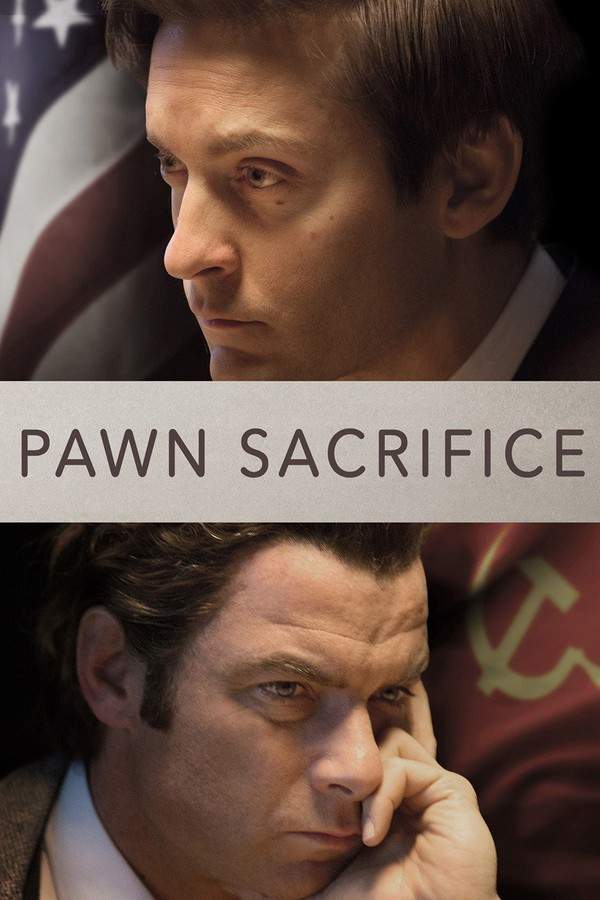
During the height of the Cold War, American chess prodigy Bobby Fischer, portrayed by Tobey Maguire, takes on Soviet Grandmaster Boris Spassky, played by Liev Schreiber, in the 1972 World Chess Championship. This gripping drama explores the intense rivalry and psychological pressures faced by both players as their iconic match becomes a proxy battle between the United States and the Soviet Union, captivating audiences worldwide. The film delves into Fischer's complex personality and the extraordinary circumstances surrounding this pivotal moment in sporting history.
Find where to stream, rent, or buy Pawn Sacrifice (2015) in the US with current JustWatch availability, up-to-date pricing, and platform listings for subscription, rental, and digital purchase options.
Warning: spoilers below!
Haven’t seen Pawn Sacrifice yet? This summary contains major spoilers. Bookmark the page, watch the movie, and come back for the full breakdown. If you're ready, scroll on and relive the story!
Explore the full timeline and setting of Pawn Sacrifice (2015). Follow every major event in chronological order and see how the environment shapes the story, characters, and dramatic tension.
Last updated: October 22, 2024 at 22:13
Meet the key characters of Pawn Sacrifice (2015), with detailed profiles, motivations, and roles in the plot. Understand their emotional journeys and what they reveal about the film’s deeper themes.
Last updated: October 22, 2024 at 22:13
Explore the central themes of Pawn Sacrifice (2015), from psychological, social, and emotional dimensions to philosophical messages. Understand what the film is really saying beneath the surface.
Last updated: October 22, 2024 at 22:13
Browse frequently asked questions about Pawn Sacrifice (2015) focused on characters, relationships, themes, symbols, setting, and story context. This movie info FAQ gives spoiler-aware explanations for character arcs, world details, and thematic interpretation so readers can better understand what the film is really about.
The championship match takes place in Reykjavík, Iceland. This location was chosen as a neutral ground between the United States and the Soviet Union, making it ideal for a competition that had become a geopolitical symbol during the Cold War. The choice of Iceland also provided Fischer with a supportive environment away from the pressures he felt in both American and Soviet territories.
Brooklyn represents Fischer's origins and the challenging environment where his chess talent developed. The film shows young Fischer facing the harsh realities of life under surveillance, highlighting the pressures that shaped his paranoid personality. This setting establishes the socioeconomic and psychological backdrop that contributed to his complex character.
The film is set in 1972 during the height of the Cold War, a period marked by intense political tension between the United States and the Soviet Union. This era framing is essential because Fischer's chess matches became a proxy battle for the ideological struggle between the two superpowers. The film demonstrates how a sporting event transcended athletics to become a matter of national pride and geopolitical significance.
The film explores three interconnected themes: chess mastery as both a path to greatness and a destructive obsession, mental health and the fragile line between genius and instability, and the Cold War as a geopolitical backdrop that transforms a personal competition into a symbol of national superiority. These themes intersect to portray Fischer's story as both a triumph and a tragedy.
Chess mastery represents Fischer's obsessive dedication that elevated him from a young prodigy to world champion. His relentless pursuit of perfection showcases both extraordinary brilliance and the personal toll such dedication takes. The theme illustrates how Fischer's identity became entirely consumed by chess, ultimately contributing to his mental decline.
The film portrays mental health as a critical concern, showing how Fischer's paranoia and delusion escalated under the immense pressure of competition and fame. His increasing instability serves as a cautionary tale about the impact of isolation, scrutiny, and untreated psychological struggles. The narrative underscores the tragic connection between brilliance and instability.
The Cold War transforms Fischer's personal match against Spassky into a geopolitical spectacle, with the world watching as a proxy for US-Soviet rivalry. The film's attention from global leaders and media coverage emphasized how sport became intertwined with national pride. This context elevates the stakes far beyond individual competition, adding enormous psychological pressure on Fischer.
Bobby Fischer is portrayed as a chess prodigy whose extraordinary talent propels him to the world championship but also contributes to his psychological unraveling. He represents both a national hero and a tragic figure, demonstrating the volatile mix of brilliance and instability that defined his life. His character arc explores the cost of genius and the burden of becoming an unexpected symbol of American superiority.
Father William Lombardy serves as Fischer's second during the championship, acting as a mentor and manager who tries to handle Fischer's erratic behavior. He embodies patience and understanding, struggling to support a genius while managing the emotional toll of dealing with someone wrestling with their demons. His character highlights the strain on those who care for individuals facing severe mental health challenges.
Paul Marshall is a lawyer who becomes a crucial ally for Fischer, helping him navigate the competitive chess world and advocate for his rights in tournaments. He represents the voice of reason amidst chaos, providing friendship and loyalty during Fischer's most challenging moments. His character demonstrates the importance of support systems for individuals facing extraordinary pressure.
Iceland was chosen as a neutral venue acceptable to both the American and Soviet sides, representing a diplomatic compromise during the Cold War. Reykjavík provided Fischer with freedom from what he perceived as persecution in the United States while avoiding the pressure of playing on Soviet soil. The setting allowed the match to proceed under conditions that neither superpower could object to.
The 1972 match is considered historic because it was the first time an American challenged a Soviet grandmaster for the world title since World War II, transforming a chess competition into a cultural and political phenomenon. Fischer's victory over Spassky was seen as a symbolic triumph for the United States during the Cold War. The match attracted unprecedented global attention and elevated chess to mainstream popular culture.
Discover curated groups of movies connected by mood, themes, and story style. Browse collections built around emotion, atmosphere, and narrative focus to easily find films that match what you feel like watching right now.
Stories exploring the immense psychological cost of extraordinary talent.If you were fascinated by Bobby Fischer's story in Pawn Sacrifice, explore these movies about genius under pressure. This collection features similar biographical dramas and intense character studies where extraordinary talent comes at a devastating personal cost, focusing on psychological unraveling and the heavy burden of brilliance.
These narratives typically follow a linear biographical or character-driven arc, charting the rise of an individual with exceptional skill. The central conflict is internal, as the protagonist's mind, plagued by paranoia, obsession, or mental illness, becomes the primary antagonist. The story builds steadily towards a significant achievement, but the victory is overshadowed by the clear onset of a profound personal decline.
Movies are grouped here because they share a heavy emotional weight and a bittersweet or bleak ending tone. They are united by their intense focus on the psychological distress accompanying genius, often set against high-stakes backdrops that amplify the pressure. The pacing is typically steady, allowing for a deep, anxious dive into the character's deteriorating mental state.
Films where intense focus and pressure create a suffocating atmosphere.For viewers who appreciated the claustrophobic tension of Pawn Sacrifice, this list highlights films with a similar high-stakes psychological atmosphere. Discover movies where the primary conflict is a battle of wits and wills, creating a gripping, anxious, and paranoid mood through steady pacing and intense focus on internal struggle.
In these stories, the plot is secondary to the atmosphere. The narrative unfolds in a steady, methodical pace, building unease as characters are consumed by their situation. The world often feels small and constrained, mirroring the characters' mental states. The focus is on the slow, agonizing build-up of tension as individuals confront an opponent, a system, or their own minds under extreme duress.
These films are connected by their dominant tense tone and high intensity, despite often having a steady pacing. They share key mood tags like claustrophobic, anxious, and paranoid. The experience is defined by a gripping, heavy feel where the viewer is placed directly into the stressful headspace of the protagonist.
Don't stop at just watching - explore Pawn Sacrifice in full detail. From the complete plot summary and scene-by-scene timeline to character breakdowns, thematic analysis, and a deep dive into the ending - every page helps you truly understand what Pawn Sacrifice is all about. Plus, discover what's next after the movie.
Read a complete plot summary of Pawn Sacrifice, including all key story points, character arcs, and turning points. This in-depth recap is ideal for understanding the narrative structure or reviewing what happened in the movie.
Track the full timeline of Pawn Sacrifice with every major event arranged chronologically. Perfect for decoding non-linear storytelling, flashbacks, or parallel narratives with a clear scene-by-scene breakdown.