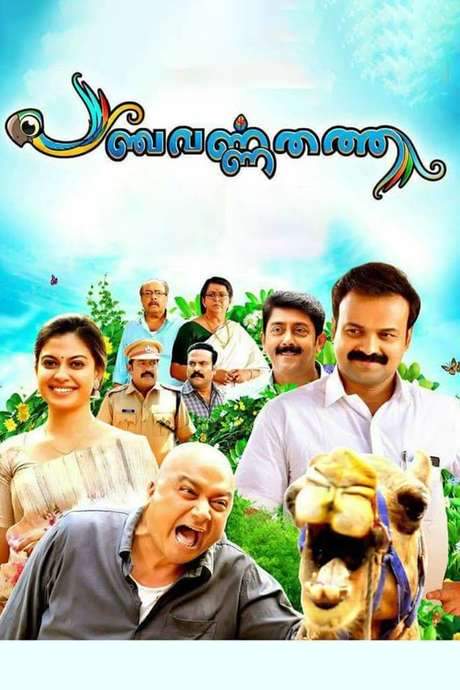
Vijayan Joseph Muhammed is a one-of-a-kind figure who runs a small pet shop in a tightly-knit neighborhood, a place that still remembers him as the man who arrived years ago with a circus troupe. His shop, filled with animals and a quiet way of life, stands as a local curiosity — loved by some, misunderstood by others — while the approaching election adds a layer of tension to the community. The neighborhood watches how the political game plays out around MLA Kalesh and his family, weighing loyalty, power, and the small acts of kindness that ripple through daily life.
The plot thickens during the first holy communion of Abraham's daughter when Chithra, Kalesh's wife, indulges in drink and abducts a Macaw in a moment she later regretfully records on video. The incident becomes a flashpoint that forces Vijayan to navigate the fault lines of friendship, duty, and community perception. As a consequence, Vijayan and his animals are evicted from their place, and the neighbors step in to let him stay at the Kalesh home, turning an uncomfortable setback into a precarious shelter.
From there, a sense of mutual aid grows. Velu, Vijayan’s loyal friend, joins with their animal companions to help Kalesh and his family in various ways, earning their sincere appreciation. The goodwill extends beyond neighbors, as a friend abroad opens a door. Through this connection, Kalesh and Chithra propose a job for Vijayan, offering a chance at stability, though Vijayan chooses to decline it for reasons the story keeps understated and human.
The turning point comes when Velu tries to wake Vijayan after his phone buzzes with activity, only to discover that Vijayan has died in his sleep. The neighborhood is enveloped in collective mourning as the life of a beloved, unconventional figure comes to a quiet close. In a final gesture of memory and care, Kalesh gives Vijayan's Macaw to a little orphan girl, a reveal that threads through the emotional fabric of the tale and points to Vijayan’s unspoken wishes.
It is then revealed that Vijayan had been carrying a hidden illness, a truth that adds gravity to the choices he makes and the relationships he nurtures. With this knowledge, Kalesh and Chithra walk away from the scene with the young girl and the Macaw, a quiet indication that they may be moving toward adopting her. The ending lingers on the sense of family that forms from unlikely alliances, the tenderness of small acts of generosity, and the possibility that a life lived alongside animals can leave a lasting imprint on a community.