Year: 1947
Runtime: 84 mins
Language: English
Director: Leigh Jason
A quirky comedy unfolds in a crowded apartment building. Arthur Earthleigh, a timid husband dominated by his striking wife Mae, lives alongside bohemian painter David Galleo and his ever‑present model Deborah Tyler. Perpetually tipsy Greenwich Village spirit Olive Jensen, who lives by “love and let love,” stops at George’s flat while his wife is away. When Olive collapses, George believes she’s dead and drags her to Galleo’s terrace. Galleo seizes the moment to blackmail Arthur, but Olive’s refusal to stay “dead” thwarts the scheme and sends the residents into chaotic confusion.
Warning: spoilers below!
Haven’t seen Out of the Blue yet? This summary contains major spoilers. Bookmark the page, watch the movie, and come back for the full breakdown. If you're ready, scroll on and relive the story!
Explore the full timeline and setting of Out of the Blue (1947). Follow every major event in chronological order and see how the environment shapes the story, characters, and dramatic tension.
Last updated: February 19, 2026 at 09:46
Meet the key characters of Out of the Blue (1947), with detailed profiles, motivations, and roles in the plot. Understand their emotional journeys and what they reveal about the film’s deeper themes.
Last updated: February 19, 2026 at 09:46
Explore the central themes of Out of the Blue (1947), from psychological, social, and emotional dimensions to philosophical messages. Understand what the film is really saying beneath the surface.
Last updated: February 19, 2026 at 09:46
Browse frequently asked questions about Out of the Blue (1947) focused on characters, relationships, themes, symbols, setting, and story context. This movie info FAQ gives spoiler-aware explanations for character arcs, world details, and thematic interpretation so readers can better understand what the film is really about.
The film is set in Greenwich Village, a vibrant New York neighborhood known for its artistic energy. Most of the action unfolds inside a cramped apartment building, with occasional scenes at a nearby bar that captures the Village's nightlife and social atmosphere.
The urban, bohemian setting establishes the backdrop for the domestic chaos and interpersonal manipulation that follows.
While not explicitly stated, the 1947 release date and the film's aesthetic suggest a post-WWII setting. The Greenwich Village location and the cultural references place it squarely in that era's bohemian scene.
The film centers on power struggles within Arthur and Mae's marriage. Mae dominates Arthur completely, creating a suffocating home life where Arthur lives in fear of her wrath. When Olive arrives, she disrupts this fragile balance, forcing Arthur into compromising situations that test his moral resolve.
Olive's intrusion directly challenges Mae's control, setting up the central conflict of the film.
Deception is the engine of the plot. Olive stages a romantic encounter with Arthur, and when she collapses, Arthur mistakenly believes she's dead and moves her body. David then uses this perceived death to blackmail Arthur, turning personal misadventure into coercive leverage.
Olive's manipulative nature sets the stage for the web of lies that entangles all the characters.
Yes, a serial killer stalks the Village throughout the film, adding a layer of danger and urban paranoia. This threat elevates the tension and makes Arthur's fear of being implicated in Olive's presumed death even more fraught, though the killer serves primarily as atmospheric red herring.
The looming threat of the serial killer amplifies Arthur's anxiety about the consequences of his actions.
Olive Jensen is a bold, perpetually tipsy bohemian who lives by 'love and let love.' She invades Arthur's apartment while his wife is away, insisting on staying and redecorating. Her manipulative presence complicates the Earthleighs' already tense marriage and triggers the chain of chaotic events.
Olive's disruptive entry into the apartment immediately signals the chaos that will unfold.
Mae Earthleigh is Arthur's domineering wife whose controlling nature creates the suffocating home environment Arthur endures. Her return from visiting her sister reignites the power dynamics in the marriage and intensifies Arthur's fear of confrontation, anchoring the central domestic conflict.
Mae's return is the turning point that forces Arthur to face the consequences of his choices.
David Gelleo is the bohemian artist neighbor who lives in the same building with his German Shepherd Rabelais. He embodies the opportunistic spirit of the Village, using the manufactured crisis around Olive to pressure and blackmail Arthur for his own gain.
David's willingness to exploit others for leverage is established early through his charm and self-serving actions.
Rabelais is David's German Shepherd, a powerful and intimidating animal that serves as a symbol of menace in the apartment. The dog is used to intimidate Arthur and adds visceral threat to the blackmail plot, representing the danger lurking in the Village setting.
The dog's presence early on establishes the undercurrent of physical threat in the narrative.
Deborah Tyler is a practical visitor who comes to the apartment seeking a breeding arrangement for her dog. She represents a rational outside perspective that collides with the chaos of the other characters' schemes, providing a grounded counterpoint to the domestic intrigue.
Deborah's practical motive contrasts sharply with the manipulate of the other characters.
The film has a whimsical, farcical tone driven by the comic premise of mistaken death and the bohemian characters. The pacing is fast as events quickly spiral from Olive's arrival through presumed death to blackmail and Mae's return. Humor undercuts tension, keeping the intensity medium rather than high.
The film explores three interconnected themes: Power (control and coercion in relationships), Deception (misdirection and living double lives), and Suspense (the serial killer threat creating urban paranoia). These themes weave through the domestic conflict and comic misadventures.
Discover curated groups of movies connected by mood, themes, and story style. Browse collections built around emotion, atmosphere, and narrative focus to easily find films that match what you feel like watching right now.
Chaotic scenarios spiraling out of control due to a single hilarious mistake.Watch movies like Out of the Blue where a farcical misunderstanding sparks a chain reaction of chaos. These fast-paced comedies feature mistaken identities, frantic cover-ups, and playful endings.
The narrative pattern centers on an initial, often ridiculous, mistake—like a mistaken death or a case of mistaken identity—that characters desperately try to manage. This leads to a domino effect of cover-ups, blackmail, and mounting confusion, creating a tightly wound plot that unravels at a brisk pace before culminating in a climactic revelation and a happy resolution.
These movies are grouped together because they share a specific comedic engine: the farcical premise. They prioritize witty dialogue, eccentric characters, and a sense of playful anxiety, resulting in an experience that is more clever than crude and more amusing than stressful.
Tales of artists, free spirits, and neighbors colliding in a vibrant city setting.Discover movies like Out of the Blue that explore the quirky lives of artists and neighbors in a bustling city. These ensemble comedies and dramas capture the chaotic charm of bohemian lifestyles.
Narratives are driven by an ensemble cast, where the lives of painters, writers, musicians, and their unconventional neighbors intersect in surprising ways. The structure is often episodic, weaving together multiple character arcs that converge around a central event or location, celebrating the vibrancy and occasional absurdity of non-conformist urban life.
These movies share a distinct world-building focus: the bohemian urban enclave. They are united by a specific mood that blends creative energy, quirky characters, and the comedic or dramatic potential of neighbors living in very close proximity, creating a sense of a vibrant, chaotic microcosm.
Don't stop at just watching - explore Out of the Blue in full detail. From the complete plot summary and scene-by-scene timeline to character breakdowns, thematic analysis, and a deep dive into the ending - every page helps you truly understand what Out of the Blue is all about. Plus, discover what's next after the movie.
Read a complete plot summary of Out of the Blue, including all key story points, character arcs, and turning points. This in-depth recap is ideal for understanding the narrative structure or reviewing what happened in the movie.
Track the full timeline of Out of the Blue with every major event arranged chronologically. Perfect for decoding non-linear storytelling, flashbacks, or parallel narratives with a clear scene-by-scene breakdown.
Discover movies like Out of the Blue that share similar genres, themes, and storytelling elements. Whether you’re drawn to the atmosphere, character arcs, or plot structure, these curated recommendations will help you explore more films you’ll love.
Out of the Blue (1947) Plot Summary & Movie Recap
Out of the Blue (1947) Scene-by-Scene Movie Timeline
Out of the Blue (1947) Spoiler-Free Summary & Key Flow
Movies Like Out of the Blue – Similar Titles You’ll Enjoy
Head Over Heels (2001) Movie Recap & Themes
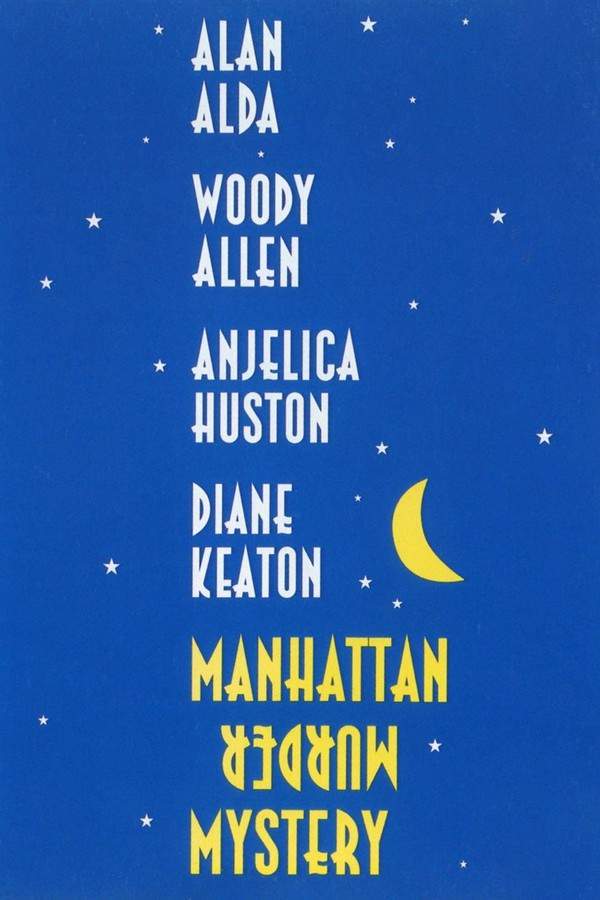
Manhattan Murder Mystery (1993) Film Overview & Timeline
The Out of Towners (1970) Complete Plot Breakdown
The Out-of-Towners (1999) Spoiler-Packed Plot Recap
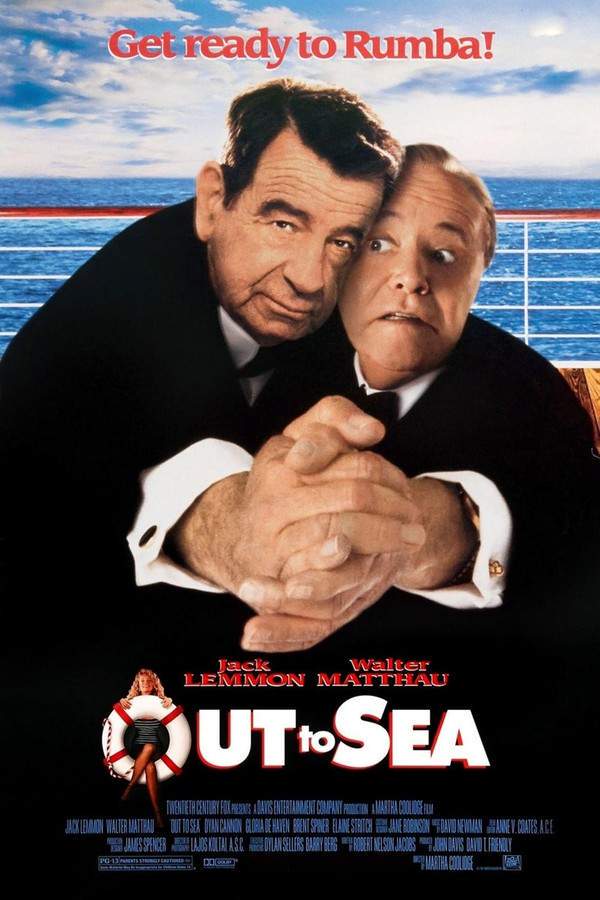
Out to Sea (1997) Spoiler-Packed Plot Recap
Boys' Night Out (1962) Plot Summary & Ending Explained
Out of Order (1000) Story Summary & Characters
By the Sea (1915) Spoiler-Packed Plot Recap
Red, Hot and Blue (1949) Story Summary & Characters
The Moon Is Blue (1953) Plot Summary & Ending Explained
Up in Mabel’s Room (1926) Detailed Story Recap
Out of Order! (1992) Ending Explained & Film Insights
Bubbling Over (1934) Detailed Story Recap
Big City Blues (1932) Plot Summary & Ending Explained
That Funny Feeling (1965) Plot Summary & Ending Explained