Year: 2002
Runtime: 97 min
Language: English
Director: Oliver Parker
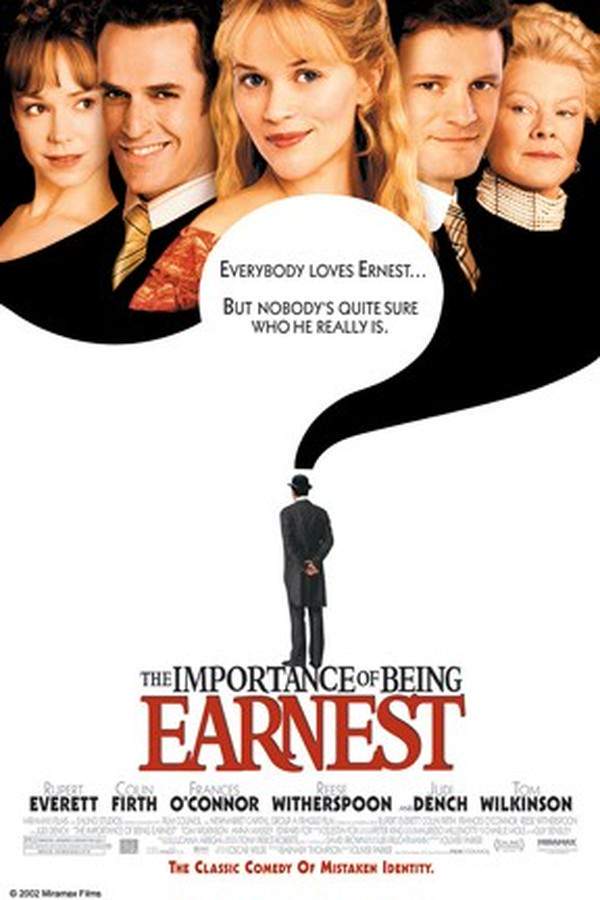
Two carefree bachelors, John Worthing and Algernon Moncrieff, invent alter egos to avoid their social obligations and pursue romantic interests. John creates the persona of "Ernest" to escape his responsibilities, while Algernon uses "Ernest" to charm his way into society. Their deceptions become increasingly complicated when both become engaged to women who are captivated by the name "Ernest," leading to hilarious misunderstandings and a tangled web of mistaken identities that threatens to expose their elaborate charade.
Find where to stream, rent, or buy The Importance of Being Earnest (2002) in the US with current JustWatch availability, up-to-date pricing, and platform listings for subscription, rental, and digital purchase options.
Warning: spoilers below!
Haven’t seen The Importance of Being Earnest yet? This summary contains major spoilers. Bookmark the page, watch the movie, and come back for the full breakdown. If you're ready, scroll on and relive the story!
Read the complete plot breakdown of The Importance of Being Earnest (2002), including all key story events, major twists, and the ending explained in detail. Discover what really happened, and what it all means.
John Worthing, a carefree and seemingly respectable young gentleman, has crafted a fictitious brother named “Ernest,” whose scandalous and wicked behaviors provide John with the perfect excuse to leave his peaceful country estate and travel to London whenever he pleases. In the city, John stays with his close friend, Algernon Moncrieff, who is equally mischievous and shares John’s fondness for bending social norms. While in London, John assumes the persona of Ernest, and under this guise, he has won the affections of Algernon’s beautiful cousin, Gwendolen Fairfax. Gwendolen, enamored with the name Ernest, declares that she could only love and marry a man with such a name.
John is deeply in love with Gwendolen and decides to propose. However, during the proposal, he must face her formidable mother, Lady Bracknell. When John reveals that he is an orphan who was found as a baby in a handbag at Victoria Station, Lady Bracknell is appalled and refuses to approve the engagement unless John can produce a respectable family lineage—namely, at least one parent of proper standing. Determined but undeterred, John returns to his country estate, where he lives with his young ward, Cecily Cardew, and her governess, Miss Prism.
Meanwhile, Algernon, intrigued by John’s tales of his nonexistent brother Ernest, decides to visit John’s country home under the guise of this very same fictional brother. Upon arrival, Algernon is introduced to Cecily, who, unbeknownst to him, has already become fascinated by the mysterious “Ernest” through John’s stories. Algernon, now posing as Ernest, quickly falls in love with the charming and impressionable Cecily, and to his surprise, she reciprocates his affections, having long dreamed of marrying a man named Ernest.
Chaos ensues when Gwendolen and Lady Bracknell arrive at John’s estate. Both women discover that they are engaged to men they believe to be named Ernest, resulting in a flurry of confusion and mistaken identities. It is revealed that Miss Prism, the governess, is the absent-minded nurse who, 20 years prior, misplaced a baby at Victoria Station—the very baby who turns out to be John.
Through this revelation, it is discovered that John is not only Gwendolen’s suitable match but also Algernon’s long-lost elder brother. Most importantly, his real name is indeed Ernest, the name by which he has been unwittingly known all along. The play ends in a joyful resolution, with both couples—John and Gwendolen, Algernon and Cecily—embracing, as all misunderstandings are cleared and the importance of being “Ernest” is finally realized.
Last updated: October 24, 2024 at 08:02
Explore frequently asked questions about The Importance of Being Earnest (2002) with spoiler-rich answers covering the full plot summary, major story beats, character motivations, hidden details, and ending meaning. This movie summary FAQ helps explain confusing scenes, plot twists, and narrative decisions in clear, searchable detail.
John creates a fictitious brother named Ernest to have an excuse to leave his country estate and travel to London. Under the pretense of dealing with his brother's scandalous behavior, John can escape his responsibilities and pursue his romantic interest in Gwendolen Fairfax. The fictional Ernest serves as a convenient cover for John's double life, allowing him to enjoy freedom in the city while maintaining a respectable reputation in the country.
The invented brother is introduced early as John's justification for frequent trips to London, establishing the deception that drives the plot.
Gwendolen is fixated on the name Ernest because she believes it carries inherent qualities of sincerity and importance. She explicitly states she could only love a man with that particular name, making the name itself a requirement for marriage in her eyes. This superficial attachment to a name rather than actual character becomes one of the play's central targets of satire.
Gwendolen's obsession with the name Ernest is established during John's courtship in London, creating the comedic foundation for the mistaken identities.
Lady Bracknell refuses to approve John's engagement to Gwendolen because she discovers he was abandoned as a baby in a handbag at Victoria Station. In Victorian society, having no respectable lineage is a severe social stigma, and Lady Bracknell demands that John prove he has at least one parent of proper standing before she will consider the match. His status as an orphan of unknown parentage makes him socially unacceptable in her view.
Lady Bracknell's rigid concern with social standing and family background is introduced during the proposal scene, foreshadowing why the truth about John's origins becomes crucial.
Algernon visits John's country estate because he becomes intrigued by John's stories about his fictional brother Ernest. Curious to meet the impressionable Cecily Cardew whom John has described, Algernon decides to assume the identity of Ernest himself. This allows him to charm Cecily while also experiencing the freedom of escaping his own social obligations.
Algernon's curiosity about John's invented brother is established earlier when he questions John about Ernest's supposed whereabouts in London.
Cecily readily falls for Algernon because she has already become fascinated with the idea of a man named Ernest through John's stories about his fictional brother. John frequently spoke of Ernest's supposed misadventures, and Cecily developed a romantic obsession with the name itself. When Algernon arrives claiming to be Ernest, he fits perfectly into her pre-existing fantasy, making her susceptible to his charms.
John's stories about Ernest to Cecily in the country establish her fascination with the name before Algernon ever arrives.
Miss Prism is revealed to be the absent-minded nurse who, twenty years before the main events of the story, accidentally misplaced a baby at Victoria Station. That baby was John Worthing himself. This connection explains John's mysterious origins and provides the crucial information needed to resolve the play's central identity mystery.
Miss Prism's absent-mindedness is established early in the story, and her connection to Victoria Station is hinted at through references to her past.
Through Miss Prism's revelation, it is discovered that the baby she lost at Victoria Station twenty years ago was John's true identity. Since Algernon's family had been searching for their lost relative, John is identified as Algernon's long-lost elder brother. This discovery resolves both the mystery of John's parentage and creates a connection between the two main characters that enables the happy ending.
The revelation that John was the lost baby from Victoria Station directly leads to the discovery of his familial connection to Algernon.
John's real name is Ernest because he was the baby who was mistakenly placed in a handbag at Victoria Station by Miss Prism twenty years ago. When his true identity is revealed through Miss Prism's recognition, it turns out his birth name is indeed Ernest. This ironic discovery satisfies Gwendolen's requirement that she can only love a man named Ernest, as well as resolves the entire misunderstanding that has driven the comedy.
The coincidence that John invented a fictional brother with his own real name is revealed to be more than mere chance when his true identity comes to light.
All deceptions are resolved when Miss Prism reveals she is the nurse who lost a baby at Victoria Station twenty years ago, and that baby is identified as John. This discovery confirms John's true identity as an Ernest, validates his respectable lineage, and reveals him to be Algernon's elder brother. Once the truth about John's birth name and family connections is established, both couples can marry freely, and the importance of being truly 'Ernest' is fulfilled.
The accumulation of mistaken identities and the arrival of Lady Bracknell create the perfect situation for the revelation to unfold.
The play satirizes Victorian society's obsession with names, appearances, and social status over genuine character. The characters spend the entire story pursuing or rejecting people based solely on the name 'Ernest' without knowing anything about the person's true nature. By the end, when John discovers his real name is actually Ernest, the play suggests that while the obsession with the name was foolish, being sincere and truthful (which 'Ernest' suggests) does matter.
The title's significance is established through Gwendolen's insistence on the name and the comedic complications that arise from the fictional Ernest.
Discover curated groups of movies connected by mood, themes, and story style. Browse collections built around emotion, atmosphere, and narrative focus to easily find films that match what you feel like watching right now.
Comedies that use mistaken identities to lampoon the pretensions of high society.Find more movies like The Importance of Being Earnest that deliver a hilarious comedy of manners. If you enjoyed the sharp satire, mistaken identities, and playful take on Victorian-era social customs, you'll love these other sophisticated and witty farces.
Stories in this thread typically center on characters inventing personas or engaging in deceptions to navigate a restrictive social landscape. The plot thrives on coincidences, misunderstandings, and the inevitable collision of these false identities, leading to a climactic revelation that resolves the chaos humorously and restores order, often with romantic pairings.
These movies are grouped by their shared focus on intellectual humor, satirical observations of class, and a farcical structure built on lies and pretenses. The tone is consistently lighthearted and whimsical, with a fast pace driven by witty repartee and escalating comedic complications.
Lighthearted romantic stories where love triumphs through laughter and delightful confusion.Discover romantic comedies similar to The Importance of Being Earnest. These films share a lighthearted feel, clever humor, and a focus on charming courtship amidst playful deceptions, perfect for viewers who enjoy a joyful and intellectually satisfying love story.
The narrative pattern follows a romantic pursuit complicated by a central, often absurd, comedic hook—such as a false identity. The conflict is seldom deeply emotional but rather a series of amusing hurdles that test the characters' ingenuity. The story unfolds with a sense of fun, ensuring that the path to love is as entertaining as the final, happy union.
This thread unites films that blend romance and comedy in a specific ratio: the romance is central and earnest, but the comedy is intellectual and dominant. The overall experience is uplifting and breezy, defined by low stakes, high humor, and an unwavering guarantee of a happy ending.
Don't stop at just watching - explore The Importance of Being Earnest in full detail. From the complete plot summary and scene-by-scene timeline to character breakdowns, thematic analysis, and a deep dive into the ending - every page helps you truly understand what The Importance of Being Earnest is all about. Plus, discover what's next after the movie.
Track the full timeline of The Importance of Being Earnest with every major event arranged chronologically. Perfect for decoding non-linear storytelling, flashbacks, or parallel narratives with a clear scene-by-scene breakdown.
Discover the characters, locations, and core themes that shape The Importance of Being Earnest. Get insights into symbolic elements, setting significance, and deeper narrative meaning - ideal for thematic analysis and movie breakdowns.
Discover movies like The Importance of Being Earnest that share similar genres, themes, and storytelling elements. Whether you’re drawn to the atmosphere, character arcs, or plot structure, these curated recommendations will help you explore more films you’ll love.
The Importance of Being Earnest (2002) Scene-by-Scene Movie Timeline
The Importance of Being Earnest (2002) Movie Characters, Themes & Settings
The Importance of Being Earnest (2002) Spoiler-Free Summary & Key Flow
Movies Like The Importance of Being Earnest – Similar Titles You’ll Enjoy
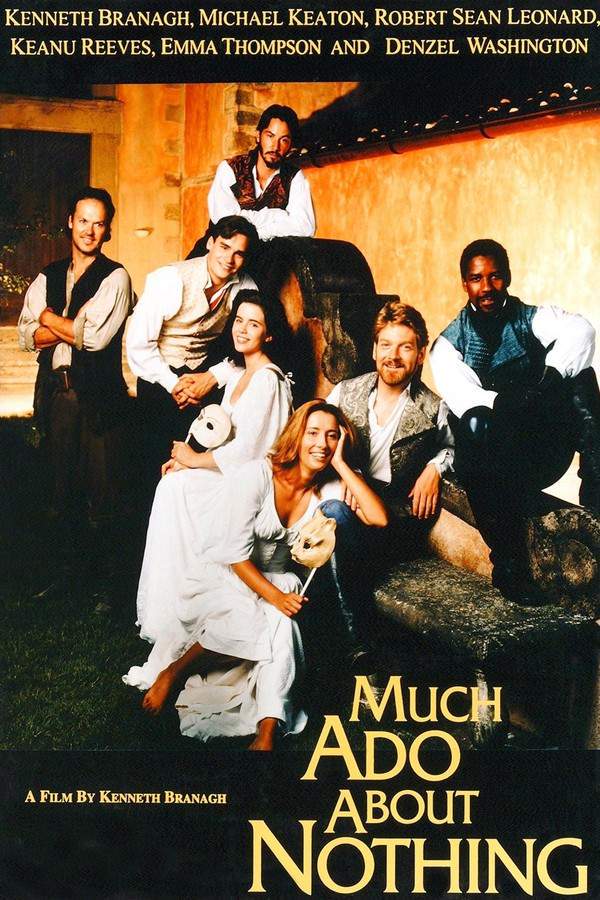
Much Ado About Nothing (1993) Full Summary & Key Details
Easy Virtue (2009) Full Summary & Key Details
An Ideal Husband (1999) Story Summary & Characters
Pride and Prejudice (2004) Film Overview & Timeline
Arthur (1981) Complete Plot Breakdown
The Importance of Being Earnest (1988) Full Movie Breakdown
The Lady of Scandal (1930) Full Summary & Key Details
Our Betters (1933) Movie Recap & Themes
The Man in Possession (1931) Complete Plot Breakdown
A Damsel in Distress (1937) Full Summary & Key Details
Jak je důležité míti Filipa (1979) Story Summary & Characters
The Importance of Being Earnest (1952) Spoiler-Packed Plot Recap
Quality Street (1937) Complete Plot Breakdown
Get ’Em Young (1926) Spoiler-Packed Plot Recap
Twelfth Night (1996) Ending Explained & Film Insights