Year: 2014
Runtime: 101 mins
Language: English
Director: Mark van Wijk
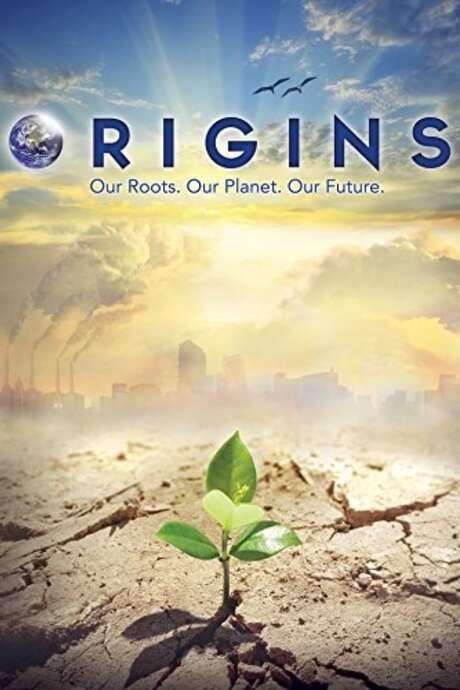
A journey explores the biological origins of humanity and our planet's future. Using fire as a metaphor for technology, the film examines the progress of civilization and the detrimental impact of unchecked technological advancement on the environment and human health. Featuring interviews with leading figures in health and environmental fields, the documentary presents compelling arguments for a more harmonious coexistence with nature, highlighting the potential for balance between humanity, technology, and the natural world.
Find where to stream, rent, or buy Origins (2014) in the US with current JustWatch availability, up-to-date pricing, and platform listings for subscription, rental, and digital purchase options.
Warning: spoilers below!
Haven’t seen Origins yet? This summary contains major spoilers. Bookmark the page, watch the movie, and come back for the full breakdown. If you're ready, scroll on and relive the story!
Trace every key event in Origins (2014) with our detailed, chronological timeline. Perfect for unpacking nonlinear stories, spotting hidden connections, and understanding how each scene builds toward the film’s climax. Whether you're revisiting or decoding for the first time, this timeline gives you the full picture.
Last updated: October 01, 2025 at 13:07
Find frequently asked questions about the Origins (2014) timeline, including chronological order, nonlinear jumps, cause-and-effect links, and scene sequence clarifications. This timeline FAQ helps explain when key events happen, how moments connect, and why the story unfolds in that specific order.
Sofi dies because she was trapped in the elevator shaft during Ian's formaldehyde eye accident. While Ian was being helped after splashing chemicals in his eyes, Sofi became trapped when the elevator stuck between floors. When Ian pulled himself up, he saw her fear and hesitation before the elevator moved again, resulting in grievous injuries that proved fatal.
The earlier scene where Ian and Sofi must wait a day for their marriage license, forcing them to leave the registry office disappointed, sets up the fateful detour to the lab.
The iris database catalogs eyes with fingerprint-like precision. When Ian's newborn son Tobias receives a routine iris scan, the system flags an anomaly, an iris match to a person in India, years after Sofi's death. Kenny, who now maintains the system, confirms this match suggests Sofi's iris pattern somehow appears in another living person.
The 44% result from the test indicates a probabilistic link suggesting Sofi's memories might somehow exist within Salomina, an orphan girl in India. The film presents this not as definitive scientific proof but as a meaningful possibility, the result sits between chance and possibility, and the emotional reunion matters more than the numbers.
Ian feels guilty because his decision to stop for the lab detour after the license mix-up directly led to the accident. He believes his choices set the chain of events in motion that caused Sofi's fatal injuries, and this guilt persists even seven years later as he secretly watches old videos of her.
The recurring number 11, Sofi's eyes on billboards, and the train sighting represent the film's exploration of fate and connection. These eerie coincidences draw Ian toward Sofi, contrasting his rigid rational worldview with her fey spirituality. Ian interprets their bond as cosmic, atoms that have loved each other since before the Big Bang.
After Sofi's death, Ian withdraws from work and friends into deep depression. Karen, his steady lab assistant, stays with him and gently encourages him to reconnect with life. Over seven years, a fragile tenderness develops between them, culminating in marriage and pregnancy, though Ian continues wrestling with lingering guilt over Sofi.
Sofi appears mysteriously at the Halloween party, draws Ian in with her distinctive hazel-speckled ash-blue eyes, then slips away without explanation. This pattern of appearing and disappearing defines her character, she is elusive and almost otherworldly, which later becomes central to the film's exploration of memory transcending death.
The post-credits scene shows Dr. Simmons scanning the irises of famous deceased figures and finding numerous matches. This suggests memory and identity may persist through iris data across generations, implying the thread connecting eyes, identity, and memory extends far beyond any one person, hinting at a larger system of reincarnation or memory transfer.
Seven years after Sofi's death, Ian has authored a book on eye evolution, representing his professional success despite personal tragedy. The book ties thematically to the film's central metaphor, the eye as a vessel for memory and identity, making his research into evolution parallel his emotional search for connection to Sofi.
After Ian accidentally splashes formaldehyde in his eyes and Karen administers first aid, they rush back to the lab. The elevator gets stuck between floors. When Ian pulls himself up through the gap, he sees Sofi, who appears fearful and hesitates before the elevator moves again, resulting in her fatal injuries.
Discover curated groups of movies connected by mood, themes, and story style. Browse collections built around emotion, atmosphere, and narrative focus to easily find films that match what you feel like watching right now.
Cinematic journeys exploring the delicate balance between human progress and planetary health.If you liked the thoughtful exploration of civilization and ecology in Origins, discover more documentaries that examine humanity's relationship with technology and the planet. These films blend scientific inquiry with a poetic sensibility, offering similar bittersweet and thought-provoking experiences.
These films typically present a thesis about a critical juncture in human or planetary history, weaving together interviews, data, and metaphorical imagery. The narrative arc follows an investigation into a complex problem, building a compelling argument that challenges the viewer to reconsider their place in the world.
Movies are grouped here for their shared focus on big-picture questions about civilization, their methodical and steady pacing, and their bittersweet tone that balances awe for human achievement with concern for its consequences. They offer a similarly reflective and scientifically-grounded viewing experience.
Stories where the quest for answers uncovers profound, emotionally complex truths.Fans of Origins' exploration of love and science across time will appreciate these movies about profound searches for connection and truth. Discover films with a similar bittersweet feel, where the emotional weight of the discovery is as important as the facts uncovered.
The narrative follows a protagonist or central inquiry driven by a deep need to understand something elusive. The pacing is methodical, building evidence and emotional weight towards a revelation that recontextualizes everything, often blending personal loss with a larger, universal insight.
These films share a core structure of a meaningful search, a steady pacing that allows for reflection, and a bittersweet emotional core. The ending provides a sense of profound connection or understanding, yet it is tempered by the complexity and cost of the journey itself.
Don't stop at just watching - explore Origins in full detail. From the complete plot summary and scene-by-scene timeline to character breakdowns, thematic analysis, and a deep dive into the ending - every page helps you truly understand what Origins is all about. Plus, discover what's next after the movie.
Read a complete plot summary of Origins, including all key story points, character arcs, and turning points. This in-depth recap is ideal for understanding the narrative structure or reviewing what happened in the movie.
Discover the characters, locations, and core themes that shape Origins. Get insights into symbolic elements, setting significance, and deeper narrative meaning - ideal for thematic analysis and movie breakdowns.