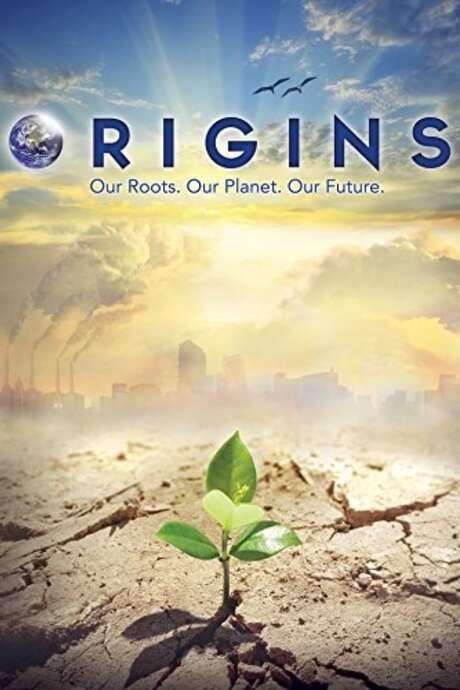
Year: 2014
Runtime: 101 mins
Language: English
Director: Mark van Wijk
A journey explores the biological origins of humanity and our planet's future. Using fire as a metaphor for technology, the film examines the progress of civilization and the detrimental impact of unchecked technological advancement on the environment and human health. Featuring interviews with leading figures in health and environmental fields, the documentary presents compelling arguments for a more harmonious coexistence with nature, highlighting the potential for balance between humanity, technology, and the natural world.
Find where to stream, rent, or buy Origins (2014) in the US with current JustWatch availability, up-to-date pricing, and platform listings for subscription, rental, and digital purchase options.
Warning: spoilers below!
Haven’t seen Origins yet? This summary contains major spoilers. Bookmark the page, watch the movie, and come back for the full breakdown. If you're ready, scroll on and relive the story!
Explore the full timeline and setting of Origins (2014). Follow every major event in chronological order and see how the environment shapes the story, characters, and dramatic tension.
Last updated: October 01, 2025 at 12:47
Meet the key characters of Origins (2014), with detailed profiles, motivations, and roles in the plot. Understand their emotional journeys and what they reveal about the film’s deeper themes.
Last updated: October 01, 2025 at 12:47
Explore the central themes of Origins (2014), from psychological, social, and emotional dimensions to philosophical messages. Understand what the film is really saying beneath the surface.
Last updated: October 01, 2025 at 12:47
Browse frequently asked questions about Origins (2014) focused on characters, relationships, themes, symbols, setting, and story context. This movie info FAQ gives spoiler-aware explanations for character arcs, world details, and thematic interpretation so readers can better understand what the film is really about.
The narrative unfolds primarily in a modern laboratory where eye evolution research occurs, along with settings like a registry office, hospital, and train. The search extends to international locations including India and Idaho, showing how biometric technology crosses geographic boundaries.
The events take place in the present day, using contemporary technology like biometric iris scans and digital databases. The setting reflects modern debates around medical ethics and technological advancement while weaving in spiritual themes that contrast with the high-tech environment.
The film explores several interconnected themes: the tension between love and scientific rationality through Ian's relationship with Sofi, questions of memory and identity that persist after death, the ethics of biometric technology and surveillance, and the idea of fate connecting people across lifetimes through shared iris patterns.
Ian Gray is a Ph.D. student studying eye evolution with a rigorous scientific approach. He falls in love with Sofi, whose mystical worldview challenges his rational mindset. After Sofi's death, he becomes consumed by guilt and an obsessive search for connection through the iris-scan database, driving the story's investigation into memory and identity.
Sofi is a mysterious woman whose spiritual and intuitive nature contrasts sharply with Ian's scientific worldview. Her connection to Ian transcends ordinary understanding, and her death becomes the catalyst for the entire narrative. Her essence appears to persist through iris patterns that resurface in other people.
The iris-scan database becomes the central mechanism linking characters across time and space. It stores eye patterns that reveal unexpected connections between people, suggesting memories or identities can persist beyond individual lives. Dr. Simmons's access to this data highlights both the power and ethical concerns surrounding biometric surveillance.
The film asks whether identity can survive in another body through shared iris patterns. The iris database links Sofi's essence to Ian and later to Salomina, raising questions about what makes a person real and how memory might transcend physical death. This creates a mysterious thread connecting generations.
Salomina is an orphan girl in India whose iris pattern matches Sofi's, making her central to Ian and Karen's attempt to preserve Sofi's memory. Her existence fuels the film's exploration of fate, consent, and whether recognition can bridge cultural and linguistic barriers in a powerful moment of connection.
The film cautions against uncritical faith in technology through Dr. Simmons's control over the iris database and the ability to 'play God' with biometric data. It explores power imbalances, consent issues, and how surveillance capabilities can shape personal fate without adequate ethical boundaries.
Ian's relationship with Sofi forces him to confront the limits of his science-first mindset. Their romance tests whether emotional truth can coexist with objective explanation, representing the film's broader exploration of whether data-driven understanding can capture the full human experience.
The ending is bittersweet, offering a profound emotional connection and hint of continuity through the iris network reaching beyond what was shown, but not providing a definitive scientific victory or simple happy reunion. It suggests a fragile, luminous connection that transcends physical separation.
Discover curated groups of movies connected by mood, themes, and story style. Browse collections built around emotion, atmosphere, and narrative focus to easily find films that match what you feel like watching right now.
Cinematic journeys exploring the delicate balance between human progress and planetary health.If you liked the thoughtful exploration of civilization and ecology in Origins, discover more documentaries that examine humanity's relationship with technology and the planet. These films blend scientific inquiry with a poetic sensibility, offering similar bittersweet and thought-provoking experiences.
These films typically present a thesis about a critical juncture in human or planetary history, weaving together interviews, data, and metaphorical imagery. The narrative arc follows an investigation into a complex problem, building a compelling argument that challenges the viewer to reconsider their place in the world.
Movies are grouped here for their shared focus on big-picture questions about civilization, their methodical and steady pacing, and their bittersweet tone that balances awe for human achievement with concern for its consequences. They offer a similarly reflective and scientifically-grounded viewing experience.
Stories where the quest for answers uncovers profound, emotionally complex truths.Fans of Origins' exploration of love and science across time will appreciate these movies about profound searches for connection and truth. Discover films with a similar bittersweet feel, where the emotional weight of the discovery is as important as the facts uncovered.
The narrative follows a protagonist or central inquiry driven by a deep need to understand something elusive. The pacing is methodical, building evidence and emotional weight towards a revelation that recontextualizes everything, often blending personal loss with a larger, universal insight.
These films share a core structure of a meaningful search, a steady pacing that allows for reflection, and a bittersweet emotional core. The ending provides a sense of profound connection or understanding, yet it is tempered by the complexity and cost of the journey itself.
Don't stop at just watching - explore Origins in full detail. From the complete plot summary and scene-by-scene timeline to character breakdowns, thematic analysis, and a deep dive into the ending - every page helps you truly understand what Origins is all about. Plus, discover what's next after the movie.
Read a complete plot summary of Origins, including all key story points, character arcs, and turning points. This in-depth recap is ideal for understanding the narrative structure or reviewing what happened in the movie.
Track the full timeline of Origins with every major event arranged chronologically. Perfect for decoding non-linear storytelling, flashbacks, or parallel narratives with a clear scene-by-scene breakdown.