Plot Explained Spoilers guaranteed!
Plot Explained

Browse by genre

Ordinary People (2009) movie poster

Timeline

Ordinary People (2009) Timeline Explained – Every Event in Order

Release, runtime and language
2009 · 80 mins · Serbian
Loading streaming availability…
Directed by
Vladimir Perišić
Starring
Boris Isaković, Miroslav Stevanović, Relja Popović

A hot summer day finds Džoni, a twenty‑year‑old recruit, sent to an abandoned farm on a vague mission. Expecting combat with unnamed terrorists, the unit instead receives a bus of prisoners. Their commander orders the men to execute the captives. Džoni is initially horrified, but as more prisoners arrive he becomes desensitized and even begins to take pleasure in the killings.

On this page (6)
  1. 1 Where to watch
  2. 2 Events in order (14)
  3. 3 Timeline questions answered
  4. 4 Movie threads
  5. 5 Movies like Ordinary People
  6. 6 Every angle
Loading streaming availability…

14 events in order · contains spoilers

Ordinary People Timeline: Events in Chronological Order

Every key event of Ordinary People (2009) in order, scene by scene, with when and where it takes place. Use it to untangle flashbacks, time jumps and parallel storylines, to refresh your memory before the sequel or to find the exact scene you are thinking of.

  1. Buck's death and Conrad's involvement revealed

    The Jarretts confront Buck's death in a sailing accident, a tragedy that reverberates through the family. The incident reveals Conrad's involvement, a fact uncovered during early assessment. The news foreshadows the emotional work ahead for everyone.

    When
    Shortly after Buck's death
    Where
    Lake Forest, IL
  2. Conrad returns home after four months in a psychiatric hospital

    Conrad returns to the family home after a four-month stay in a psychiatric hospital. He must navigate the adjusted routines of the house while reconciling with his parents. The reentry triggers a slow reevaluation of their fragile normalcy.

    When
    Immediately after his four-month hospital stay
    Where
    Jarrett family home, Lake Forest, IL
  3. Conrad begins therapy with Dr. Berger

    Conrad seeks help from Dr. Tyrone Berger to cope with PTSD and Buck's death. Berger investigates the family dynamics and helps Conrad understand that guilt is not a burden he must bear alone. The therapeutic path begins to illuminate his emotions rather than suppress them.

    When
    At the start of his homecoming
    Where
    Dr. Berger's office
  4. Calvin tries to bridge the gap

    Calvin tries earnestly to bridge the distance between him and Conrad, serving as a mediator during heated exchanges with Beth. He frequently steps in to referee arguments and remind the family of their love. His efforts underscore a stubborn hope for normality.

    When
    Early in the homecoming period
    Where
    Family home, Lake Forest, IL
  5. Beth clings to appearances

    Beth clings to appearances, denying the depth of her loss and insisting on a facade of perfection. Her distant, controlled demeanor toward Conrad widens the gulf between mother and son. She wants to keep the household intact, even if it means withholding warmth.

    When
    Early in the homecoming period
    Where
    Family home
  6. Conrad starts dating Jeannine

    Conrad begins dating Jeannine, a fellow student who offers support and a glimmer of optimism. The relationship helps him reconnect with others and reframe his outlook on life. Yet he remains haunted by the accident and struggles to articulate his feelings.

    When
    Sometime after return
    Where
    School
  7. Christmas confrontation

    Near Christmas, tensions erupt when Conrad swears at Beth for refusing to take a photo with him in front of their grandparents. The blowout exposes the fragile veneer of family harmony. The scene heightens the sense that underlying resentments are tearing at the surface.

    When
    Near Christmas
    Where
    Family home
  8. Beth discovers Conrad's lies

    Beth discovers Conrad has been lying about his after-school whereabouts, a breach that shatters trust. The confrontation lays bare the emotional distance between mother and son. Conrad feels increasingly isolated as his truth and her image conflict.

    When
    Shortly after Christmas
    Where
    Family home
  9. Calvin and Beth visit Ward in Houston

    Beth and Calvin travel to Houston to visit Beth's brother Ward, where Calvin presses her about her evasive attitude. The trip reveals unresolved family dynamics and Beth's reluctance to engage with the past. Their dialogue signals a deeper rift within the marriage.

    When
    After the confrontation at home
    Where
    Houston, TX
  10. Karen’s suicide shocks Conrad

    Conrad learns that Karen, a friend from the psychiatric hospital, has taken her own life. The loss compounds his guilt and reinforces the fragility of everyone around him. The tragedy heightens the urgency of his therapy and self-forgiveness.

    When
    Following Karen's hospital friendship
    Where
    Psychiatric hospital / community
  11. A cathartic midnight session

    In a cathartic midnight session with Dr. Berger, Conrad stops blaming himself and begins accepting his mother's frailties. Berger guides him through processing Buck's death and reconciling with the truth about his family. The breakthrough marks a turning point in his emotional healing.

    When
    Middle of the night
    Where
    Dr. Berger's office
  12. Calvin confronts Beth's love

    Beth remains emotionally unresponsive, prompting Calvin to confront her about whether she is capable of loving anyone. He questions the depth of their bond and what love means within their marriage. The exchange crystallizes the structural pain inside the family.

    When
    After the breakthrough session
    Where
    Family home
  13. Beth leaves for Houston; father and son endure

    Beth packs her bags and returns to Houston, leaving Calvin and Conrad to face the new reality on their own. The separation forces a reassessment of roles and loyalties within the family. Yet Calvin and Conrad resolve to stay connected and support one another.

    When
    Immediately after Beth's departure
    Where
    Houston, TX
  14. New foundation: father–son bond

    Calvin and Conrad affirm their father–son love and begin to build a new, more resilient bond. The film closes on a hopeful note, with a hard-won understanding that healing takes time. Their relationship becomes the anchor as the family redefines normal.

    When
    Ending
    Where
    Lake Forest, IL

Last updated: December 27, 2025 at 11:31

Was this helpful?

Timeline questions answered

Ordinary People Timeline Explained: Your Questions Answered

When does it happen, and why in that order? The questions people ask about the chronology of Ordinary People (2009): time jumps, flashbacks, cause and effect between scenes and the correct order of events, each answered with spoilers.

Q1

Why is Conrad's mother so cold and distant with him?

Beth struggles to connect with Conrad because his survival reminds her of Buck's death. She unconsciously favors the son she lost and cannot fully engage with Conrad's pain. Her need to maintain a facade of perfection prevents her from confronting her own grief, leaving Conrad feeling unseen and abandoned.

Foreshadowing: Early scenes show Beth insisting on normal routines, hinting at her inability to process emotional loss.

  • beth jarrett
  • conrad
  • emotional distance
  • grief
  • mother son relationship
Q2

Why does Conrad feel guilty about Buck's death?

Conrad was on the sailing trip with Buck when the accident happened, and he survived while his brother died. This survival guilt fuels his belief that he could have prevented the tragedy. His therapist Dr. Berger helps him understand that guilt is not a burden he must carry alone.

Foreshadowing: The summary mentions the accident revealed Conrad's involvement, setting up his psychological burden.

  • conrad
  • guilt
  • buck death
  • survival guilt
  • sailing accident
Q3

What triggers the Christmas confrontation between Conrad and Beth?

The confrontation erupts when Beth refuses to take a photo with Conrad in front of his grandparents, and Conrad swears at her in anger. This moment shatters the family's fragile facade, exposing the deep resentment and communication breakdown that has been building since Conrad's return from the hospital.

Foreshadowing: Earlier scenes show mounting tensions between Conrad and Beth over trivial matters.

  • christmas
  • confrontation
  • beth
  • family fight
  • photo scene
Q4

Why does Beth leave at the end of the movie?

Beth leaves because she cannot confront her emotional limitations. After Conrad reaches out for affection and receives only coldness, Calvin directly asks if she is capable of loving anyone. This painful question forces her to flee rather than face the truth about herself. She returns to Houston, leaving her husband and son to redefine their relationship without her.

Foreshadowing: Beth's pattern of evasion and denial throughout the film builds toward this departure.

  • beth leaves
  • houston
  • calvin question
  • family collapse
  • emotional withdrawal
Q5

What is Conrad's breakthrough in therapy with Dr. Berger?

In a cathartic midnight session, Conrad stops blaming himself for Buck's death and begins accepting his mother's frailties. He realizes he cannot change what happened and cannot force his mother to love him. This acceptance marks his path toward genuine healing and emotional strength.

Foreshadowing: Dr. Berger's careful questioning throughout earlier sessions plants seeds for this breakthrough.

  • dr berger
  • therapy breakthrough
  • midnight session
  • acceptance
  • self forgiveness
Q6

Why does Karen's suicide devastate Conrad so much?

Karen was a friend Conrad met at the psychiatric hospital, and her suicide reminds him of his own near-death experience. Her death compounds his survivor's guilt and reinforces his fear that he too might succumb to the overwhelming weight of grief. It underscores the fragile nature of recovery and the silent struggles others face.

Foreshadowing: Conrad's hospital friendship with Karen is established earlier, making this loss deeply personal.

  • karen
  • suicide
  • hospital friend
  • conrad grief
  • tragedy
Q7

Why can't Beth openly grieve for Buck?

Beth copes by denying her grief entirely, clinging to a pretense of perfection and control. She cannot allow herself to feel the full depth of her loss because it would shatter the carefully maintained family image she depends on. Her emotional repression manifests as coldness toward Conrad, whom she associates with the tragedy.

Foreshadowing: Beth's insistence on normalcy and refusal to discuss Buck foreshadows her inability to grieve.

  • beth grief
  • denial
  • perfection
  • appearance
  • emotional repression
Q8

How does Jeannine help Conrad in his recovery?

Jeannine offers Conrad warmth, optimism, and a glimpse of a life beyond fear and guilt. Their relationship helps him reconnect with normal teenage experiences and gradually rebuild his ability to trust and feel close to others. She represents hope that happiness is still possible after trauma.

Foreshadowing: Conrad's dating Jeannine begins after his return, providing a contrasting positive relationship.

  • jeannine
  • relationship
  • conrad
  • support
  • hope
Q9

Why does Calvin finally confront Beth about her ability to love?

Calvin confronts Beth after she remains emotionally unresponsive to Conrad's reach for affection. The question "Are you capable of loving anyone?" represents his final attempt to break through her emotional walls. It crystallizes his realization that their marriage cannot survive her continued denial and distance.

Foreshadowing: Calvin's role as mediator throughout the film builds toward this direct confrontation.

  • calvin
  • beth
  • marriage
  • confrontation
  • love capacity
Q10

What exactly happened to Buck in the sailing accident?

Buck died in a sailing accident while Conrad was present. The details of the accident itself remain less important than its psychological impact on the family. Conrad's involvement in the incident and subsequent survival created the guilt that drives much of the film's emotional tension.

Foreshadowing: The timeline establishes Buck's death as the central trauma that sets the family's disintegration in motion.

  • buck death
  • sailing accident
  • conrad involvement
  • family tragedy

Movie threads

More Movies Like Ordinary People, by Mood & Story

Curated lists built around what makes Ordinary People tick: the same mood, the same kind of story or the same emotional payoff. Each list explains why these movies belong together.

Moral descent stories like Ordinary People

Stories exploring how ordinary people become numb to violence and cruelty. If you were captivated by the moral collapse in Ordinary People, this list features other movies that explore a character's gradual desensitization to violence. These powerful dramas examine how ordinary individuals can become numb to cruelty under extreme circumstances.

  • morally complex
  • tense
  • uncomfortable
  • psychological
  • raw
  • somber
  • Tone: melancholic, raw, disturbing
  • Pacing: slow, deliberate
Why these movies?

The story pattern: This narrative follows a protagonist who is initially repulsed by violence or immoral acts but, through repeated exposure or systemic pressure, loses their moral compass. The story structure is often straightforward, building a slow, uncomfortable tension as the character's internal change becomes the central conflict.

Why they belong together: Movies are grouped here for their shared focus on the psychological journey of moral decay. They share a melancholic, raw tone, heavy emotional weight, and a slow pacing that allows the character's internal transformation to feel both terrifying and believable.

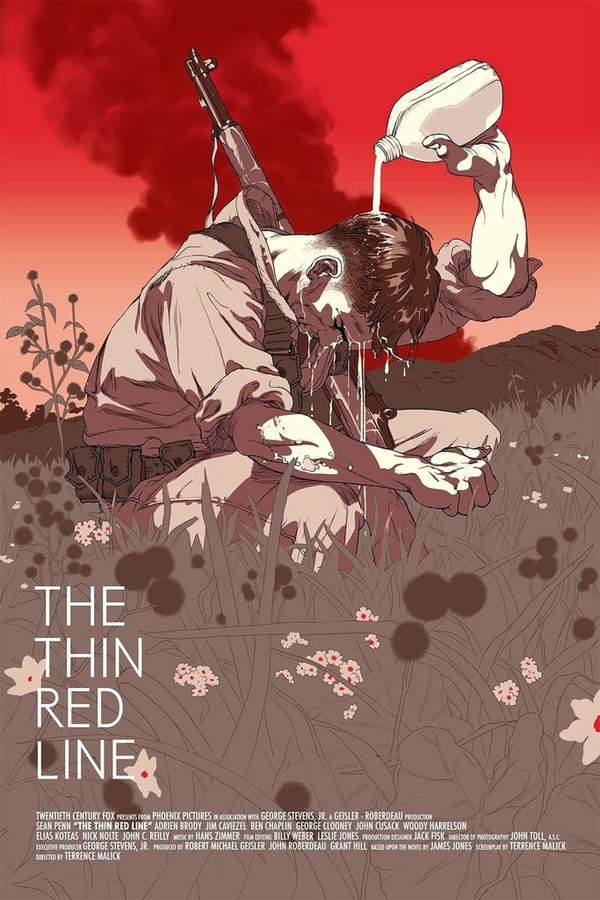
Claustrophobic tension movies like Ordinary People

Films where isolated settings amplify heavy moral and psychological pressure. Fans of the tense, isolated atmosphere in Ordinary People will find similar films here. These stories use confined settings to amplify moral dilemmas and psychological pressure, creating a raw and intimate viewing experience focused on character dynamics.

  • claustrophobic
  • tense
  • quiet
  • somber
  • psychological
  • uncomfortable
  • Tone: tense, melancholic, somber
  • Pacing: slow burn, deliberate
Why these movies?

The story pattern: The narrative unfolds primarily in one location, trapping characters both physically and psychologically. The conflict is driven by internal moral dilemmas and interpersonal friction, with a slow pacing that allows dread and tension to simmer. The focus is on character reactions under extreme duress.

Why they belong together: This thread groups films that share a specific atmospheric quality: the use of a confined setting to create palpable, quiet tension. They prioritize psychological realism over action, featuring heavy emotional stakes, straightforward narratives, and a somber, introspective mood.

If you liked this

Movies Like Ordinary People

Similar movies to Ordinary People: the same genre, themes or kind of story. Each one comes with its own plot summary, timeline and ending explained.

Browse all movie summaries

Every angle

Ordinary People (2009) Explained: Plot, Timeline & Characters

Everything about Ordinary People in one place: what happens in the plot summary, the timeline in chronological order, the characters and meaning and a spoiler-free summary. What's After the Movie adds the cast, box office and post-credit scenes.

Coming soon on iOS and Android

The Plot Explained Movie Summary App

Plot summaries, endings explained and timelines on your phone. Catch up on any movie in minutes, save your favorites and never miss a twist again.

Be the first to know when we launch. Your email stays private, always.

Learn more about the app