Plot Explained Spoilers guaranteed!
Plot Explained

Browse by genre

One Hundred Steps (2000) movie poster

Timeline

One Hundred Steps (2000) Timeline Explained – Every Event in Order

Release, runtime and language
2000 · 114 mins · Italian
Loading streaming availability…
Directed by
Marco Tullio Giordana
Starring
Aurora Quattrocchi, Luigi Lo Cascio, Antonino Bruschetta, Paola Pace, Claudio Gioè, Tony Sperandeo

Peppino Impastato, a sharp‑minded young man in 1970s Sicily, grows up near the mansion of local Mafia boss Tano Badalamenti—just a hundred steps away—despite his own family’s Mafia ties. Determined to challenge organized crime, he launches a pirate radio station, using satire and irony to broadcast political commentary and expose the mob’s activities.

On this page (6)
  1. 1 Where to watch
  2. 2 Events in order (14)
  3. 3 Timeline questions answered
  4. 4 Movie threads
  5. 5 Movies like One Hundred Steps
  6. 6 Every angle
Loading streaming availability…

14 events in order · contains spoilers

One Hundred Steps Timeline: Events in Chronological Order

Every key event of One Hundred Steps (2000) in order, scene by scene, with when and where it takes place. Use it to untangle flashbacks, time jumps and parallel storylines, to refresh your memory before the sequel or to find the exact scene you are thinking of.

  1. Childhood car ride to a family gathering

    The film opens with Peppino as a young child singing Nel blu, dipinto di blu in the back seat with his brother on the way to a family gathering. The scene establishes a warm, close-knit family life and a sense of pride in their standing within the community. Cinisi, Sicily serves as the backdrop for this early innocence.

    When
    early childhood
    Where
    Cinisi, Sicily
  2. Don Cesare is killed by a car bomb

    Soon after the gathering, Don Cesare Manzella is killed by a car bomb planted by a rival Mafia boss. The assassination shatters Peppino's innocence and makes clear the brutal reach of organized crime in his town. This event plants the seed for his later anti-Mafia activism.

    When
    soon after the family gathering
    Where
    Cinisi, Sicily
  3. Peppino meets Stefano Venuti and begins a political awakening

    After Cesare's funeral, Peppino seeks out Stefano Venuti, a local painter who is an outspoken Communist in Sicily. Stefano refuses to paint Cesare’s portrait but takes Peppino under his wing, guiding him toward political activism. The uneasy mentor-mentee relationship foreshadows the clash between art, politics, and crime.

    When
    shortly after funeral
    Where
    Cinisi, Sicily
  4. Peppino protests expropriation in his early 20s

    In his early 20s, Peppino protests with his Communist comrades against the government's expropriation of farmland to build an airport. The protests land him in the local jail, from which he is bailed out by his father. The episode marks a transition from street action to organized political resistance.

    When
    early 20s
    Where
    Cinisi, Sicily
  5. A controversial article deepens the rift with Stefano

    Peppino delivers a fierce article to a local propaganda outlet titled La Mafia è una montagna di merda. Stefano deems the piece too extreme and dangerous to publish, causing a decisive rift between the two men. The disagreement pushes Peppino further down a path of uncompromising anti-Mafia campaigning.

    When
    after protest
    Where
    Cinisi, Sicily
  6. Family tensions escalate and push Peppino away

    The fallout from the article strains Peppino's relationship with his father and the family becomes a site of conflict. Arguments intensify as Peppino's activism clashes with family expectations. He grows more isolated in his mission to expose corruption.

    When
    post-article
    Where
    Peppino's family home, Cinisi
  7. Radio Aut is born to fight the Mafia

    Peppino and friends launch Radio Aut, a radio station that condemns the Mafia and exposes Don Tano's drug trade. The medium becomes a powerful vehicle for their message, but it also escalates pressure on the family’s reputation. Their anti-Mafia crusade moves from the streets to the airwaves.

    When
    post-break with Stefano
    Where
    Cinisi, Sicily
  8. Mother shields him as the conflict peaks

    Peppino's mother shelters him and keeps him supplied with books, while his father presses him to stop. The tension culminates in Peppino being kicked out of the family home. The home becomes a battleground between loyalty and the call to resist.

    When
    during Radio Aut start
    Where
    Family home, Cinisi
  9. Luigi returns from America and tragedy follows

    Luigi, Peppino's father, returns from America after learning about potential opportunities and talks with Peppino about expanding their activism abroad. Soon afterward, Luigi is struck and killed by a car on his walk home from his restaurant. Peppino attends the funeral with a deliberate refusal to acknowledge his father's Mafia connections.

    When
    after returning from America
    Where
    Cinisi, Sicily / America
  10. Peppino runs for local office

    Peppino refuses to accept the Mafia's hold on his life and decides to run for a local office with a small leftist party, continuing his radio crusade. He grows more determined that he is not alone in resisting the corrupt system, even as he doubts the broader community's commitment. This marks a formal entry into electoral politics as part of his activism.

    When
    post-funeral
    Where
    Cinisi, Sicily
  11. The Mafia executes a brutal killing to silence him

    The Mafia opts for a final solution and ambushes Peppino by beating him, pulling him from his car at a railroad crossing, and tying him to the tracks with TNT. The murder demonstrates the brutal lengths to which they will go to silence dissent. Peppino's friends begin to realize something is terribly wrong.

    When
    May 9, 1978
    Where
    Railroad crossing near Cinisi
  12. Investigation and misdirection follow the killing

    When Peppino's friends search for him, the authorities dismiss the incident as terrorism, later labeling it a suicide due to Mafia influence. Public outrage grows, while his funeral becomes a demonstration of solidarity and a testament to his impact on the anti-Mafia movement. The case underscores the corruption surrounding the pursuit of justice.

    When
    immediate aftermath
    Where
    Cinisi, Sicily
  13. A funeral that galvanizes a community

    At Peppino's funeral, thousands rally to honor his anti-Mafia work and local activists remember his ten years of influence. The public outpouring confirms that his message lived on even after his violent death. The scene cements his legacy in Cinisi and beyond.

    When
    funeral day
    Where
    Cinisi, Sicily
  14. Justice comes decades later

    The case remains unresolved for years until 1997, when it is reopened and Gaetano Badalamenti is convicted of Peppino Impastato's murder. The conviction provides a long-awaited sense of justice for his supporters and vindication of his cause. The film closes by acknowledging this late accountability and its impact on memory.

    When
    1997
    Where
    Italy

Last updated: October 09, 2025 at 16:37

Was this helpful?

Timeline questions answered

One Hundred Steps Timeline Explained: Your Questions Answered

When does it happen, and why in that order? The questions people ask about the chronology of One Hundred Steps (2000): time jumps, flashbacks, cause and effect between scenes and the correct order of events, each answered with spoilers.

Q1

Why did Peppino Impastato become an anti-Mafia activist?

Peppino's transformation into an anti-Mafia activist began when he was a child witnessing his uncle, Don Cesare Manzella (the local Mafia boss), killed by a car bomb planted by a rival mob. This brutal assassination shattered his innocence and directly exposed him to the violence of organized crime in Cinisi, planting the seed for his lifelong confrontation with the Mafia.

  • pepimpastato
  • don cesare
  • car bomb
  • childhood trauma
  • sicily
  • mafia violence
Q2

Why did Stefano Venuti refuse to publish Peppino's article about the Mafia?

Stefano Venuti, Peppino's mentor and a local Communist painter, refused to publish Peppino's article titled 'La Mafia è una montagna di merda' (The Mafia is a mountain of shit) because he deemed it too radical and dangerous to publish. The piece would have directly attacked Mafia corruption and put Peppino at serious risk, causing a decisive rift between them as Peppino pursued an uncompromising path of anti-Mafia campaigning.

  • stefano venuti
  • radio aut
  • communist
  • censorship
  • manifesto
Q3

Why did Peppino's father Luigi go to America?

Luigi Impastato traveled to America after tensions escalated between him and Peppino over the latter's increasingly dangerous anti-Mafia activism. The trip was an attempt to find a different path for the family, possibly to distance Peppino from his radical activities or to seek opportunities that would allow them to leave the dangerous environment of Cinisi.

  • luigi impastato
  • america
  • family conflict
  • emigration
Q4

How did Peppino's father Luigi die?

Shortly after returning from America, Luigi Impastato was struck by a car while walking home from his restaurant in Cinisi. The circumstances of his death remain ambiguous in the narrative, whether it was a deliberate Mafia act or a tragic accident is not explicitly confirmed, though it occurs amid the escalating conflict surrounding Peppino's anti-Mafia work.

  • luigi impastato
  • death
  • car accident
  • father
Q5

What was Radio Aut and why was it important?

Radio Aut was a pirate radio station that Peppino and his friends launched to directly confront the Mafia in Cinisi. The station served as a powerful platform to denounce Mafia activities, expose Don Tano Badalamenti's drug trade, and broadcast political commentary. It represented a significant escalation in Peppino's activism, moving from street protests to using media to reach a broader audience.

  • radio aut
  • pirate radio
  • don tano badalamenti
  • drug trade
  • anti-mafia media
Q6

How did Peppino's mother Felicia help his activism?

While Peppino's father pressured him to stop his anti-Mafia activities and eventually kicked him out of the family home, his mother Felicia secretly supported him. She brought him books and provided shelter, enabling him to continue his work with Radio Aut despite being exiled from the family house.

  • felicia impastato
  • mother
  • family support
  • books
  • shelter
Q7

How was Peppino Impastato murdered?

On May 9, 1978, the Mafia carried out a calculated execution. Peppino was ambushed by men who beat him, pulled him from his car at a railroad crossing near Cinisi, tied him to the tracks, and detonated TNT. The killers then staged the scene to suggest suicide or terrorism, attempting to obscure the true nature of the murder.

  • may 9 1978
  • railroad
  • tnt
  • murder
  • staged scene
Q8

Why did police classify Peppino's death as suicide?

The police, under pressure from the Mafia, initially classified the death as terrorism and later as suicide rather than acknowledging it as a Mafia killing. This deliberate misclassification was part of the systemic corruption that protected the Mafia's interests, allowing the killers to evade immediate justice despite overwhelming evidence of murder.

  • police corruption
  • suicide classification
  • terrorism
  • mafia influence
  • justice obstruction
Q9

Why did Peppino run for local office?

After his father's death and increasing isolation, Peppino Impastato decided to run for local office with a small leftist party as a way to formally challenge the Mafia's grip on Cinisi's political system. This move represented his transition from underground activism to electoral politics, combining his radio crusade with a bid for legitimate political power.

  • local election
  • leftist party
  • political activism
  • electoral politics
Q10

What happened at Peppino's funeral?

Peppino's funeral drew thousands of mourners who gathered to honor his decade of anti-Mafia work. The massive turnout transformed the funeral into a powerful demonstration of solidarity and public support for his cause. Despite the Mafia's attempt to silence him, the funeral confirmed the widespread impact of his activism and kept his message alive.

  • funeral
  • thousands
  • solidarity
  • community support
  • legacy
Q11

When was Gaetano Badalamenti convicted for Peppino's murder?

Gaetano Badalamenti, the Mafia boss responsible for ordering Peppino's murder, was finally convicted and sentenced to life imprisonment in 1997, nearly two decades after the killing. The reopening of the case in 1997 brought long-awaited justice, providing closure to Peppino's family and supporters.

  • gaetano badalamenti
  • 1997
  • conviction
  • life sentence
  • justice
Q12

Why was Peppino's family situation with the Mafia complicated?

Peppino grew up in a family with existing Mafia connections, his uncle Don Cesare was the local Mafia boss, and his family lived just a hundred steps from Tano Badalamenti's mansion. Despite these ties, Peppino chose to defy the criminal organization that controlled his town, creating an irreconcilable conflict with family expectations and leading to his eventual expulsion from the family home.

  • family ties
  • mafia connections
  • badalamenti
  • conflict
  • betrayal

Movie threads

More Movies Like One Hundred Steps, by Mood & Story

Curated lists built around what makes One Hundred Steps tick: the same mood, the same kind of story or the same emotional payoff. Each list explains why these movies belong together.

Movies about individuals standing against corruption like One Hundred Steps

Stories of singular courage where one person risks everything to expose a corrupt power. If you were inspired by the courage in One Hundred Steps, explore more movies about lone activists and whistleblowers. These films feature similar stories of individuals risking everything to challenge corrupt systems, offering tense, defiant dramas with high emotional stakes.

  • defiant
  • tense
  • urgent
  • resolute
  • gritty
  • somber
  • Tone: defiant, tense, tragic
  • Pacing: steady, deliberate
Why these movies?

The story pattern: The narrative pattern follows a resolute individual who uncovers a deep-seated injustice and chooses to fight it, often alone or with minimal support. The conflict escalates as the powerful system pushes back, creating a tense trajectory of rising danger and unwavering personal commitment, frequently leading to tragic or bittersweet conclusions.

Why they belong together: Movies in this thread are grouped by their core theme of individual defiance against institutional evil. They share a dark, tense tone, heavy emotional weight, and a focus on the psychological and physical toll of activism, creating a cohesive experience of high-stakes moral courage.
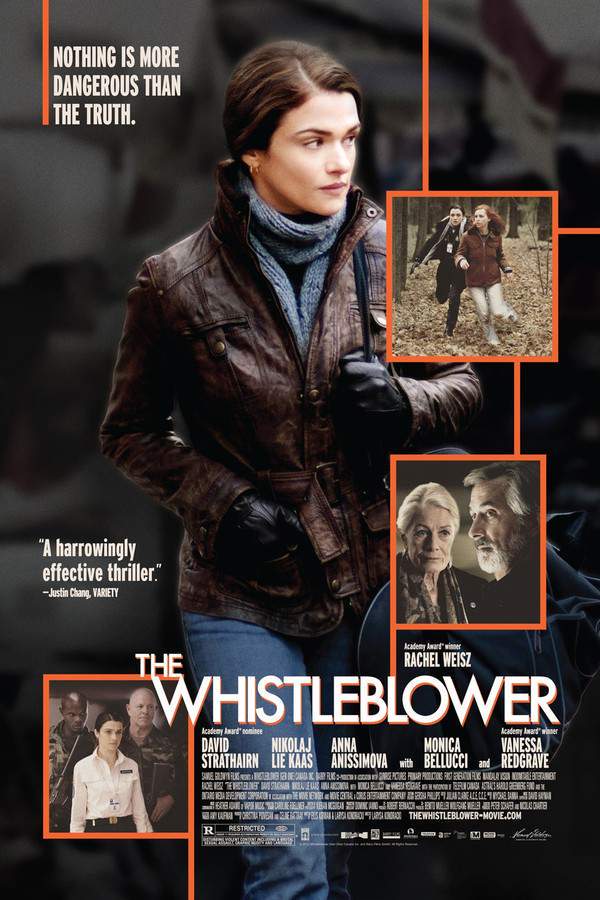
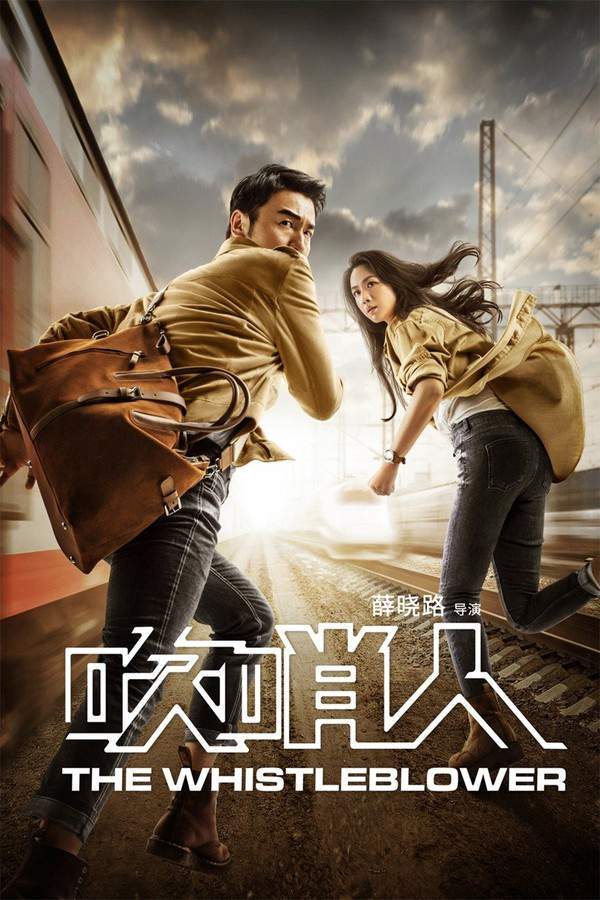
True story tragic dramas with high tension like One Hundred Steps

Fact-based dramas where a relentless pursuit of justice leads to a somber, impactful ending. For viewers who appreciated the true story and somber mood of One Hundred Steps, this list curates similar biographical dramas. These movies are based on real events and share a steady pace, dark tone, and a ultimately sad ending that underscores the cost of principle.

  • somber
  • tragic
  • tense
  • gritty
  • historical
  • urgent
  • Tone: dark, somber, respectful
  • Pacing: steady, chronological
Why these movies?

The story pattern: These narratives follow a linear, straightforward chronology from a defining incident to a fateful conclusion. The emotional journey is one of building defiance and escalating risk, anchored in historical truth. The ending, while sad, often carries a note of posthumous victory or lasting legacy, adding a layer of bittersweet resonance to the primary tragedy.

Why they belong together: These films are united by their basis in true events, a dark and tense atmosphere, and a narrative arc that builds steadily towards a tragic ending. They share a heavy emotional weight and a sobering tone, making them cohesive for viewers seeking impactful, fact-based stories.

If you liked this

Movies Like One Hundred Steps

Similar movies to One Hundred Steps: the same genre, themes or kind of story. Each one comes with its own plot summary, timeline and ending explained.

Browse all movie summaries

Every angle

One Hundred Steps (2000) Explained: Plot, Timeline & Characters

Everything about One Hundred Steps in one place: what happens in the plot summary, the timeline in chronological order, the characters and meaning and a spoiler-free summary. What's After the Movie adds the cast, box office and post-credit scenes.

Coming soon on iOS and Android

The Plot Explained Movie Summary App

Plot summaries, endings explained and timelines on your phone. Catch up on any movie in minutes, save your favorites and never miss a twist again.

Be the first to know when we launch. Your email stays private, always.

Learn more about the app