
October 1
Year: 2014
Runtime: 148 mins
Language: English
September 1960. As Nigeria prepares for independence from the British, a seasoned police detective rushes to find the serial killer slaughtering its native young women.
Warning: spoilers below!
Haven’t seen October 1 yet? This summary contains major spoilers. Bookmark the page, watch the movie, and come back for the full breakdown. If you're ready, scroll on and relive the story!
Timeline – October 1 (2014)
Trace every key event in October 1 (2014) with our detailed, chronological timeline. Perfect for unpacking nonlinear stories, spotting hidden connections, and understanding how each scene builds toward the film’s climax. Whether you're revisiting or decoding for the first time, this timeline gives you the full picture.
Last updated: October 09, 2025 at 16:05
October 1 (2014) Timeline Questions Answered – Chronology FAQ
Find frequently asked questions about the October 1 (2014) timeline, including chronological order, nonlinear jumps, cause-and-effect links, and scene sequence clarifications. This timeline FAQ helps explain when key events happen, how moments connect, and why the story unfolds in that specific order.
Why is Prince Aderopo the serial killer?
Prince Aderopo is revealed as the serial killer because he was sexually abused by Reverend Dowling, the village priest, throughout his childhood. This trauma, combined with his desire to reclaim power and control, drove him to target young women, with Tawa being his intended sixth victim. The abuse created a cycle of violence that Aderopo acted out on others.
Aderopo and Agbekoya both received scholarships from Dowling, hinting at a deeper connection between them.
How did Inspector Waziri identify Prince Aderopo as the killer?
Waziri identified Aderopo through multiple clues: he noticed Aderopo's behavior at the market, connected Aderopo and Agbekoya to the same scholarship from Reverend Dowling, and learned from Tawa about their shared history. When Agbekoya revealed that Dowling had molested both him and Aderopo, Waziri understood the motive behind the killings and realized Aderopo was reenacting his trauma.
The market scene shows Waziri studying Aderopo's body language for signs of guilt.
Why did Prince Aderopo target Tawa?
Aderopo targeted Tawa because she represented his childhood innocence before the abuse began. By targeting her as his sixth victim, Aderopo was attempting to complete a cycle that began with his own violation. The hideout invitation was a trap designed to recreate and complete the traumatic experience he endured.
Aderopo invites Tawa to their renovated childhood hideout during the independence celebration.
What was the connection between Reverend Dowling and the murders?
Reverend Dowling, the village priest, sexually abused both Prince Aderopo and Agbekoya during their childhoods after offering them scholarships. This abuse created deep psychological trauma that later manifested in Aderopo's killing spree. The murders were a twisted reenactment of the power dynamic Dowling imposed on him, directed at other young women.
Both Aderopo and Agbekoya received the same scholarship from Dowling, establishing their shared connection.
What was the significance of the whistle clue?
When Okafor and his tribesmen captured a traveling Hausa man they believed was the killer, the accused man repeatedly stated his innocence. He told Waziri that the real killer was whistling a distinctive tune as he committed the murders. This clue pointed to someone with a unique characteristic rather than the innocent Hausa man.
The whistle serves as an auditory signature that could identify the true killer.
How did Corporal Omolodun die?
Corporal Omolodun was killed while trailing the killer along a bush path near Akote. After an Igbo girl's body was discovered, Omolodun followed the killer's trail but was ambushed and murdered. His death demonstrated the danger of pursuing the serial killer and temporarily derailed the investigation.
Omolodun's appointment followed Afonja's suspension, placing him directly in the killer's path.
Why did Okafor kill the Hausa man?
Okafor, whose daughter was one of the victims, led his fellow tribesmen to capture a traveling Hausa man they claimed was the killer. During the transfer to custody, Okafor hurled a machete at the detainee, striking a fatal blow. Despite the man's repeated assertions of innocence, Okafor sought vengeful mob justice rather than allowing the legal process to continue.
Okafor's tribesmen had captured the Hausa man, presenting him as the killer.
What did Baba Ifa warn about the killings?
Baba Ifa, the chief priest, warned Waziri and Afonja that the killings would continue until the killer was satisfied. He framed the violence as a ritual-driven cycle rooted in tradition. His warning highlighted the intersection between spiritual beliefs and the criminal investigation, though he was later arrested by Waziri.
The warning foreshadows that the killer's motives are deeply psychological and connected to unfinished business.
Why is Prince Aderopo admired in Akote?
Prince Aderopo is admired as the village's first university graduate, representing progress and hope for the community. His education, funded by Reverend Dowling's scholarship, positioned him as a symbol of advancement in the colonial era. This status made him seemingly above suspicion despite being the killer.
The bar scene establishes Aderopo's prominence and social standing among villagers.
How was Waziri attacked by the killer?
After a public celebration marking what appeared to be case closure, Waziri was assaulted by the killer while recovering at Afonja's home. Initially drunk and unable to identify his attacker, Waziri gradually recovered and began to recall the killer's face. This assault rekindled his determination to solve the actual case.
The attack occurs immediately after Waziri believed the case was solved.
Why did the murders stop after Aderopo was caught?
The murders stopped because Waziri and Afonja intervened at the hideout before Aderopo could kill Tawa as his sixth victim. By rescuing Tawa and stopping Aderopo, they broke the cycle of violence. However, Aderopo was never publicly identified as the killer, so the community believed the threat had passed.
Baba Ifa had warned the killings would continue until the killer was satisfied.

Explore Movie Threads
Discover curated groups of movies connected by mood, themes, and story style. Browse collections built around emotion, atmosphere, and narrative focus to easily find films that match what you feel like watching right now.
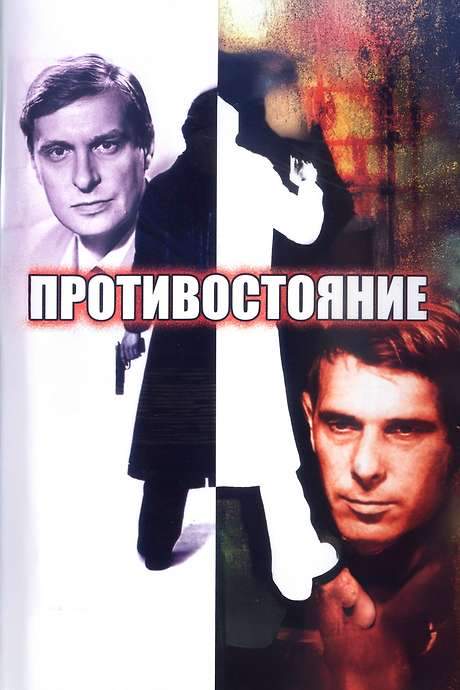
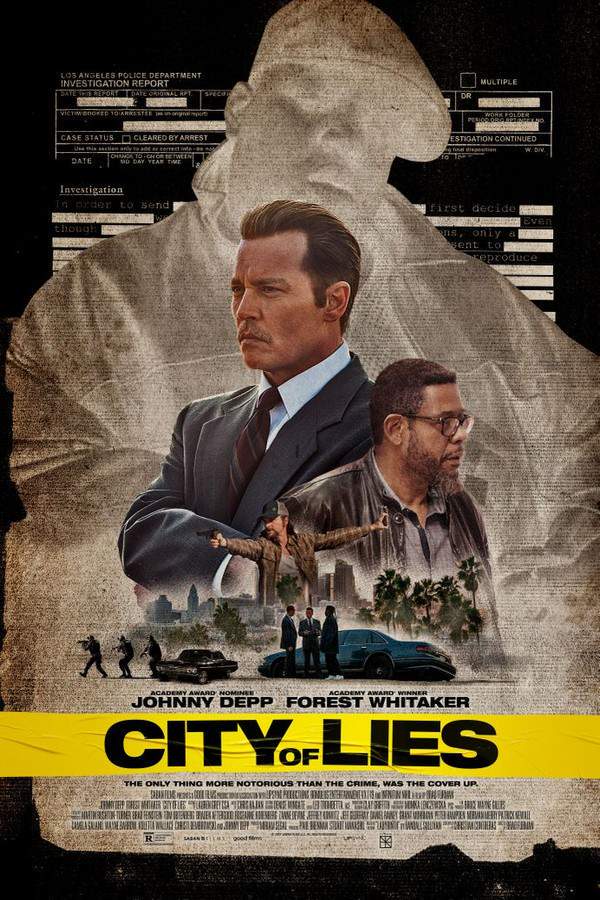
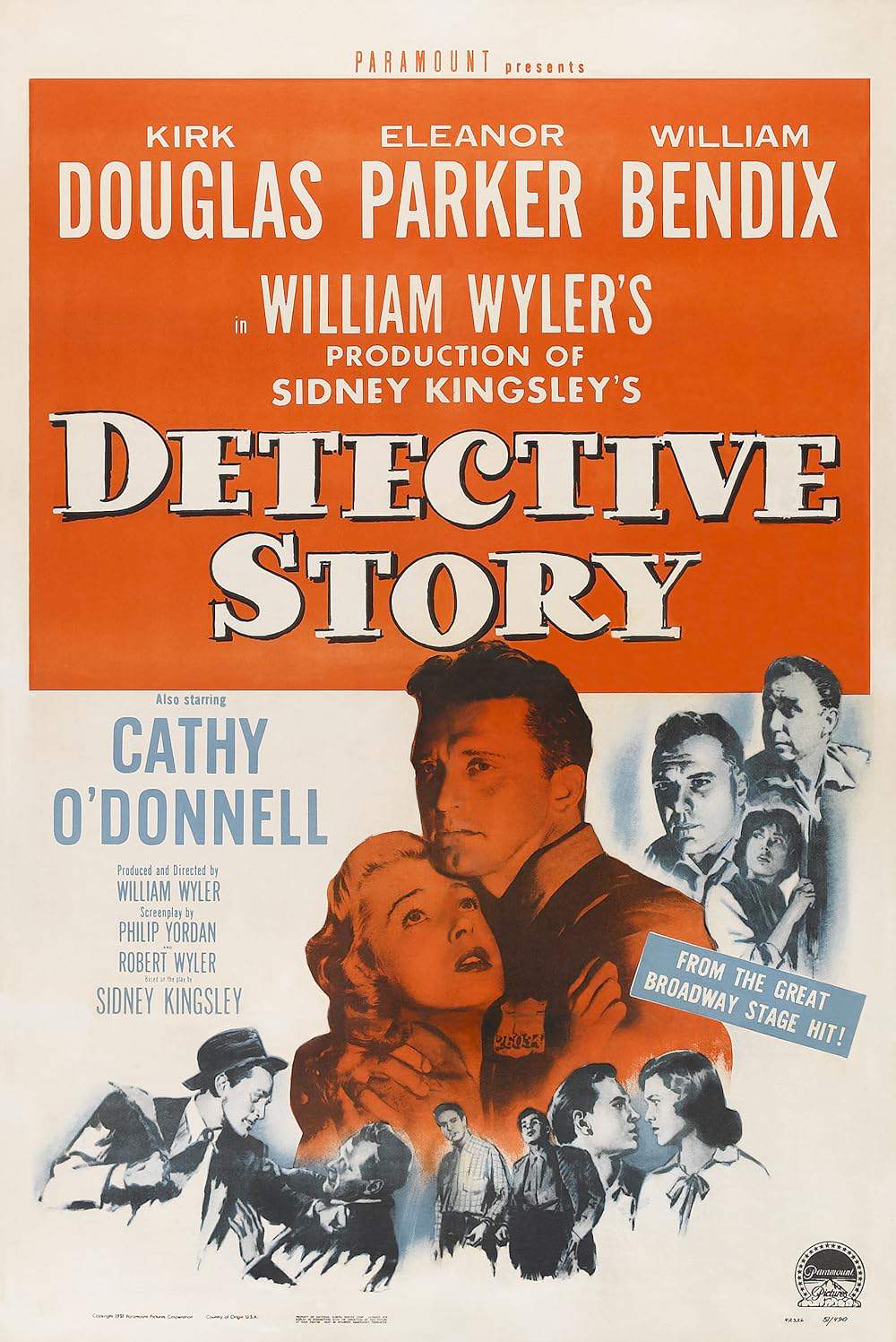
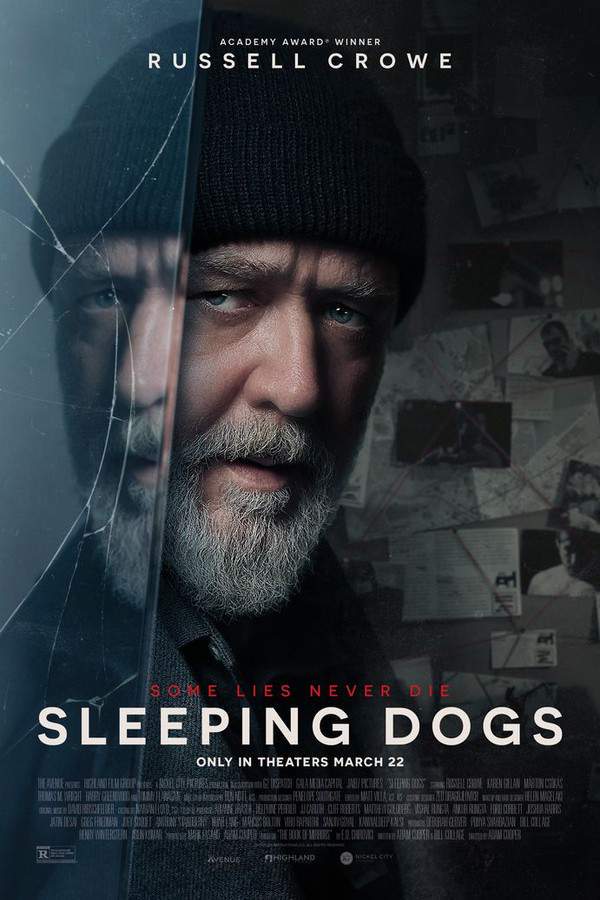
Historical crime thrillers like October 1
Tense detective stories set against pivotal moments in history.If you liked the tense, methodical investigation set against Nigeria's independence in October 1, you'll find similar movies here. These gritty crime stories use a pivotal historical moment as a backdrop, weaving political tension and social trauma into a suspenseful procedural narrative.



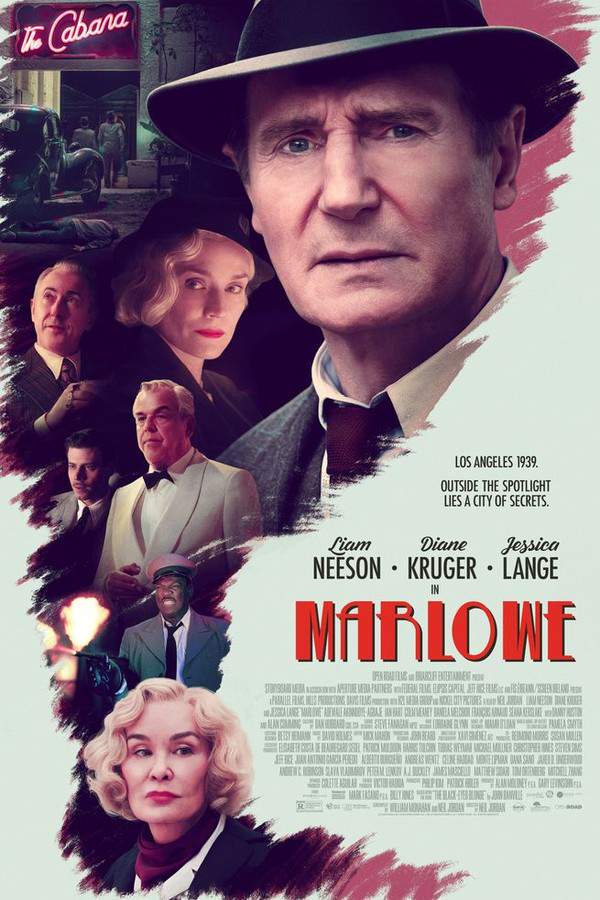
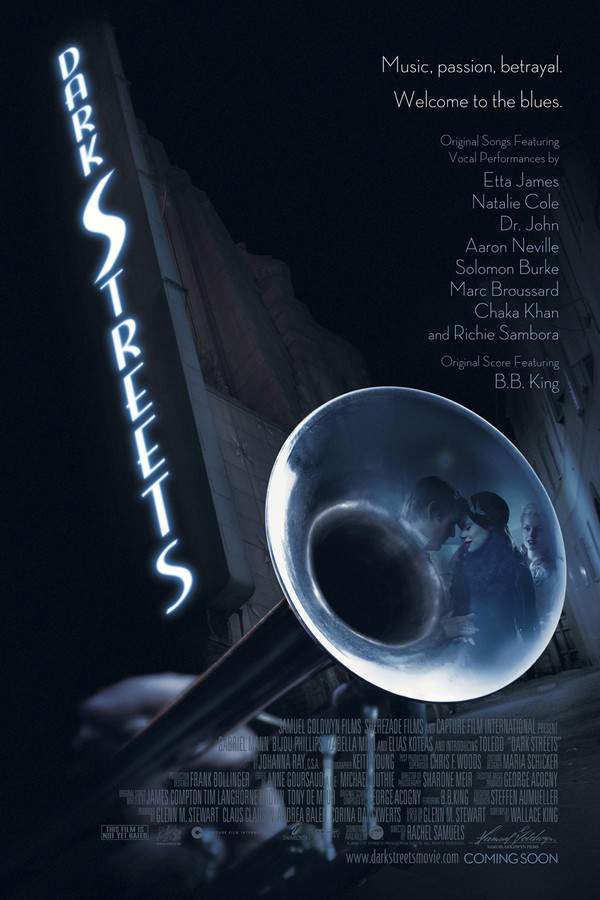

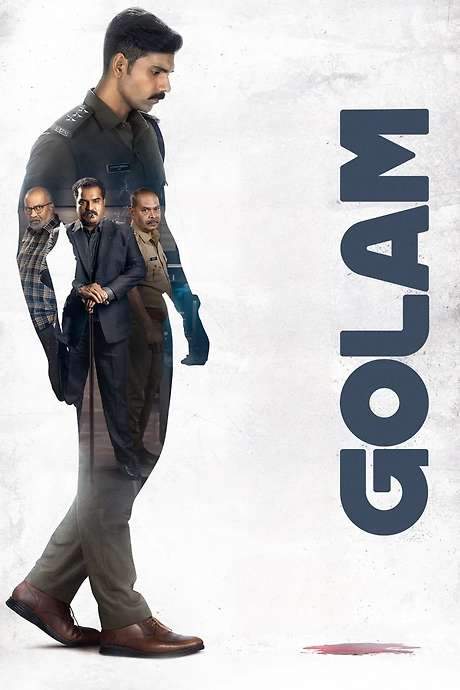

Narrative Summary
A dedicated investigator, often facing systemic obstacles, works to solve a crime that reflects the larger anxieties and conflicts of a society in transition. The narrative unfolds methodically, revealing clues that connect the personal tragedy to national-scale issues, often leading to a resolution that is morally complicated rather than purely triumphant.
Why These Movies?
Movies in this thread share a compelling mix of a steady-paced, suspenseful investigation with a rich historical context. They are grouped for their ability to use a crime procedural as a lens to examine societal change, political unrest, and historical trauma, creating a gripping and intellectually stimulating experience.
Movies with bittersweet justice like October 1
Stories where solving the crime offers little comfort or closure.For viewers who appreciated the complex, morally fraught ending of October 1, this section features movies where justice is incomplete or sacrificed. These heavy dramas and thrillers explore the difficult choices between truth and order, often resulting in a bittersweet or bleak conclusion.

The Verdict
1946

Black Angel
1946

I, the Jury
1953
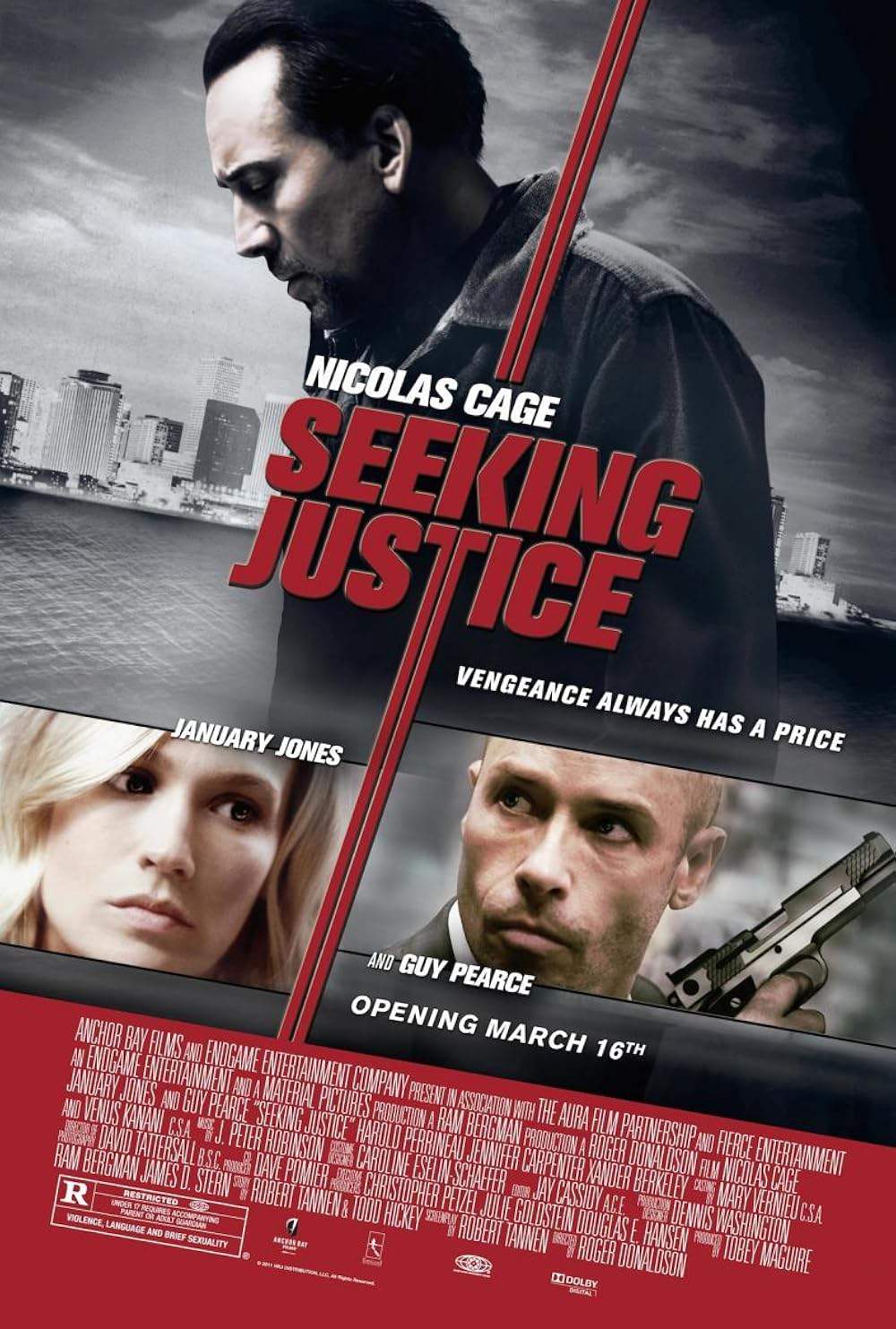
Seeking Justice
2012

The Buckingham Murders
2023

Señorita Justice
2004
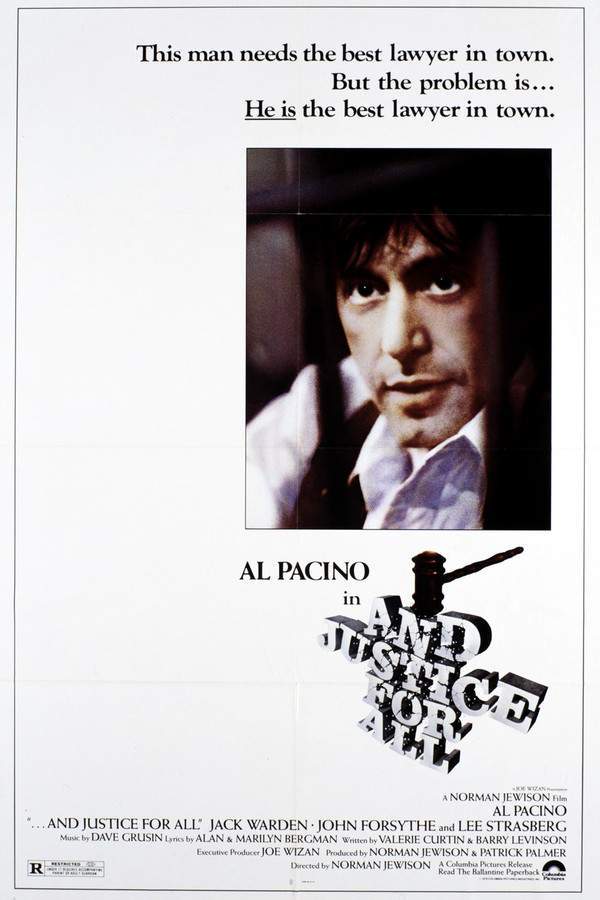
...and justice for all.
1979

Black Widow
1954

The Long Memory
1953

The Heavy Hand of the Law
2017

Revanche
2009
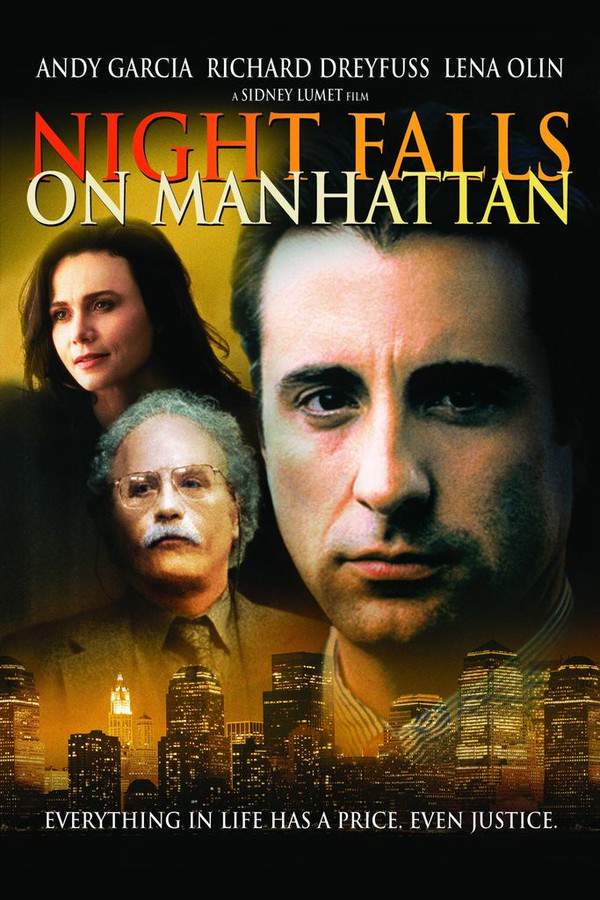
Night Falls on Manhattan
1997

I, the Jury
1982

The Stoneman Murders
2009

Troubled Water
2021
Narrative Summary
The story follows a protagonist seeking truth or vengeance, only to discover that achieving a clear-cut victory is impossible. The climax involves a difficult choice or a revelation that forces a compromise, resulting in an ending that stops the immediate threat but fails to heal the underlying wounds or provide full accountability, leaving a profound emotional residue.
Why These Movies?
These films are united by their exploration of imperfect justice and the emotional weight of unresolved trauma. They resonate with viewers who appreciate narratives that reject simple happy endings, instead offering a more realistic and thought-provoking conclusion about the complexities of morality and closure.
Unlock the Full Story of October 1
Don't stop at just watching - explore October 1 in full detail. From the complete plot summary and scene-by-scene timeline to character breakdowns, thematic analysis, and a deep dive into the ending - every page helps you truly understand what October 1 is all about. Plus, discover what's next after the movie.
October 1 Summary
Read a complete plot summary of October 1, including all key story points, character arcs, and turning points. This in-depth recap is ideal for understanding the narrative structure or reviewing what happened in the movie.

Characters, Settings & Themes in October 1
Discover the characters, locations, and core themes that shape October 1. Get insights into symbolic elements, setting significance, and deeper narrative meaning - ideal for thematic analysis and movie breakdowns.


