Plot Explained Spoilers guaranteed!
Plot Explained

Browse by genre

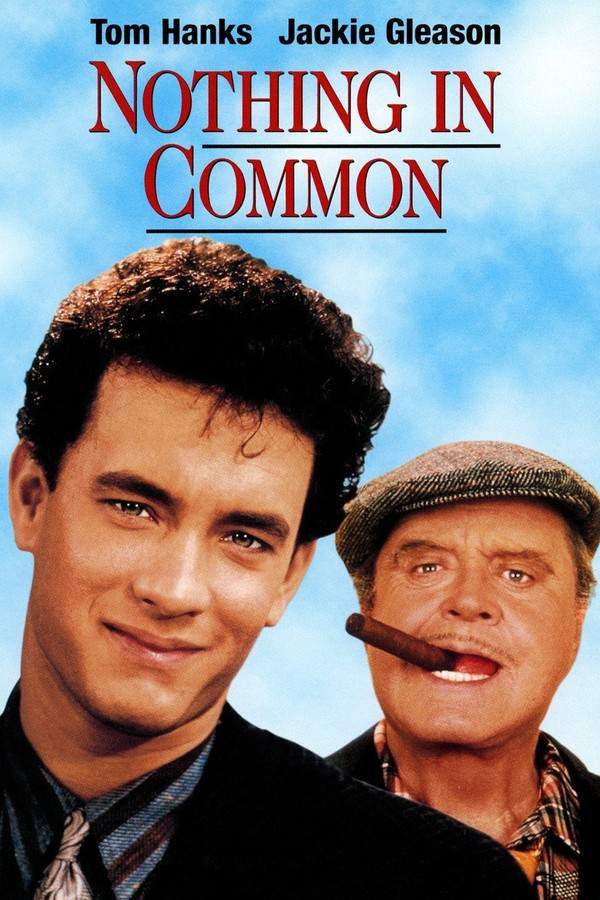
Nothing in Common (1986) movie poster

Plot Summary

Nothing in Common (1986) Plot Summary Explained

Release, runtime and language
1986 · 118 min · English
Loading streaming availability…
Directed by
Garry Marshall
Starring
Tom Hanks, Jackie Gleason, Eva Marie Saint

A successful advertising executive's world is thrown into turmoil when his parents announce they are separating after 36 years of marriage. Forced to mediate between his parents and their conflicting needs, he finds his own carefully constructed life increasingly difficult to manage. Balancing demanding career ambitions with unexpected family obligations, David must re-evaluate his definition of success and the compromises required to maintain relationships.

On this page (6)
  1. 1 Where to watch
  2. 2 What happens: full plot
  3. 3 Plot questions answered
  4. 4 Movie threads
  5. 5 Movies like Nothing in Common
  6. 6 Every angle
Loading streaming availability…

Full plot summary · contains spoilers

What Happens in Nothing in Common: Full Plot Summary

The whole story of Nothing in Common (1986) explained, from the opening scene to the final frame: every key event, every twist and what it all adds up to. Read it as a quick recap before the sequel, to check a scene you missed, or to finally understand what really happened.

As David Basner (Tom Hanks) returns to his bustling Chicago ad agency following a vacation, he is compelled to confront the stark realities of his family life. His parents, Lorraine and Max, have faced separation after a long 36-year marriage, thrusting David into the role of caretaker for his aging father and emotionally fragile mother. The situation worsens with the alarming news of Max’s recent dismissal from his job in the garment industry, adding to an already tumultuous atmosphere.

Simultaneously, David's personal life is in disarray. His superficial and immature yuppie persona has branded him a playboy, leaving him grappling with the challenges of adulthood. When his ex-girlfriend Donna (Eva Marie Saint) tries to impart some much-needed wisdom, suggesting he should "grow up," David hesitates; he fears that maturing might jeopardize his playful lifestyle and affect his career in advertising.

Complicating matters further, David gets embroiled in a high-stakes project for Colonial Airlines, managed by the ruthless Andrew Woolridge. In the midst of this, he forms a physical relationship with Woolridge’s daughter, Cheryl Ann Wayne. Aware of David's frivolous ways, Max expresses his disapproval, creating tension between them.

As David's parents increasingly lean on him for support, the demands of his work intensify. He juggles the responsibilities of helping his mother, who is moving into a new apartment, and driving his father to medical appointments. The situation escalates when his mother reveals that Max has been both unfaithful and emotionally abusive throughout their marriage.

During a heartfelt confrontation with his father, David admits that he feels he's "faking it" while working on an ad campaign promoting the ideal of a loving family. The realization leaves him feeling detached from both his work and his parents.

In an effort to reconnect with Max, David takes him to a jazz club, only to uncover the dire nature of his father's health issues. A diagnosis of diabetes that necessitates amputation leaves David feeling overwhelmed with regret for his past behavior.

As his personal struggles pile on, David must face the harsh truths within his family's dynamics while striving to balance his professional aspirations. When Woolridge demands that David accompany him to New York to unveil the new ad campaign, David finds himself at a crossroads, facing choices with profound implications for his career.

Ultimately, David seeks solace in Donna, and it becomes evident that their shared bond is rekindling. As they tackle the intricacies of adulthood together, David appears to be on the journey toward maturity and accountability in his life.

Amidst these transitions, as David carefully guides Max into the world beyond the confines of the hospital, their evolving relationship emphasizes the unlikeliest of friendships. The partnership they establish radiates warmth, forged by their trials and showcased in their participation at the commercial production studio. Max's delicate presence starkly contrasts the vibrant energy of the film industry, demonstrating the strength they both derive from this unexpected bond. This partnership proves to be both touching and poignant, navigating the complexities of their unique situation together.

Last updated: November 19, 2024 at 20:31

Was this helpful?

Plot questions answered

Nothing in Common Plot Explained: Your Questions Answered

The questions people ask most about Nothing in Common (1986): what happens in the confusing scenes, why the characters do what they do, the twists, hidden details and what the ending means. Each answer contains spoilers.

Q1

Why did David's parents separate after 36 years of marriage?

Lorraine and Max separated after 36 years because Lorraine revealed that Max had been both unfaithful and emotionally abusive throughout their entire marriage. This revelation shocked David, as he had not understood the true dynamics of his parents' relationship. The separation forced David into the difficult role of mediator and caretaker for both his aging father and emotionally fragile mother.

Foreshadowing: Earlier scenes show the family maintaining a polite facade, hinting at underlying tensions that were not immediately visible.

  • lorraine
  • max
  • separation
  • divorce
  • marriage
  • infidelity
  • abuse
Q2

Why did Max lose his job in the garment industry?

Max was fired from his job in the garment industry. The exact reason for his dismissal is not detailed in the summary, but it occurs amid the family turmoil following the separation. This job loss adds to Max's vulnerability and increases David's financial and emotional burden as he tries to support both parents.

Foreshadowing: The job loss coincides with the family's announcement of separation, suggesting Max's personal issues were affecting his work.

  • max
  • job
  • garment
  • unemployment
  • lost job
  • laid off
Q3

What did David's mother reveal about Max?

David's mother Lorraine revealed that Max had been unfaithful and emotionally abusive throughout their 36-year marriage. This shocking revelation fundamentally changed David's understanding of his father and his parents' relationship. The discovery adds emotional complexity to David's caregiving responsibilities and his eventual reconciliation with Max.

Foreshadowing: Lorraine's emotional fragility and the tension between the parents hint at deeper problems beneath the surface of their marriage.

  • lorraine
  • max
  • abuse
  • infidelity
  • marriage
  • revelation
  • emotional abuse
Q4

Why does David say he's 'faking it' at work?

David admits to feeling like he is 'faking it' while working on an ad campaign that promotes the ideal of a loving family. The irony strikes him because his own family is falling apart, he is mediating his parents' separation while dealing with his father's job loss and health issues. This realization makes him feel detached and hypocritical about the professional work he is doing.

Foreshadowing: Earlier scenes show David promoting family-oriented advertising while his personal life deteriorates, creating an obvious contradiction.

  • david
  • work
  • advertising
  • faking
  • family
  • campaign
  • irony
Q5

Why does David's relationship with Cheryl create tension?

David begins a physical relationship with Cheryl Ann Wayne, the daughter of Andrew Woolridge, who is David's boss on the high-stakes Colonial Airlines project. Max disapproves of the relationship, knowing Cheryl is aware of David's frivolous and playboy reputation. The relationship complicates David's professional life and creates additional tension with his father, who sees it as another example of David's immaturity.

Foreshadowing: Max's disapproval is established early when he learns about David's reputation, foreshadowing the conflict that arises with Cheryl.

  • cheryl
  • woolridge
  • relationship
  • affair
  • work
  • father
  • disapproval
Q6

What serious health issue does Max face?

Max is diagnosed with diabetes during a visit to the doctor after David takes him to a jazz club. The condition is severe enough that the doctor indicates Max may need an amputation. This devastating news profoundly affects David, filling him with regret for his past behavior and strengthening his commitment to care for his father.

Foreshadowing: The trip to the jazz club serves as a turning point where Max's declining health becomes undeniable, setting up the serious diagnosis.

  • max
  • diabetes
  • health
  • amputation
  • diagnosis
  • jazz club
  • medical
Q7

Why does David decide to pursue a relationship with Donna?

David rekindles his relationship with Donna, his ex-girlfriend, because she had earlier challenged him to 'grow up' and take responsibility for his life. As David matures through caring for his father and facing the realities of adulthood, he realizes Donna's wisdom was correct. Their shared understanding of adulthood's complexities creates a foundation for genuine connection, contrasting with David's previous superficial relationships.

Foreshadowing: Donna's initial advice about growing up plants the seed for David's transformation and eventual return to her.

  • donna
  • david
  • relationship
  • rekindled
  • growth
  • maturity
  • ex-girlfriend
Q8

How does David change by the end of the movie?

By the end of the movie, David undergoes significant personal growth. He evolves from a superficial, immature playboy into a responsible adult capable of balancing career demands with family obligations. He reconciles with his father, helps Max navigate his medical challenges, and embraces maturity by pursuing a genuine relationship with Donna. His transformation is complete when he no longer feels like he is 'faking it' but genuinely engages with both his work and personal life.

Foreshadowing: David's journey from avoiding responsibility to actively caregiving for Max demonstrates his gradual transformation throughout the film.

  • david
  • growth
  • transformation
  • maturity
  • father
  • reconciliation
  • personal development
Q9

Why is David caught in the middle of his parents' conflict?

David becomes trapped between his separated parents because both Lorraine and Max lean on him for support during the crisis. His mother needs help moving into a new apartment, while his father requires transportation to medical appointments and eventually hospitalization. Additionally, David must mediate between their conflicting emotional needs, placing him in an impossible caretaker role while also managing his demanding career.

Foreshadowing: The film establishes early on that David's professional life is already demanding, setting up the conflict when family obligations multiply.

  • david
  • parents
  • caretaker
  • conflict
  • mediator
  • lorraine
  • max
  • obligations
Q10

Why does Andrew Woolridge demand David travel to New York?

Andrew Woolridge insists that David accompany him to New York to unveil the new Colonial Airlines ad campaign. This creates a critical crossroads for David because it requires him to choose between his demanding career and his mounting family responsibilities. The demand forces David to reevaluate his priorities and ultimately choose his father's health over professional advancement.

Foreshadowing: The high-stakes nature of David's work is established early, making the New York demand a significant test of his values.

  • woolridge
  • colonial airlines
  • new york
  • ad campaign
  • demand
  • work
  • carrer

Movie threads

More Movies Like Nothing in Common, by Mood & Story

Curated lists built around what makes Nothing in Common tick: the same mood, the same kind of story or the same emotional payoff. Each list explains why these movies belong together.

Movies about Midlife Reckonings like Nothing in Common

Personal growth sparked by unexpected family crises in adulthood. If you liked Nothing in Common, you'll find similar stories in this thread about successful adults facing unexpected family responsibilities. These movies explore the themes of work-life balance, parental illness, and marital separation that force a character to grow up later in life. They are heartfelt dramedies that blend emotional challenges with hopeful personal transformations.

  • reflective
  • melancholic
  • hopeful
  • warm
  • cathartic
  • introspective
  • Tone: bittersweet, reflective
  • Pacing: steady, character-driven
Why these movies?

The story pattern: The narrative pattern follows a protagonist whose controlled life is disrupted by a family emergency. This disruption forces them to mediate between conflicting relatives, manage their own crumbling facade of success, and ultimately learn that true maturity involves embracing responsibility and emotional connection over pure ambition.

Why they belong together: These films are grouped together because they share a focus on adult characters undergoing a 'second coming-of-age.' They balance the bittersweet realities of aging parents and broken marriages with a steady, character-driven pace, resulting in a medium-intensity emotional journey that is more reflective than explosive.

Bittersweet Family Dramedies like Nothing in Common

Stories where painful family truths lead to heartfelt healing. Viewers who enjoyed the mix of humor and heartache in Nothing in Common will appreciate this collection of movies. These stories feature dysfunctional families confronting long-held secrets and emotional wounds, leading to a cathartic and hopeful resolution. They are perfect for those seeking films that feel authentic, emotionally nuanced, and ultimately uplifting.

  • bittersweet
  • warm
  • cathartic
  • hopeful
  • funny-sad
  • heartfelt
  • Tone: bittersweet, warm, hopeful
  • Pacing: steady, conversational
Why these movies?

The story pattern: The emotional journey typically begins with a family secret or crisis coming to light, disrupting the status quo. Characters are forced to confront past grievances and present failures. Through a series of challenging but often humorous interactions, they slowly break down defenses, leading to a reconciliation that feels hard-won and authentically hopeful.

Why they belong together: These movies share a specific tonal blend: they are bittersweet at their core, balancing genuine sadness with warmth and humor. The pacing is steady, allowing character relationships to develop naturally, and the emotional weight is medium, making the stories impactful without being overwhelming. The ending is typically happy, but the path there is realistically messy.

If you liked this

Movies Like Nothing in Common

Similar movies to Nothing in Common: the same genre, themes or kind of story. Each one comes with its own plot summary, timeline and ending explained.

Browse all movie summaries

Every angle

Nothing in Common (1986) Explained: Plot, Timeline & Characters

Everything about Nothing in Common in one place: what happens in the plot summary, the timeline in chronological order, the characters and meaning and a spoiler-free summary. What's After the Movie adds the cast, box office and post-credit scenes.

Coming soon on iOS and Android

The Plot Explained Movie Summary App

Plot summaries, endings explained and timelines on your phone. Catch up on any movie in minutes, save your favorites and never miss a twist again.

Be the first to know when we launch. Your email stays private, always.

Learn more about the app